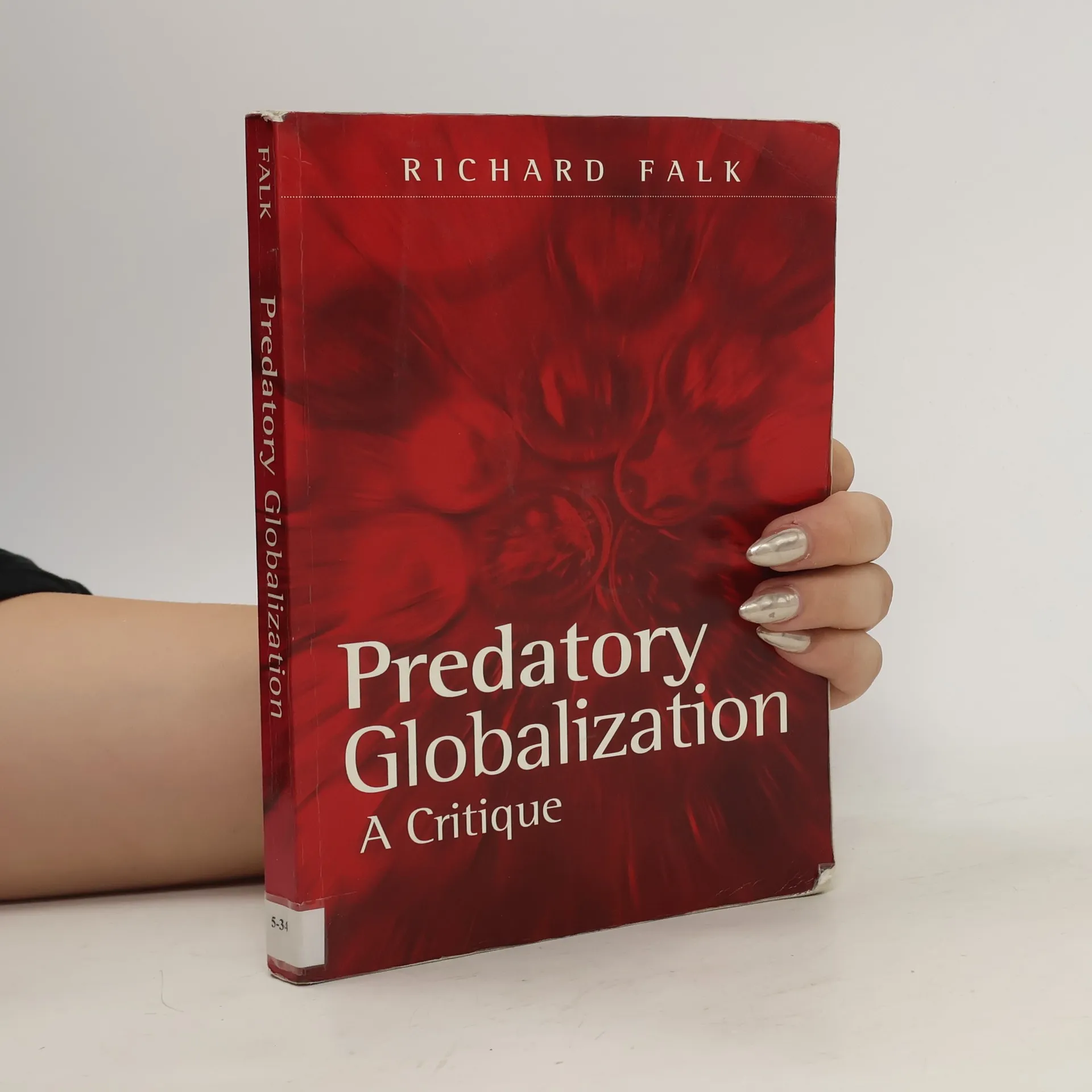
Trends towards economic globalization are changing the world in fundamental respects.
Richard Anderson Falk Bücher
13. November 1930


Tinderbox
- 256 Seiten
- 9 Lesestunden
This policy-relevant study of US Foreign policy, written in the light of September 11, examines US actions since the 1970s in the critical geographical arena of the Middle East. It argues that the more that the US has militarized the region, the less secure have the American people become. The US faces a stark contrast: to continue imposing a Pax Americana, or to promote real peace based on human rights, international law and sustainable development.
The book explores the transformative effects of terrorism on international relations and the American response, highlighting the diminishing prospects for global reform and the increasing disregard for sovereign states. Falk analyzes the evolving role of the state, the significance of institutions, and the influence of individuals, alongside the complex implications of a global religious resurgence. Additionally, he critiques the post-modern geopolitics during the Bush presidency, focusing on militarization, oil control in the Middle East, and the overwhelming military superiority of the U.S.
(Re)Imagining Humane Global Governance
- 198 Seiten
- 7 Lesestunden
In this important and path-breaking book, esteemed scholar and public intellectual Richard Falk explores how we can re-imagine the system of global governance to make it more ethical and humane.Divided into three parts, this book firstly scrutinizes the main aspects of Global Governance including, Geopolitics, The Future of International law, Climate Change and Nuclear weapons, 9/11, Global Democracy and the UN. In the last part, Falk moves the discussion on to the search for Progressive Politics, the Israel/Palestinian conflict and the World Order Models Project.Drawing on, but also rethinking the normative tradition in international relations, he examines the urgent challenges that we must face to counter imperialism, injustice, global poverty, militarism and environmental disaster. In so doing, he outlines the radical reforms that are needed on an institutional level and within global civil society if we are to realize the dream of a world that is more just, equitable and peaceful.This important work will be of interest to all students and scholars of global politics and international relations.
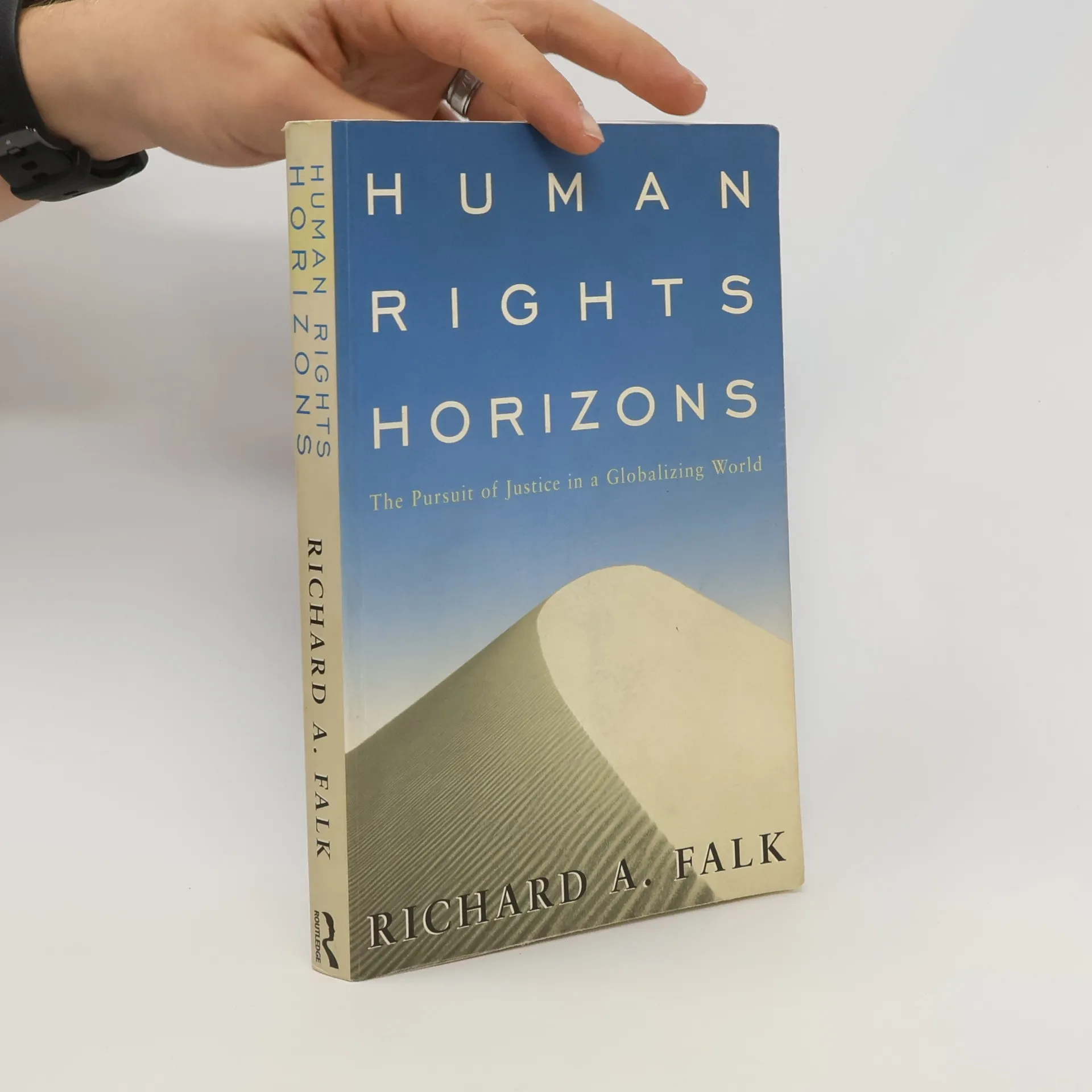
In Human Rights Horizons, one of the world's foremost authorities on human rights and international relations maps out the way to a more just and human global society. Borders are being erased; democracy and capitalism are spreading. The world is rapidly changing, and these changes are opening the door for the promotion of human rights to become and integral part of worldwide politics and law.In his provocative new book, Falk discusses the borderline between the promotion of human rights and the promotion of interventionist and coercive diplomacy. Can the US and the UN find an acceptable balance between unnecessary, protracted violence (Somalia) and simply letting genocide spread (Rwanda)? While looking at specific cases, Falk also sheds important new light on non-Western attitudes toward human rights, the challenge of genocidal politics, the intersection of morality and global security, and the pursuit of international justice. Thoughtful and very accessibly written, Human Rights Horizons clearly presents a path to an original new humanitarian policy for the 21st century.