

Lauren Berlant Bücher
Lauren Berlant, Englischprofessorin an der University of Chicago, beschäftigt sich mit Intimität und Zugehörigkeit in der Populärkultur. Ihre Arbeit untersucht die Beziehung zwischen persönlichen Beziehungen und der Geschichte sowie der Fantasie der Staatsbürgerschaft. Berlants Analysen beleuchten, wie unser Intimleben durch gesellschaftliche und politische Kontexte geformt wird und diese mitgestaltet.


The Female Complaint
The Unfinished Business of Sentimentality in American Culture
- 368 Seiten
- 13 Lesestunden
The book explores the evolution of sentimental "women's culture" in the U.S., tracing its journey from the impactful narrative of Uncle Tom's Cabin through the emotional storytelling of 1950s melodrama to the modern genre of chick lit. It examines how these cultural expressions shape political ideas and concepts of national identity, highlighting the significant role women's narratives play in reflecting and influencing societal values and belonging.
Focuses on the need to revitalise public life and political agency in the United States. Delivering a devastating critique of contemporary discourses of American citizenship, this title addresses the triumph of the idea of private life over that of public life borne in the right-wing agenda of the Reagan revolution.
Ties together political economy and affect in a time of decreased expectations.
On the Inconvenience of Other People
- 256 Seiten
- 9 Lesestunden
Lauren Berlant continues to explore our affective engagement with the world, focusing on the encounter with and the desire for the bother of other people and objects, showing that to be driven toward attachment is to desire to be inconvenienced.
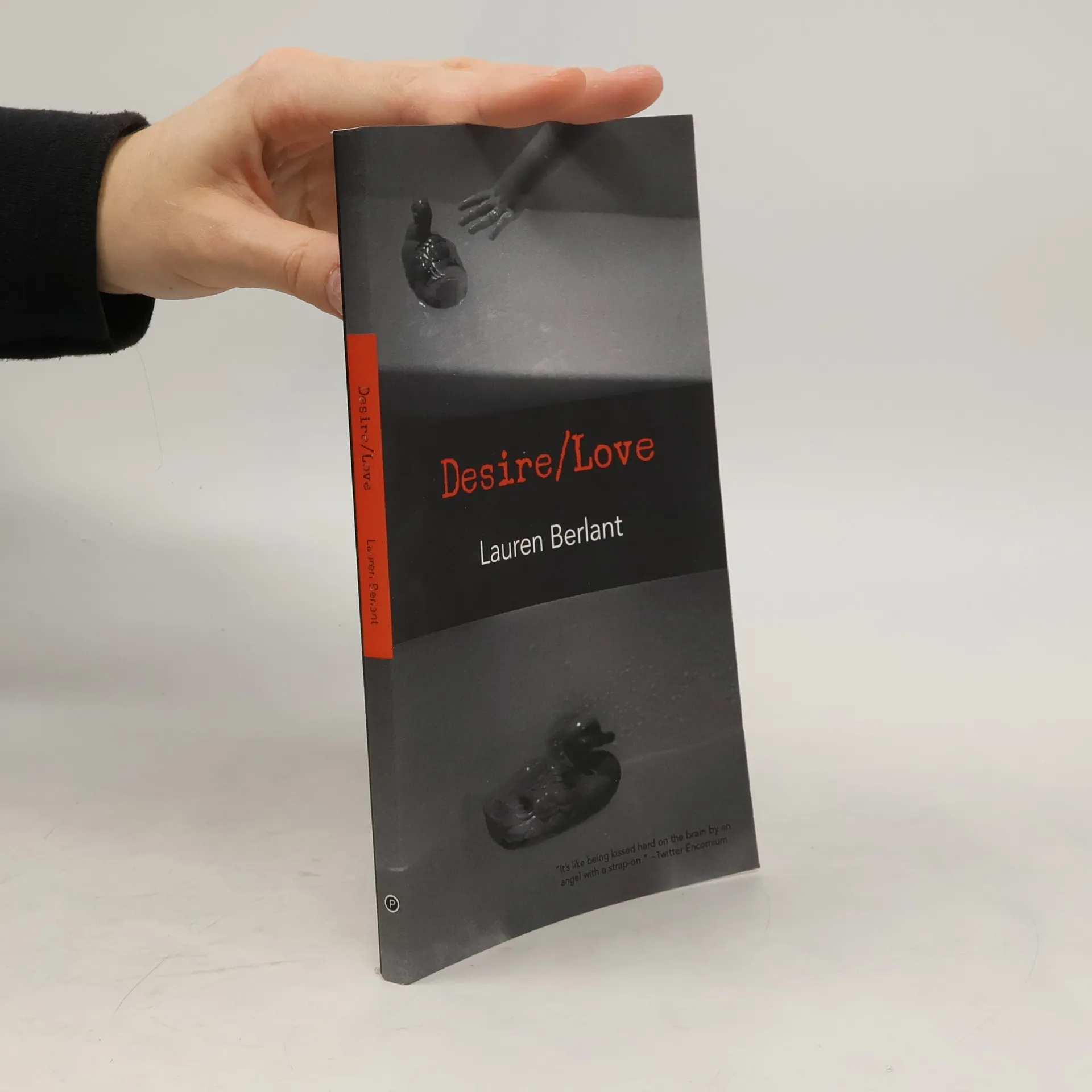
Desire/Love
- 142 Seiten
- 5 Lesestunden
Exploring the interplay between desire and love, this theoretical novella examines how psychoanalytic theories shape our understanding of intimacy. It contrasts the psychoanalytic view of desire as a fundamental aspect of identity with a broader perspective on love, emphasizing context and history. The first entry focuses on desire as an emotional connection rooted in attachment theory, while the second delves into the complexities of love, romance, and fantasy within personal and cultural frameworks. Ultimately, it suggests that fantasy is essential for the existence of love.