Inside Vasubandhu's Yogacara
- 231 Seiten
- 9 Lesestunden
"With a new translation from Sanskrit by Ben Connelly and Weijen Teng."


Als Soto Zen-Lehrer und Dharma-Erbe der Katagiri-Linie konzentriert sich dieser Autor auf Achtsamkeit in einer Vielzahl weltlicher Kontexte. Seine Lehren erstrecken sich auf Polizeischulungen und Firmenseminare, Strafvollzugsanstalten sowie Gruppen zur Suchtbehandlung und zum Wellness, was sein Engagement zeigt, spirituelle Praxis in verschiedene Bereiche des täglichen Lebens zu integrieren. Durch weitreichende Reisen und Lehrtätigkeiten in den gesamten Vereinigten Staaten teilt er seine Erkenntnisse und Erfahrungen und fördert die Entwicklung von Achtsamkeit und persönlichem Wachstum.

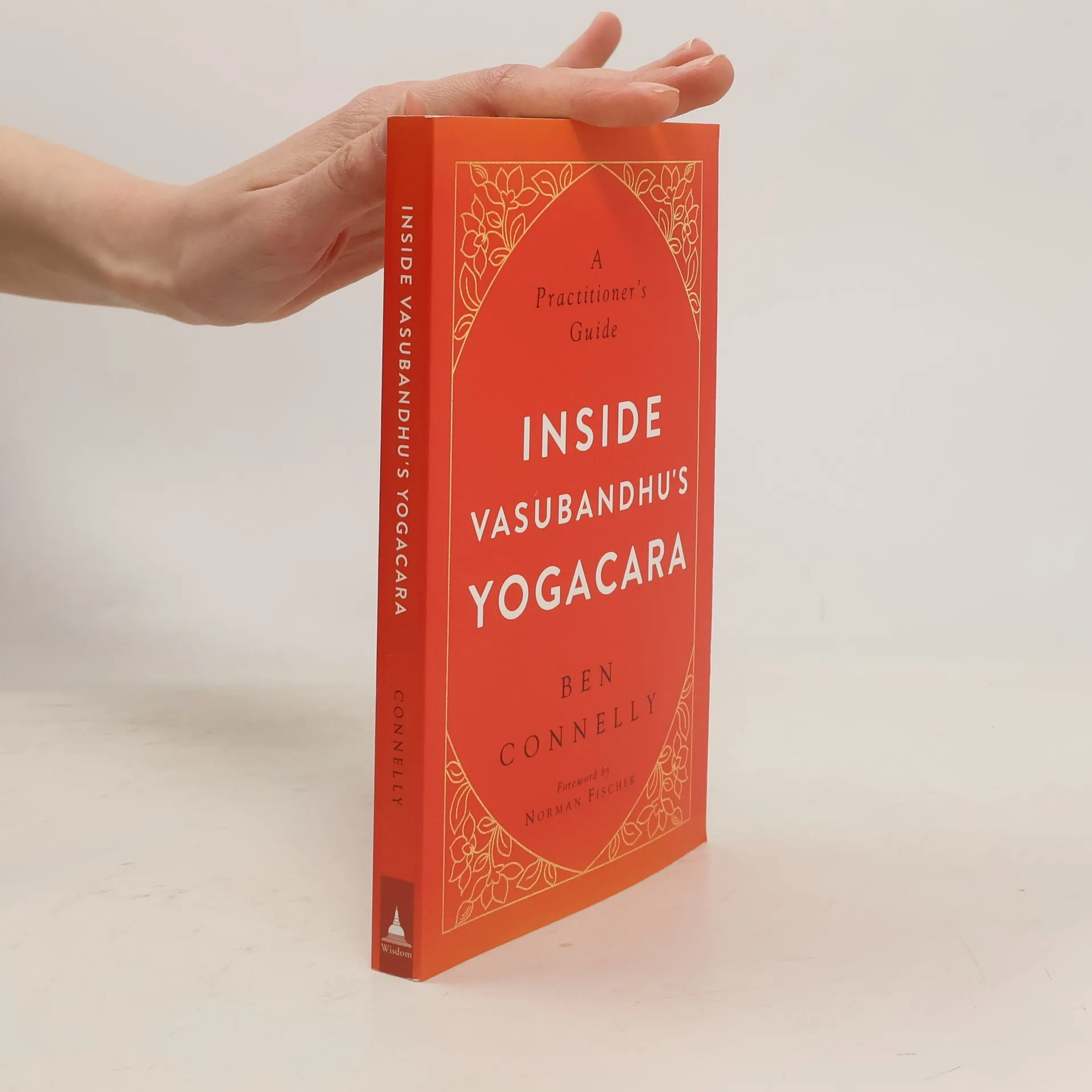
"With a new translation from Sanskrit by Ben Connelly and Weijen Teng."
A plain-English commentary on Vasubandhu's classic Treatise on the Three Natures that shows us an integrative path of personal and social healing and liberation.In this book, Ben Connelly shows the power of integrating early Buddhist psychology with the Mahayana emphasis on collective liberation. You’ll discover how wisdom from fourth-century India can be harnessed to heal and transform systems of harm within ourselves and our communities.The three natures (svabhavas)—the imaginary, dependent, and complete, realized natures—are inherent aspects of all phenomena. The imaginary nature of things is what we think they are. Their dependent nature is that they appear to arise from countless conditions. The complete, realized nature is that they aren’t as we imagine them to things that can be grasped or pushed away. The three natures form the backbone of Yogacara philosophy, and by showing us how to see beyond our preconceived notions of ourselves and others, beyond the things that we’re convinced are “true,” they open up a path to personal and communal healing.Dive into this empowering approach to freedom from suffering, from harmful personal and social patterns, and to finding peace and joyfulness in the present.