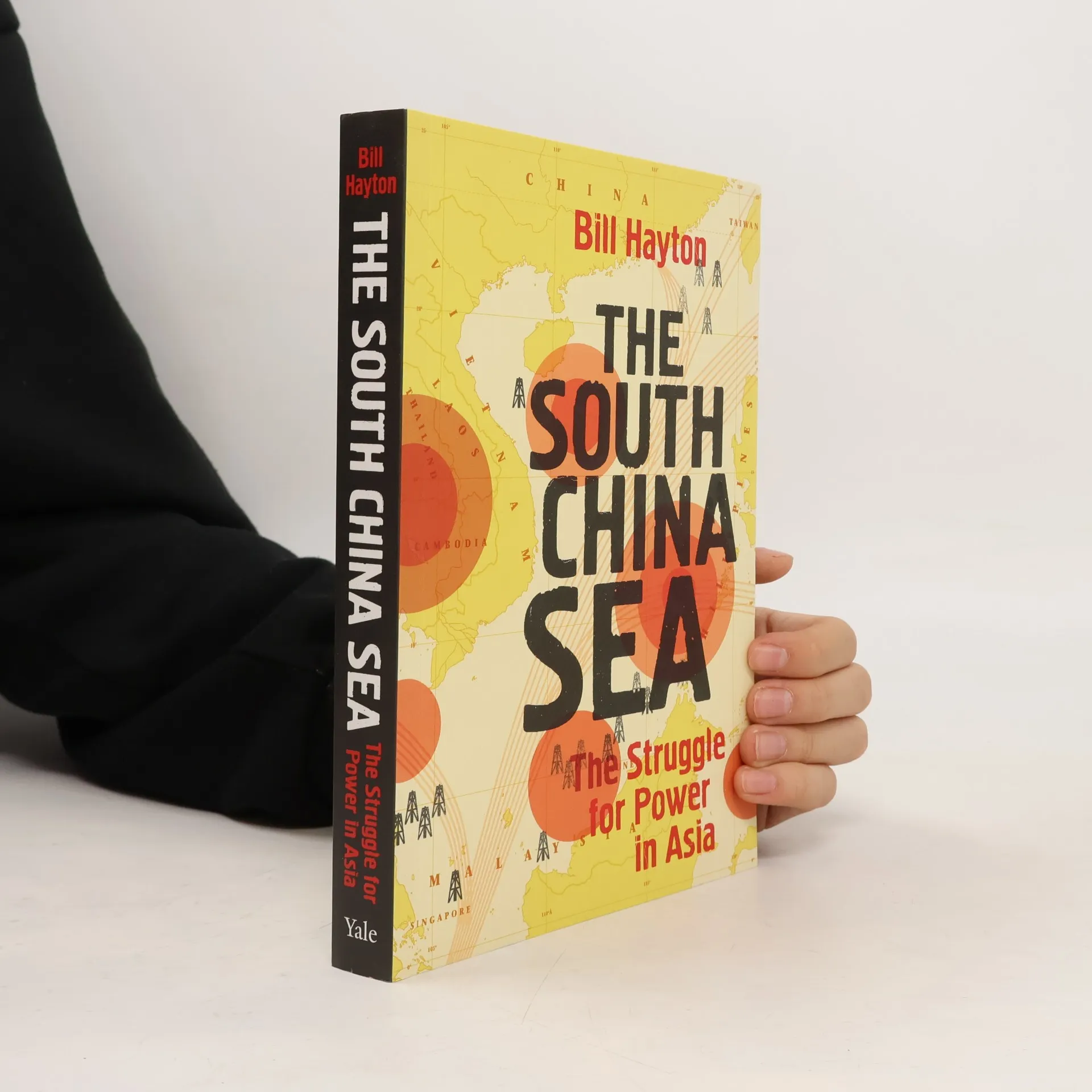
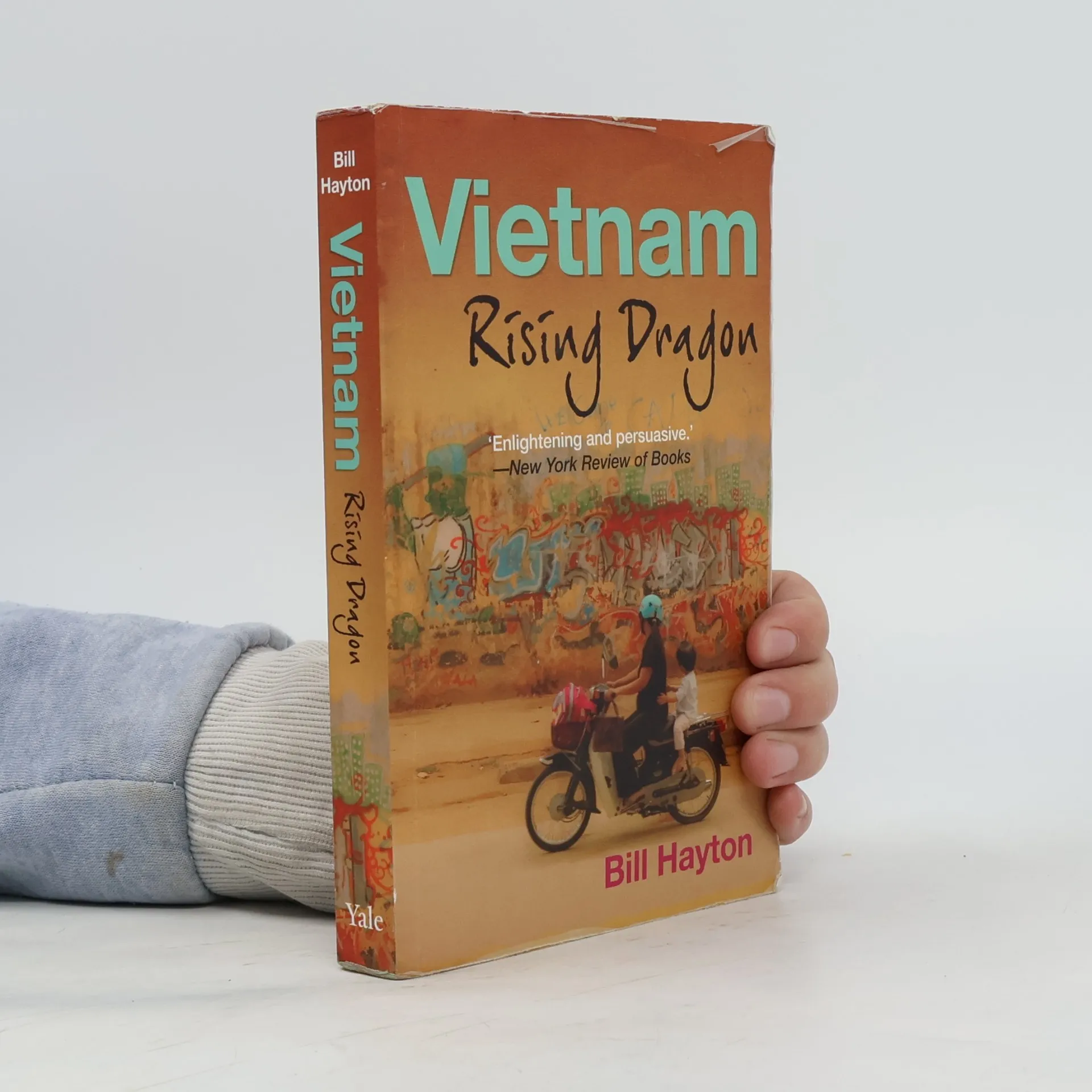
This comprehensive guide delves into Vietnam's tumultuous history, tracing its evolution from a war-torn nation to a burgeoning Asian tiger economy. The narrative begins with Vietnam's ancient roots, which took shape under French colonial rule in the 19th century, leading to the country's current name established in 1945. Prior to this, Vietnam was known by various names and governed by multiple rulers, including China and a succession of Vietnamese emperors. The struggle for independence culminated in a devastating conflict, ending with the Vietnam War in 1975. Key topics include China’s ancient conquest and the Vietnamese fight for independence, the Nguyen dynasty's reign with its capital in Hue, a UNESCO World Heritage Site, and the life of Ho Chi Minh, who, after studying in France, advocated for independence at the Treaty of Versailles and later became Vietnam's first president. The book also highlights the nation’s remarkable recovery from decades of war and its transition to one of the world's fastest-growing economies. With accessible prose, the author provides an essential exploration of Vietnam's complex culture and the roots of its current economic dynamism, making this work a vital resource for understanding the heart of Southeast Asia.
Bill Hayton Reihenfolge der Bücher


- 2022
- 2021
Plunged back in time to Anglo-Saxon England, can 16-year-old Joss warn King Edmund in time to stop his murder by Viking invaders?
- 2020
The Invention of China
- 320 Seiten
- 12 Lesestunden
A provocative account showing that China--and its 5,000 years of unified history--is a national myth, created only a century ago with a political agenda that persists to this day

- 2010
The eyes of the West have recently been trained on China and India, but Vietnam is rising fast among its Asian peers. A breathtaking period of social change has seen foreign investment bringing capitalism flooding into its nominally communist society, booming cities swallowing up smaller villages, and the lure of modern living tugging at the traditional networks of family and community. Yet beneath these sweeping developments lurks an authoritarian political system that complicates the nation’s apparent renaissance. In this engaging work, experienced journalist Bill Hayton looks at the costs of change in Vietnam and questions whether this rising Asian power is really heading toward capitalism and democracy. Based on vivid eyewitness accounts and pertinent case studies, Hayton’s book addresses a broad variety of issues in today’s Vietnam, including important shifts in international relations, the growth of civil society, economic developments and challenges, and the nation’s nascent democracy movement as well as its notorious internal security. His analysis of Vietnam’s “police state,” and its systematic mechanisms of social control, coercion, and surveillance, is fresh and particularly imperative when viewed alongside his portraits of urban and street life, cultural legacies, religion, the media, and the arts. With a firm sense of historical and cultural context, Hayton examines how these issues have emerged and where they will lead Vietnam in the next stage of its development.