
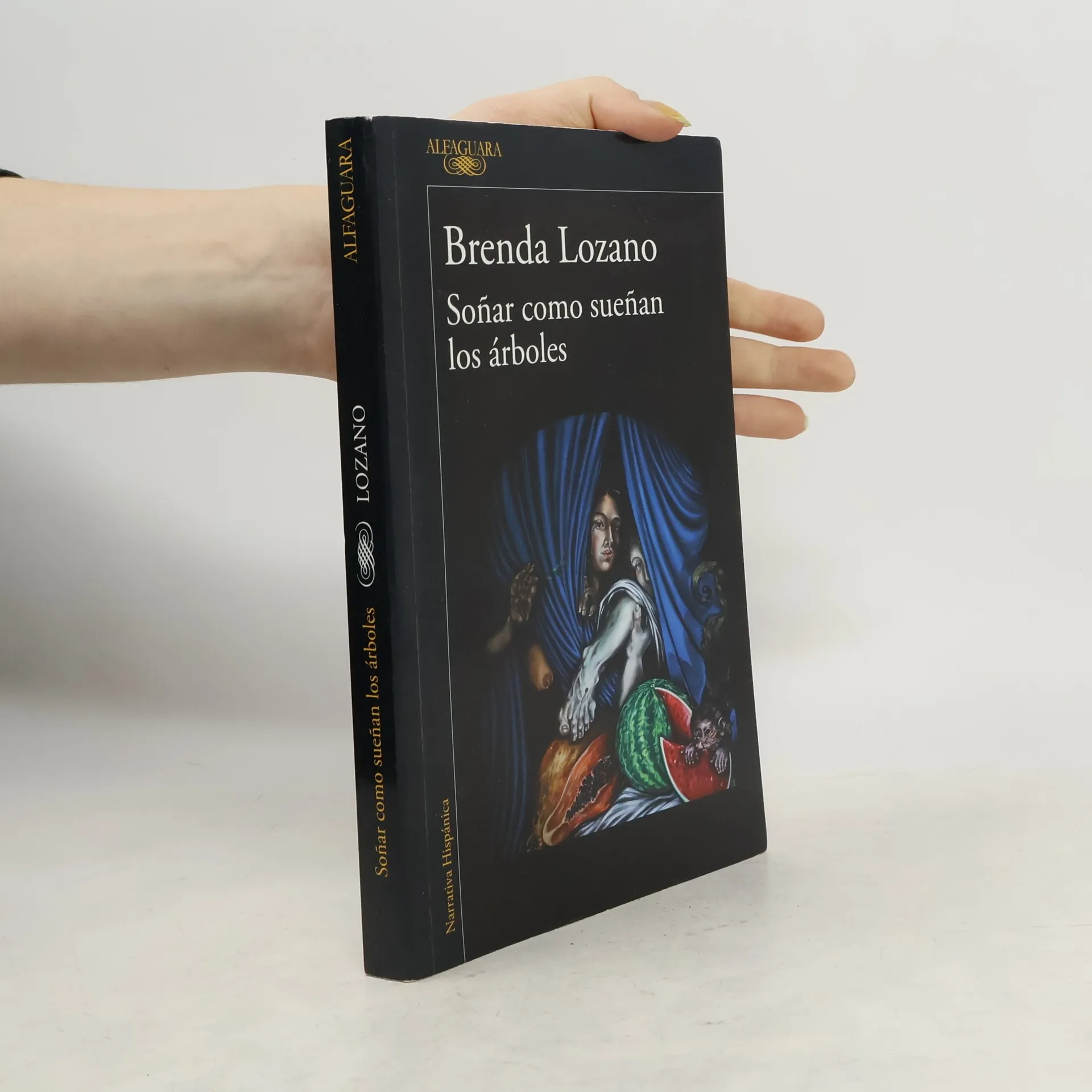

Las vidas de Gloria Felipe y Nuria Valencia se entrelazan en torno al robo de una niña que conmociona la capital mexicana en la década de 1940. A través de una narradora que se describe como alguien que «no canta mal las rancheras», se nos presenta la lucha de los Miranda Felipe por recuperar a su hija y la angustiosa crianza de los Fernández Valencia, quienes intentan proteger a su niña de un peligro que la policía no puede detener, mientras los medios lo cubren como un thriller. El relato está impregnado de imágenes de agua –lluvia, mar, estanques– que reflejan el estado emocional de los personajes. La obra ofrece una crítica a los mandatos de la maternidad y explora la rebeldía y autodeterminación que las mujeres del medio siglo comenzaron a reivindicar. Con un humor agudo y punzante, la autora mantiene al lector cautivado hasta la última página. Se plantean preguntas profundas sobre el amor maternal, el acceso a la justicia, las limitaciones del sistema médico y social para las mujeres, las consecuencias del miedo en la sociedad y el proceso de perdón. Estas inquietudes resuenan en el contexto actual, mientras la autora entrelaza el pasado de los años cuarenta en la Ciudad de México con la realidad contemporánea, logrando una conexión sorprendente y llena de ternura.
Brenda Lozano Reihenfolge der Bücher
Brenda Lozano ist eine mexikanische Autorin, deren Werke tief in die mexikanische Gesellschaft und Kultur eintauchen. Ihre Prosa zeichnet sich durch scharfen Einblick in menschliche Beziehungen und gesellschaftliche Nuancen aus. Lozano verwebt meisterhaft traditionelle Erzähltechniken mit modernen literarischen Ansätzen. Ihr Schreiben ist eine Feier des Reichtums und der Komplexität des mexikanischen Lebens, das die Leser in ihre authentischen Welten entführt.


- 2024
- 2021
The beguiling story of a young journalist whose investigation of a murder leads her to the most legendary healer in all of Mexico, from one of the most prominent voices of a new generation of Latin American writers. Paloma is dead. But before she was murdered, before she was even Paloma, she was a traditional healer named Gaspar. Before she was murdered, she taught her cousin Feliciana the secrets of the ceremonies known as veladas, and about the Language and the Book that unlock their secrets. Sent to report on Paloma's murder, Zoe meets Feliciana in the mountain village of San Felipe. There, the two women's lives twist around each other in a danse macabre. Feliciana tells Zoe the story of her struggle to become an accepted healer in her community, and Zoe begins to understand the hidden history of her own experience as a woman, finding her way in a hostile environment shaped by and for men. Weaving together two parallel narratives that mirror and refract one another, this extraordinary novel envisions the healer as storyteller and the writer as healer, and offers a generous and nuanced understanding of a world that can be at turns violent and exultant, cruel and full of hope.