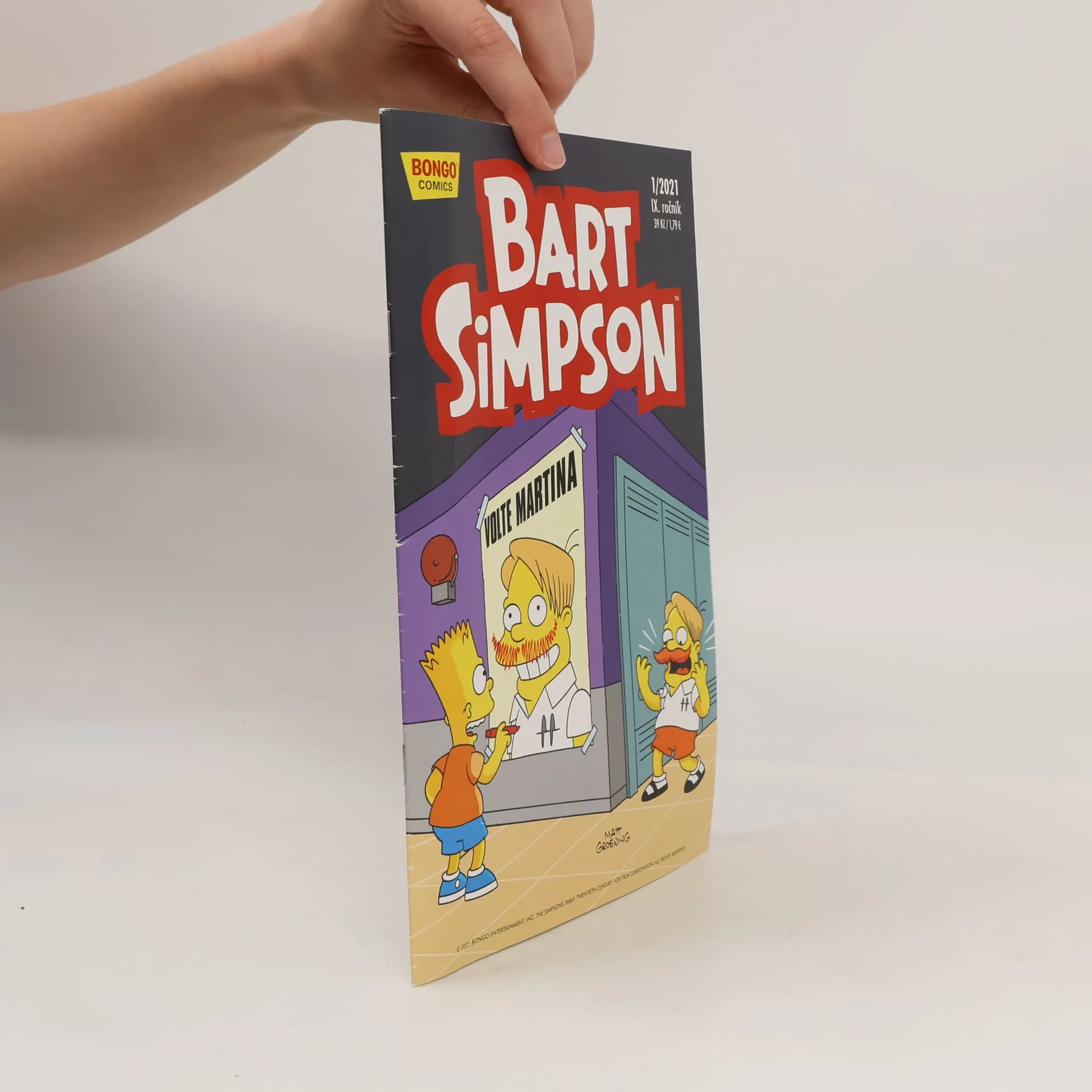
Simpsons Comics Kolossales Kompendium
- 175 Seiten
- 7 Lesestunden
Rare Book


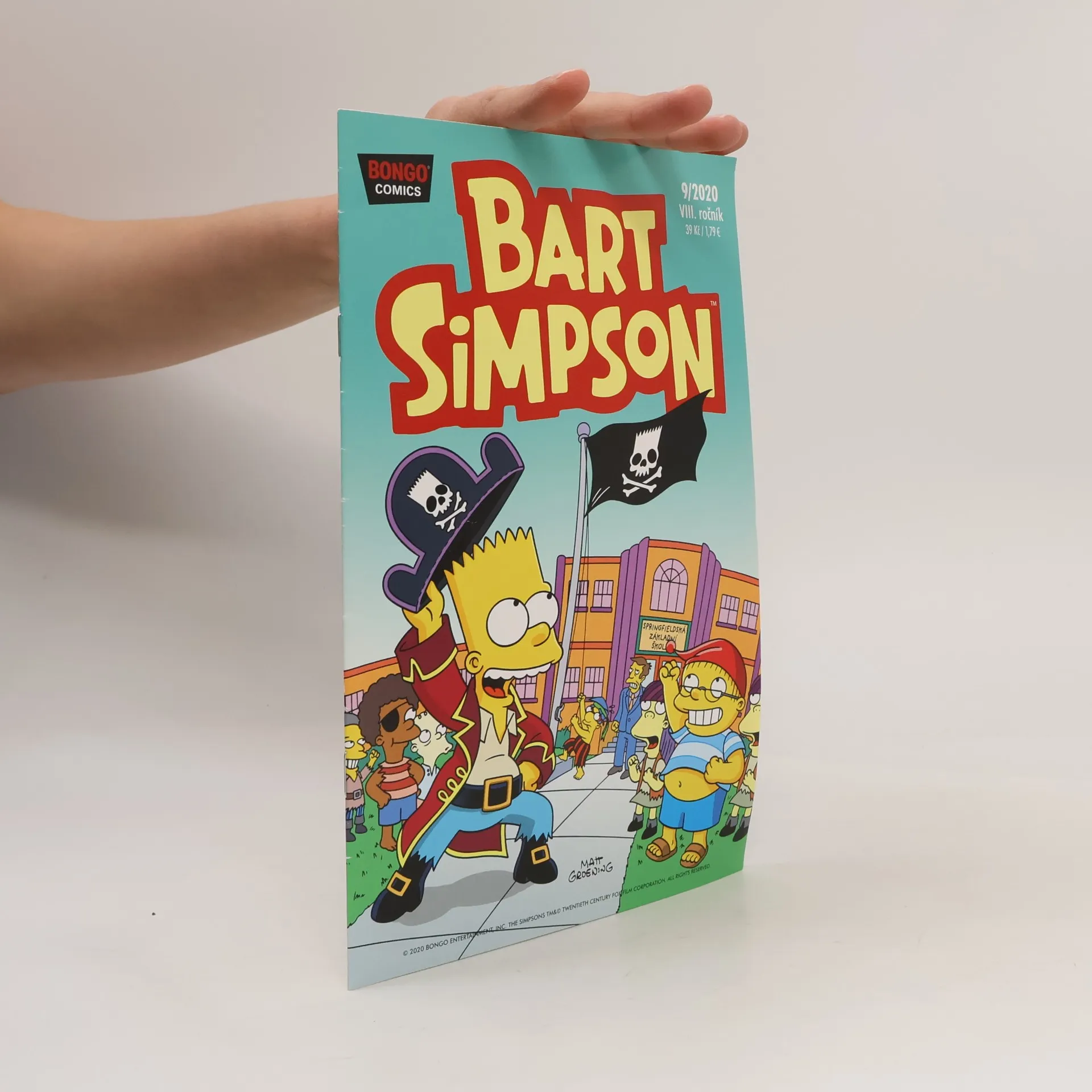


Rare Book
In an era of continuous disruption, businesses must adapt swiftly to crises like COVID-19. The pandemic forced companies to transition to remote work, fix supply chain issues, and respond to fluctuating customer demands. This guide emphasizes that those who view disruption as a chance for innovation emerge stronger, while those waiting for a return to normalcy risk stagnation. The authors, experts in business and technology strategy, argue that transformation is an ongoing process rather than a one-time event, requiring constant adaptation to an unpredictable environment. Drawing on five years of research and interviews with business leaders during the pandemic, they present a framework for understanding disruption and navigating it effectively. The book outlines essential leadership traits, business principles, technological infrastructure, and organizational elements necessary for thriving amidst change, supported by real-world examples. It underscores that technology should be viewed as a means to foster critical capabilities—nimbleness, scalability, stability, and optionality—vital for surviving an uncertain future.
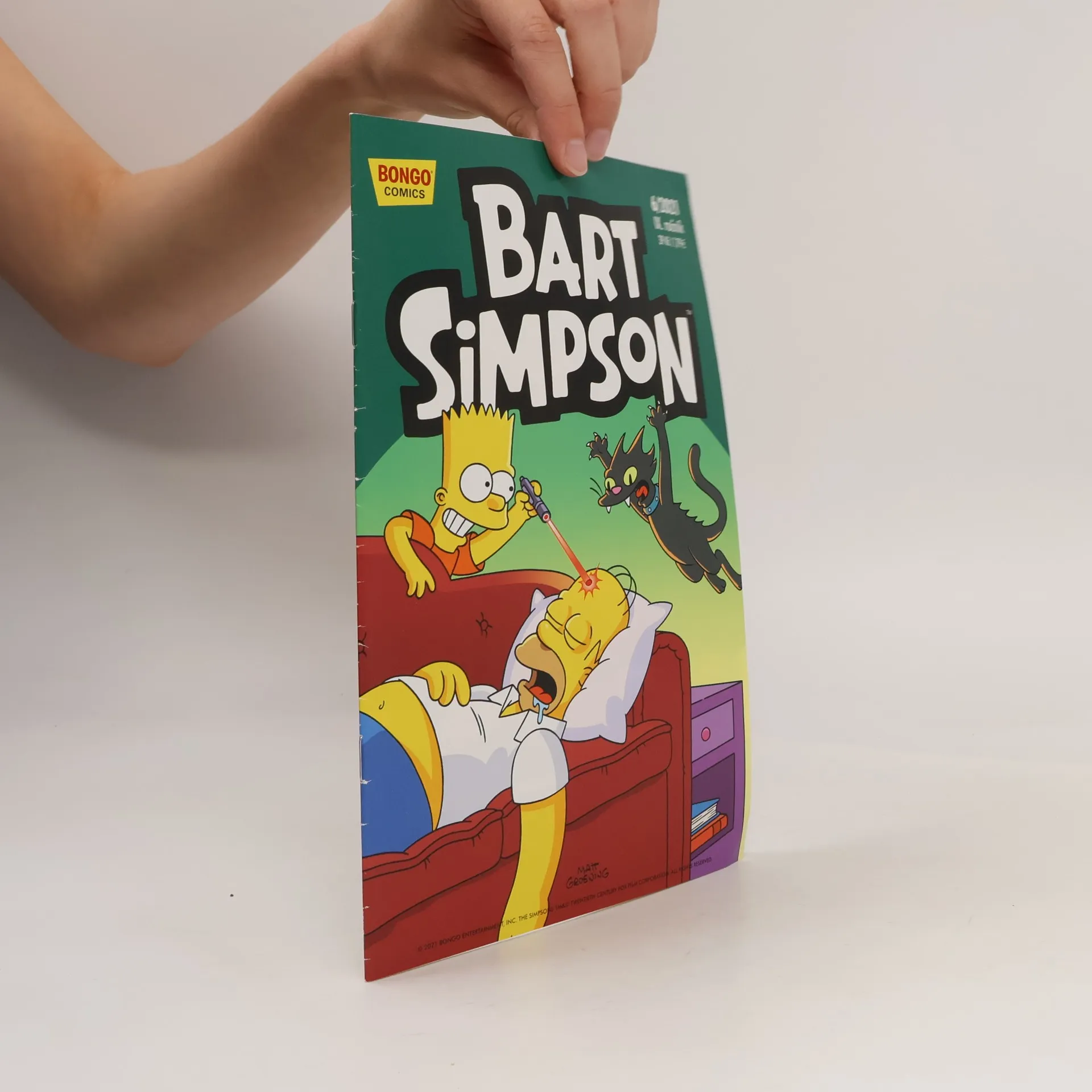
PŘIPRAVTE SE NA POŘÁDNÝ OPIČINEC! Bart bude bojovat.. ano, proti hordě opic. Proti hordě nebezpečně inteligentních opic, které mu obsadily jeho stromový dům. A pak dojde ma baseballový zápas, a na získávání superschopností, coaž obnáší výbuch, besky là a mebezpečné chemikálie. Naštěstí to Barta bolet nebude Od toho má Milhouse. Nenechte si to ujit! BRUSU KAVE PRIHODY SLAUNE ŽLUTÉ RODINKY!
Bart potřebuje rychle vydělat nějaké peníze a na to není lepší metoda než natočit velké odhalení pro televizní reportáž. Jenže kolem se nějak nic neděje. Zbývá mu jediná možnost - odhalit El Barta! A bude hůř... až mu rodiče zakážou hrát násilné počítačové hry. Co pak? Bart si bude muset poradit... Nenechte si uniknout nový nadupaný dil!
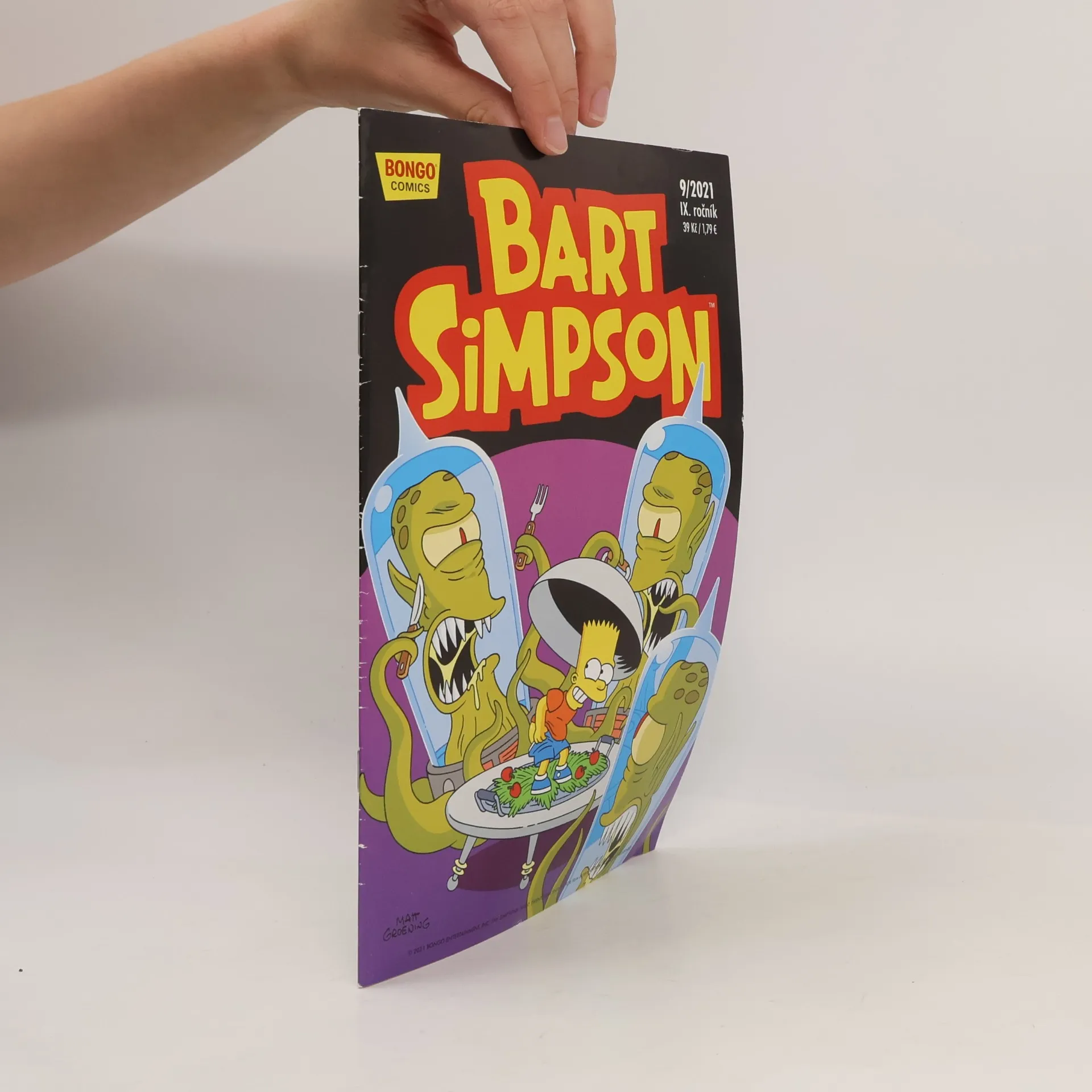
Tři známí nerdi stvořili svou první hru... a internet se shodl, že je hrozná. Aby líp zacílili na běžné publikum, potřebují průměrného člověka - a kdo může být průměrnější, než Homer?! A vzápětí Barta unese dvojice povědomých mimozemšťanů. Jeho poslání je jednoduché - musí zachránit celý vesmír. Brnkačka. Mimozemské příšery i počítačové obludy útočí!
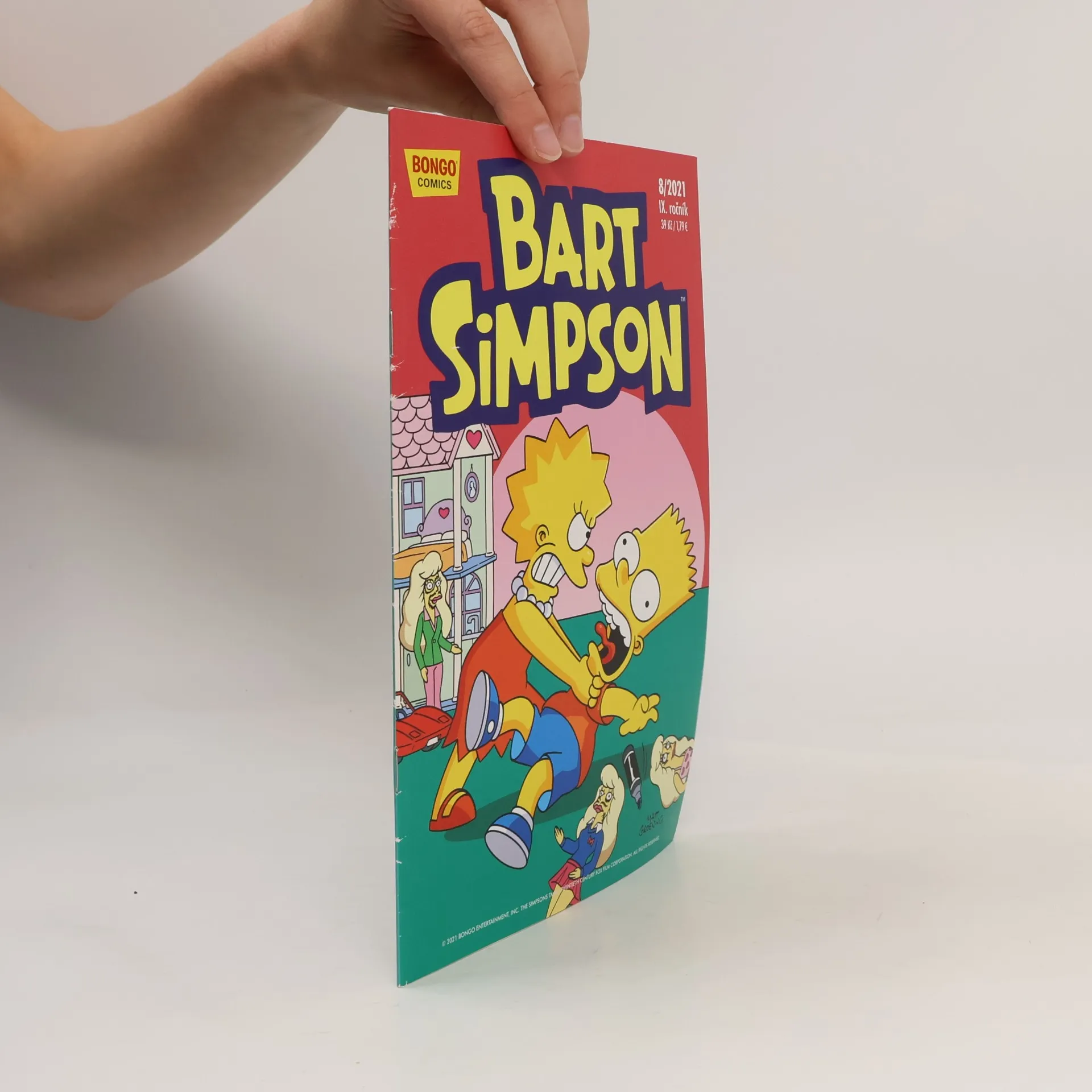
Bart má svůj sen – dostat se na wrestlingové utkání! Jenže to stojí přes sedmdesát dolarů, a to mu Homer nedá. Nezbývá než provést děsivou věc a pokusit se ty peníze vydělat. Do toho se Ralph vydává do lůna přírody a řidič školního autobusu se začíná živit jako taxikář. To bude ale jízda! Zbrusu nové příhody slavné žluté rodinky: Simpsonovi nastoupili k zápasu a porušují všechna pravidla! Starosta Quimby zruší nařízení o letním čase ve Springfieldu, Homer zavzpomíná na svá „telecí léta“, kdy musel volit mezi svou středoškolskou láskou a velkoměstskou kráskou a Marge se smiluje nad Nedem Flandersem, který se nastěhuje k Simpsonům. Komiksová trefa ti zvýší simpsonovské skóre!
V tomhle díle se začne pátrat po strašivém tajemství Hanse Molemana. Ano, toho šíleně krátkozrakého obyvatele Springfieldu, který bloudí ulicemi města možná ještě déle, než by si kdokoliv myslel. A co až se do města přistěhuje nová rodina – rodina Simpkinsových. Jsou nám nějací povědomí.. Připravte se na další Bartova úžasná dobrodružství! ZBRUSU NOVÉ PŘÍHODY SLAVNÉ ŽLUTÉ RODINKY!