

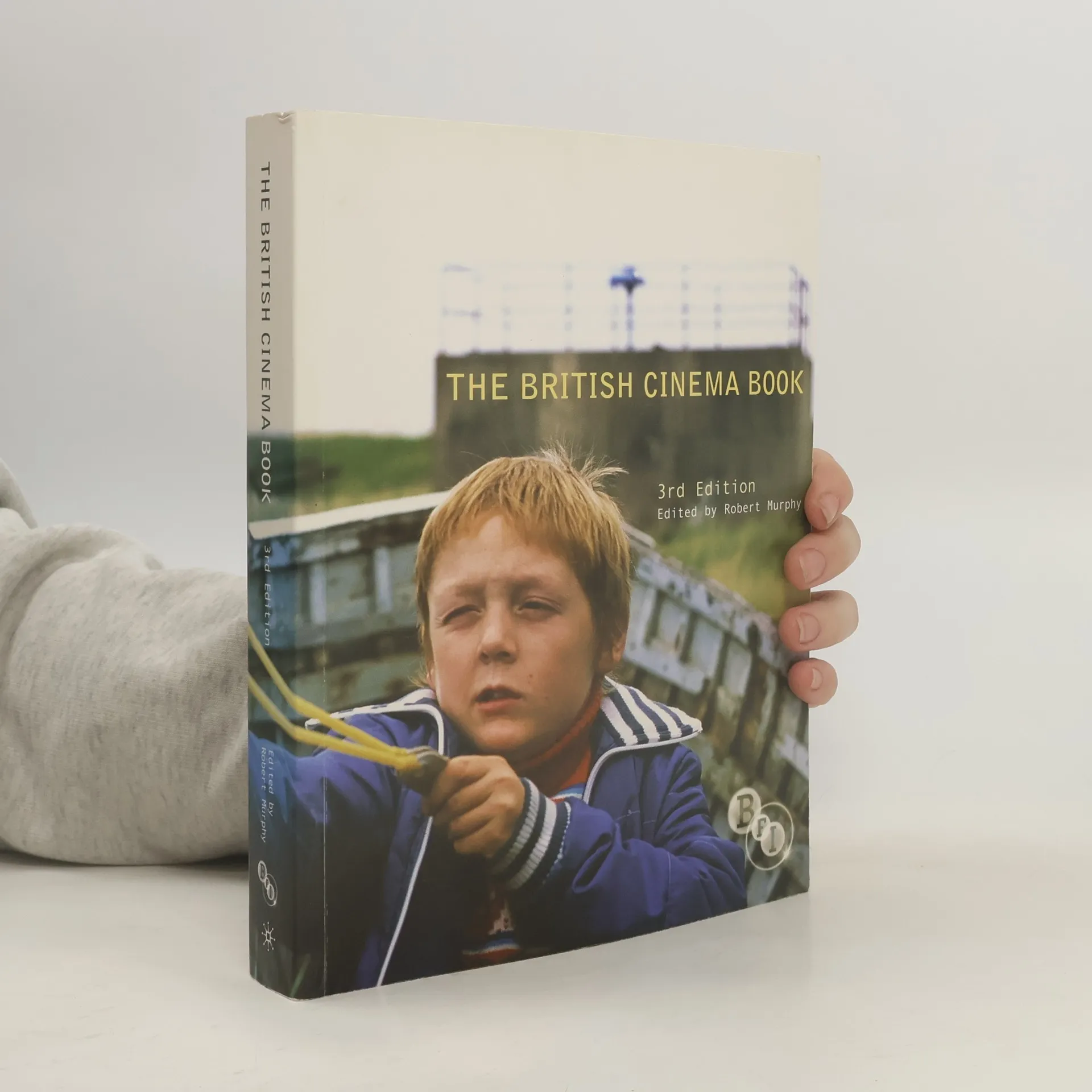
The new edition of The British Cinema Book has been thoroughly revised and updated to provide a comprehensive introduction to the major periods, genres, studios, film-makers and debates in British cinema from the 1890s to the present. The book has five sections, addressing debates and controversies; industry, genre and representation; British cinema 1895-1939; British cinema from World War II to the 1970s, and contemporary British cinema. Within these sections, leading scholars and critics address a wide range of issues and topics, including British cinema as a 'national' cinema; its complex relationship with Hollywood; film censorship; key British genres such as horror, comedy and costume film; the work of directors including Alfred Hitchcock, Anthony Asquith, Alexander Mackendrick, Michael Powell, Lindsay Anderson, Ken Russell and Mike Leigh; studios such as Gainsborough, Ealing, Rank and Gaumont, and recent signs of hope for the British film industry, such as the rebirth of the low-budget British horror picture, and the emergence of a British Asian cinema. Discussions are illustrated with case studies of key films, many of which are new to this edition, including Piccadilly (1929) It Always Rains on Sunday (1947), The Ladykillers (1955), This Sporting Life (1963), The Devils (1971), Withnail and I (1986), Bend it Like Beckham (2002) and Control (2007), and with over 100 images from the BFI's collection.
Ian Aitken Bücher
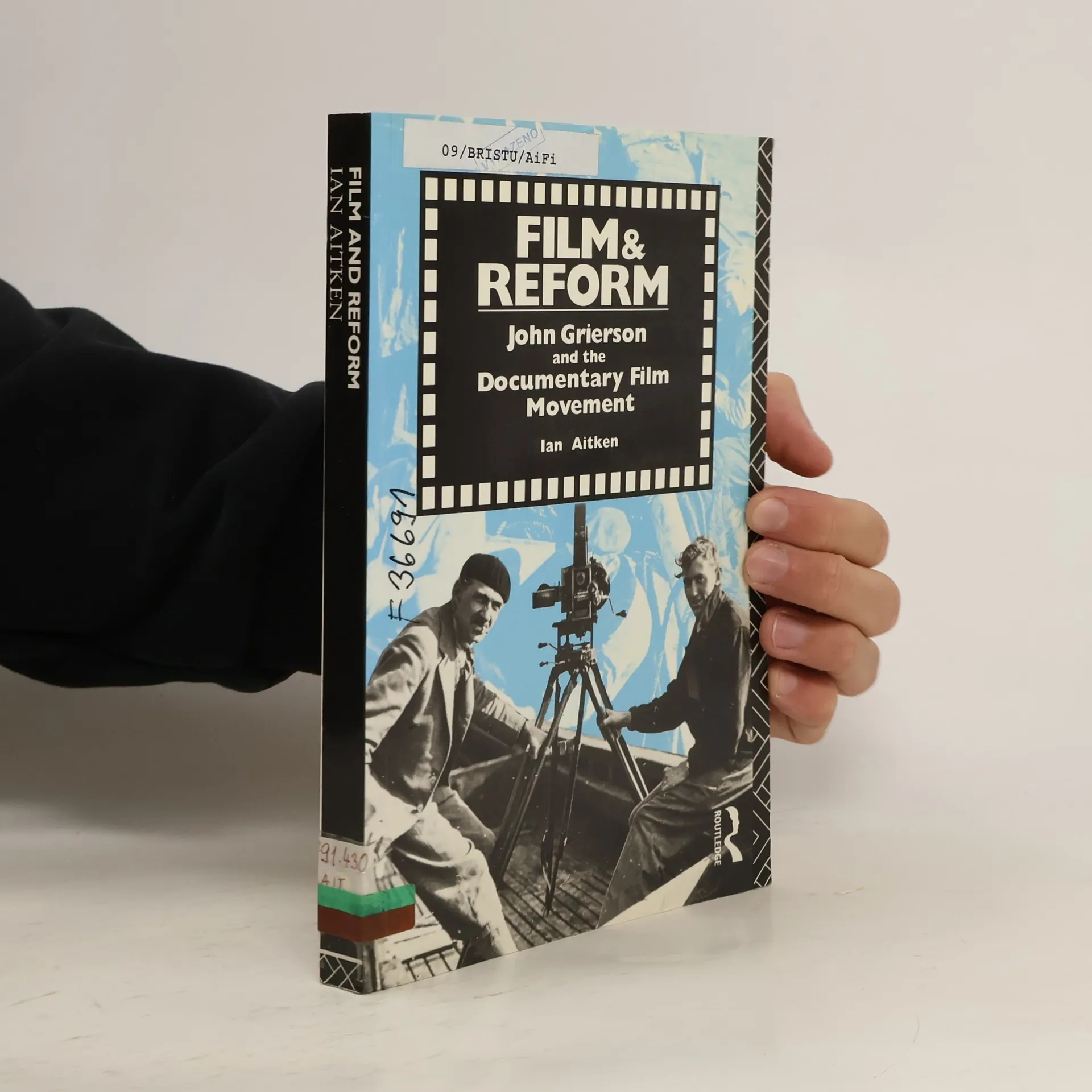
Cinema and Society: Film and Reform
John Grierson and the Documentary Film Movement
- 256 Seiten
- 9 Lesestunden
Best known for his documentaries such as "Drifters", "North Sea", and "Housing Problems", John Grierson was regarded as one of the most important figures in the British documentary film movement and one of the most influential of British film theorists. Grierson's conception of film as an instrument of social persuasion was derived from an aesthetic tradition based on philosophical idealism, and his theory of documentary film indicates that aesthetics and social purpose should have equal status.Ian Aitken explains the synthesis of naturalism and modernism which characterizes the idealistic strain of Grierson's social commentary and compares it to such contemporary social reformists as the Next Five Years Group and the Mass Observation researchers. He also draws out aesthetic and intellectual similarities between Grierson, Orwell and Priestley. By underlining the link between film and reform, he clarifies the meaning and significance of Grierson's ideas and the historical role of the documentary film movement. This book should be of interest to students and teachers of film studies and media studies.