


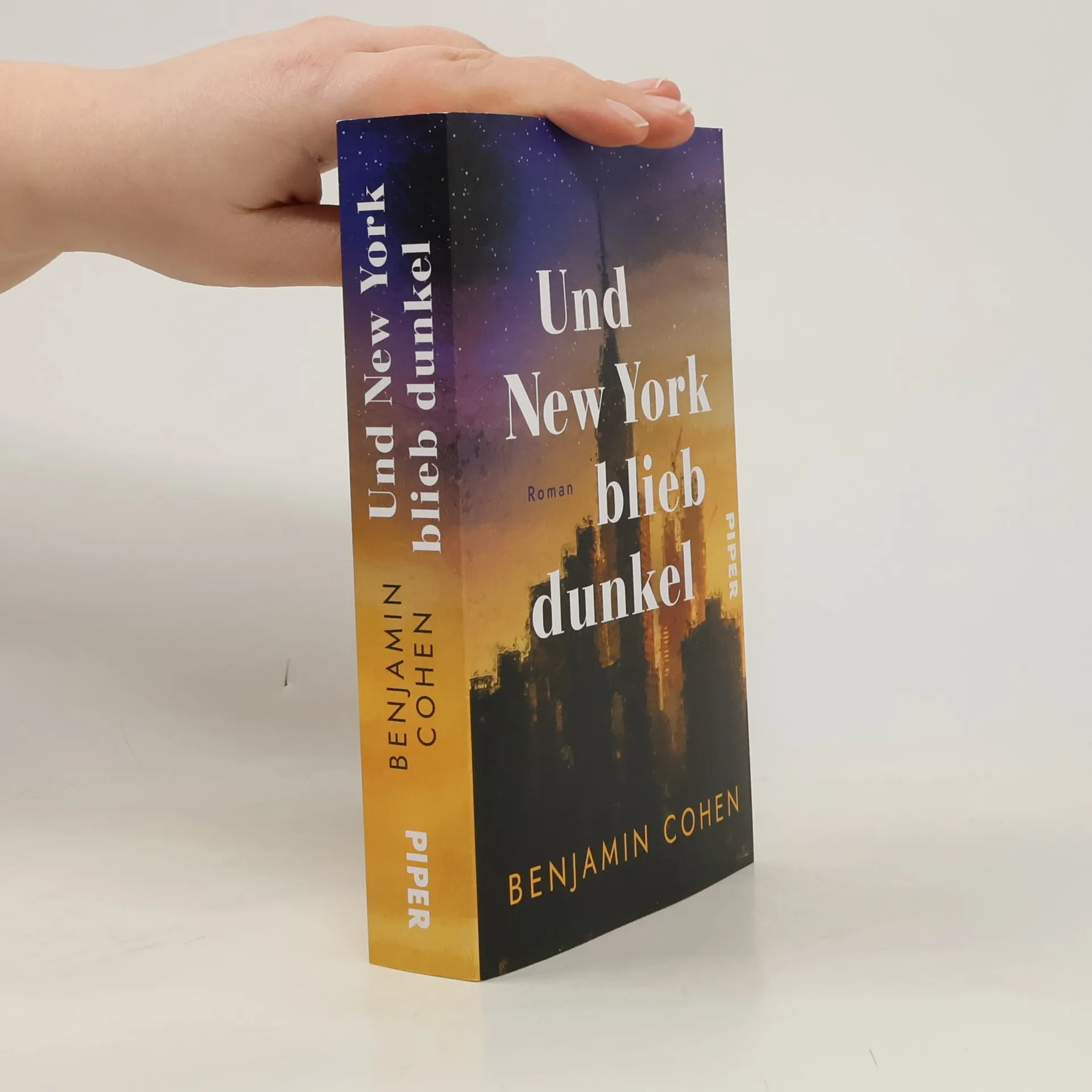
Und New York blieb dunkel
Roman | Der größte Stromausfall der Geschichte Amerikas: Ein Roman auf wahren Begebenheiten
- 400 Seiten
- 14 Lesestunden
Wenn in der Stadt, die niemals schläft, plötzlich die Lichter ausgehen Juli 1977: Es ist heiß in New York. Wie viele andere sehnt sich Cynthia Simmons nach dem angekündigten Gewitter. Als es endlich blitzt und donnert, geschieht Unerwartetes: Ein Blitzschlag sorgt für einen Stromausfall in der Stadt! Während auf der Upper East Side ausgelassen gefeiert wird, bangt Cynthias Mann in Brooklyn um sein Geschäft, denn Plünderer ziehen durch das Viertel. Cynthia schlägt sich derweil durch die Straßen, besorgt um ihre hochschwangere Tochter Pamela, die zur Vorsorge im Krankenhaus war und sich nun nicht mehr meldet. Eine Nacht, die so viel verändern wird, bricht an … Basierend auf wahren Begebenheiten aus dem Jahr 1977! Benjamin Cohen erzählt mitreißend und spannend von einer der dunkelsten Nächte New Yorks.