Ritchie demonstrates that even dashing scoundrels were slaves to economics in this lively history of piracy. He focuses on the shadowy figure of William Kidd, whose career in the late 17th century swept him from the Caribbean to New York, to London, to the Indian Ocean before he ended in Newgate prison and on the gallows.
A human and global take on a beloved vacation spot, the beach evokes sensations like crashing surf, salty air, and wet sand underfoot. This environment has attracted humans for millennia, yet our relationship with it has evolved, reflecting the tides of time. This chronicle explores humanity's history with the coast, from the seaside pleasure palaces of Roman elites and medieval pilgrims’ aquatic rituals to modern resort towns. The narrative traces the material and social economies of the beach, examining shifts in the social status of beachgoers, advancements in transportation, and the evolution of fashion—from nudity to Victorianism and back. It also highlights the geographic spread of beach culture from England to France, across the Mediterranean, and from nineteenth-century America to the world. As climate change and rising sea levels threaten our coasts, we face a contemporary reckoning regarding our relationship and responsibilities to these ecosystems. This exploration reveals that the beach's history—whether as a commodified destination, a site of ecological beauty, or a battleground for public access—reflects a deeply human story that is increasingly urgent to tell.
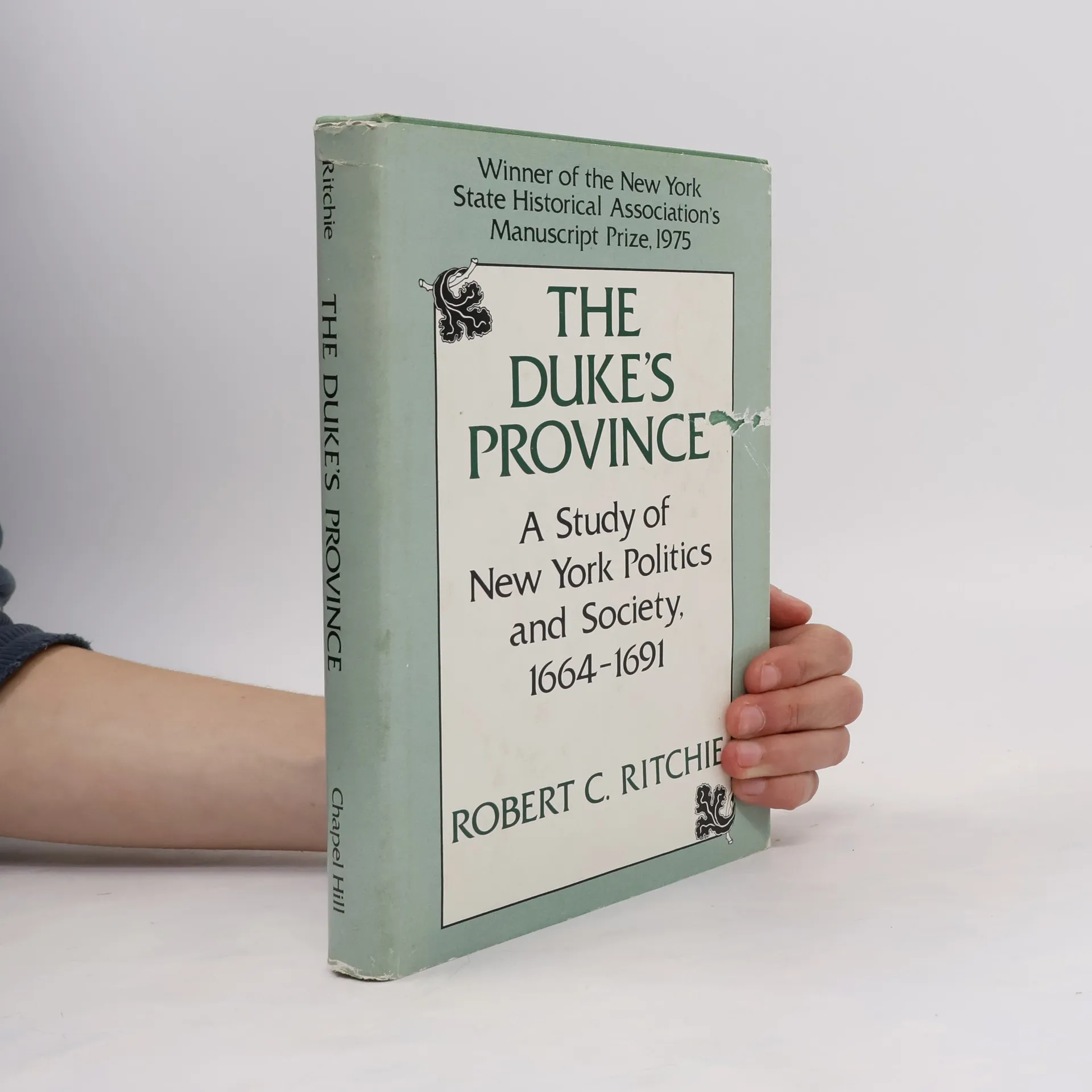
A Study of New York Politics and Society, 1664-1691
318 Seiten
12 Lesestunden
The late seventeenth century in America was important as an era of transition from rough settlement to established provincial life. It was a time when social, political, and economic problems caused strains that led to religious doubt, personal anxiety, riot, and one of the worst rebellions in the colonies. New York's situation was further complicated by a series of political changes and a unique bicultural population.Originally published in 1977.A UNC Press Enduring Edition -- UNC Press Enduring Editions use the latest in digital technology to make available again books from our distinguished backlist that were previously out of print. These editions are published unaltered from the original, and are presented in affordable paperback formats, bringing readers both historical and cultural value.