
Adrian Tinniswood ist ein Autor, der seit fast 30 Jahren als Schriftsteller, Rundfunksprecher, Dozent und Bildungsberater in Großbritannien und den Vereinigten Staaten tätig ist. Seine Arbeit zeichnet sich durch eine tiefe Auseinandersetzung mit den von ihm untersuchten Themen und einen präzisen Stil aus, der den Leser in komplexe Welten entführt. Tinniswoods Schreibansatz, der von seinem Studium der Anglistik und Philosophie geprägt ist, ermöglicht es ihm, einzigartige Perspektiven und aufschlussreiche Beobachtungen einzubringen. Seine Werke bieten den Lesern ein bereicherndes und zum Nachdenken anregendes literarisches Erlebnis.
Striking aerial photographs combined with bird's-eye engravings from the 17th and 18th centuries give a unique insight into the history of English country houses and their pleasure grounds. The book details the struggles for power and prestige that inspired them, the daily life of the great families and their servants, and the dramatic changes wrought by fashion, fortune, time or progress. Thes stories behind each of the 40 houses are told with anecdotes and historical perspective. Research points out the connection between the lives of theowners and the alterations to house and garden as a result of the shifting sands of fortune.
From the bestselling author of The Long Weekend- a wild, sad and sometimes hilarious tour of the English country house after the Second World War, when Swinging London collided with aristocratic values. 'Preposterously entertaining' Observer 'Brilliant' Daily Telegraph 'Rollicking' Sunday Times As the sun set slowly on the British Empire in the years after the Second World War, the nation's stately homes were in crisis. Tottering under the weight of rising taxes and a growing sense that they had no place in twentieth-century Britain, hundreds of ancestral piles were dismantled and demolished. Yet - perhaps surprisingly - many of these great houses survived, as dukes and duchesses clung desperately to their ancestral seats and tenants' balls gave way to rock concerts, safari parks and day trippers. From the Rolling Stones rocking Longleat to Christine Keeler rocking Cliveden, Noble Ambitions takes us on a lively tour of these crumbling halls of power. * A Daily Telegraph Book of the Year * * Longlisted for the William MB Berger Prize for British Art History *
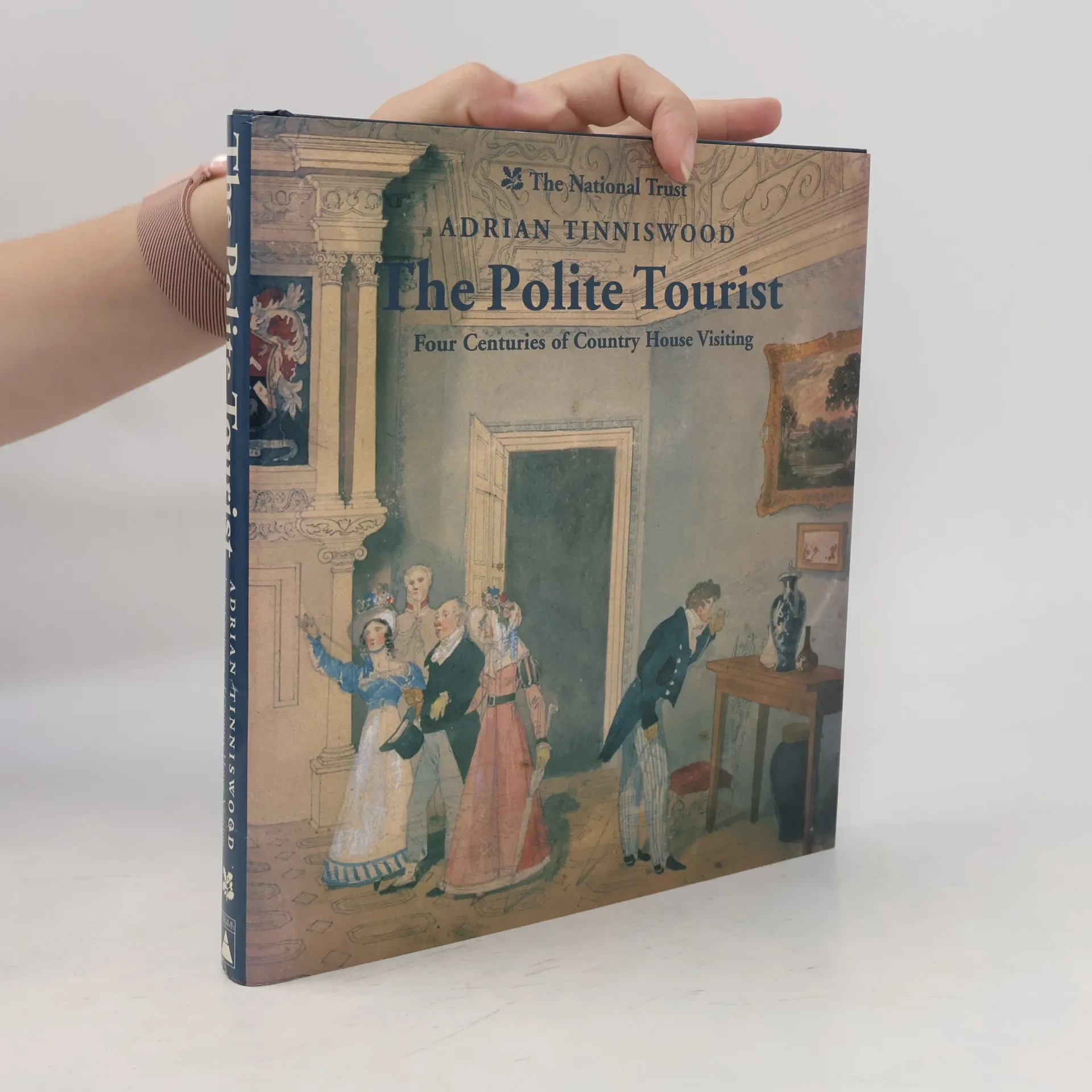
Country house visiting is one of Britain's favorite leisure activities. For more than five centuries, historic buildings have opened their doors, inviting the tourist to step inside. Elizabethans strolled around palaces, royal and private, like Hampton Court and Hardwick Hall, while Georgians appreciated the classical refinement of properties like Kedleston Hall and Osterley Park, admiring the treasures brought back from the Grand Tour.With the help of sumptuous illustrations, Adrian Tinniswood takes the reader on a grand tour around the historic houses of England, and discovers how, throughout the centuries, the idea of national heritage has developed.
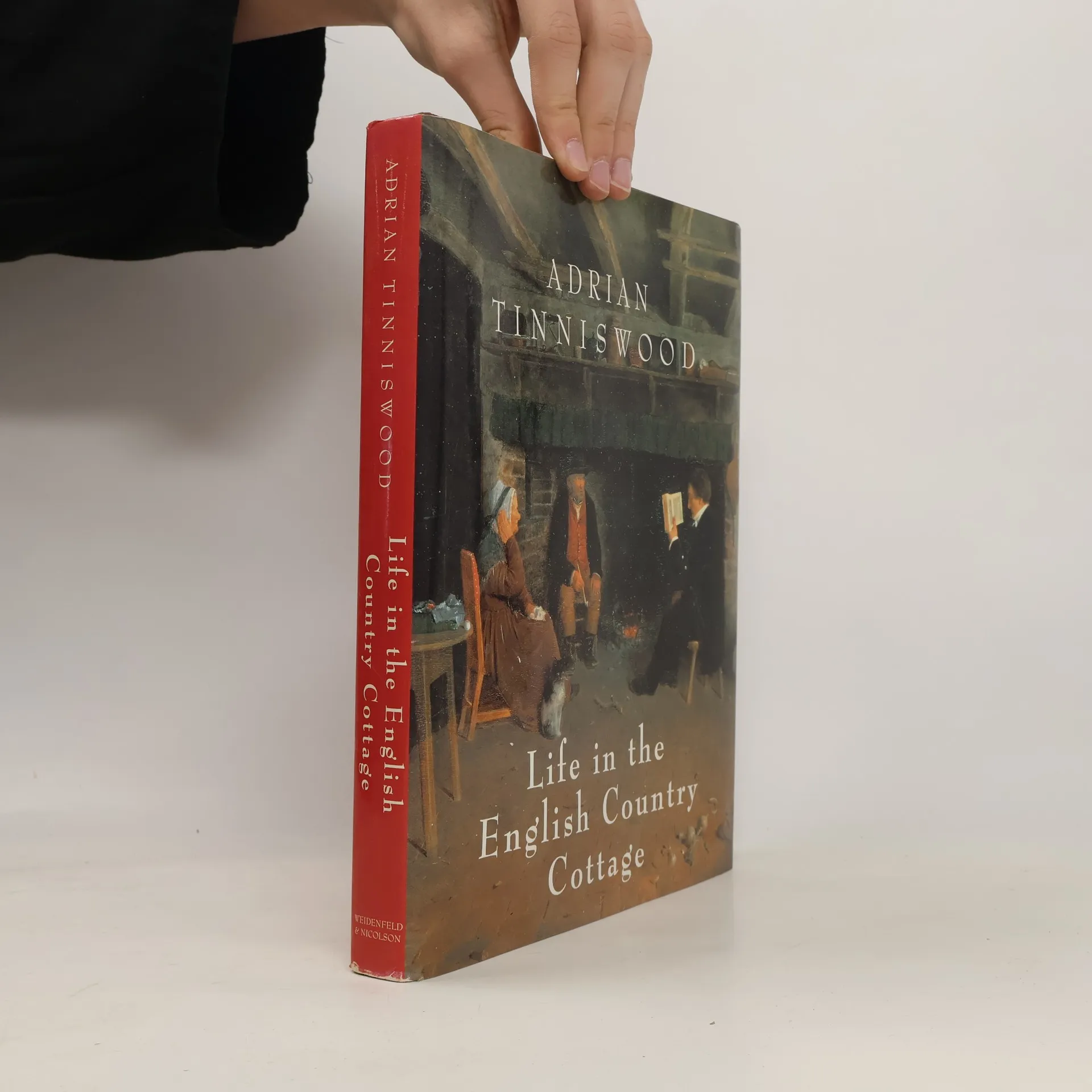
The English cottage is an icon for our times. Whether a harmonious blend of timber-frame and thatch or golden Cotswold stone, it symbolizes country life at its most seductive - a chance to return to the rural Eden that was lost to most of us with the Industrial Revolution.The picture of cottage life is an attractive and enduring one that has fascinated writers and artists for the last two hundred years. But this book shows that life in the English country cottage was far from being the idyll that many of us suppose. From the medieval village right through to the twentieth century, the author traces the history of the cottage, exploring how cottages came to be built, and how their appearance was affected by social forces and changing trends.But the focus is firmly on how cottage dwellers spent their time, how they were treated by their social superiors, what they ate and where they slept, and how they decorated and furnished their homes. Life in the English Country Cottage is a history of both the myth and the reality of life for the majority of the population over the last seven centuries.
It's easy to think of piracy as a romantic way of life long gone--if not for today's headlines of robbery and kidnapping on the high seas. Pirates have existed since the invention of commerce itself, but they reached the zenith of their power during the 1600s, when the Mediterranean was the crossroads of the world, and pirates were the scourge of Europe and the glory of Islam. They attacked ships, enslaved crews, plundered cargoes, enraged governments, and swayed empires. Historian Adrian Tinniswood brings alive this chapter in history, where clashes between pirates of the East--Tunis, Algiers, and Tripoli--and governments of the West--England, France, Spain, and Venice--grew increasingly intense and dangerous, and he shows how their maneuverings between the Muslim empires and Christian Europe shed light on the religious and moral battles that still rage today.--From publisher description.
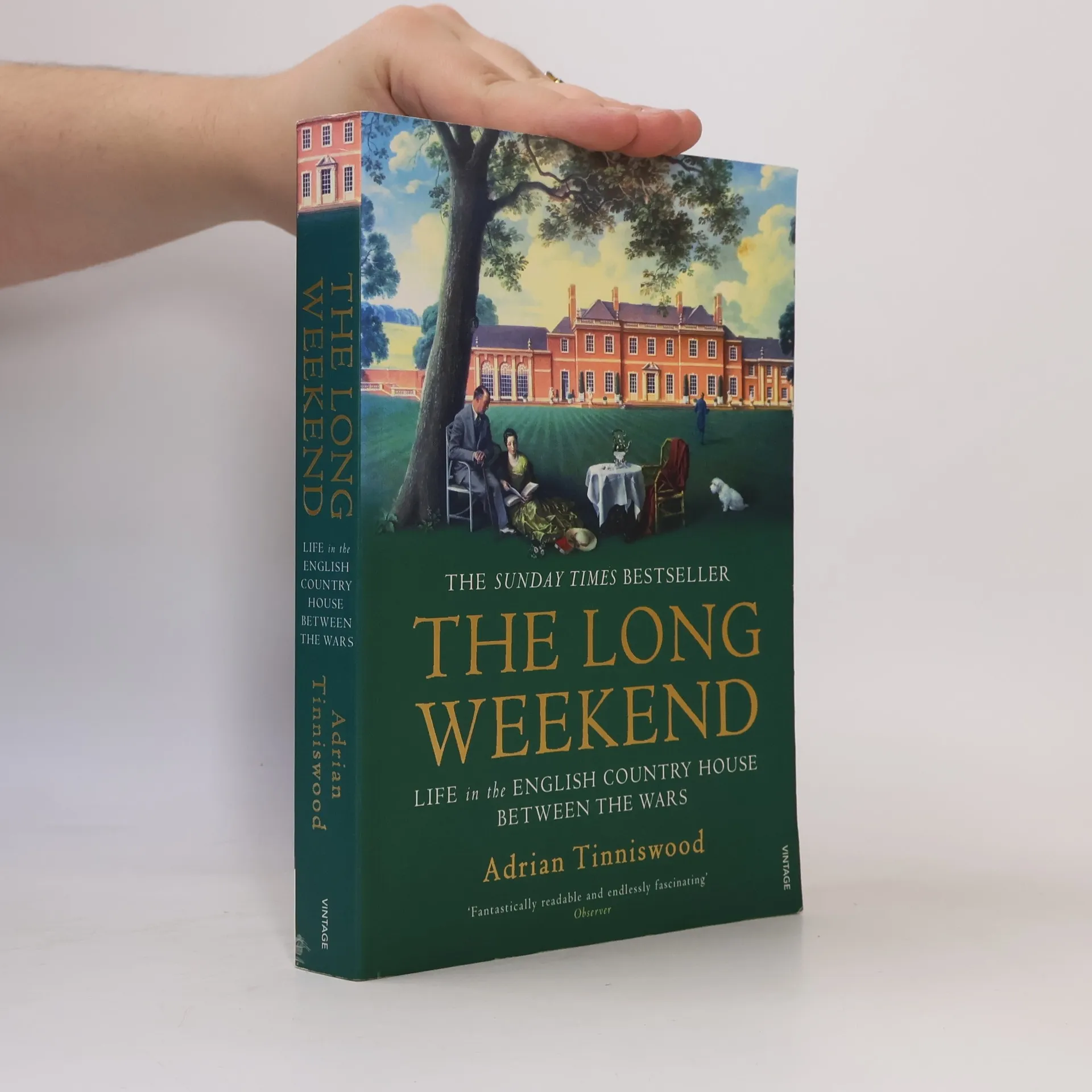
Set in the golden age before World War I, this prequel delves into the lavish lifestyles and intricate social dynamics of the late Victorian and Edwardian country houses. It captures the blend of privilege and hedonism among the elite, showcasing a diverse cast that includes nobility, self-made millionaires, and glamorous hostesses. As Britain flourished, these stately homes became symbols of opulence, revealing the absurdities and intrigues of a society where duty and honor coexisted with excess.
Wiadomości z życia brytyjskiej rodziny królewskiej wciąż podbijają media,
miliony osób na całym świecie codziennie śledzą z zaciekawieniem wszystkie
doniesienia zza bram Buckingham Palace. Monarchowie nie gotują. Nie ubierają
się samodzielnie, nie nalewają sobie picia ani nie ścielą łóżka. Podobno
przyszły władca Królestwa, jego posiadłości i terytoriów, nawet nie wyciska
sobie sam z tubki pasty do zębów, gdyż zadanie to należy do jednego z czterech
jego kamerdynerów, który nakłada pastę na królewską szczoteczkę ze zdobionego
srebrnego dozownika. Oficjalnie zdementowano za to inną słynną legendę o
rozpieszczaniu członków rodziny królewskiej, zgodnie z którą każdego ranka
przed księciem Walii stawiano siedem gotowanych jaj uszeregowanych według ich
twardości, każde opatrzone cyfrą oznaczającą liczbę minut gotowania, tak aby
mógł każdego spróbować i wybrać najbardziej mu odpowiadające. Szczodrze
sponsorowany przez swoich poddanych brytyjski dwór zatrudniał rzesze kucharzy,
pokojówek, lokajów, mamek, nianiek, ogrodników, sekretarzy i urzędników.
Pielęgnowane przez stulecia rytuały dworskie miały na celu utrwalenie wizji
monarchy jako osoby wyjątkowej, ważniejszej niż prezydenci czy milionerzy. A
jak lepiej to osiągnąć, niż udowadniając, że przyziemne czynności nie
przystoją monarsze. Na usługach królowej przez długi czas była choćby
pomocnica, która podawała monarchini wachlarz w sypialni, nalewała wodę do
mycia rąk i zdejmowała rękawiczki. Ale już wkładanie monarchini obuwia i
zdejmowanie go było domeną paziów. Tak było przez wieki, tak jest również
dziś. Nawet obecnie tysiące osób czuwają codziennie nad maksymalnym komfortem
zaledwie kilkorga osób z rodziny królewskiej. Co ciekawe, z czasem liczba
pracowników rosła dwór Elżbiety II zatrudnia dziś bowiem blisko 1200 osób,
podczas gdy jej babka, królowa Wiktoria miała ich zaledwie 921.