

In this book, Ulbe Bosma details how the British and Dutch introduced the
sugar plantation model in Asia around 1800, when abolitionist campaigns in the
Caribbean began, and refashioned it over time. Previously, European markets
had almost exclusively relied on Caribbean sugar produced by slave labor.
This work presents a comprehensive 2,500-year history of sugar, tracing its evolution from a luxury item in Asia to a global commodity linked to environmental devastation and the obesity crisis. For much of history, refined sugar was absent from human diets, as its extraction was labor-intensive and it served no essential dietary purpose. Granulated sugar first appeared in India around the sixth century BC, yet it remained largely marginal until its sudden proliferation in modern diets. The narrative begins with early sugar production and follows its journey through the Middle Ages, where limited quantities were traded among royalty. The demand for sugar in Europe, where cane could not be grown, led to a brutal search for supply, relying heavily on enslaved labor; two-thirds of the 12.5 million Africans transported across the Atlantic were destined for sugar plantations. By the twentieth century, sugar became a primary calorie source in Europe and North America, profoundly impacting cultures through industrialization, labor migration, and dietary changes. This commodity not only generated wealth and influenced government policies but also incited movements for freedom with far-reaching effects. Understanding sugar's history reveals the complexities of our current reliance on it and highlights the significant threats it poses to health, the environment, and society.
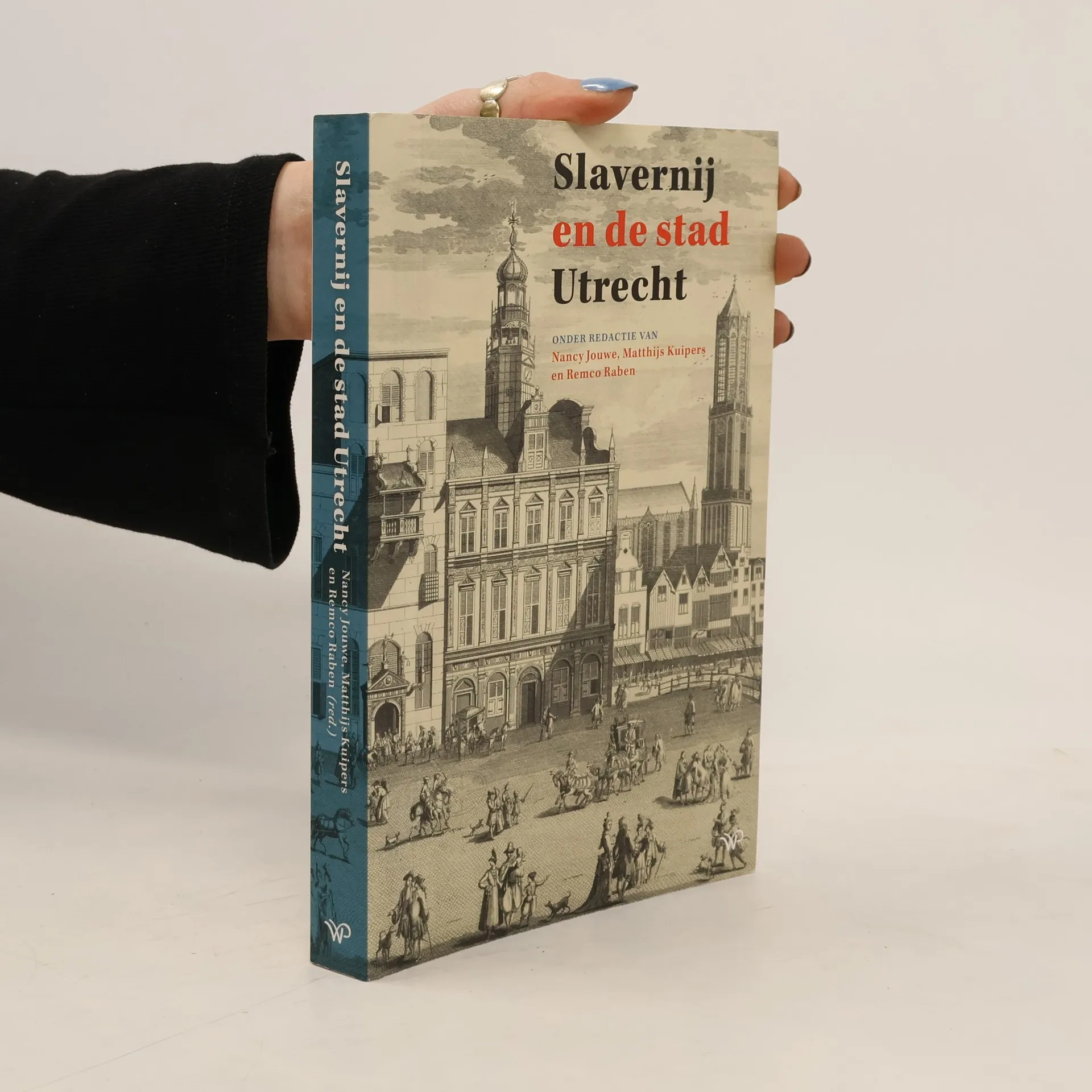
Net als andere bekende Hollandse bestuurs- en handelscentra was ook de stad Utrecht nauw betrokken bij de slavenhandel en slavernij. Maar hoe zag die verwikkeling - in de schaduw van steden als Amsterdam en Rotterdam - er eigenlijk uit? Hoe profiteerde Utrecht van de slavenhandel en de producten die uit slavenarbeid voortkwamen? Welke invloed had de bovenlaag van stedelijke bestuurders en investeerders op de levens van de vele tot slaaf gemaakten in Oost en West? En hoe zat het met de kerk? Waarom werd Utrecht een centrum van abolitionisme? Welke sporen van het koloniale verleden draagt de stad nu nog? En hoe gaan Utrechters vandaag de dag met de geschiedenis van slavernij om? In korte essays laten de schrijvers van Slavernij en de stad Utrecht vanuit steeds een ander perspectief hun licht schijnen op de Utrechtse betrokkenheid bij het mondiale slavernijverleden.