Linda Gordon ist eine renommierte Historikerin, deren Werk sich mit den Komplexitäten der Sozialgeschichte befasst, insbesondere mit den Erfahrungen und Rollen von Frauen. Ihre scharfsinnige Forschung beleuchtet oft übersehene Aspekte der Vergangenheit und bietet tiefgreifende Einblicke in gesellschaftliche Strukturen und deren Entwicklung. Gordons Schriften zeichnen sich durch akribische Recherche und fesselnde Erzählungen aus, wodurch historische Ereignisse für zeitgenössische Leser nachvollziehbar werden. Für ihre bedeutenden Beiträge zum Fach wurde sie mit renommierten Preisen ausgezeichnet.
Winner of the 2010 Bancroft Prize and finalist for the 2009 Los Angeles Times
Book Prize in Biography: The definitive biography of a heroic chronicler of
America's Depression and one of the twentieth century's greatest
photographers.
Prologue: From Equal Rights to Democratic Equality -- Part I Citizens of the World -- Sitting at the Common Table -- A Higher 'Standard of Life' for the World -- Part II Dreams Deferred -- A 'Parliament of Working Women' -- Social Justice Under Siege -- Pan-Internationalisms -- Part III New Deals -- Social Democracy, American-Style -- Women's New Deal for the World -- Part IV Universal Declarations -- Wartime Journeys -- Intertwined Freedoms -- Cold War Advances -- Part V Redreamings -- The Pivotal Sixties -- Sisters and Resisters -- Epilogue: Of the Many, By the Many, For the Many -- Abbreviations -- Notes -- Acknowledgments -- Index.
The book delves into the resurgence of the Ku Klux Klan in the 1920s, challenging common perceptions of its members and highlighting the group's role in fostering a Jim Crow racial hierarchy. It explores how the "second Klan" capitalized on xenophobia related to immigration, growing to millions of members through secretive rituals and sensationalist media. This history serves as both a cautionary tale and an expose, drawing unsettling parallels to contemporary issues of intolerance and hate in America. The inclusion of illustrations enhances the narrative.
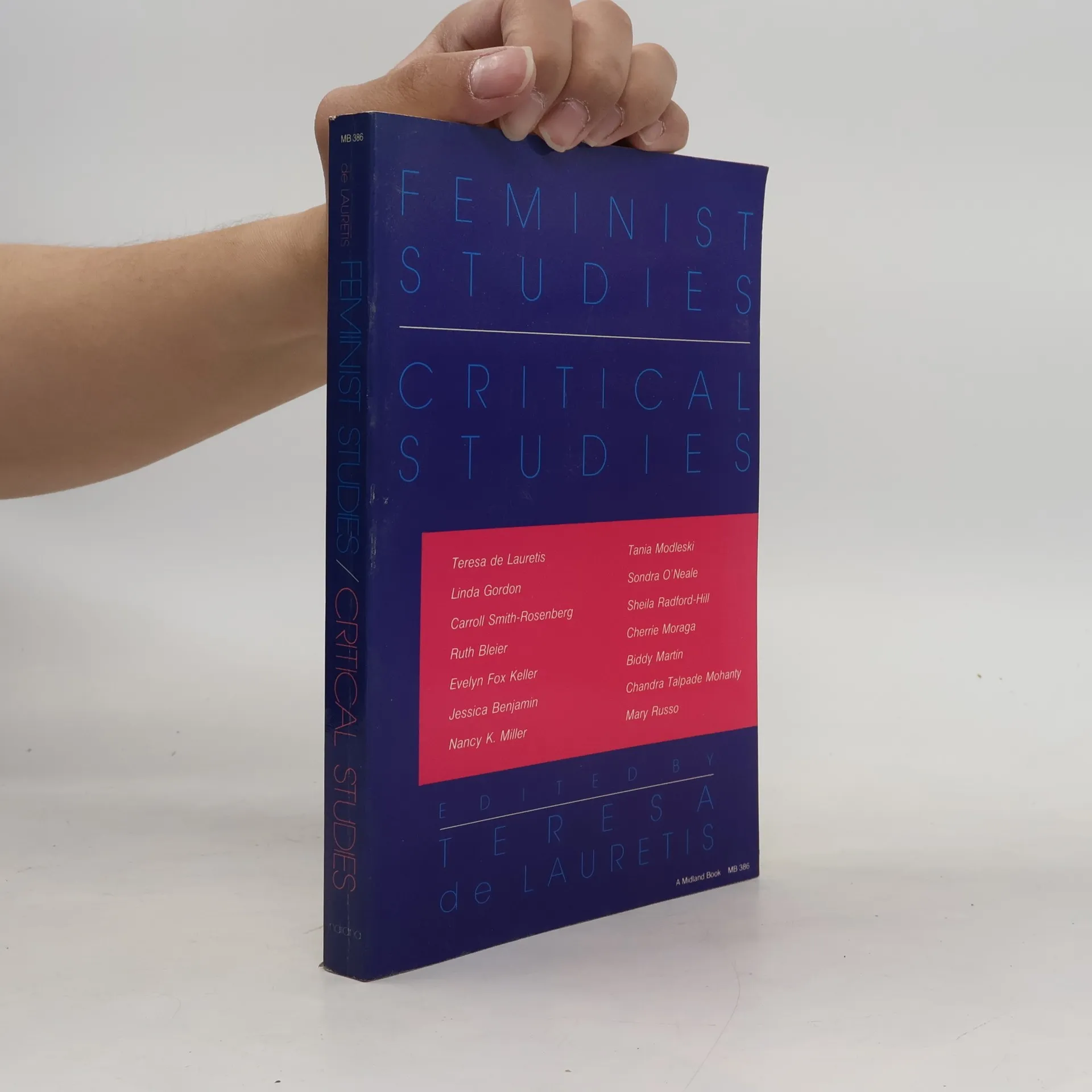
"This wonderful book does nothing less than to create the next stage of feminist thought." ―Catharine R. Stimpson"De Lauretis provides a way of thinking about feminism that accepts rather than tries to resolve differences, that refuses fixed definitional categories and insists instead on the contradictory and changing meaning of gendered identities." ―The Women's Review of Books"This is not a new collection but it is still one of the best." ―Exceptional Human ExperienceThe essays in this collection represent very recent developments in feminist research and writing in the areas of history, scientific discourse, literary criticism, and cultural theory.The contributors Teresa de Lauretis, Linda Gordon, Carroll Smith-Rosenberg, Ruth Bleier, Evelyn Fox Keller, Jessica Benjamin, Nancy K. Miller, Tania Modleski, Sondra O'Neale, Sheila Radford-Hill, Cherrie Moraga, Biddy Martin, Chandra Talpade Mohanty, and Mary Russo.