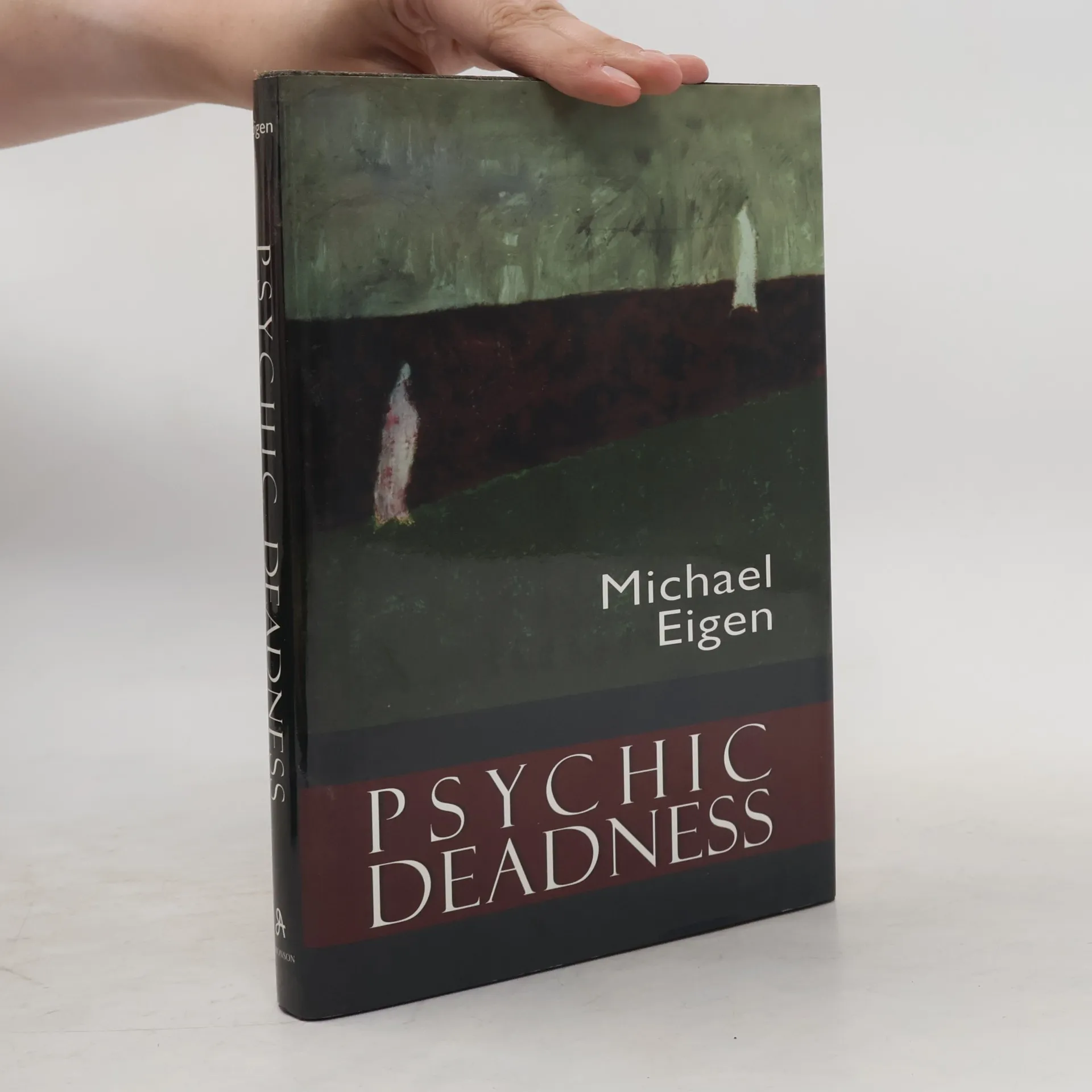
A collection of exceptional papers by Michael Eigen, selected and assembled by Adam Phillips, that represent 20 years of writing and 30 years of work. The papers examine the tension, caused by the conflict between poise and catastrophe, in the therapeutic relationship. This volume contains a thought-provoking introduction from Adam Phillips and includes introductory notes for the chapters and a detailed Afterword by Michael Eigen.
Advocating a call to the return to the spiritual in psychoanalysis, the author of this text illustrates his writing with the work of Bion, Milner and Winnicott. He expands on his call to celebrate and explore the meaning of mystical experience within psychoanalysis and considers how both patient and analyst to be immersed in each other. In the text he explores how this immersion restores and enriches, and drains.
Many people seek help because they feel dragged down by a sense of inner deadness that persists in an otherwise full and meaningful life. These individuals who seem filled with emotions somehow remain untouched by even their own inner experiences. This is a deadness that persists in the midst of plenty, a deadness that can cripple their entire life or part of it.This book portrays attempts to fathom psychic deadness, but more important, it shows what is involved in enduring and working with deadness on a day-to-day, session-by-session basis. Often, the therapy relationship becomes a laboratory in which varying states of deadness-aliveness can be tied to what is going on between patient and therapist, as well as in the patient's life. In many cases, according to Eigen, the emotional tone of the therapy can be the most important element. Patient and therapist work to discover what the patient is looking for, that is, the precise combination of psychic nutrients, responses, attitudes, and tones required for a given individual, or even a given moment, so that a person can begin to open, and the deadness can lift.
Delving into the connections between myth, dream, and daily life, this work examines how these elements shape both prose and poetry. It emphasizes the concept of psychic reality, utilizing psychoanalysis and Kabbalah as tools for self-exploration and personal growth. Through this lens, readers are invited to engage in a profound journey of understanding and transformation.
Focusing on the psychotic self, the book explores the intricate ordering-disordering processes that define it. It integrates theories from prominent figures such as Freud, Jung, and Winnicott, along with insights from object relations and self-psychologies. By analyzing the contributions of Bion and Elkin, it provides a comprehensive understanding of the complexities of psychosis and the psychological mechanisms at play.
Between 2007 and 2011, Michael Eigen gave three seminars in Seoul, each running over three days and covering different aspects of psychoanalysis, spirituality and the human psyche. This book is based on a transcription of the third seminar, which took place in 2011, on the subject of Pain and Beauty. The first two were published as Madness and Murder (2010) and Faith and Transformation (2011). A conjunction of the pain that shatters and beauty that heals is made by many authors, including Bion, Winnicott, Milner, Meltzer, Perls, Ehrenzweig, Matte-Blanco, Schneur Zalman, Chuang-Tzu, Buber, Castaneda, and Levinas. These and others are used as windows of the psyche, adding to possibilities of experience and opening dimensions that bring us life. Eigen explores challenges of the human psyche, what we are up against and the resources difficulties can stimulate. This work spans many dimensions of human experience with interplay, fusions and oppositions of pain, beauty, terror, and wonder, and makes use of poetic and philosophical expressions of experience. It will be vital reading for psychoanalysts, psychotherapists, and all those with an interest in psychoanalytic and spiritual psychology.
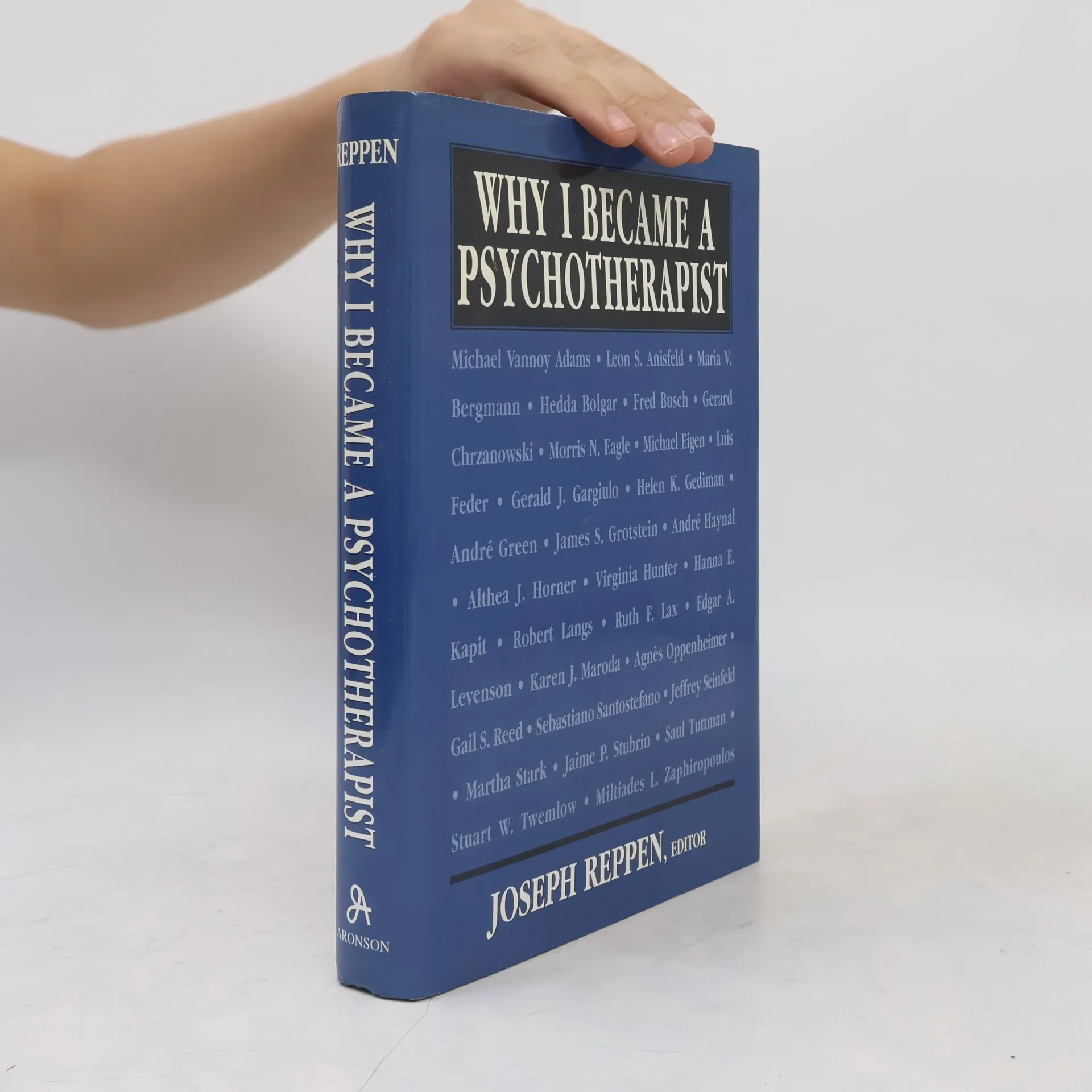
Mentoring intersects memoir as 31 illustrious psychotherapist share the origins of their professional ambitions and, mixing authority with levity, selectively describe their professional odysseys.