
Hélène Courtois ist eine französische Astrophysikerin, deren Forschung sich auf die Kosmographie konzentriert. Sie ist Professorin und Vizepräsidentin an der Universität Lyon 1 und leitet ein Forschungsteam am Lyoner Institut für Kernphysik. Ihre Arbeit konzentriert sich auf die Kartierung des Universums und das Verständnis seiner riesigen Strukturen. Durch ihre Beiträge bietet Courtois den Lesern einen faszinierenden Einblick, wie wir den Kosmos und unseren Platz darin verstehen.
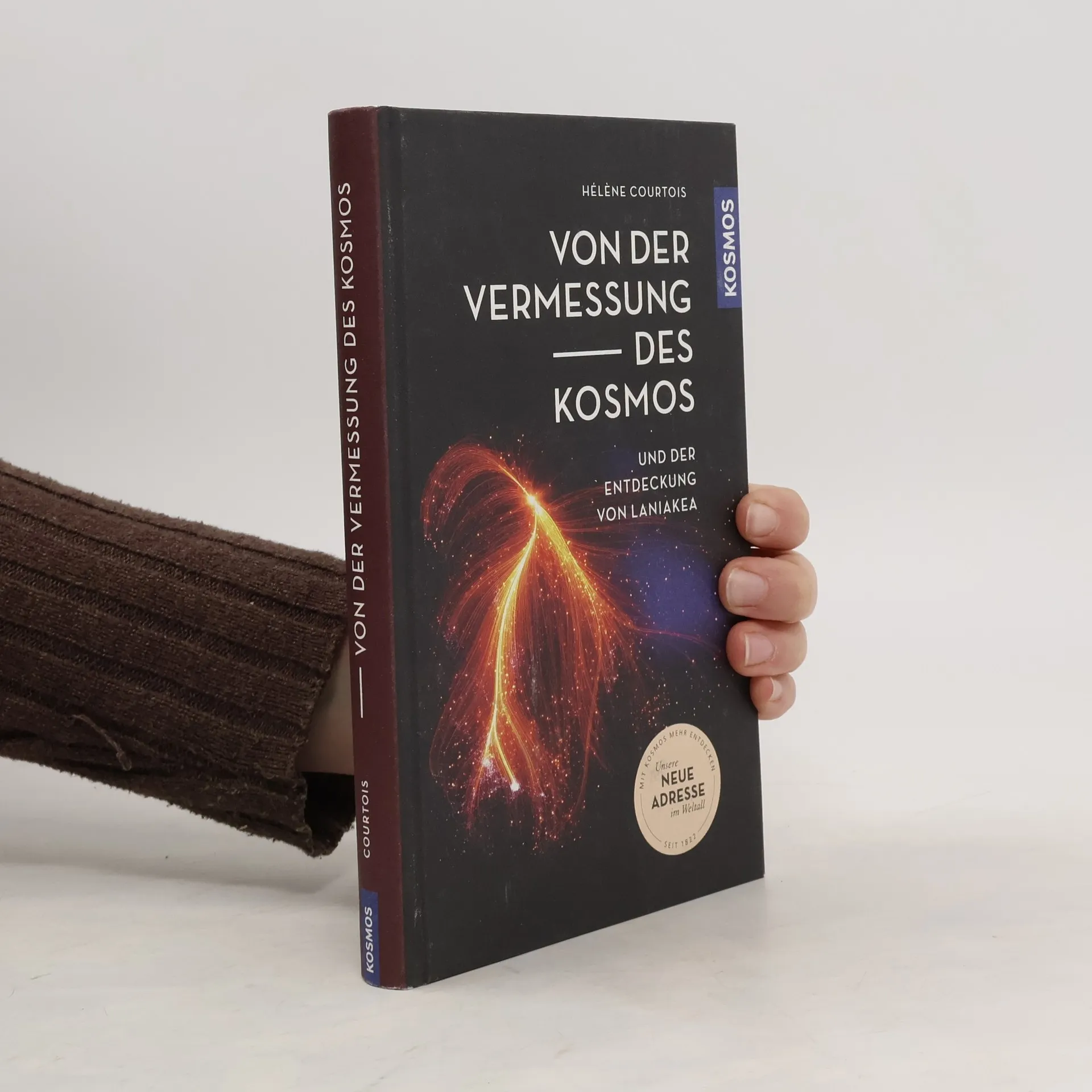
Als die Astrophysikerin Hélène Courtois mit ihrem Team begann, eine Karte des gesamten Universums zu erstellen, ahnte sie nicht, dass sie die neue Adresse unserer Erde finden würde: in einem gigantischen Haufen aus Millionen kleinen und 100.000 großen Galaxien. Die Forscher*innen nannten diesen Super-Galaxienhaufen Laniakea, das ist hawaiianisch für „unermesslicher Himmel". Hélène Courtois berichtet mitreißend über ihren langen Weg zur Entdeckung von Laniakea und vermittelt dabei komplexe Zusammenhänge auf leicht verständliche Weise. Eine spannende Reise von den ersten Schritten zur Vermessung des Weltalls bis hin zu neuesten spektakulären Entdeckungen.
As we approach the end of the 'era of the witness', given the passing on of the generation of Holocaust survivors, Claude Lanzmann's archive of 220 hours of footage excluded from his ground-breaking documentary Shoah (1985) offers a remarkable opportunity to encounter previously unseen interviews with survivors and other witnesses, recorded in the late 1970s.Although the archive is all available freely to view online and includes extra footage of those who appear in Shoah , this book focuses on the interviews from which no extracts appear in the finished film or in any subsequent release. The material analysed features interviews with such significant figures as the former partisan Abba Kovner, wartime activist Hansi Brand, Kovno Ghetto leader Leib Garfunkel, rescuer Tadeusz Pankiewicz and members of Roosevelt's War Refugee Board, and focuses throughout on the efforts at rescue and resistance by those within and outside occupied Europe.Sue Vice contends that watching and analysing this wholly excluded footage gives us new insights into the making of Shoah through what was left out. Moreover, she reveals that the near-impossibility of rescue and often suicidal implications of resistance emerge through these excluded interviews as inextricable from the process of genocide. She concludes by arguing that the outtakes show the potential for new filmic forms envisaged on Lanzmann's part in order to represent the crucial topics of attempted Holocaust rescue and resistance.
Nasza galaktyka i jej sąsiedzi mkną przez wszechświat w zdumiewającym tempie
kilkuset kilometrów na sekundę. Fakt ten jest znany od początku lat 60.
ubiegłego wieku. W tym czasie astrofizycy nie byli jeszcze w stanie w pełni
wyjaśnić przyczyn tego zjawiska. W latach 90., amerykańscy naukowcy wskazali,
że ruch ten może być związany z oddziaływaniem ogromnej masy tzw. Wielkiego
Atraktora. Poszukując Wielkiego Atraktora, zespół badawczy, do którego
należała nasza Autorka, odkryli supergromadę galaktyk, do których należy nasza
Droga Mleczna. Nazwali ją Laniakea (z hawajskiego „niezmierne niebiosa”). Ta
książka ma na celu podzielenie się historią tego ogromnego odkrycia. Autorka w
jasny i prosty sposób dokonuje przeglądu Wszechświata i rządzących nim praw
fizyki.