
Exploring the profound theme of loss, this book delves into the historical extinction of species worldwide. It offers a unique perspective on the emotional and ecological implications of these losses, inviting readers to reflect on the interconnectedness of life and the impact of environmental changes. Through poignant narratives and insightful analysis, the author crafts a compelling dialogue about humanity's relationship with nature and the urgent need for awareness and action in the face of ongoing biodiversity crises.
Lydia Pyne Bücher


Postcards
- 256 Seiten
- 9 Lesestunden
A history of the postcard, which created connections between people, places and beliefs.
Bookshelf
- 152 Seiten
- 6 Lesestunden
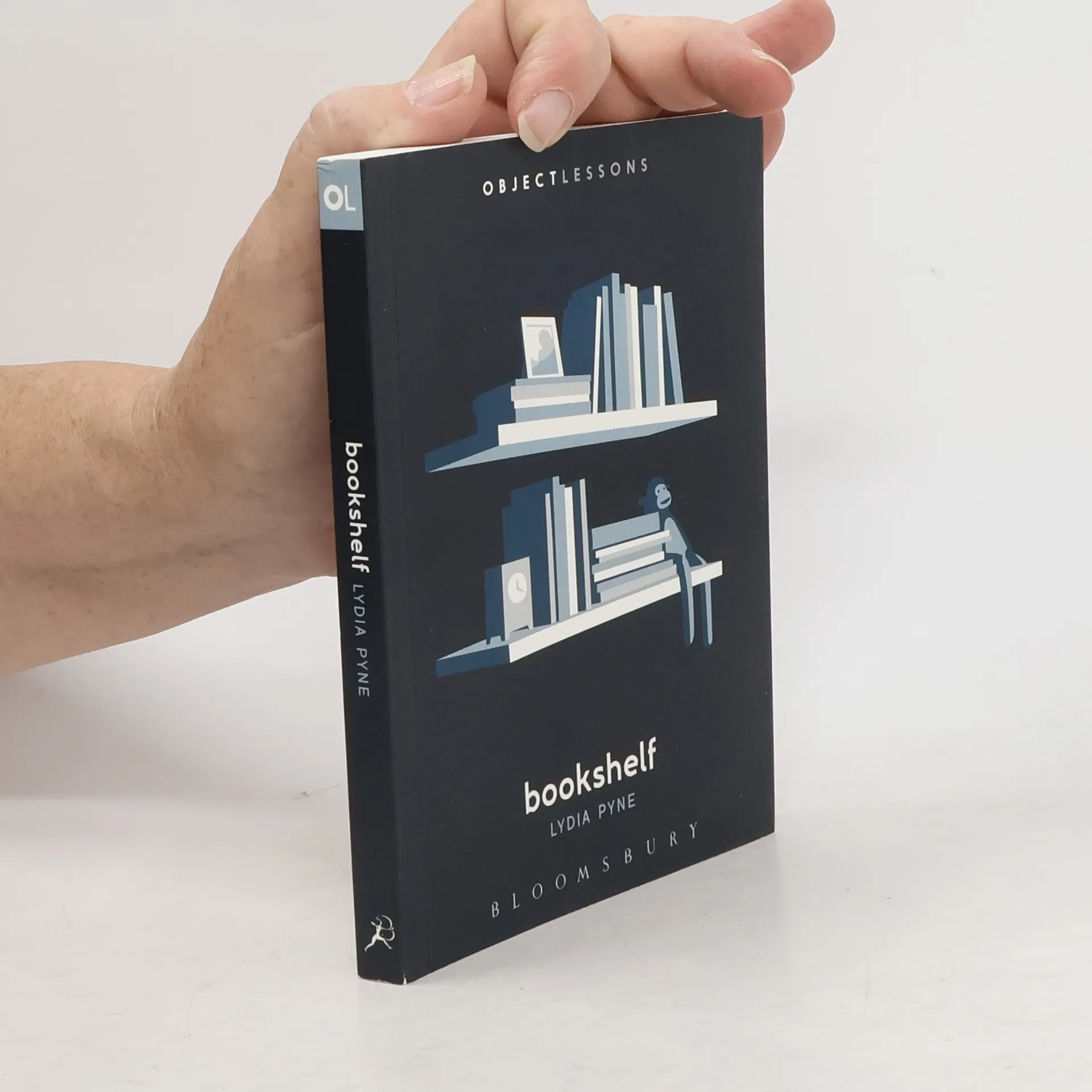
"Object Lessons is a series of short, beautifully designed books about the hidden lives of ordinary things. You might think that its name says it all. A bookshelf is just that - a shelf for books. It's the stuff of libraries, offices, and the bane of movers' existence. But every shelf is different and every bookshelf tells a different story. One bookshelf can creak with character in a bohemian coffee shop and another can groan with gravitas in the Library of Congress. Bookshelf takes an almost meta-approach to the object studies aim of Object Lessons: exploring the stacks as well as our bedside tables, writer and historian Lydia Pyne unpacks not just the material parts but the secret lives of bookshelves. Pyne finds bookshelves to be holders not just of books but of so many other things: values, vibes, and verbs that can be contained and displayed in the buildings and rooms of contemporary human existence. With a shrewd eye toward this particular moment in the history of books, Pyne takes the reader on a tour of the bookshelf that leads critically to this juncture: amid rumors of the death of book culture, why is the life of bookshelf in full bloom?Object Lessons is published in partnership with an essay series in the The Atlantic"-- Provided by publisher
Czego uczą nas podróbki? Czy autentyczny obraz Andy’ego Warhola musi być namalowany przez niego, a średniowieczne malowidło może powstać w XIX wieku? Czy sztuczny diament stworzony w laboratorium jest prawdziwy? Lydia Pyne, pisarka i historyczka, w fascynujący sposób bada obiekty, które nie mogą być jednoznacznie klasyfikowane. Opowieści o podrabianych dziełach sztuki, fałszywych skamielinach, inscenizowanych filmach przyrodniczych i sztucznych aromatach pokazują, jak cienka jest granica między prawdą a fałszem. Książka ukazuje, że historia ludzkości jest nierozerwalnie związana z fałszerstwami i mistyfikacjami, które uznano za oryginały. To, czy uznamy obiekty za autentyczne, zależy od nas. Warto wiedzieć, że ujęcia do filmu o Arktyce kręcono w parku dzikich zwierząt w Niemczech, a 500 artystów przez dwa lata tworzyło kopię paleolitycznej Jaskini Chauveta. Książka jest ważna w kontekście fake newsów i dążeń do autentyczności, skłaniając do refleksji i dostarczając rozrywki. Pyne z energią i pomysłowością bada, jak cienka jest granica między prawdą a fałszem, ukazując ludzkie dziwactwa, które czynią nas podatnymi na oszustwa. Autorka jest profesorem wizytującym w Instytucie Badań Historycznych Uniwersytetu Teksańskiego w Austin.