

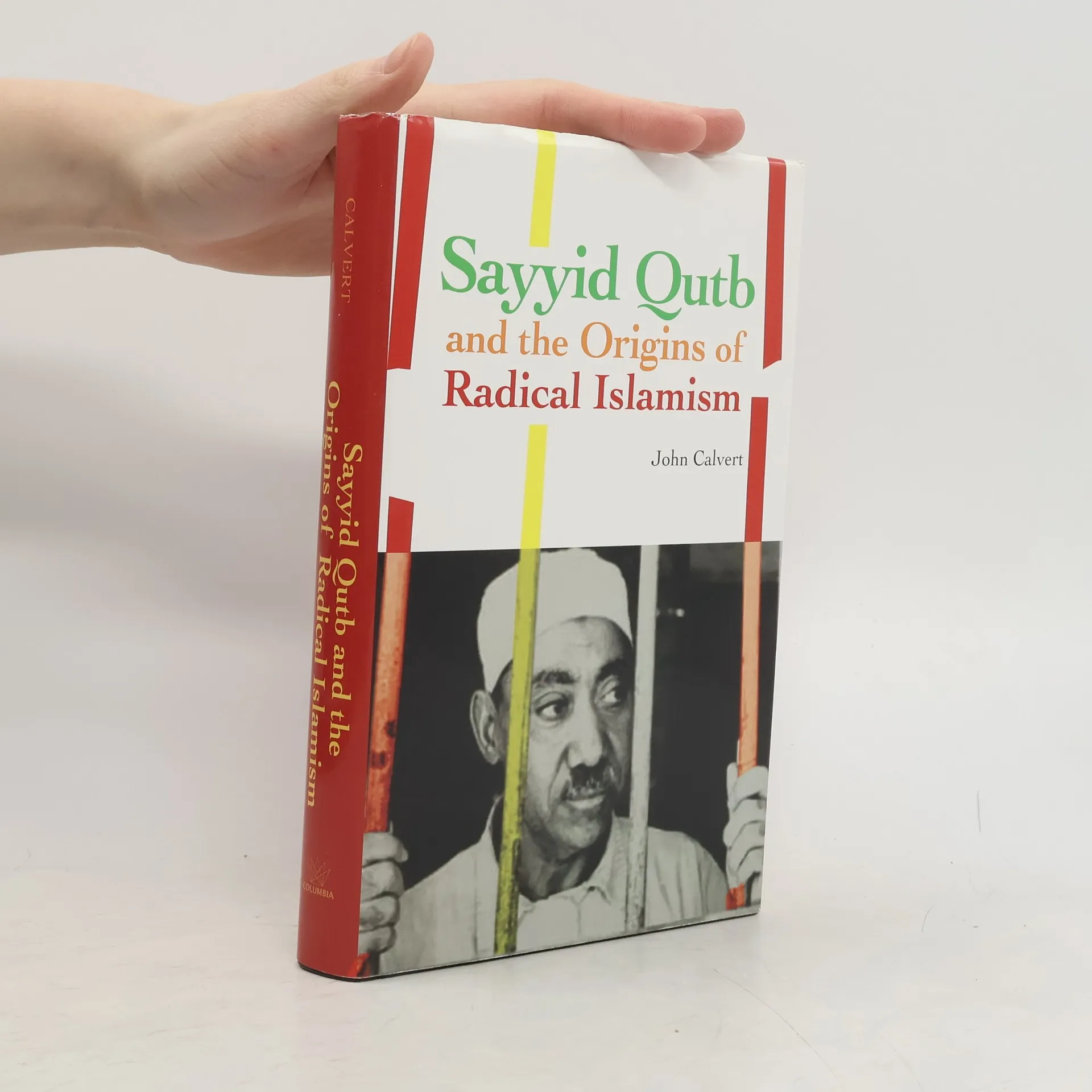
Sayyid Qutb and the Origins of Radical Islamism
- 256 Seiten
- 9 Lesestunden
Sayyid Qutb (1906-1966) was a pivotal Egyptian ideologue who laid the groundwork for radical Islamism in the postcolonial Sunni Muslim world. The popular media often misrepresents Qutb, conflating his moral vision with the violent aims of figures like Osama bin Laden and al-Qaeda, labeling him a terrorist and advocate of murder. John Calvert, an expert on social protest and political resistance, seeks to clarify Qutb's legacy and trace the evolution of his thought within the historical context of his time. Calvert details Qutb's journey from his rural upbringing to his execution under Abd al-Nasser's regime, highlighting the cultural, political, social, and economic factors that influenced his ideas during a transformative period in Egyptian history. This era included the decline of British colonial rule, the rise of Egyptian nationalism, and the dominance of the Free Officers. Although Qutb interacted with prominent figures like Taha Husayn and Naguib Mahfouz, his initial Islamism was not rooted in religion. It was only after his traumatic imprisonment that he began to see Islam and kufr (infidelity) as fundamentally opposed. Calvert illustrates how Qutb reinterpreted Islamic heritage to challenge authority, particularly those he believed misrepresented Islam.