

Intermediate microeconomics is both fun and intellectually challenging in this new edition, written by the author of The Armchair Economist, the popular trade book that explains basic economics to the general public. The text provides an exceptionally friendly and application-rich presentation, combined with a rigorous and careful development of microeconomic theory. All of the standard topics of intermediate price theory are included, as well as innovative topics such as alternative normative criteria, efficient asset markets, contestable markets, antitrust law, human capital, and the demand for public goods. A unique unifying theme of social welfare is used with little higher-level mathematics.
Steven Landsburg Bücher
24. Februar 1954

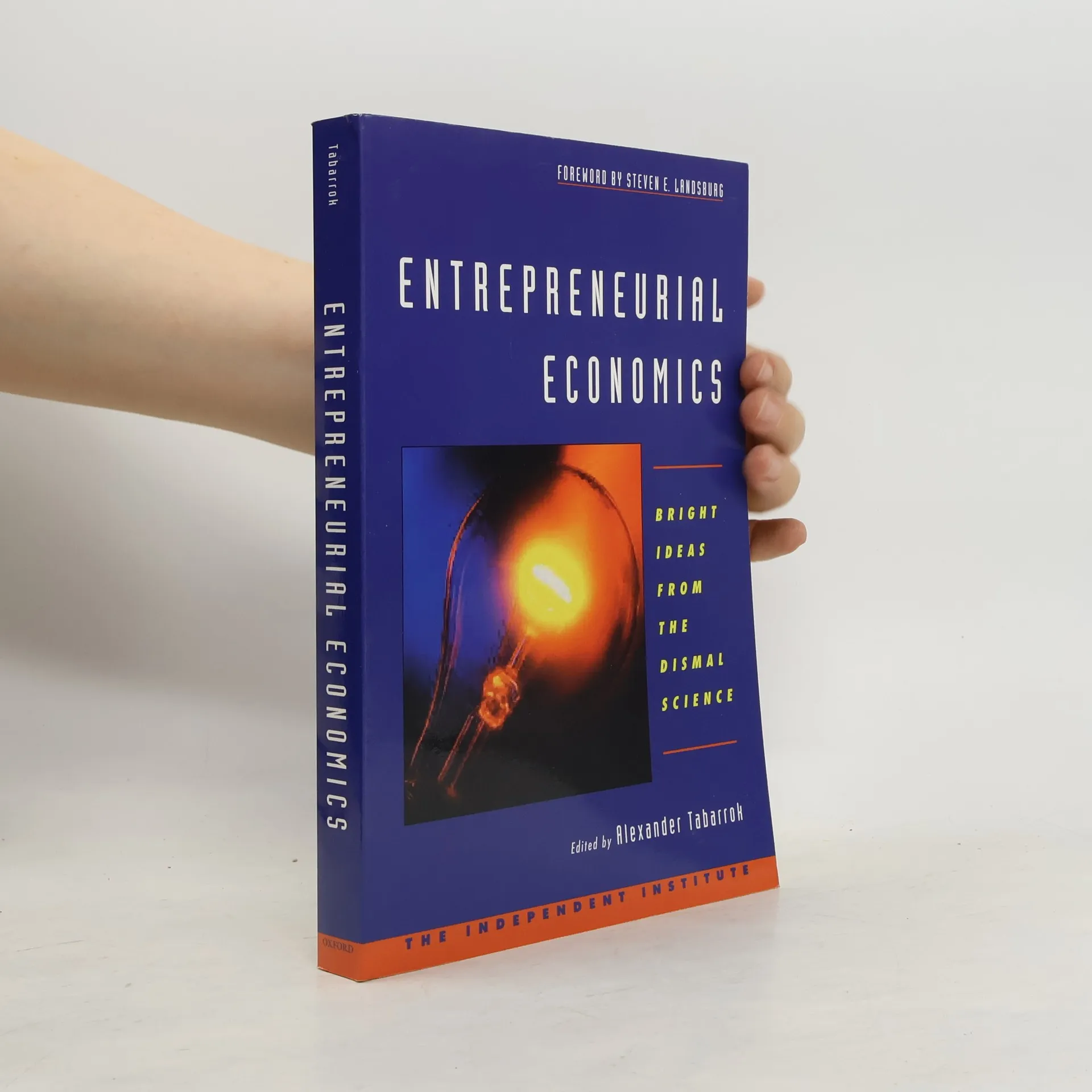

This intriguing collection is designed to show how economists can play a more active role in designing and directing the nation's social institutions. By taking the task of political economy seriously, the contributors (including some of today's most distinguished economists) reveal the power of economic thought to offer innovative solutions to some of the most difficult problems facing society today. By creating markets where none existed before, the authors propose efficient, reliable, and profitable improvements to current systems of health insurance, financial markets, human organ distribution, judicial practice, bankruptcy and securities regulation, patenting, and transportation. Written in the entrepreneurial spirit, these essays show economics to be an ambitious, dynamic, and far-from-dismal science.
Witty economists are about as easy to find as anorexic mezzo-sopranos, natty mujahedeen, and cheerful Philadelphians. But Steven E. Landsburg...is one economist who fits the bill. In a wide-ranging, easily digested, unbelievably contrarian survey of everything from why popcorn at movie houses costs so much to why recycling may actually reduce the number of trees on the planet, the University of Rochester professor valiantly turns the discussion of vexing economic questions into an activity that ordinary people might enjoy. -- Joe Queenan, The Wall Street Journal The Armchair Economist is a wonderful little book, written by someone for whom English is a first (and beloved) language, and it contains not a single graph or equation...Landsburg presents fascinating concepts in a form easily accessible to noneconomists. -- Erik M. Jensen, The Cleveland Plain Dealer ...enormous fun from its opening page...Landsburg has done something extraordinary: He has expounded basic economic principles with wit and verve. -- Dan Seligman, Fortune
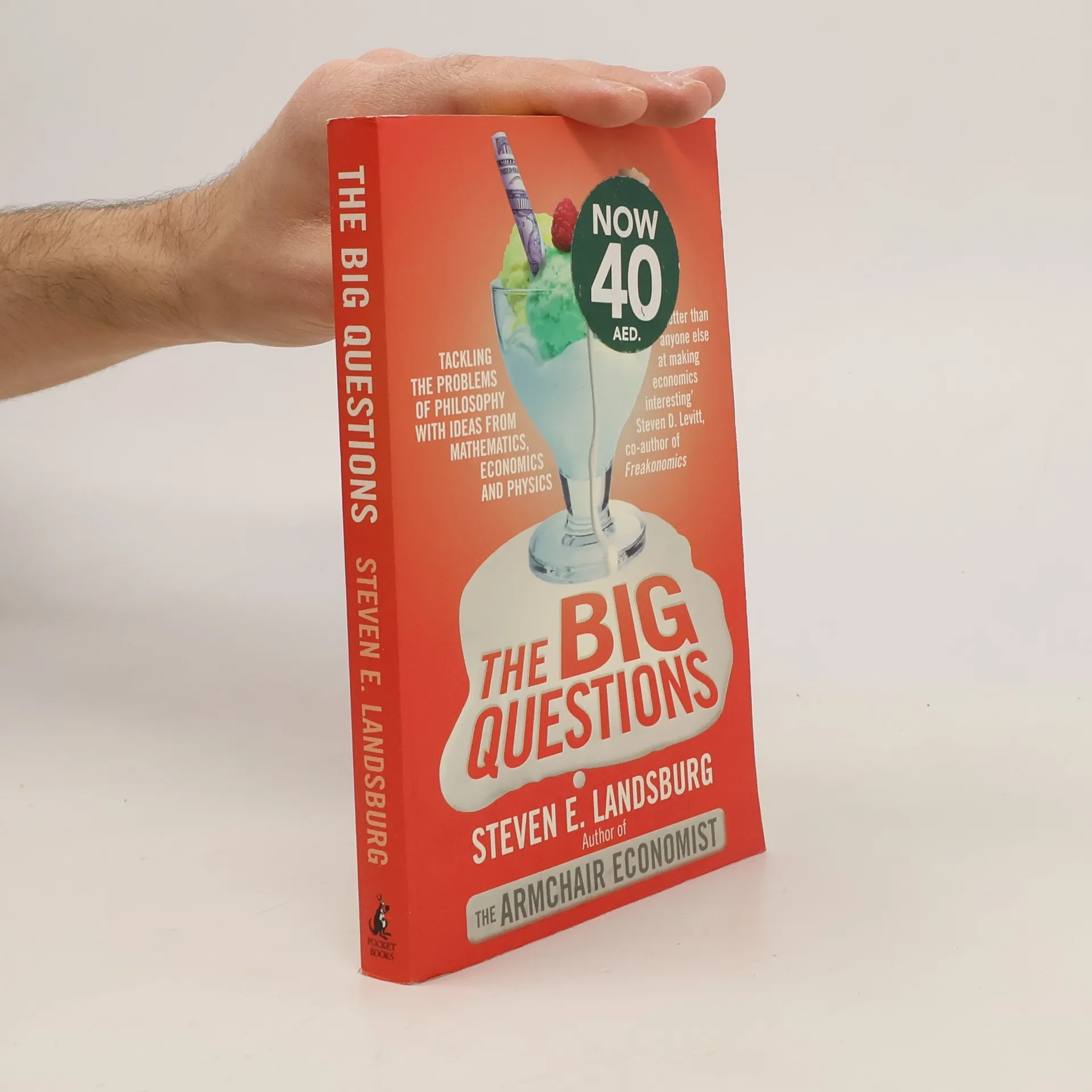
The Big Questions
Tackling the Problems of Philosophy with Ideas from Mathematics, Economics, and Physics
- 267 Seiten
- 10 Lesestunden
In the wake of his enormously popular books "The Armchair Economist "and "More Sex Is Safer Sex," Slate columnist and economics professor Steven Landsburg employs concepts from mathematics, economics, and physics in this sprightly tour of the deepest problems in philosophy: What is real? What can we know? Why is there something instead of nothing? And how should we live?Beginning with the broadest philosophical issues--theories of existence, knowledge, and ethics--Landsburg then turns to a dazzling variety of specific applications. He gives us a mathematical analysis for arguments for the existence of God; explains the real meanings of the Heisenberg uncertainty principle and Godel's incompleteness theorem; and carefully dissects the meaning of social responsibility on the playground, in the marketplace, and in the voting booth. Stimulating, illuminating, and always surprising, "The Big Questions "reveals the relationship between the loftiest philosophical quests and our everyday lives.
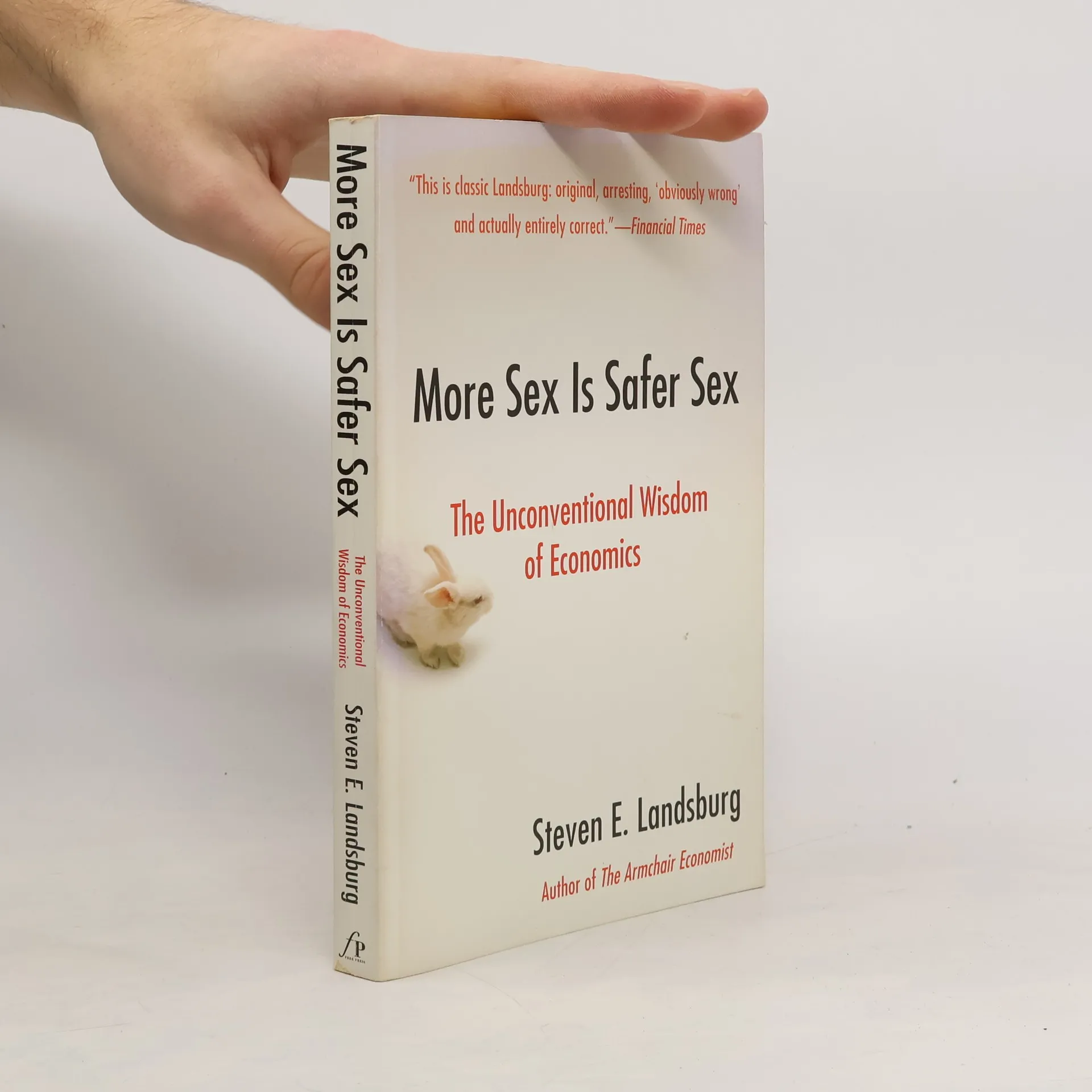
A witty and sharp exploration of how our individually rational decisions can lead to bizarre collective outcomes, along with humorous and serious solutions to various issues. Economics has evolved from the "dismal science" of the past, thanks to a new generation of economists who explain everyday behavior in accessible and entertaining language. Steve Landsburg, a pioneer in this movement, returns with provocative insights. He illustrates how our rational choices, when combined, can result in irrational crowd behavior—like standing at a ballpark where no one can see, or avoiding casual sex out of fear, which paradoxically makes it more dangerous. Landsburg proposes intriguing rule changes to "game the system," such as charging juries when a convicted felon is exonerated, or having Congress members represent voters chosen alphabetically. He even suggests addressing overpopulation by encouraging more children to innovate resource use. This book will not only entertain and provoke debate but also inspire readers to rethink their perspectives on the world in memorable ways.