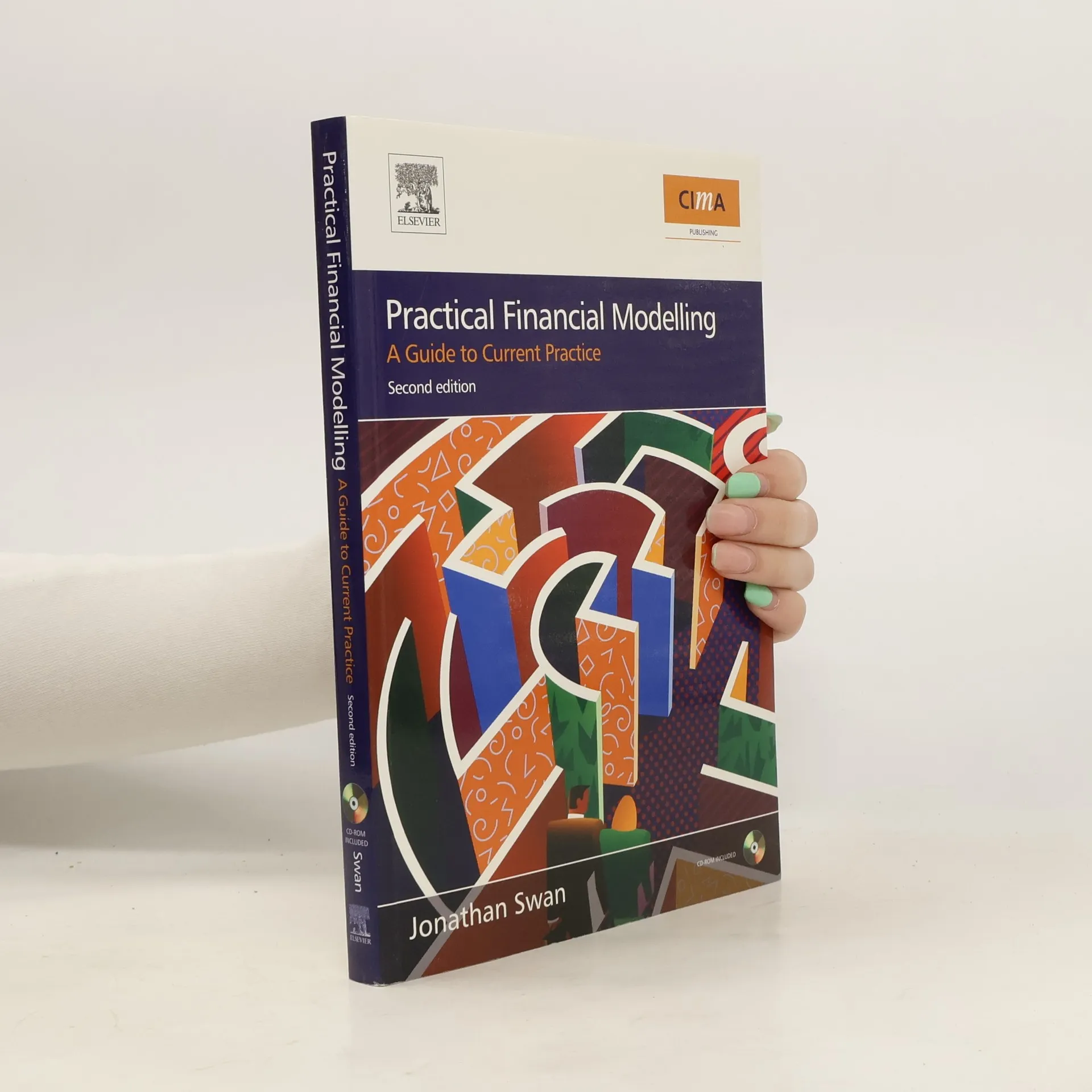
This second edition of Practical Financial Modelling is vital tool for all finance and management professionals whose work involves the production an development of complex spreadsheets and financial models. The author bridges the gap between the Excel manual and financial literature with a wealth of practical advise and useful tips. Now includes: Instructive information on Excel 2007 and its enhanced modelling functions and feature; Risk controls in developing and using financial models; Test-yourself modelling problems and applied examples in every chapter; Substantial information related to reporting and charting techniques and an appendix devoted to parallel comparison of how-to in Excel 2003 and 2007. The book identifies good practice and highlights those areas which are prone to error and inconsistency resulting in a refreshingly simple approach to building and using financial models suitable for novice and experienced modellers. By using practical worked examples the most effective ways in which problems can be solved are explored. Key themes include: model structure, audit formulae and functions and model use. * Updated to include how-to-do-it in the new Excel 2007 * Now covers Excel's in-built audit functionality, and reporting and charting techniques * How-to approach to financial modelling and budgeting, with numerous worked examples
Jonathan Swan Bücher