

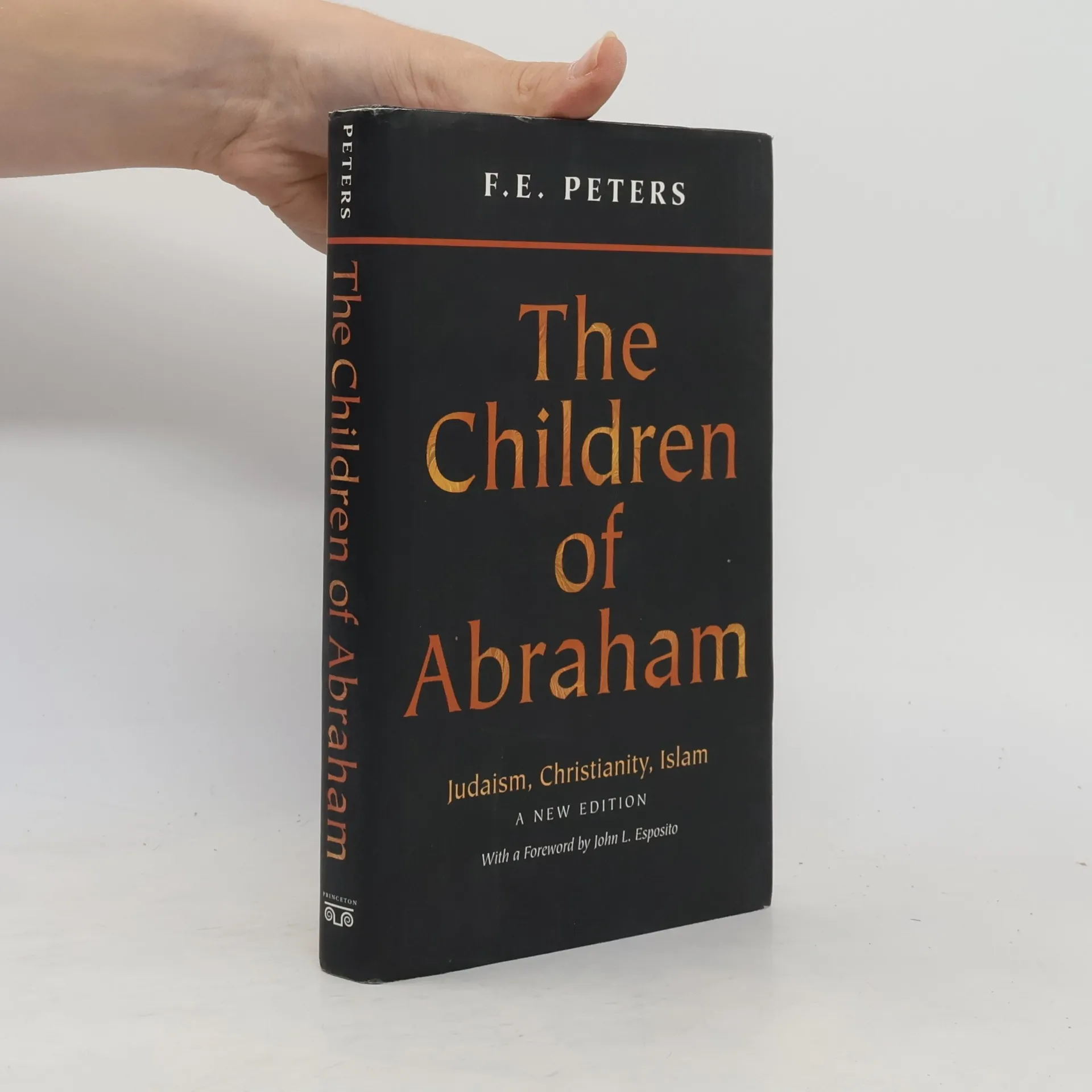
F.E. Peters, a leading scholar in the comparative study of Judaism, Christianity, and Islam, revisits his groundbreaking work after twenty-five years, rethinking and rewriting it for a new generation. His exploration of these three faiths, initiated in the 1970s, predates the contemporary trend of examining Islam alongside Judaism and Christianity. In this updated edition, Peters clearly outlines the similarities and differences among these religious siblings, maintaining the remarkable objectivity characteristic of his scholarship. He traces the evolution of the three faiths from the sixth century B.C., when Jews returned to Palestine from Babylonian exile, through the Middle Ages when they began to take their current forms. Notably, he highlights that all three groups, referred to by Muslims as People of the Book, share significant commonalities, particularly the worship of a God who intervenes in history for His people. The text is direct and accessible, featuring thorough discussions of each religion. Updated footnotes offer expert insights into the complex issues woven throughout this compelling and timely edition, enhancing the reader's understanding of these interconnected traditions.
Francis E. Peters Reihenfolge der Bücher (Chronologisch)
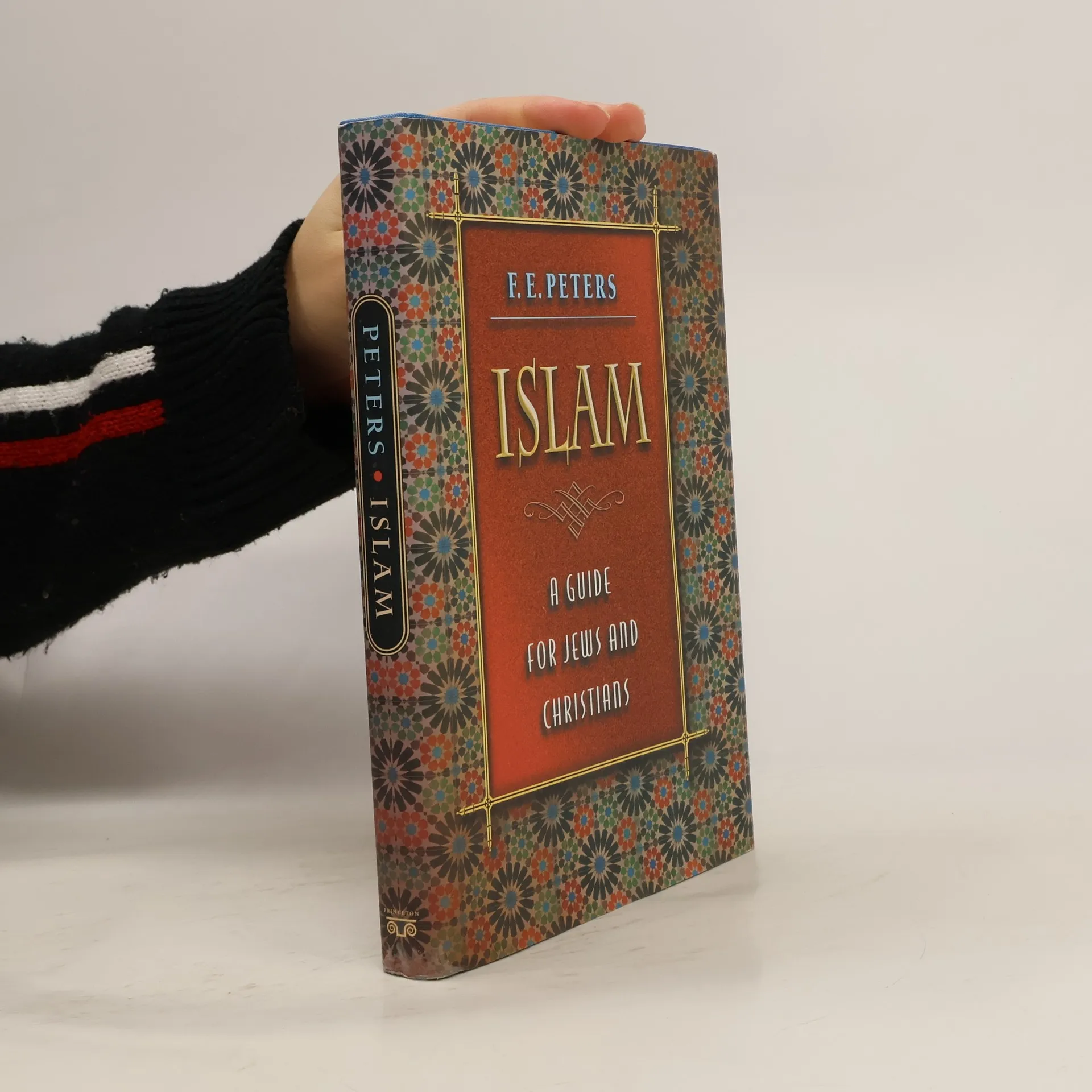
The Quran, a sacred text, resonates deeply with themes from the Old and New Testaments. It emerged during a rich period of interaction among monotheists, where Jews, Christians, and Muslims shared worship of the same God and often lived in close proximity, indistinguishable by culture or language. In contrast to this historical commonality, contemporary understanding of Islam is often limited, especially among non-Muslims. This book serves as an entry point for readers with Christian or Jewish backgrounds, introducing them to one of the world's largest and most active religions. Frank Peters, a leading authority on monotheistic faiths, emphasizes the Quran's central role and its familiar narratives involving figures like Adam, Noah, and Jesus. He highlights the Quran's unique interpretations of biblical events and addresses aspects that may be foreign to Western audiences, including its didactic elements and poetic nature. Peters further elucidates key features of Islam, such as the significance of Mecca, Muhammad's revelations, and the formation of the Muslim community, all in relation to Judeo-Christian traditions. He compares the figures of Jesus and Muhammad, outlines Islamic commandments and rituals, and details the structures of Sunni and Shi'ite communities. The book provides a crucial and accessible understanding of Islam, especially relevant in today's context.
Judaism, Christianity, and Islam
- 440 Seiten
- 16 Lesestunden
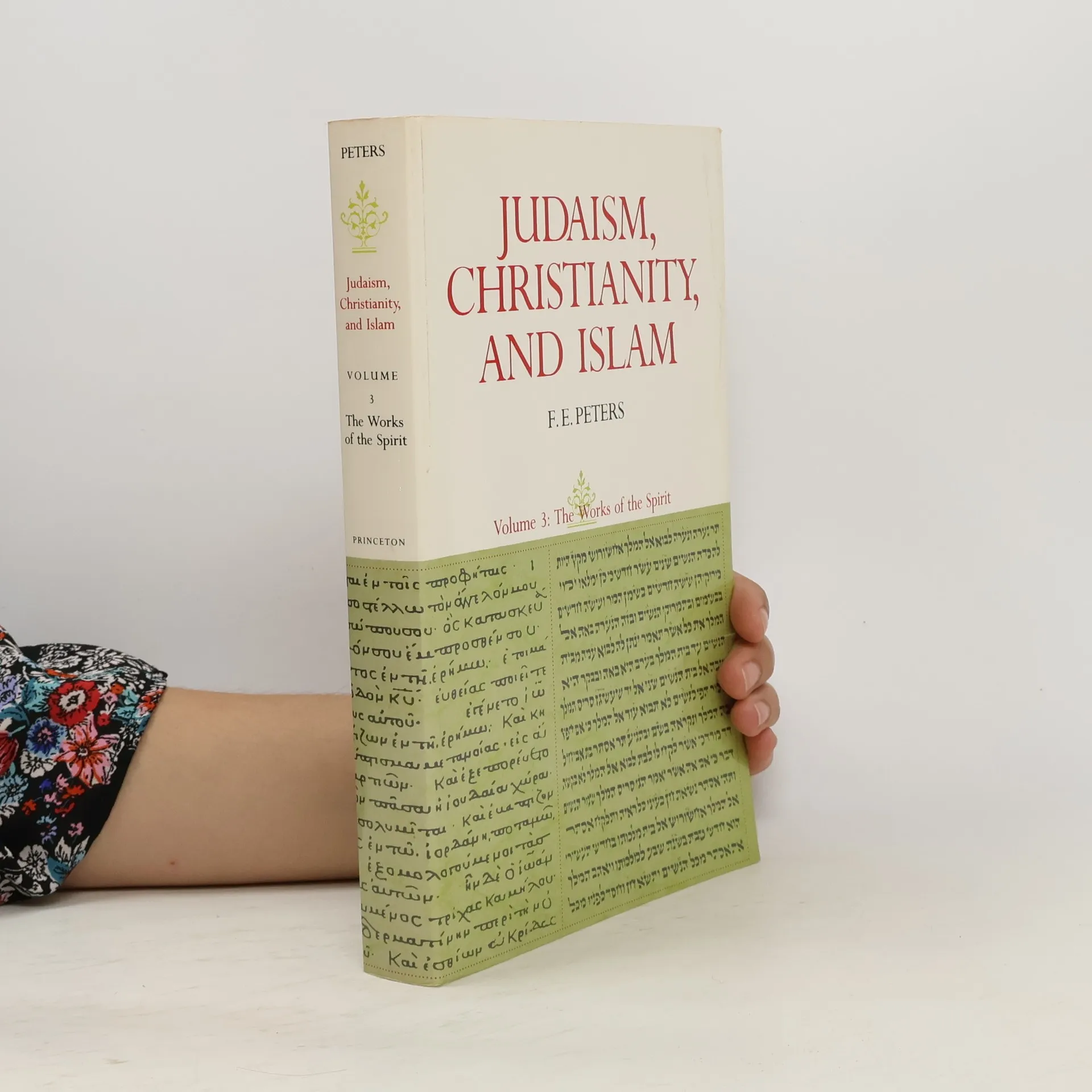
F.E. Peters has taken the basic texts of the three related--and competitive--religious systems we call Judaism, Christianity, and Islam and has juxtaposed them in a topical and parallel arrangement according to the issues that most concerned all these "children of Abraham." Through these extensive passages, and the author's connective commentary, the three traditions are shown with their similarities sometimes startlingly underlined and their well-known differences now more profoundly exposed. What emerges from this ambitious work is a panorama of belief, practice, and sensibility that will broaden our understanding of our religious and political roots in a past that is, by these communities' definition, still the present. Throughout the work we hear an amazing variety of voices, some familiar, some not, all of them central to the primary and secondary canons of their own tradition: alongside the Scriptural voice of God are the words of theologians, priests, visionaries, lawyers, rulers and the ruled. -- From publisher description.