1857 schlägt die Geburtsstunde der modernen Lyrik: Charles Baudelaire veröffentlicht seine »Fleurs du Mal«. Zwei Wochen später hat er einen Prozess wegen Gotteslästerung und Verstoß gegen die öffentliche Moral am Hals. Er wird verurteilt, sechs Gedichte müssen entfernt werden. Diese Ausgabe enthält sämtliche Gedichte der Erstauflage, außerdem die, die Baudelaire in späteren Ausgaben hinzugefügt hat, sowie eine Dokumentation zum Prozess. Die gereimte Versübersetzung von Monika Fahrenbach-Wachendorff setzt sich zum Ziel, Baudelaires Text, vor allem seine Bilder, genau wiederzugeben und die Dichte und Eindringlichkeit des Originals zu bewahren.
Cyril Scott Reihenfolge der Bücher (Chronologisch)
27. September 1879 – 31. Dezember 1970





Černý zázrak
Surová černá melasa z cukrové třtiny, zázračná přírodní potravina
Der Erlebnisbericht eines geistigen Suchers, der seine langjährige Schulung durch einen Meister der Weisheit beschreibt. Es gibt kaum ein vergleichbares Werk der modernen esoterischen Literatur, das auf so faszinierende und ungemein packende Art und Weise Leben und Werk eines großen Eingeweihten schildert. Dieses überaus spannende Buch zeigt, dass die „Meister“ nicht in unzugänglichen Höhlen im Himalaya leben, sondern im Hier und Jetzt ihr segensreiches Wirken entfalten - wenngleich weithin unbemerkt von ihrer Umgebung. Die großen Wissenden sehen und erkennen die Sorgen, Nöte und Schwächen der suchenden Menschheit, und sie setzen ihre ganze Kraft dafür ein, Licht und Inspiration auf der Erde zu verankern. Ein Weisheitsbuch, das voller Humor und aus tiefer Erkenntnis heraus jedem ernsthaft suchenden Menschen ein Licht auf seinem eigenen Weg sein wird! Der zweite Band schildert die Erlebnisse des Verfassers mit seinem Meister in den Vereinigten Staaten von Amerika.
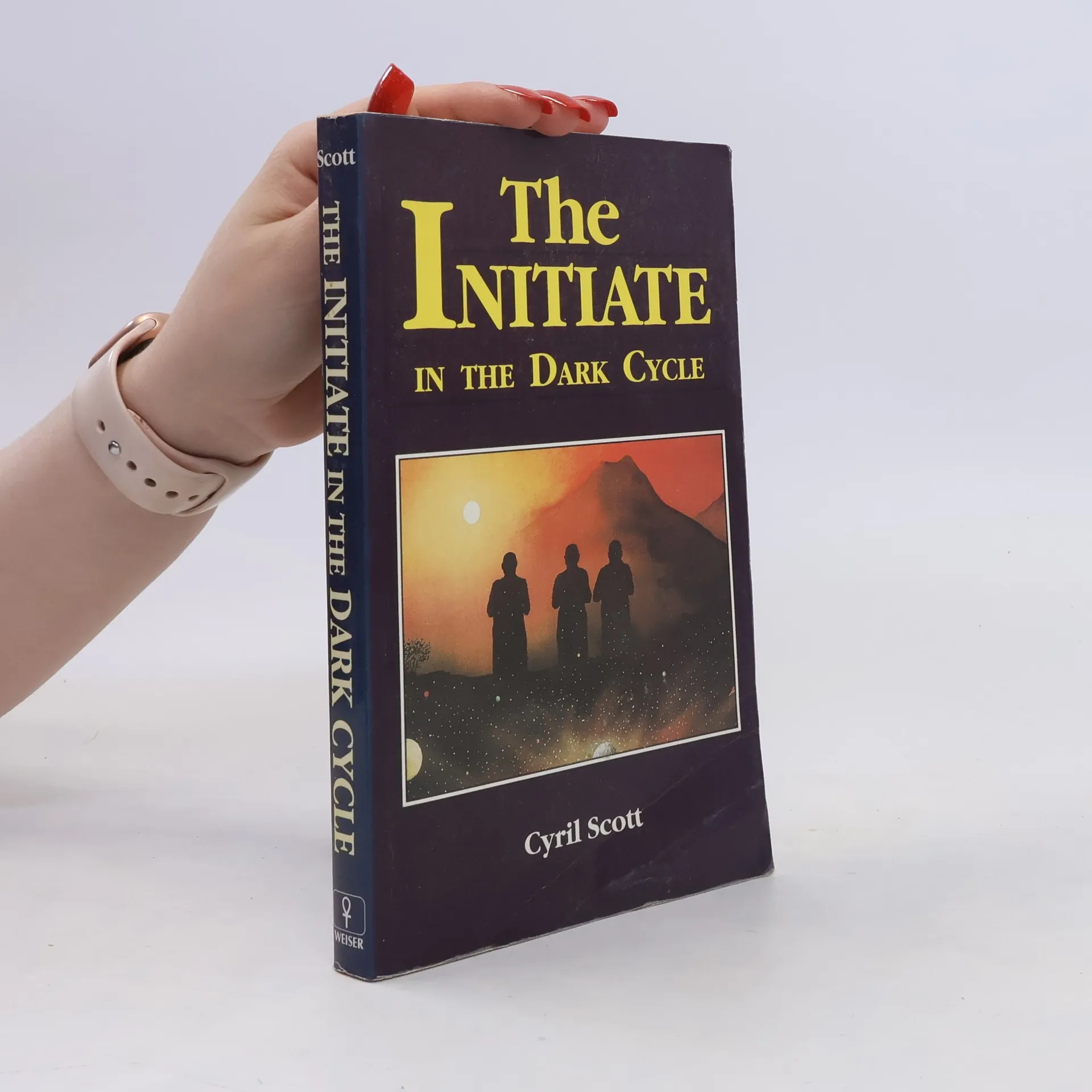
The third volume in the series takes up where The Initiate and The Initiate in the New World leave off, providing more insights into the mysterious Adept known as Justin Moreward Haig. At first, we think that "the dark cycle" relates to the group of students left to their own devices when Justin Moreward Haid disappears for a time. The students meet with the astrologer David Anrias, and become aware of the concepts taught by Krishnamurti and the theosophists. But when Justin Moreward Haid reappears we learn that the dark cycle really indicates a period of destruction and war when Planetary Logos is throwing off and transmuting poisons that create disturbances in the collective astral or emotional body of the human race. In this volume we learn how the group develops, how they relate to their missing teacher, and how they continue their search for spiritual understanding.
Der Eingeweihte
- 351 Seiten
- 13 Lesestunden
Der Eingeweihte - Eindrücke von einer großen Seele von seinem Schüler - bk350; Droemer Knaur Verlag; Hrg. Gerhard Riemann; pocket_book; 1986
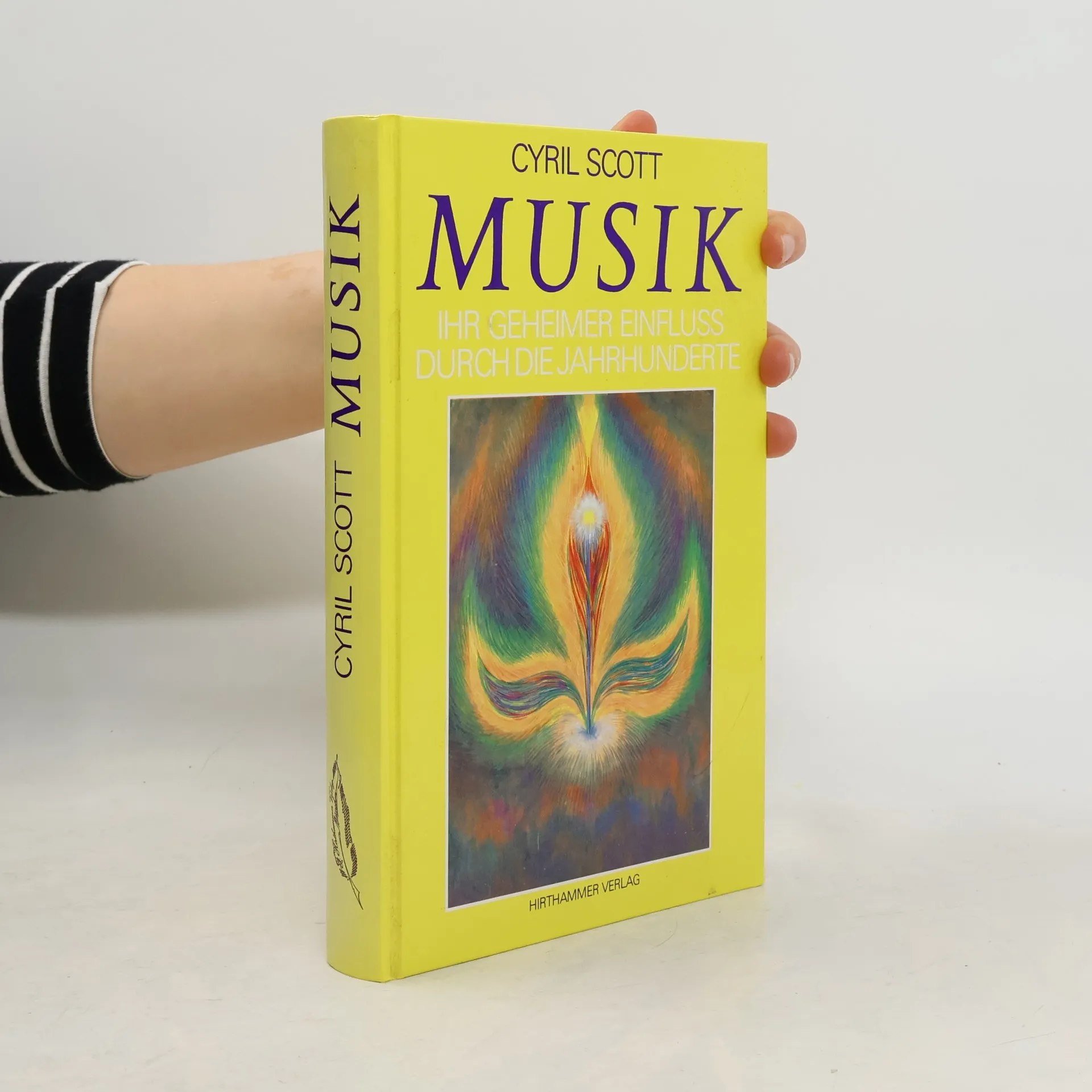
Musik
- 275 Seiten
- 10 Lesestunden
Der Junge mit den lichten Augen
Aus dem Tagebuch eines hellsichtigen Jungen
Ein kleiner Tagebuchschreiber, von Geburt an hellsichtig, erkennt nicht, dass seine Fähigkeiten eine besondere Gabe darstellen. Er wundert sich, wenn seine kleine Schwester nicht die 'Lichter' (Aura) um andere Menschen sieht. Es ist ihm unbegreiflich, warum er bestraft wird, wenn er von seinen Spielkameraden, den Elfen und Zwergen, berichtet. Dieses Buch ist erfüllt von herzerfrischender Menschlichkeit, übersprudelnder Situationskomik und tiefer Weisheit. Sie werden es lieben, darüber lachen, aus ihm lernen - und es immer wieder zur Hand nehmen, denn so werden die Kinder der Zukunft sein!
This is the veiled history of an Adept who elected to hide his true identity. In this classic work, Scott weaves a wonderful teaching story riddled with profound truths that are as valid today as when this book was first written.