
Bookbot

Gary Kemp

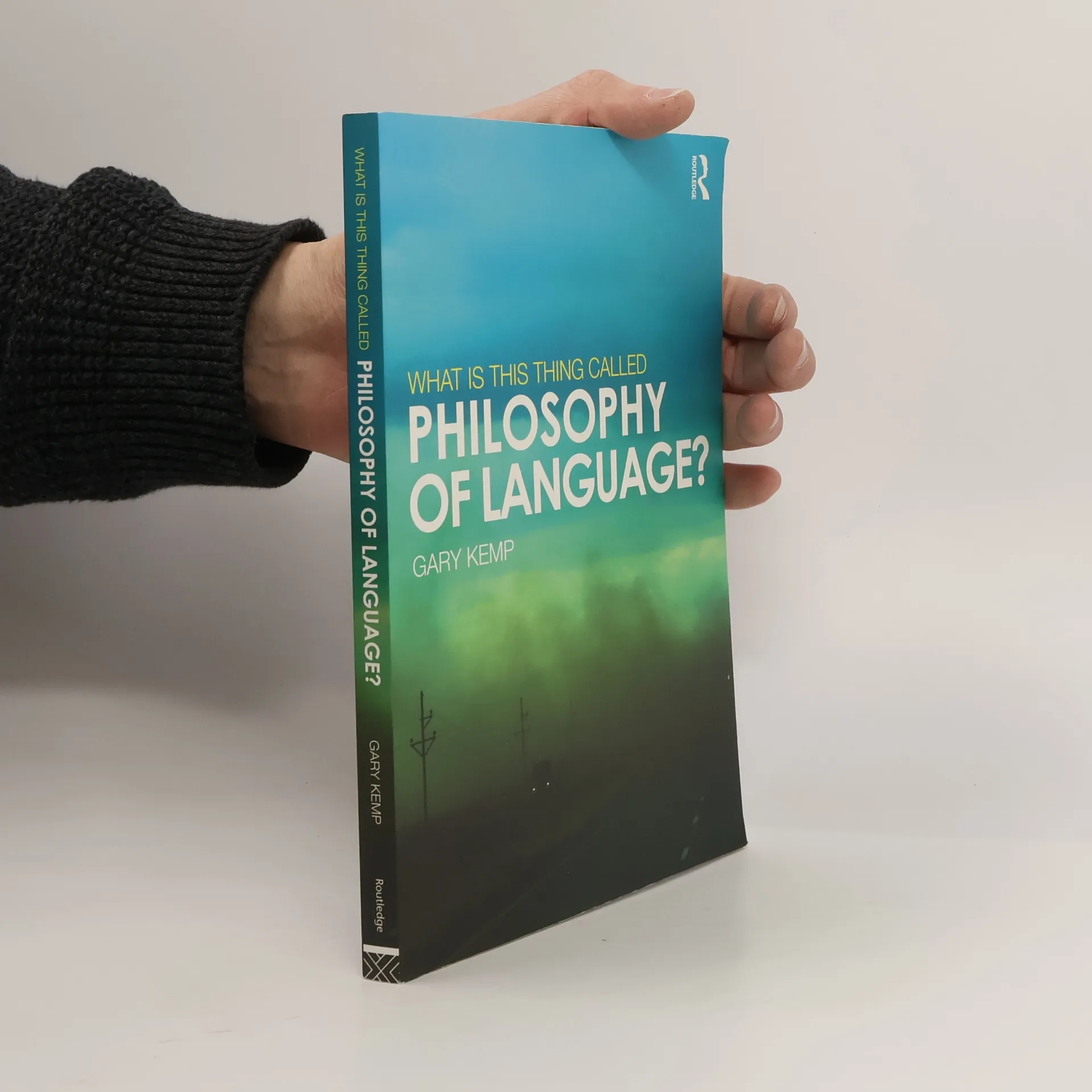
    What is This Thing Called Philosophy of Language?
    What is this thing called Philosophy of Language?
    Quine's Philosophy
    Quine
    • Quine

      • 179 Seiten
      • 7 Lesestunden

      Willard Van Orman Quine is one of the most influential analytic philosophers of the latter half of the twentieth century. This work offers an analysis of his writings and ideas in those areas of philosophy to which he contributed. It sets his work in its intellectual context, illuminating his connections to Russell, Carnap and logical positivism.

      Quine
      3,9
    • Quine's Philosophy

      An Introduction

      • 208 Seiten
      • 8 Lesestunden

      W.V. Quine's contributions to 20th-century analytic philosophy, while profound, can be intricate and frequently misinterpreted. Gary Kemp provides an updated introduction that unifies Quine's diverse perspectives, making them more accessible. This guide serves as an essential resource for newcomers to Quine's philosophy, clarifying his complex ideas and offering insights into his influential work.

      Quine's Philosophy
    • The book presents a comprehensive revision, featuring a new chapter dedicated to Chomsky's theory of grammar. It expands the concluding section on contemporary philosophy of language into two chapters, addressing vital emerging topics like slurs, conceptual engineering, and experimental philosophy. This updated edition offers deeper insights into modern linguistic theories and their philosophical implications.

      What is this thing called Philosophy of Language?
    • Philosophy of language explores some of the fundamental yet most technical problems in philosophy, such as meaning and reference, semantics, and propositional attitudes. Some of its greatest exponents, including Gottlob Frege, Ludwig Wittgenstein and Bertrand Russell are amongst the major figures in the history of philosophy. In this clear and carefully structured introduction to the subject Gary Kemp explains the following key topics: the basic nature of philosophy of language and its historical development early arguments concerning the role of meaning, including cognitive meaning vs expressivism, context and compositionality Frege's arguments concerning sense and reference; non-existent objects Russell and the theory of definite descriptions modern theories including Kripke and Putnam; arguments concerning necessity, analyticity and natural kind terms indexicality, context and modality. What are indexicals? Davidson's theory of language and the 'principle of charity' propositional attitudes Quine's naturalism and its consequences for philosophy of language. Chapter summaries, annotated further reading and a glossary make this an indispensable introduction to those teaching philosophy of language and will be particularly useful for students coming to the subject for the first time.

      What is This Thing Called Philosophy of Language?