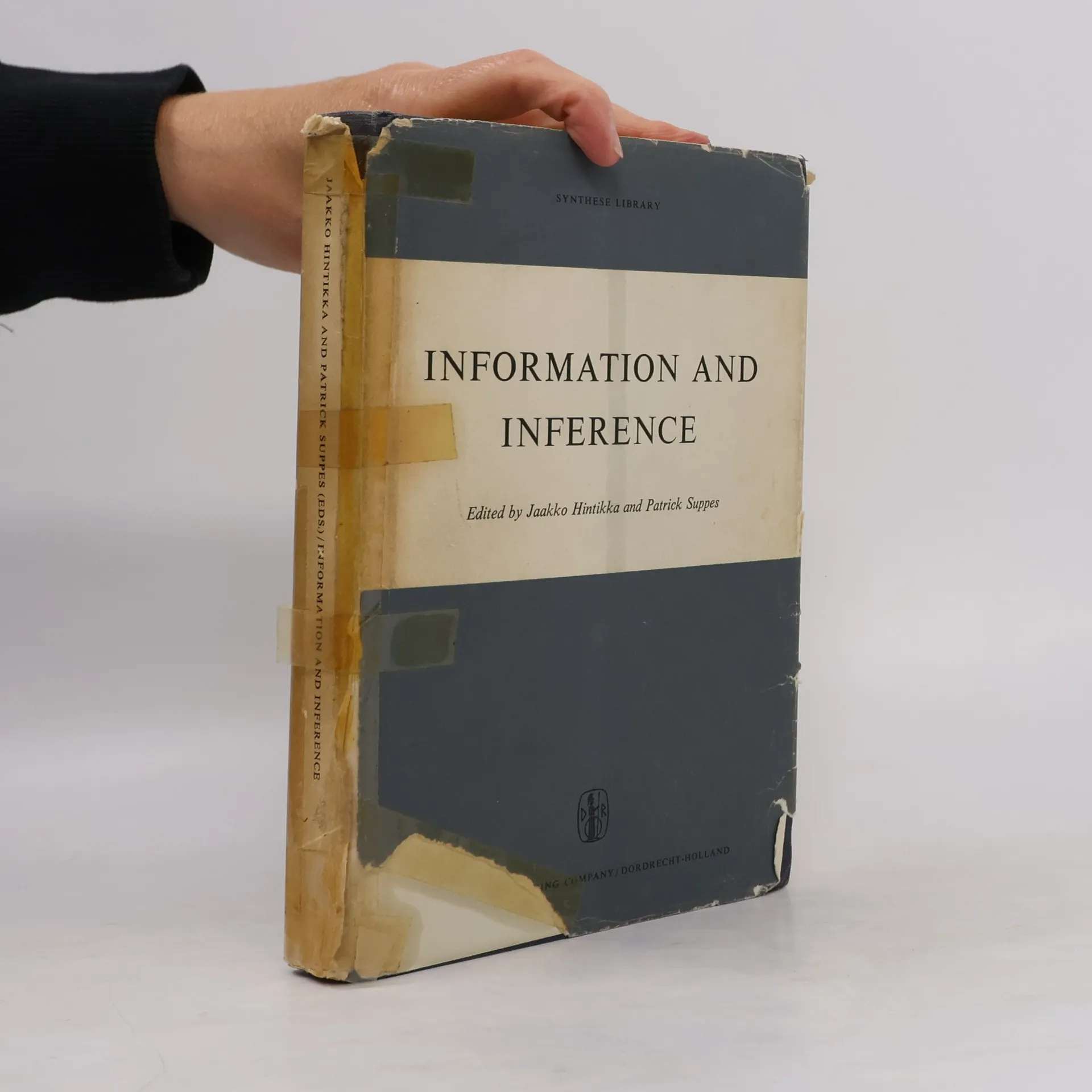
Patrick Suppes's conviction is that the old dogmatic philosophy of a theological nature has been replaced in our times by a neo-dogmatic philosophical-metaphysical approach, asserted in the name of science, but just as inaccurate and wrong as the old dogma.
Patrick Suppes Bücher
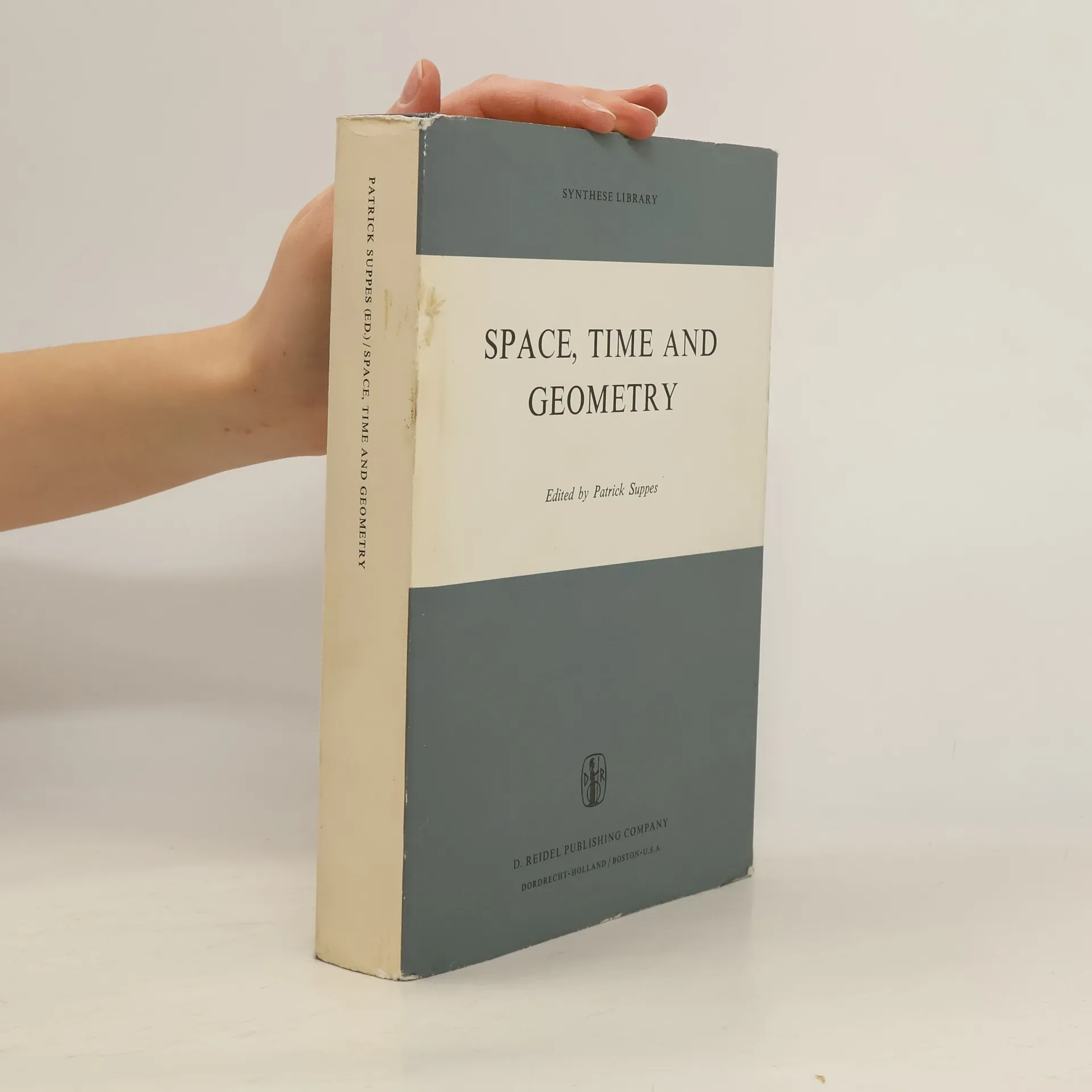

Synthese Library - 56: Space, Time, and Geometry
- 439 Seiten
- 16 Lesestunden
The articles in this volume have been stimulated in two different ways. More than two years ago the editor of Synthese, laakko Hintikka, an nounced a special issue devoted to space and time, and articles were solicited. Part of the reason for that announcement was also the second source of papers. Several years ago I gave a seminar on special relativity at Stanford, and the papers by Domotor, Harrison, Hudgin, Latzer and myself partially arose out of discussion in that seminar. All of the papers except those of Griinbaum, Fine, the second paper of Friedman, and the paper of Adams appeared in a special double issue of Synthese (24 (1972), Nos. 1-2). I am pleased to have been able to add the four additional papers mentioned in making the special issue a volume in the Synthese Library. Of these four additional articles, only the one by Fine has pre viously appeared in print (Synthese 22 (1971),448--481); its relevance to the present volume is apparent. In preparing the papers for publication and in carrying out the various editorIal chores of such a task, I am very much indebted to Mrs. Lillian O'Toole for her extensive assistance. INTRODUCTION The philosophy of space and time has been of permanent importance in philosophy, and most of the major historical figures in philosophy, such as Aristotle, Descartes and Kant, have had a good deal to say about the nature of space and time.
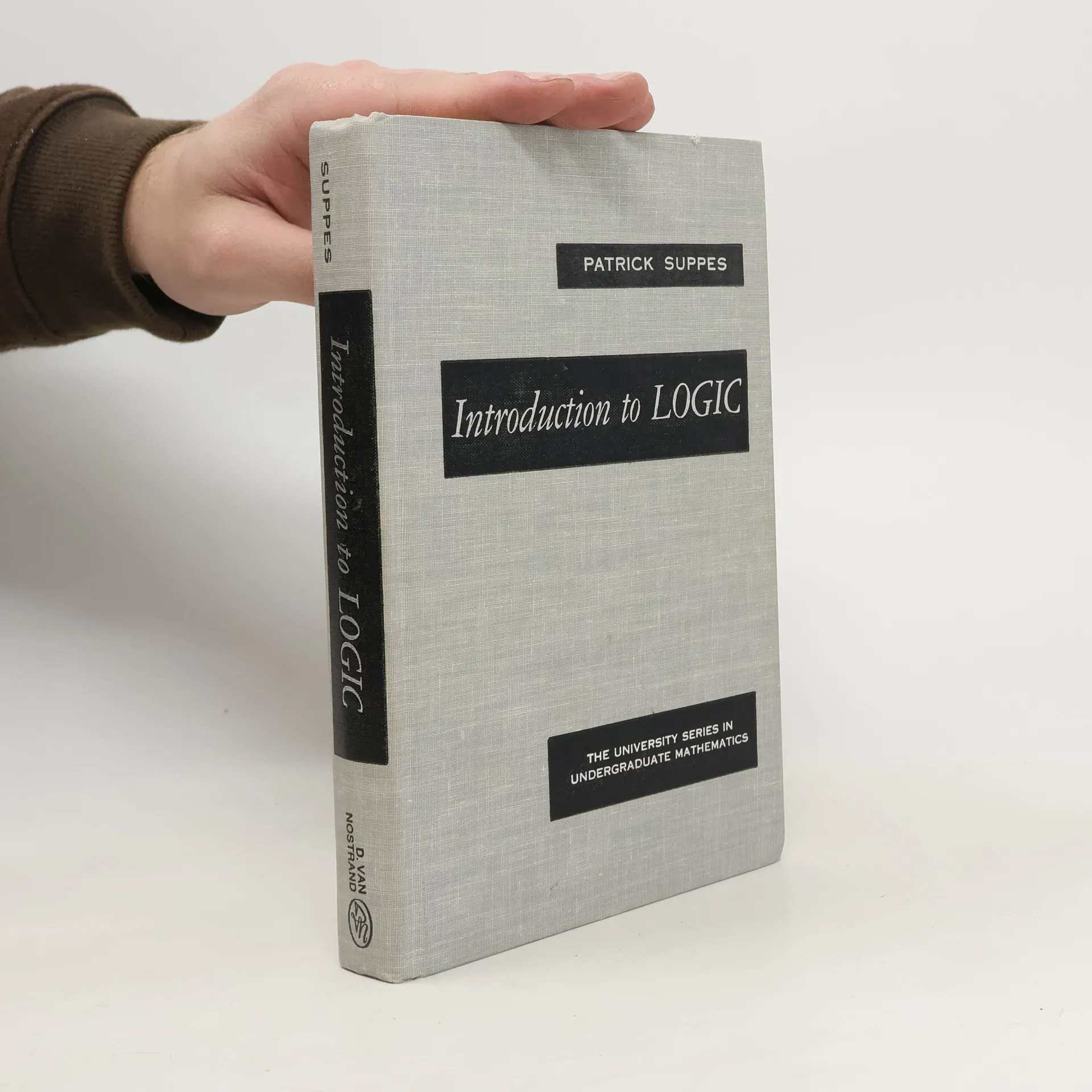
Introduction to Logic
- 330 Seiten
- 12 Lesestunden
Part I of this coherent, well-organized text deals with formal principles of inference and definition. Part II explores elementary intuitive set theory, with separate chapters on sets, relations, and functions. Ideal for undergraduates.
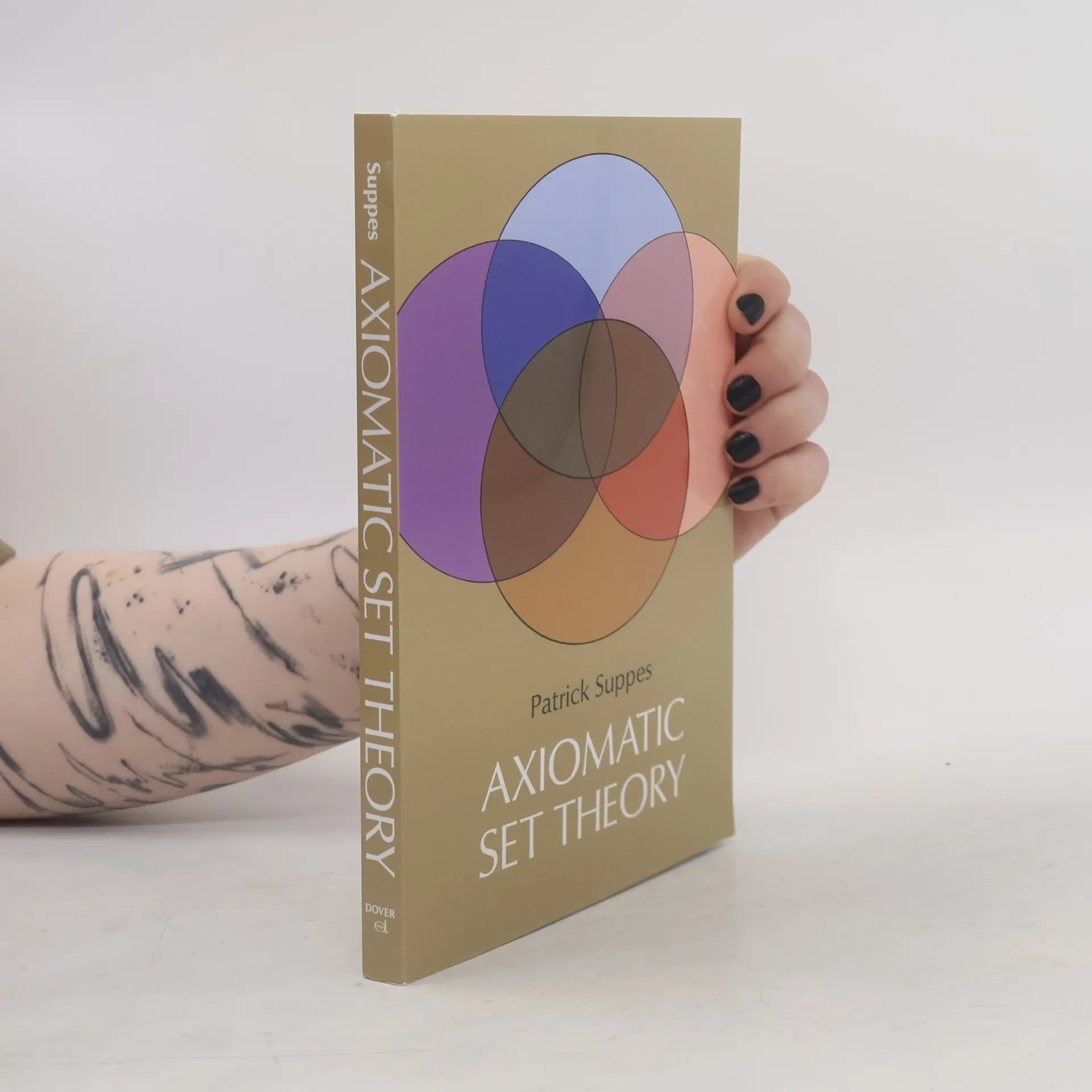
Axiomatic Set Theory
- 267 Seiten
- 10 Lesestunden
This clear and well-developed approach to axiomatic set theory is geared toward upper-level undergraduates and graduate students. It examines the basic paradoxes and history of set theory and advanced topics such as relations and functions, equipollence, finite sets and cardinal numbers, rational and real numbers, and other subjects. 1960 edition.
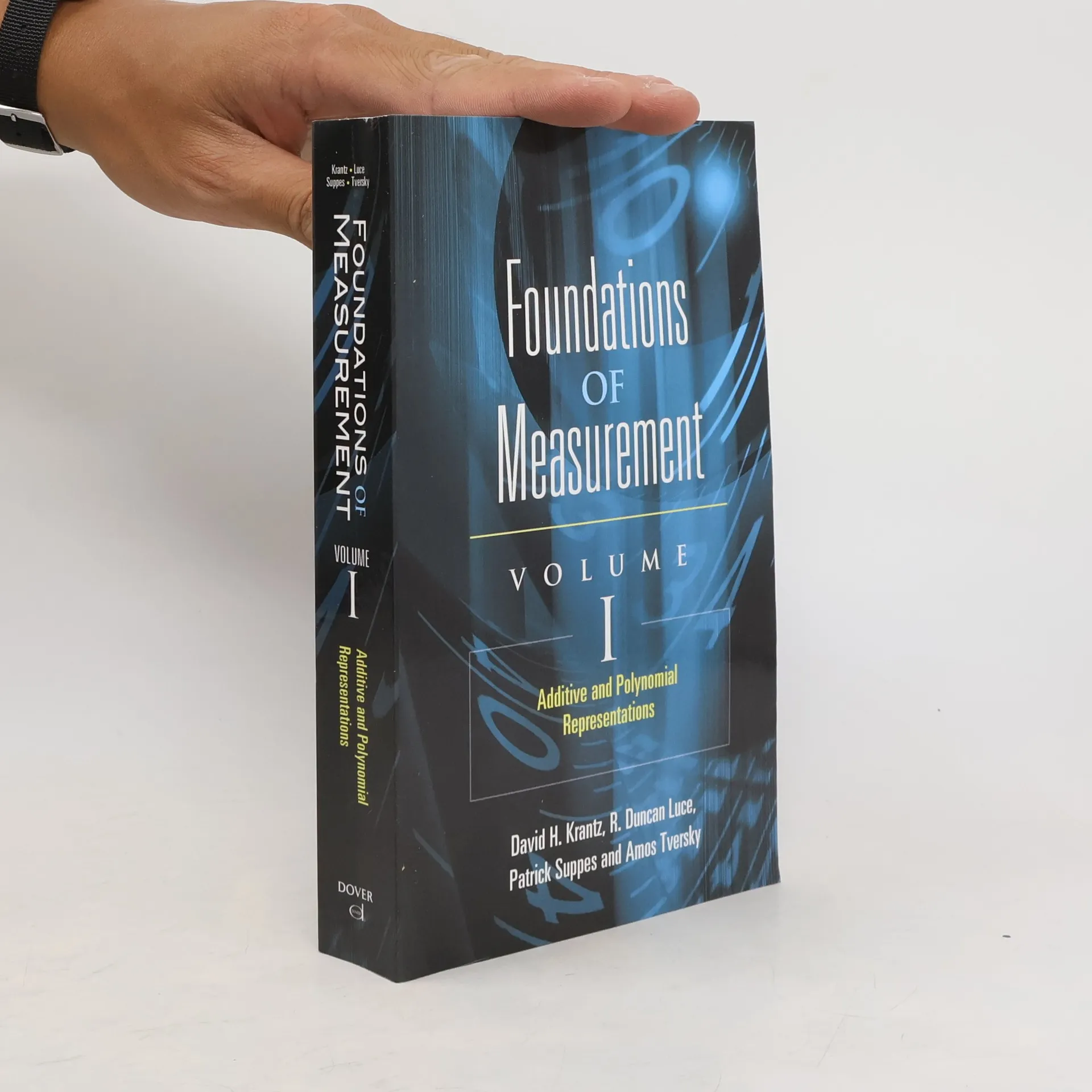
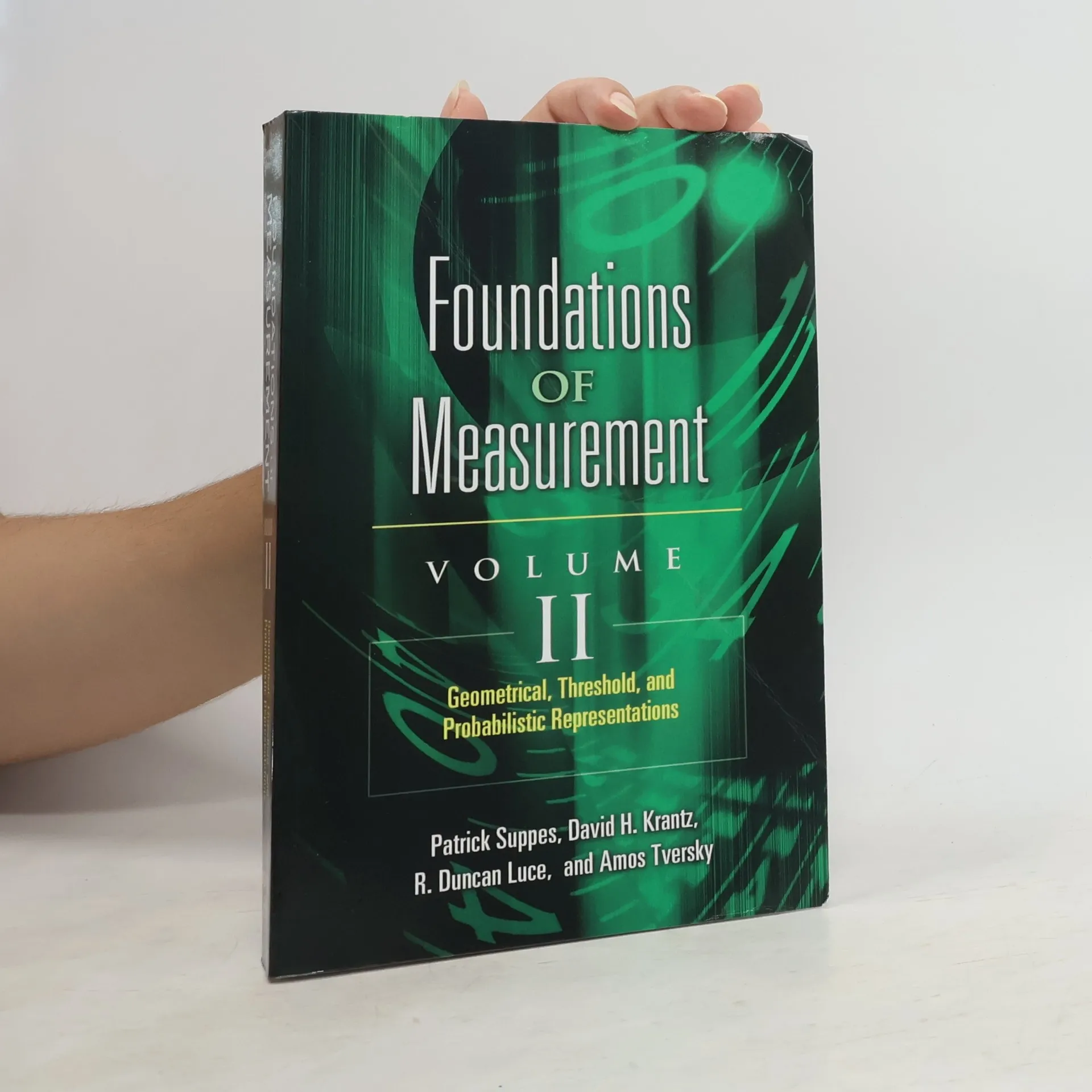
Foundations of Measurement Volume II
Geometrical, Threshold, and Probabilistic Representations
- 512 Seiten
- 18 Lesestunden
A classic series in the field of quantitative measurement, Volume I introduces the distinct mathematical results that serve to formulate numerical representations of qualitative structures. Volume II extends the subject in the direction of geometrical, threshold, and probabilistic representations, and Volume III examines representation as expressed in axiomatization and invariance. 1989 edition.
First volume in the three books Foundations of Measurement series.Table of contents:Preface1. Introduction2. Construction of numerical functions3. Extensive measurement4. Difference measurement5. Probability representations6. Additive conjoint measurement7. Polynomial conjoint measurement8. Conditional expected utility9. Measurement inequalities10. Dimensional analysis and numerical lawsAnswers and hints to selected exercisesReferences