

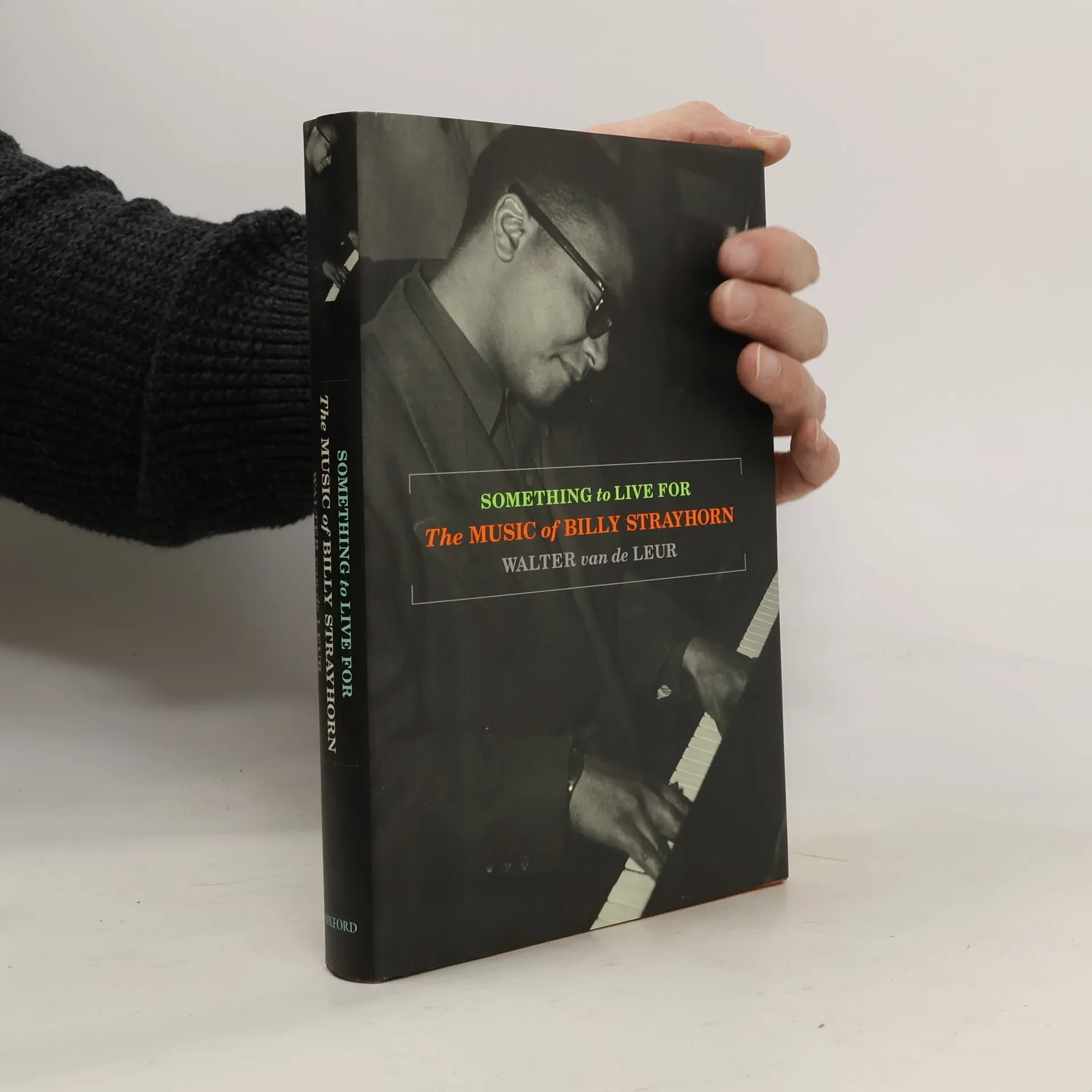
Duke Ellington is often celebrated as a jazz icon, yet his chief collaborator, Billy Strayhorn, has received less recognition despite his significant contributions. Walter van de Leur's new book brings Strayhorn into focus, arguing that he was not merely Ellington's follower but a visionary composer in his own right. Utilizing over 3,000 autograph scores, van de Leur distinguishes between the two musicians' styles, demonstrating that their works, while historically linked, represent separate musical entities with unique harmonic, melodic, and structural designs. The book highlights Strayhorn's distinctive "musical fingerprints," allowing readers to appreciate his compositions and arrangements independently. Van de Leur's decade-long research reveals that Strayhorn's influence on the band was more substantial and original than previously acknowledged. With detailed analyses of over 70 musical examples, the work sheds new light on the contributions of both composers, promising to spark intense debate about their roles in the jazz genre. This exploration not only elevates Strayhorn's legacy but also enriches our understanding of the dynamic between these two pivotal figures in jazz history.
Walter van de Leur Bücher

Exploring the intricate relationship between jazz and death, this book delves into various cultural phenomena such as the New Orleans "jazz funeral," the portrayal of jazz in afterlife narratives, and the significance of final recordings. It also addresses the concept of jazz's own mortality and the memorialization of musicians through jazz monuments. Through critical analysis, the work highlights how jazz serves as a medium for understanding and representing death across different contexts.