
Gratisversand in ganz Deutschland!
Bookbot

Krzysztof Fijalkowski

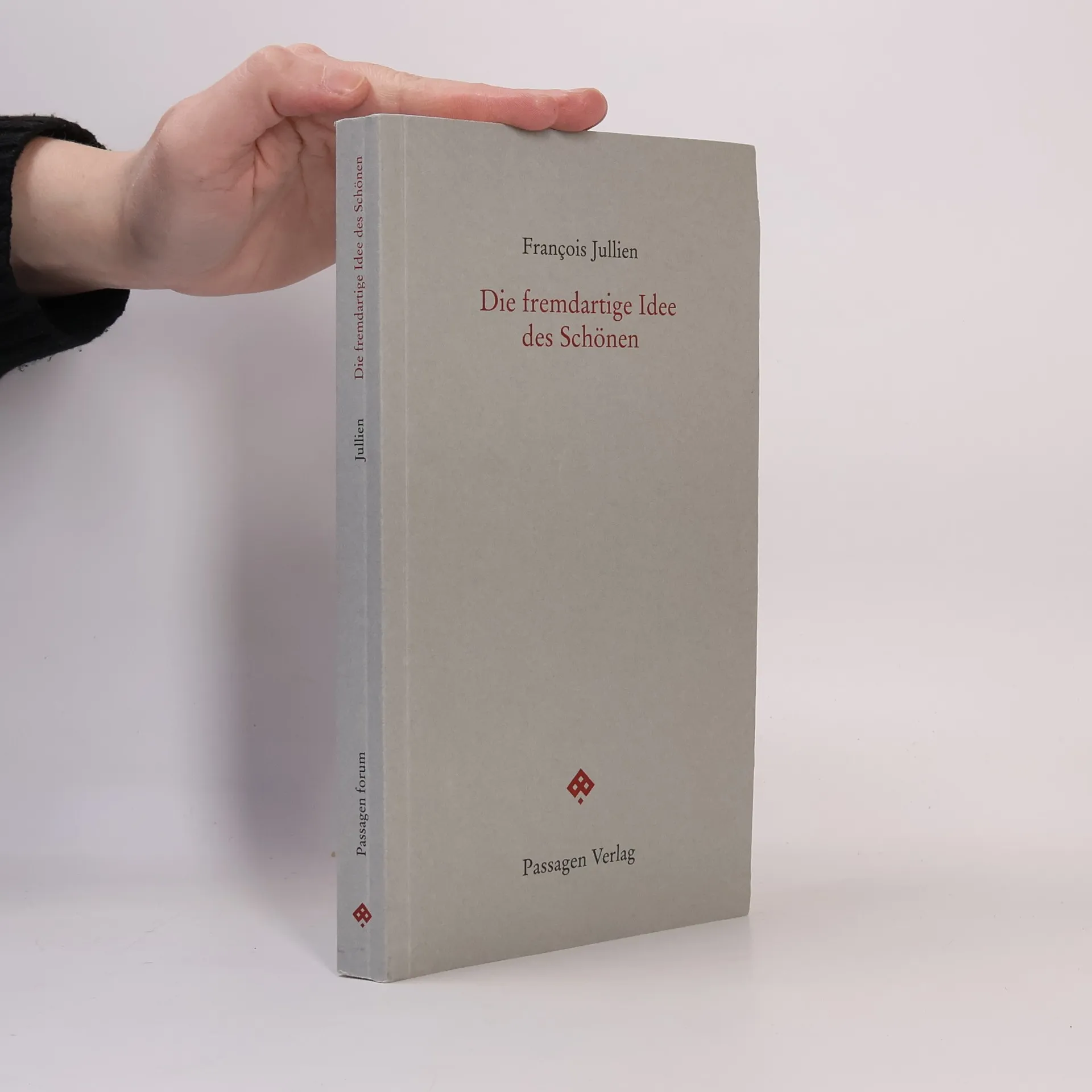
    Die fremdartige Idee des Schönen
    The Philosophy of Living
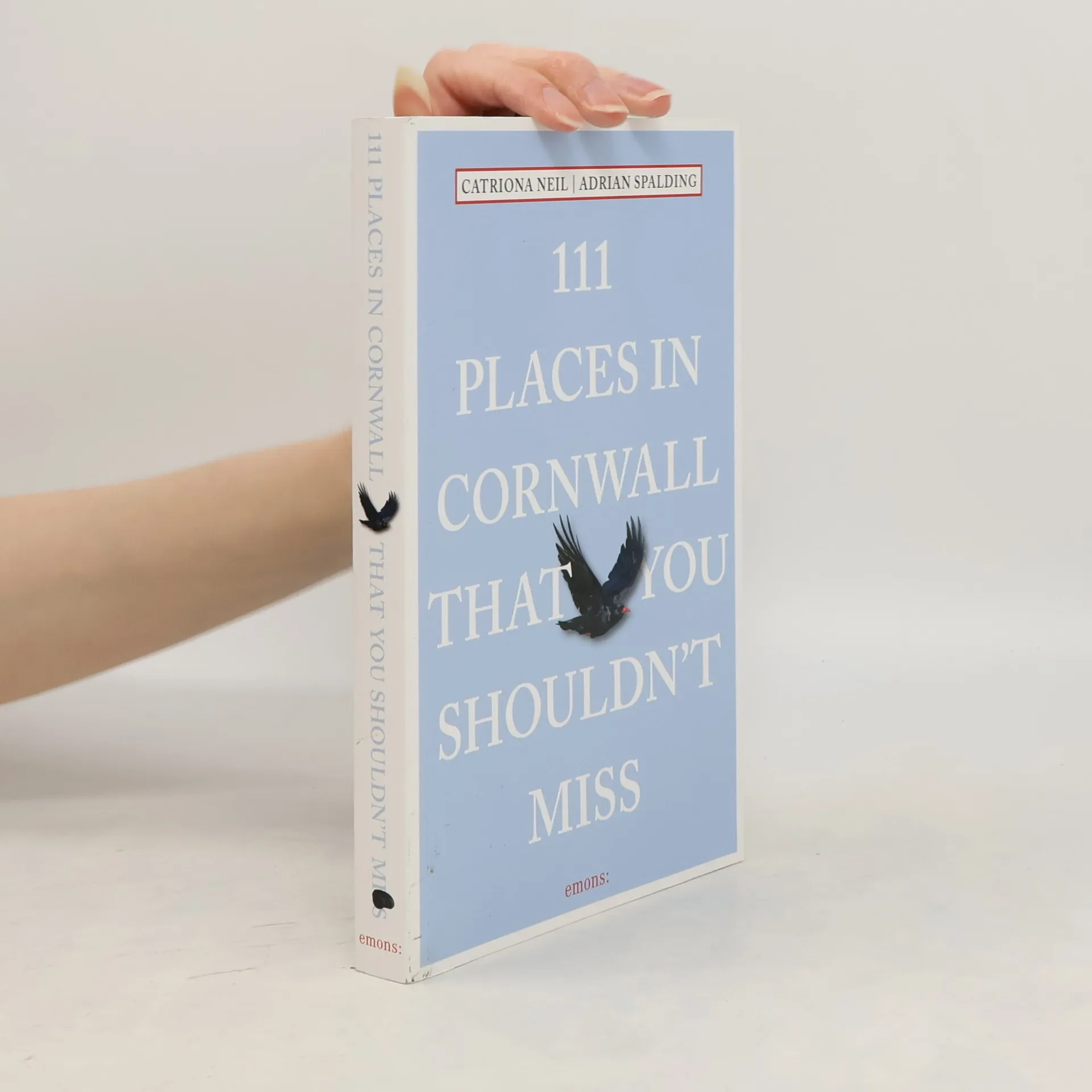
    111 Places in Cornwall That You Shouldn't Miss
    From Being to Living: A Euro-Chinese Lexicon of Thought
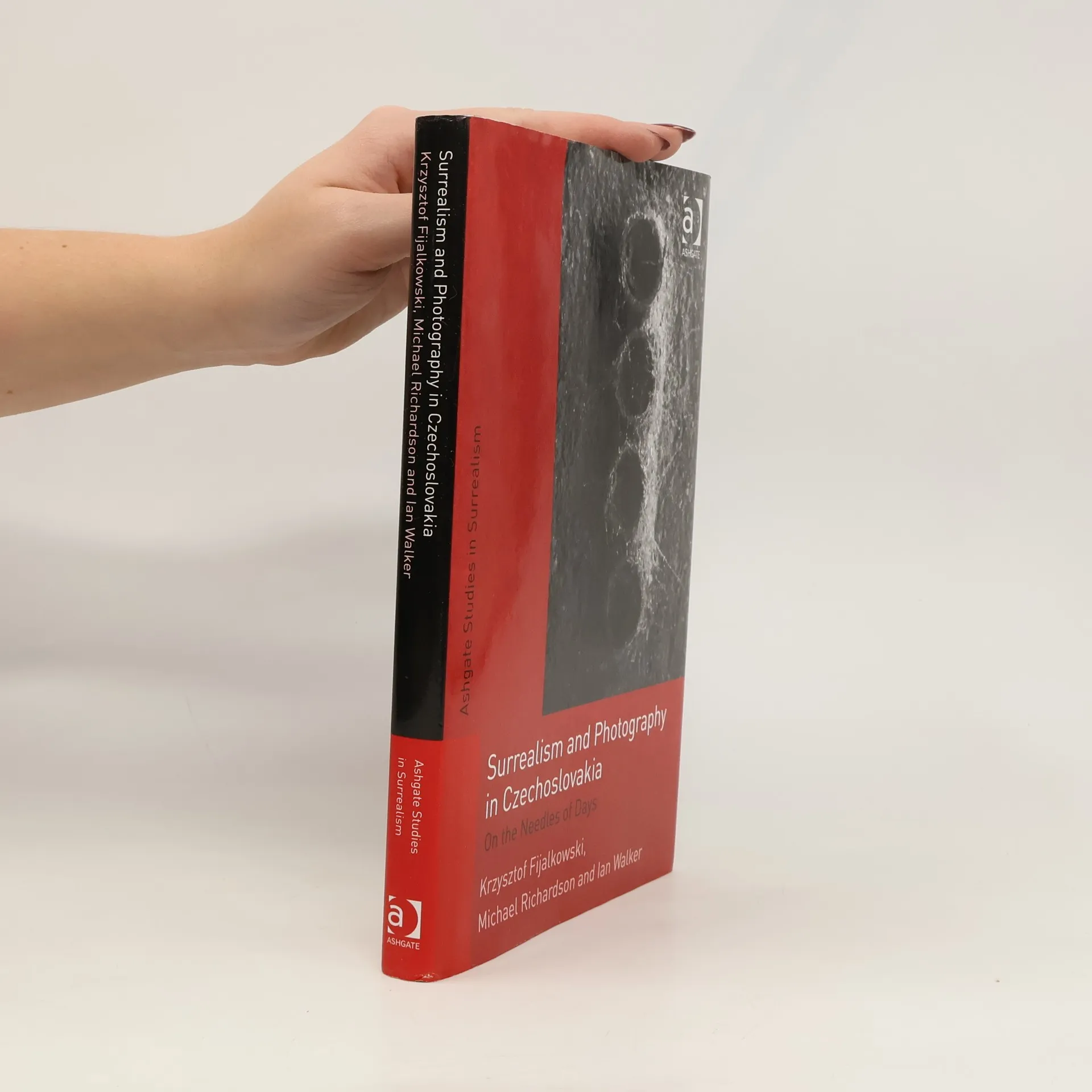
    Surrealism and Photography in Czechoslovakia
    • Surrealism and Photography in Czechoslovakia: On the Needles of Days sheds much-needed light on the location of the greatest concentration of Surrealist photography and examines the culture and tradition within which it has taken root and flourished. The volume explores a rich and important artistic output, very little of which has been seen outside of its land of origin. Based on extensive research at museums in Prague and Brno and many conversations with participants in and historians of the movement, Krzysztof Fijalkowski, Michael Richardson and Ian Walker analyse how this photographic work has developed cohesively and rigorously, from the beginnings of Czech Surrealism in 1934, to the intriguing researches of the present-day Czech and Slovak Surrealist group by way of mysterious veiled responses to the repressive contexts with which they were faced from the 1950s to the 1980s. The main chapters, ordered chronologically, are intersected with shorter texts examining specific works. The reader will find in this volume images that present challenges to our understanding of how photographic work has been used within surrealism, pinpointing individual pictures whose dynamic charge may induce instants of compelling interrogation and disruption.

      Surrealism and Photography in Czechoslovakia
    • Exploring the contrasts between Western and Chinese philosophies, this new English translation of François Jullien's work presents a profound analysis that highlights the unique aspects of both traditions. Jullien delves into the implications of these differences for understanding concepts such as knowledge, ethics, and existence. His insights encourage readers to reflect on how cultural perspectives shape thought processes and worldviews, making this a significant contribution to comparative philosophy.

      From Being to Living: A Euro-Chinese Lexicon of Thought
    • This insider’s guide will draw you into the rich fabric of Cornwall’s history and modern life. The essence of Cornwall is multi-layered. Its undoubted appeal for tourists overshadows a rich and diverse history of world-wide endeavour, cultural activities based on its own language, Methodism, fishing, mining and farming. This guide invites you to explore deeper into this fascinating place, taking you back to the time of King Arthur, to historical film settings and ancient festivals forwards to modern gastronomy, famous artists and brand new technology.

      111 Places in Cornwall That You Shouldn't Miss
    • This volume asks poignant questions about what it means to be alive and inhabit the present. Living holds us between two places. It expresses what is most elementary--to be alive--and the absoluteness of our aspiration--finally living! But could we desire anything other than to live? In The Philosophy of Living, François Jullien meditates on Far Eastern thought and philosophy to analyze concepts that can be folded into a complete philosophy of living, including the idea of the moment, the ambiguity of the in-between, and what he calls the "transparency of morning." Jullien here develops a strategy of living that goes beyond morality and dwells in the space between health and spirituality.

      The Philosophy of Living
    • Im Lauf der Jahrhunderte hat man immer wieder die Kriterien und Konzeptionen des Schönen in Frage gestellt, seine Definition unterlag einem fortwährenden Wandel. Doch hat man dabei auch jene in der Sprache verankerte Vorbedingung bedacht, nämlich überhaupt „das Schöne“ sagen zu können? Als Angelpunkt unserer Metaphysik lehrt uns das Schöne, die Vielfalt des Sinnlichen zugunsten der Einheitlichkeit einer „Idee“ aufzugeben. Das Schöne bestürzt und bewegt uns, indem es als Absolutes ins Sichtbare einbricht; zugleich ist es der letzte Erlösungsweg, der uns nach dem Tod der Götter noch bleibt. Das chinesische Denken freilich hat nie „das Schöne“ abstrahiert und isoliert. In der Herausarbeitung dieses Unterschiedes sucht François Jullien Möglichkeiten freizulegen, die sich nicht dem Monopol des Schönen unterordnen; der zeitgenössischen Kunst, im Krieg mit dem Schönen befindlich, neue und fruchtbare Wege zu eröffnen. Das Schöne wird von erschöpfenden Gemeinplätzen befreit: um es in seiner Fremdartigkeit wiederherzustellen.

      Die fremdartige Idee des Schönen