

Lieferung vor Weihnachten: 1 Stunde 23 Minuten 30 Sekunden
Bookbot

Eduardo Viveiros de Castro

    Dieser 1951 in Rio de Janeiro geborene Anthropologe gilt als einer der weltweit führenden Experten für brasilianische indigene Ethnien. Seine umfassende Forschung konzentriert sich auf deren Kulturen und Denkweisen, insbesondere auf das Konzept des „Perspektivismus“. Der Autor untersucht, wie diese Kulturen die Welt und die Realität wahrnehmen und welche Sichtweise sie auf menschliche und nicht-menschliche Wesen haben. Sein Werk bietet tiefe Einblicke in die Vielfalt menschlichen Denkens und die Komplexität indigener Gesellschaften.

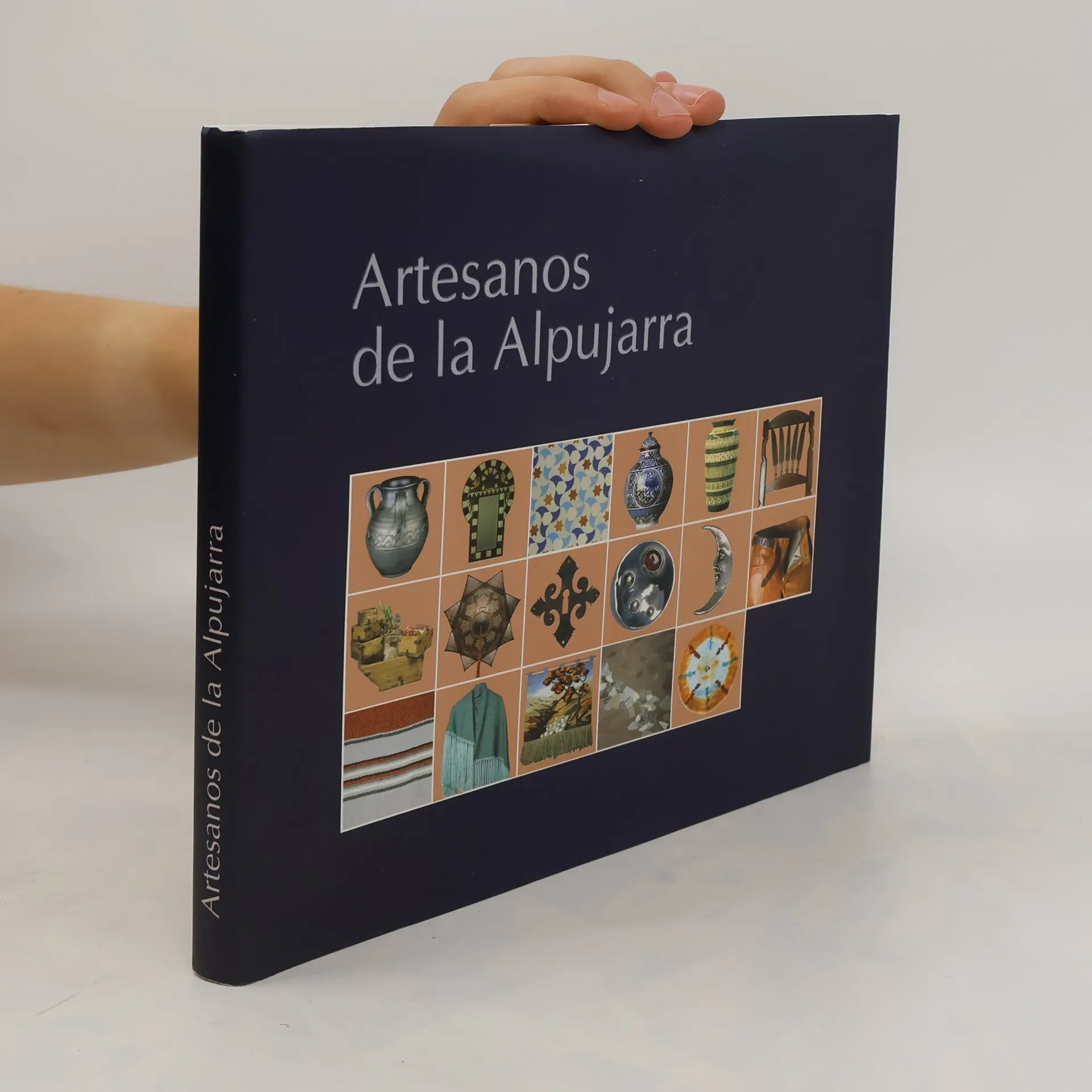
    Artesanos de la Alpujarra
    Ernesto Neto
    Cannibal Metaphysics
    The Ends of the World
    The Relative Native - Essays on Indigenous Conceptual Worlds
    • 2017

      Cannibal Metaphysics

      • 229 Seiten
      • 9 Lesestunden
      3,0(2)Abgeben

      The iconoclastic Brazilian anthropologist and theoretician Eduardo Viveiros de Castro, well known in his discipline for helping initiate its "ontological turn," offers a vision of anthropology as "the practice of the permanent decolonization of thought." After showing that Amazonian and other Amerindian groups inhabit a radically different conceptual universe than ours--in which nature and culture, human and nonhuman, subject and object are conceived in terms that reverse our own--he presents the case for anthropology as the study of such "other" metaphysical schemes, and as the corresponding critique of the concepts imposed on them by the human sciences. Along the way, he spells out the consequences of this anthropology for thinking in general via a major reassessment of the work of Claude Lévi-Strauss, arguments for the continued relevance of Deleuze and Guattari, dialogues with the work of Philippe Descola, Bruno Latour, and Marilyn Strathern, and inventive treatments of problems of ontology, translation, and transformation. Bold, unexpected, and profound, Cannibal Metaphysics is one of the chief works marking anthropology's current return to the theoretical center stage.

      Cannibal Metaphysics
    • 2016

      The end of the world is a seemingly interminable topic D at least, of course, until it happens. Environmental catastrophe and planetary apocalypse are subjects of enduring fascination and, as ethnographic studies show, human cultures have approached them in very different ways.

      The Ends of the World
    • 2016
    • 2010

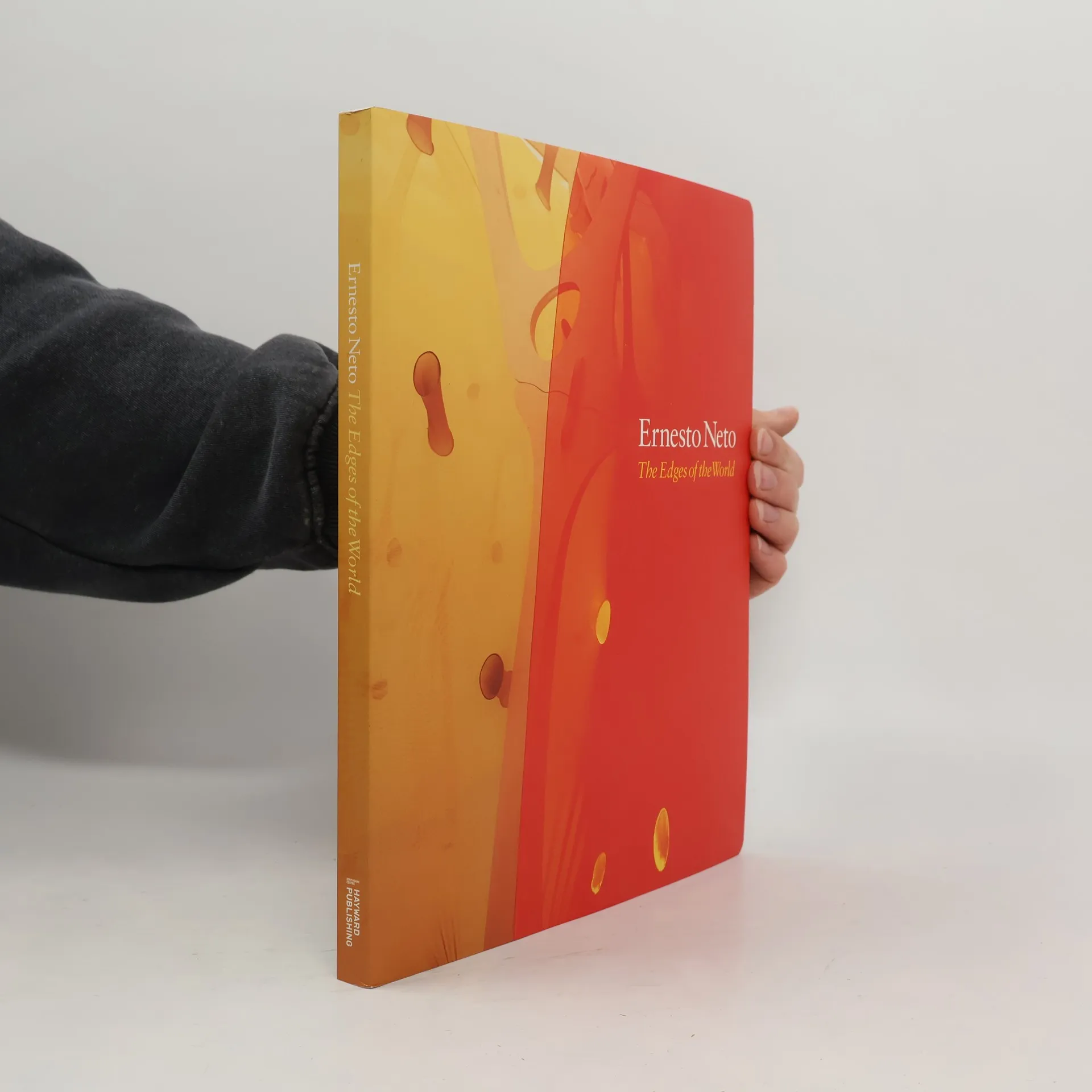
      Ernesto Neto

      The Edges of the World

      • 154 Seiten
      • 6 Lesestunden

      Brazilian artist Ernesto Neto (born 1964) draws on a variety of sources for inspiration, ranging from the natural world to department stores, modernists like Alexander Calder and Constantin Brancusi to Brazilian predecessors like Lygia Clark and H�lio Oiticica. Neto's multi-sensory environments exist, in the artist's words, "as a place of sensations, a place of exchange and continuity between people." This important survey is published to accompany an exhibition at London's Hayward Gallery, in which Neto reimagines the gallery's concrete spaces and brutalist architecture with a new site-specific commission and a number of new sculptural works. The artist's works incorporate the Hayward's outdoor sculpture terraces, creating an interrelated series of spaces in which the relationships between inside and outside are provocatively reconfigured. Spanning Neto's career to date, this publication contains texts by key international scholars.

      Ernesto Neto