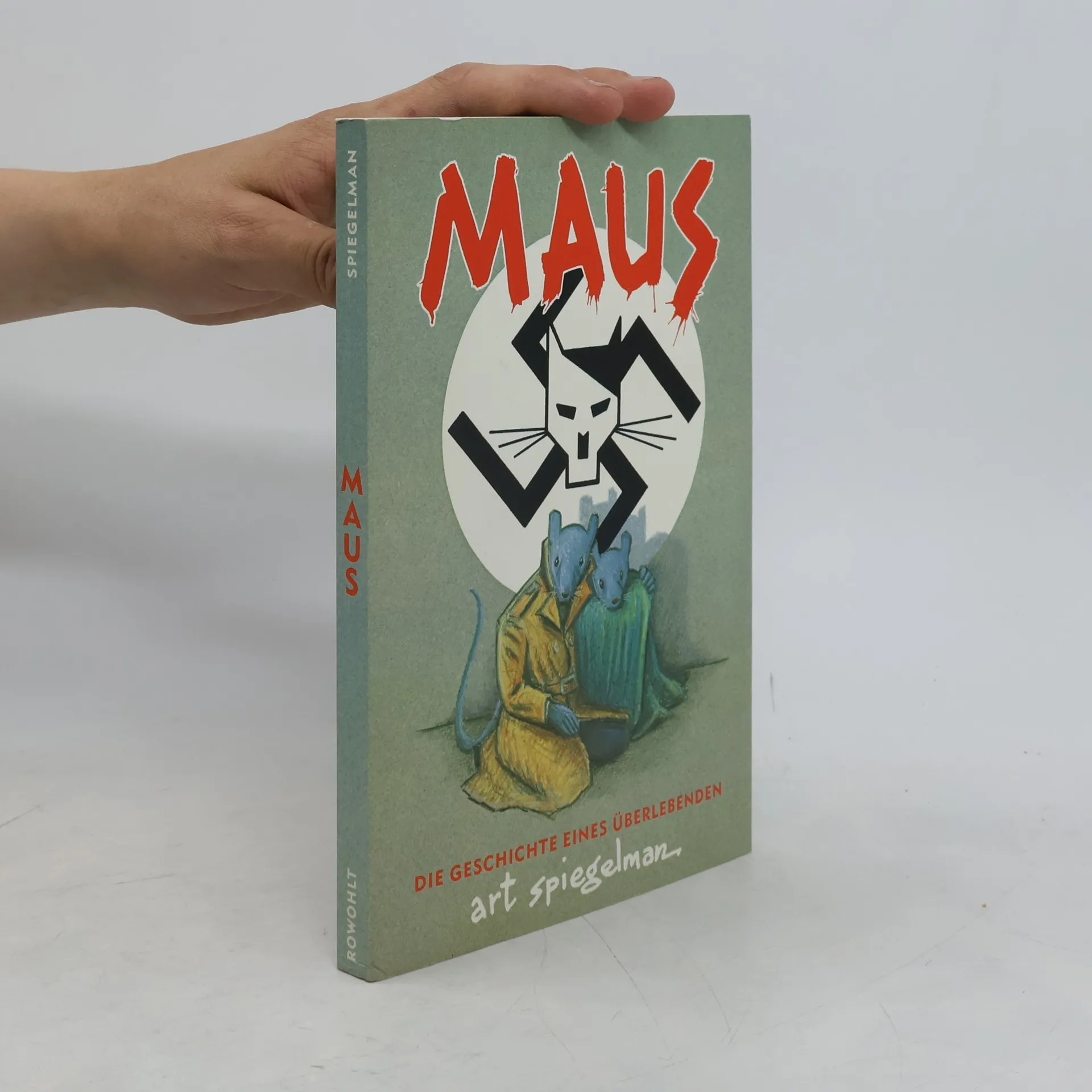
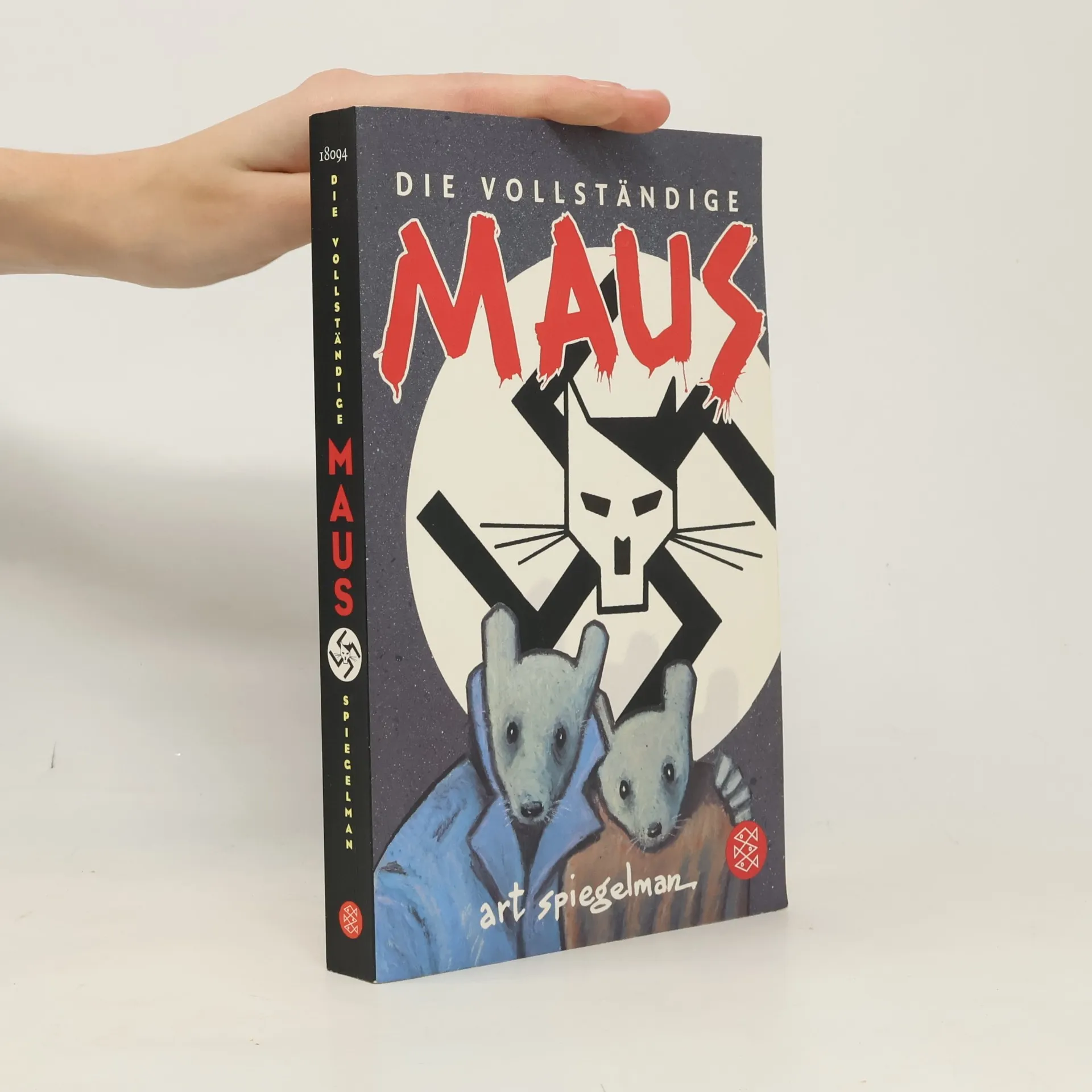
MAUS was the first half of the tale of survival of the author's parents, charting their desperate progress from prewar Poland Auschwitz. Here is the continuation, in which the father survives the camp and is at last reunited with his wife.
'Maus' nähert sich dem Unbeschreiblichen, dem Mord an Europas Juden, mit den Mitteln des Comic-Strips. 'Maus' ist Roman und Biographie, Bericht und persönliche Erinnerung ein bewegendes Kunstwerk.
Praktický sprievodca naplnením vlastných snov
Úspech v živote môžeme definovať ako postupné dosahovanie cieľov, ktoré nám za to stoja. Úspech vrátane vytvárania bohatstva sa vždy považoval za náročný proces a často prevláda názor, že ho nemožno dosiahnuť inak než na úkor ostatných ľudí. To však nie je pravda. Sme duchovné bytosti a keď k úspechu zaujmeme duchovnejší postoj, keď spoznáme a začneme uplatňovať duchovné zákony, ktorými sa riadi vesmír a všetko, čo v ňom existuje, dokážeme do svojho života vniesť nielen úspech a hojnosť, ale aj radosť, lásku a pocit šťastia. V knihe autor zrozumiteľnou formou vysvetľuje, čo je a ako vo svojom živote uplatniť zákon: čistej potenciality, dávania, zákon karmy alebo príčiny a dôsledku, najmenšej snahy, zákon úmyslu a túžby, zákon odstupu a zmyslu života.
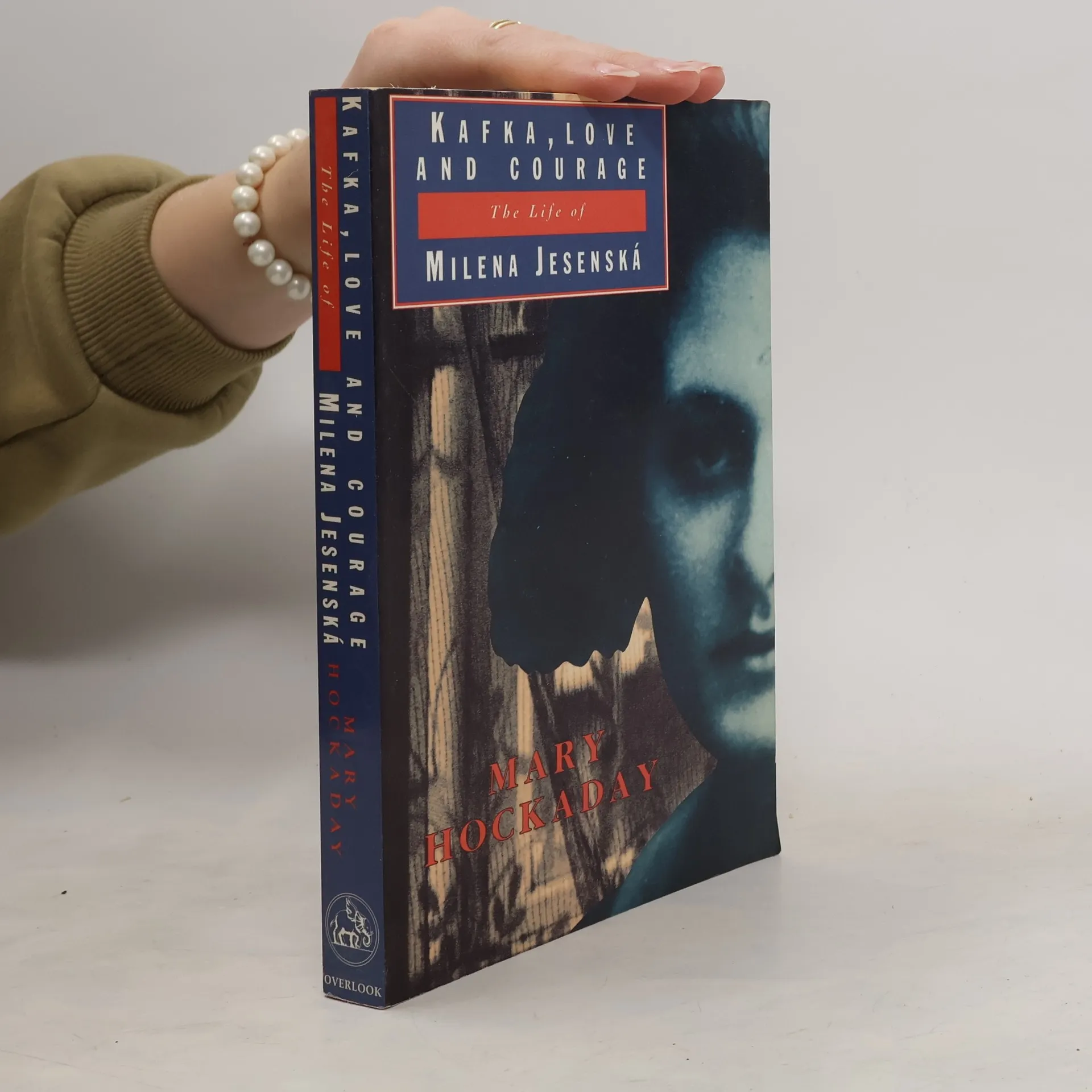
A biography of the Czech journalist best known as an intimate of Kafka's also examines her association with the literary elite of Prague and Vienna and her participation in the underground resistance in Czechoslovakia during World War II
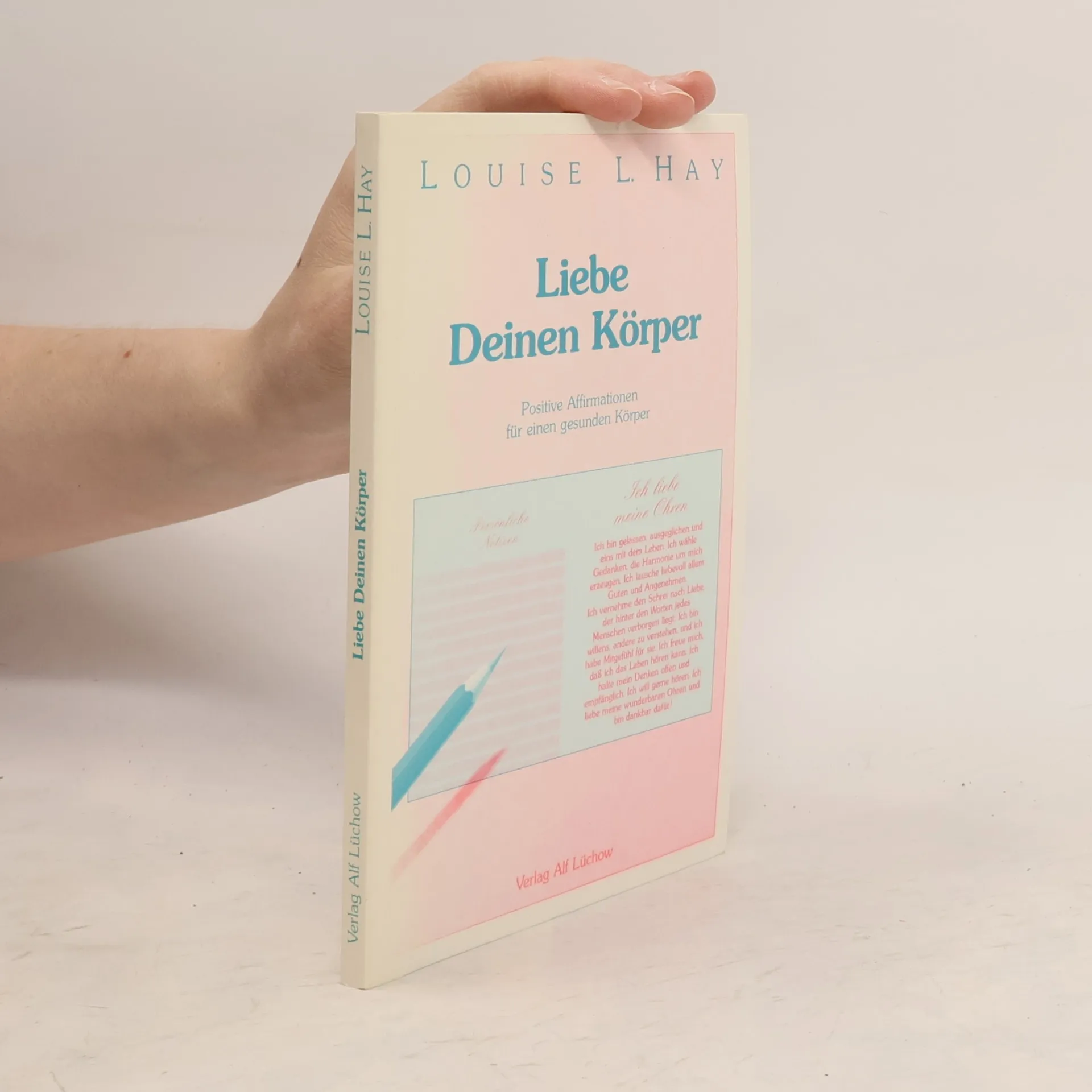
Louise L. Hay über den Grund, dieses Buch zu schreiben: 'Ich glaube, daß es in uns eine Kraft gibt, die uns liebevoll zu vollkommener Gesundheit, vollkommenen Partnerschaften, vollkommenen Karrieren und Wohlstand in jeder Hinsicht führen kann. Um diese Dinge zu erlangen, müssen wir zunächst einmal daran glauben, daß sie möglich sind. Als nächstes müssen wir bereit sein, uns von jenen Lebensmustern zu lösen, die von uns nicht gewünschte Umstände erzeugen. Dies erreichen wir, indem wir uns nach innen wenden und die Kraft anzapfen, die bereits weiß, was das Beste für uns ist. Wenn wir bereit sind, unser Leben dieser Kraft in uns anzuvertrauen, die uns liebt und erhält, können wir Liebe und Wohlstand erzeugen.'
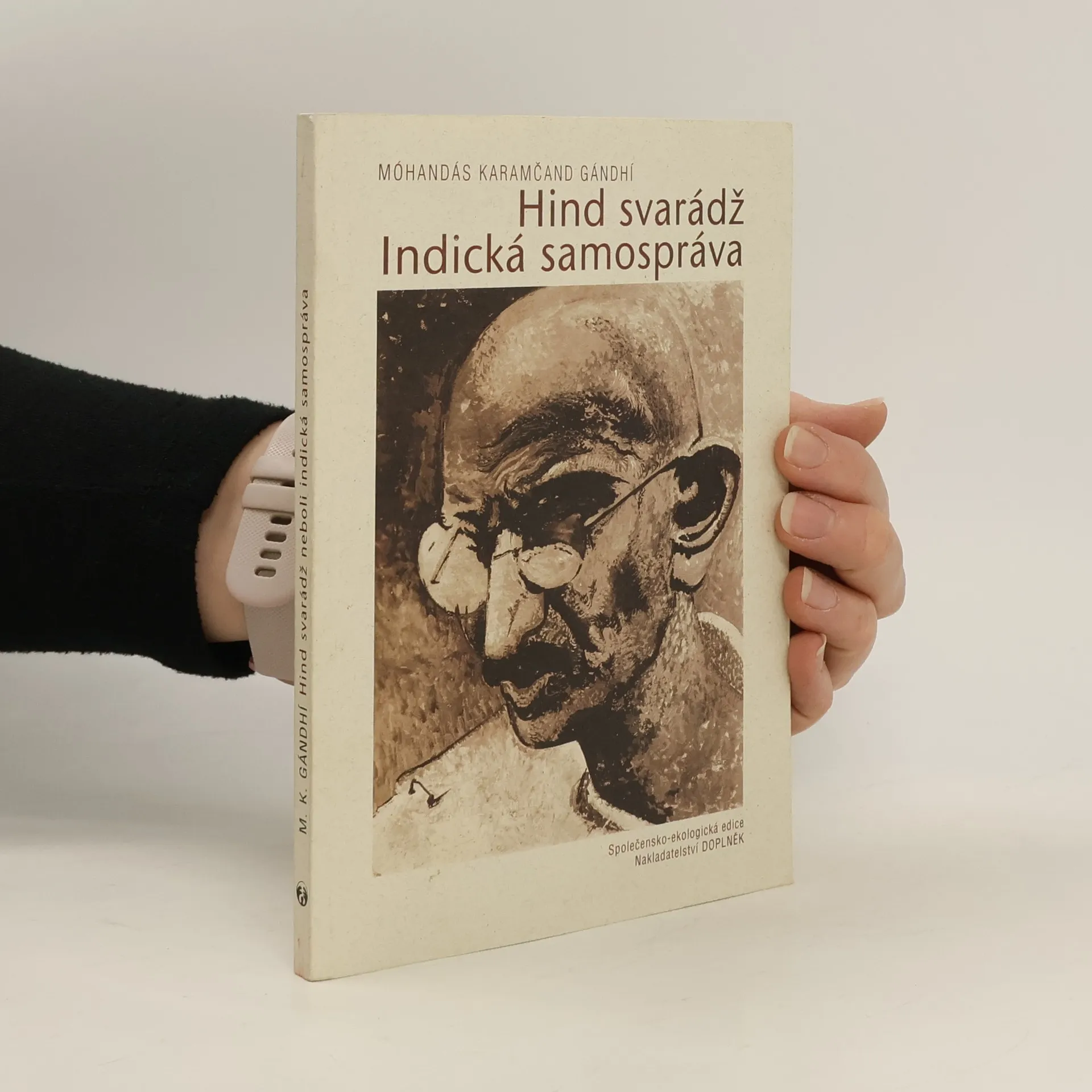
Ve fiktivním rozhovoru předkládá autor svůj pohled na Indii, indický národ a jeho cestu k nezávislosti, na svět, náboženství a moderní civilizaci. Kniha zaujme jasností Gándhího rané vize, o jejíž uskutečnění později v Indii usiloval, a zejména hloubkou a ostrostí jeho kritiky moderní společnosti.
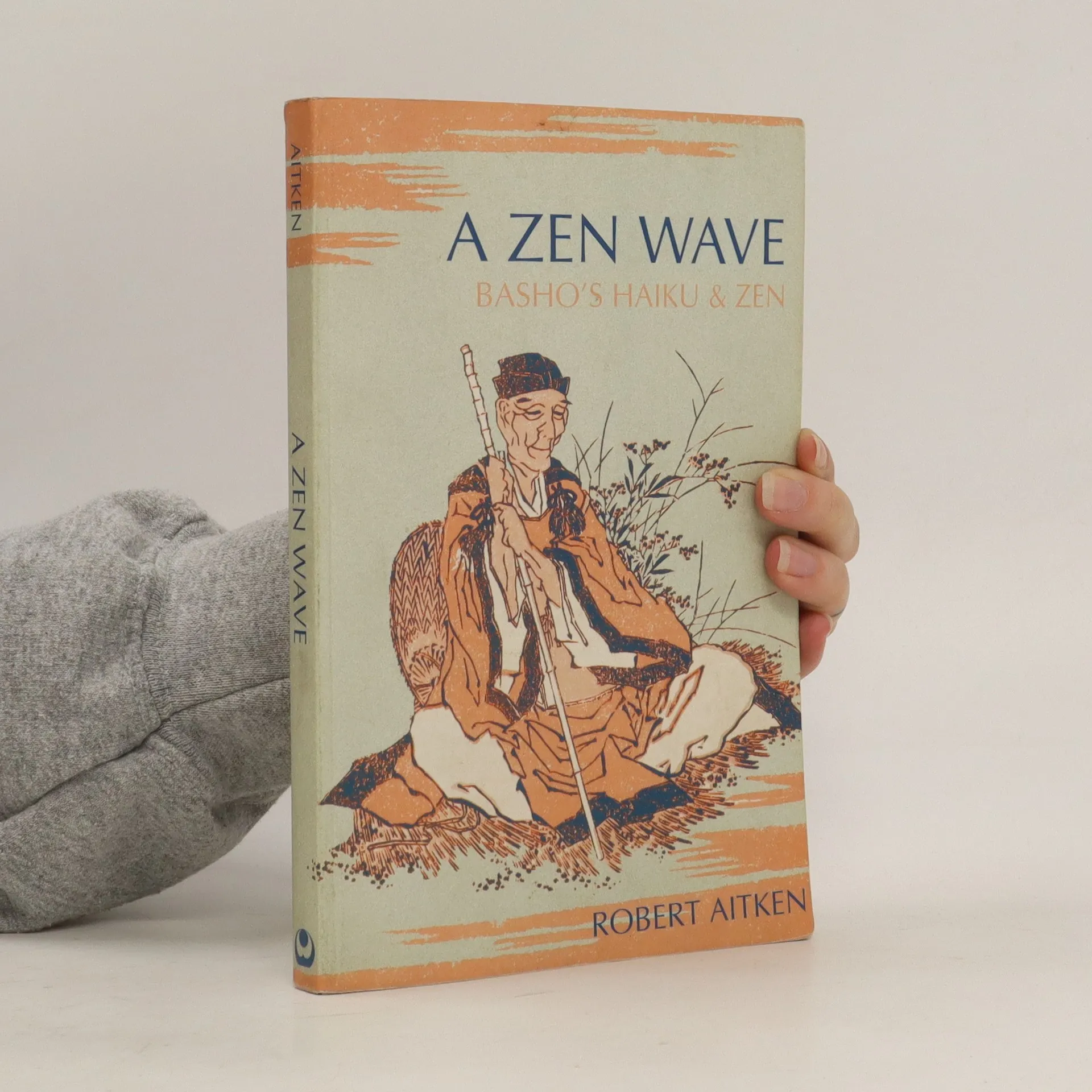
Zen Buddhism distinguishes itself by brilliant flashes of insight and its terseness of expression. The haiku verse form is a superb means of studying Zen modes of thought and expression, for its seventeen syllables impose a rigorous limitation that confines the poet to vital experience. Here haiku by Matsuo Basho (1644-94) — the greatest Japanese haiku poet — are translated by Robert Aitken, with commentary that provides a new and deeper understanding of Basho’s work than ever before. In presenting themes from the haiku and from Zen literature that open the doors both to the poems and to Zen itself, Aitken has produced the first book about the relationship between Zen and haiku. His readers are certain to find it invaluable for the remarkable revelations it offers.
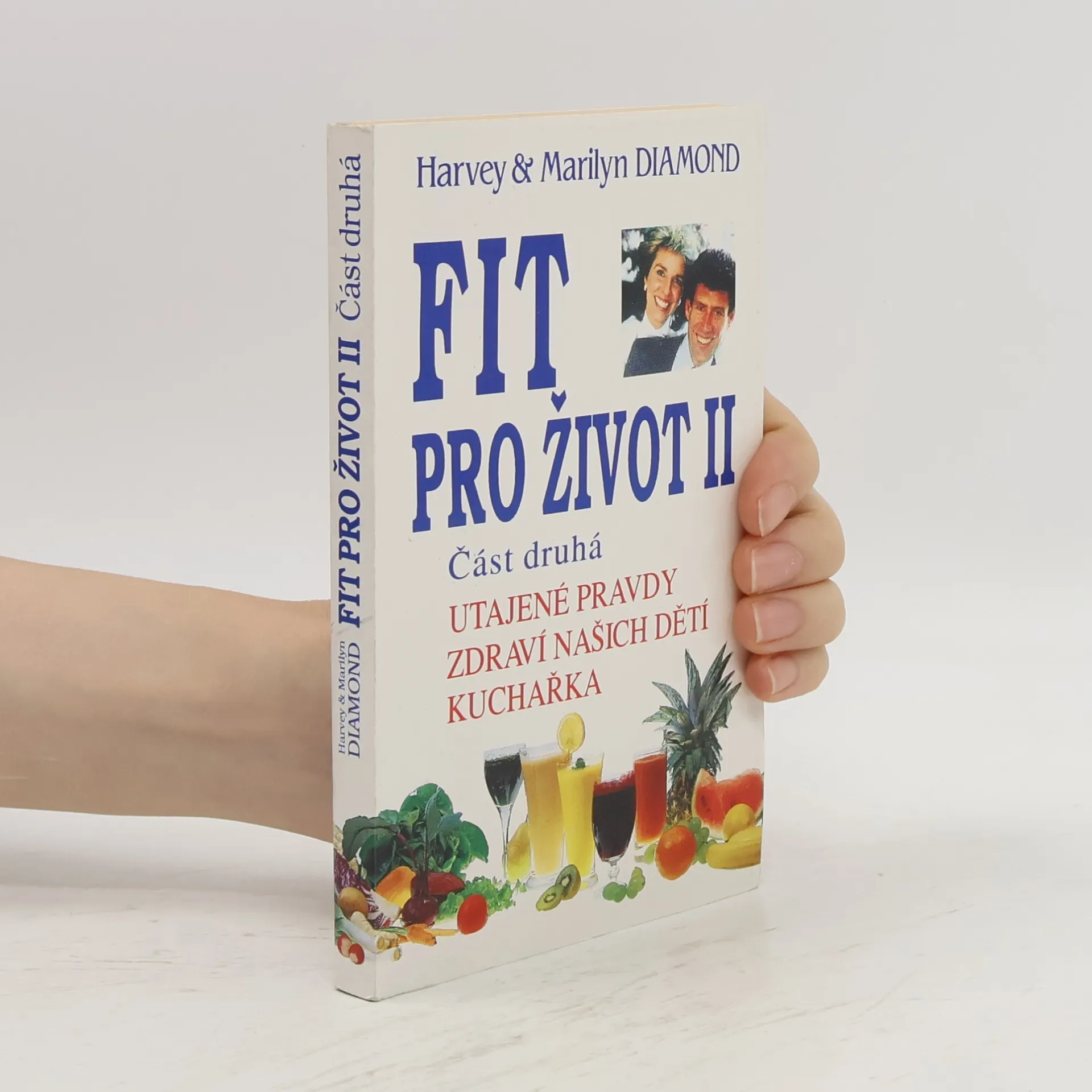
Základním tématem knihy je myšlenka, že každý člověk musí přijmout určitý díl odpovědnosti za své uzdravení z nemoci. Myšlenka o pacientově odpovědnosti není samozřejmě ničím novým, ale její základní filozofie byla jen málokdy vyslovena lépe, než v této knize. Autorovy postřehy o povaze stresu a schopnosti lidské mysli mobilizovat síly těla v boji s nemocí, jsou v souladu s objevy moderní lékařské vědy.