Focusing on ceremonial practices in Sri Lanka, the book explores key ideas and symbolic systems that continue to influence contemporary culture. It critically analyzes how these traditions have evolved while retaining their core elements, revealing the underlying significance and continuity of these rituals in modern society.
Gananath Obeyesekere Reihenfolge der Bücher (Chronologisch)

This book examines culture, religion and polity in the context of Buddhism. Gananath Obeyesekere, one of the foremost analytical voices from South Asia develops Freud’s notion of ‘dream work’, the ‘work of culture’ and ideas of no-self ( anatta ) to understand Buddhism in contemporary Sri Lanka. This work offers a restorative interpretation of Buddhist myths in contrast to the perspective involving deconstruction. The book deals with a range of themes connected with Buddhism, including oral traditions and stories, the religious pantheon, philosophy, emotions, reform movements, questions of identity and culture, and issues of modernity. This fascinating volume will greatly interest students, teachers and researchers of religion and philosophy, especially Buddhism, ethics, cultural studies, social and cultural anthropology, Sri Lanka and modern South Asian history.
Focusing on the interplay of culture, religion, and governance within Buddhism, this book provides a restorative interpretation of Buddhist myths, challenging traditional deconstructive views. It explores oral traditions, the religious pantheon, and philosophical concepts, while addressing emotions, reform movements, and the complexities of identity and culture in the face of modernity.
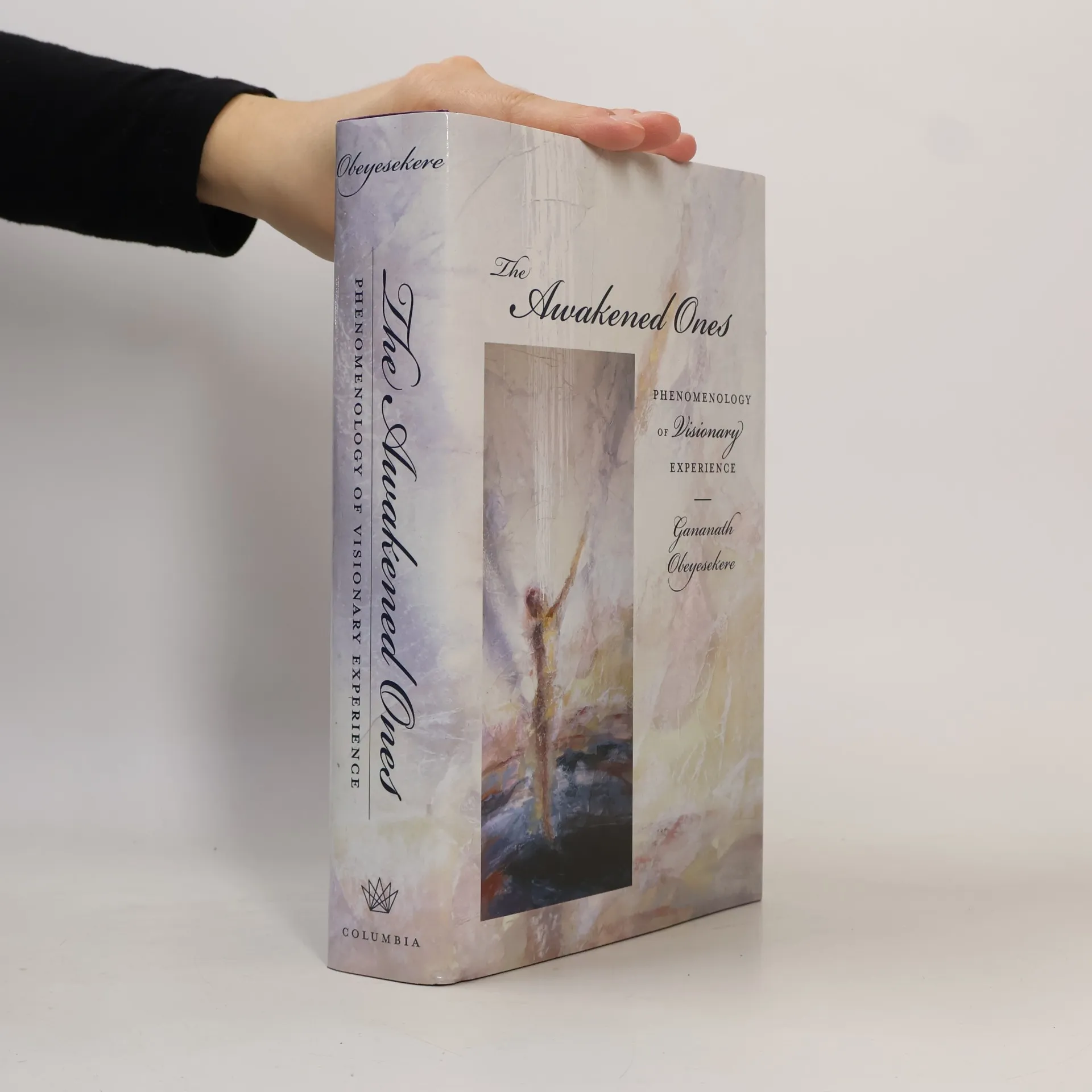
Gananath Obeyesekere explores the depths of visionary experiences, merging Buddhist and European perspectives to reveal a richer understanding beyond rational consciousness. He delves into the symbolic and nonrational aspects of visions and dreams, reigniting intuitive and creative impulses that enhance comprehension. By integrating psychoanalysis and anthropology, he examines the interplay between personal symbolism and religious experience. The exploration begins with Buddha's transformative trances, where he perceives countless past lives and the cyclical nature of existence. This leads to a discussion of a female Christian penitent who, fixated on a crucifix, experiences an expansion of space reflecting Christ's suffering. Obeyesekere investigates the unconscious motivations behind rapture, the consumption of Christ's body and blood, and phenomena such as body mutilation and levitation, linking medieval Catholicism to early modern thought, as seen in William Blake's visions. He introduces the concept of "dream-ego," discussing visionary journeys and the scientific approaches of Carl Jung and Sigmund Freud, alongside New Age dream-visions. This work culminates in a visionary mode of knowledge, offering a more flexible understanding of truth and translating the epistemology of Hindu and Buddhist thinkers for Western audiences while reinvigorating philosophical and scientific inquiry.
Focusing on land tenure and social structure, this anthropological study explores the dynamics within the Ceylonese village of Madagama. It examines how land ownership influences community relationships and social hierarchies, providing insights into the cultural and economic factors that shape village life. Through detailed observations, the work reveals the intricate connections between land use and social organization in this unique setting.
Hair: Its Power and Meaning in Asian Cultures
- 314 Seiten
- 11 Lesestunden
Exploring the multifaceted meanings of hair in Asian cultures, the book delves into its significance as a symbol of identity, beauty, and social status across various contexts. Contributors analyze a range of evidence—from literary and archaeological to religious and ethnographic—addressing themes such as hair codes, community norms, and the interplay of privilege and rebellion. The work highlights diverse interpretations of hair, including its associations with femininity, virility, and societal constructs, revealing how hair communicates complex cultural narratives.
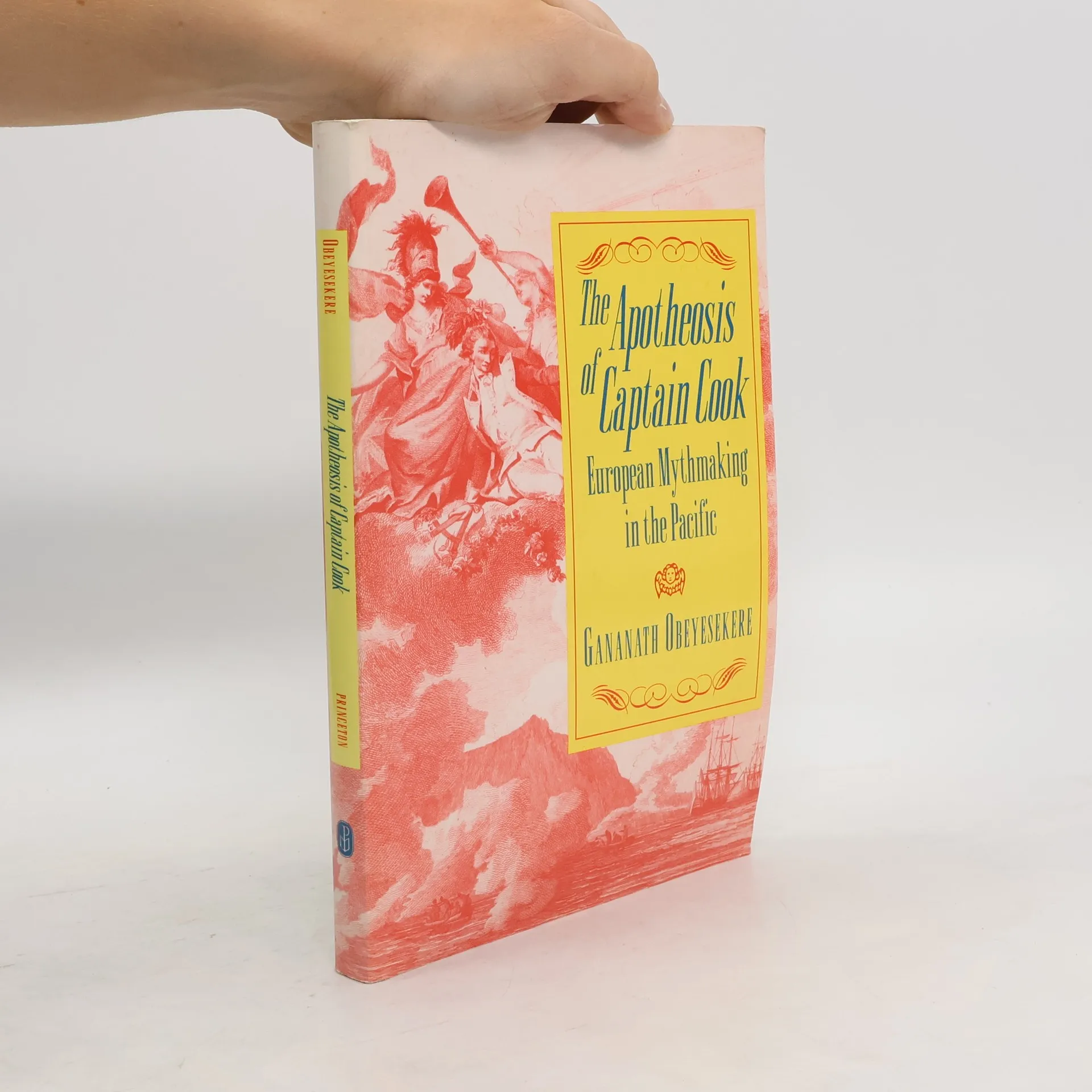
Here Gananath Obeyesekere debunks one of the most enduring myths of imperialism, civilization, and conquest: the notion that the Western civilizer is a god to savages. Using shipboard journals and logs kept by Captain James Cook and his officers, Obeyesekere reveals the captain as both the self-conscious civilizer and as the person who, his mission gone awry, becomes a savage himself. In this new edition of The Apotheosis of Captain Cook , the author addresses, in a lengthy afterword, Marshall Sahlins's 1994 book, How Natives Think , which was a direct response to this work.