

Histories of American radical left groups are plentiful, covering the Communist Party, Trotskyist movements, and the New Left. However, little information exists about the contemporary radical left, which this book addresses. Many mistakenly believe that American radicalism vanished with the New Left's decline in the early 1970s. While the 1980s were challenging for radicals, with discredited ideologies and internal strife, history shows that such movements can rebound. Notably, Marxist-Leninist groups often wield influence disproportionate to their size. The first part examines the Communist Party of the United States, the largest Marxist-Leninist group, which has around 15,000 members and is experiencing growth. It also explores various front groups created by the party to engage broader support. The second part focuses on smaller, more militant Trotskyist, Maoist, and other Marxist-Leninist organizations, many with fewer than a thousand members, including offshoots of the New Left. The third part addresses organizations that operate independently of formal Marxist-Leninist ties but share similar objectives, particularly in their criticism of Israel and American foreign policy. The author argues that these far-left groups often support oppressive regimes and collaborate with those undermining democracy and intellectual freedom, distinguishing them from democratic socialists who reject Marxism-Leninism. This book provides a
Harvey Klehr Bücher



Early Cold War Spies
- 264 Seiten
- 10 Lesestunden
This book explores the evolution of American anticommunism from the 1920s to the Cold War, highlighting key spy trials of the era. It examines how these cases, involving Communist cooperation with Soviet espionage, intensified public fear and scrutiny, while also navigating the challenges of the American justice system.
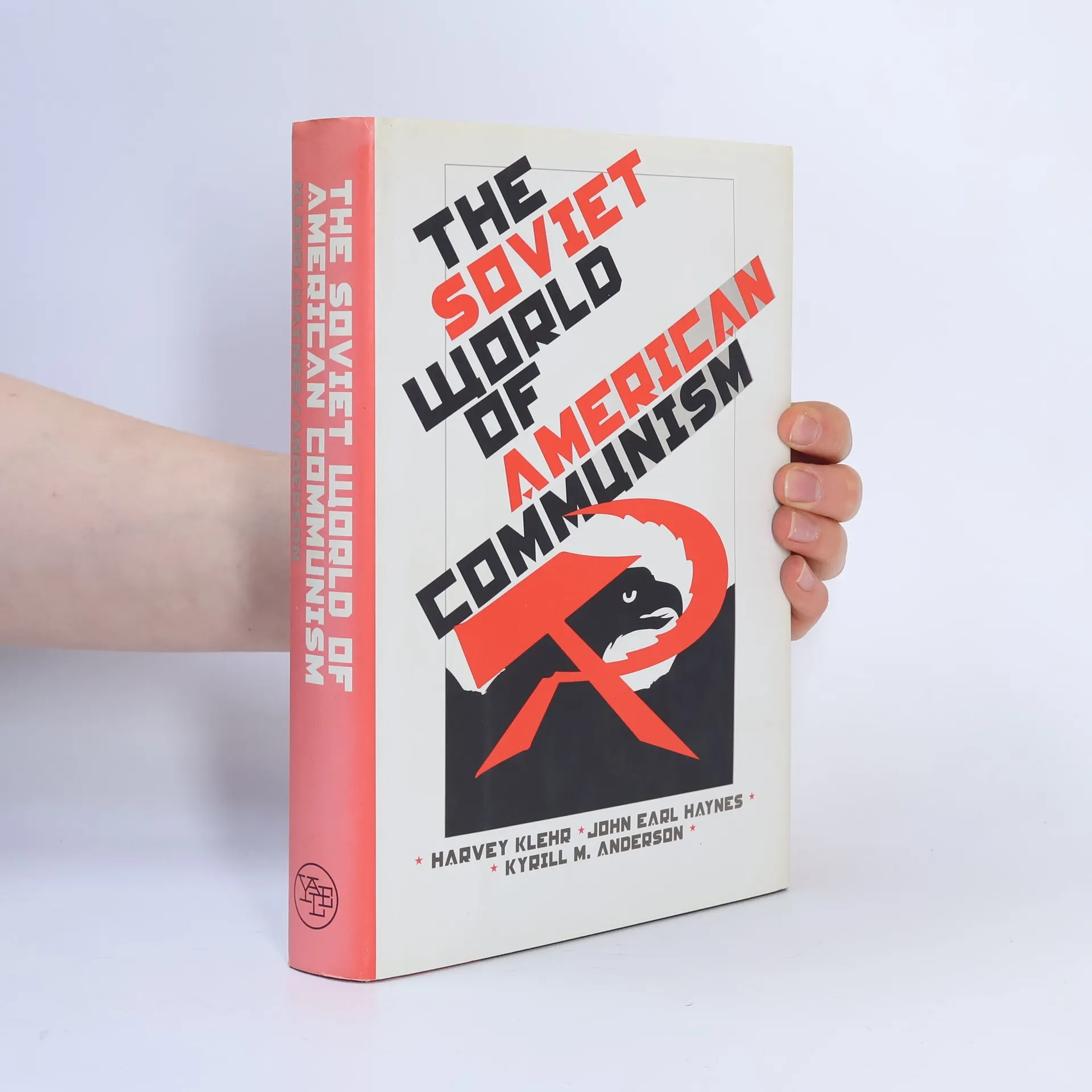
Annals of Communism: The Soviet World of American Communism
- 378 Seiten
- 14 Lesestunden
The Secret World of American Communism (1995) sparked global interest with its revelations about Communist party covert operations in the U.S. Now, the American authors, alongside Soviet archivist Kyrill M. Anderson, present a second volume of significant social, political, and historical relevance. Utilizing newly accessible documents from Russian archives, this work conclusively reveals the deep and ongoing connections between the Communist Party of the United States of America (CPUSA) and Moscow. The authors meticulously investigate personal, organizational, and financial ties, demonstrating that Moscow exerted extensive control over the CPUSA, including its grassroots members. The prevailing notion that the CPUSA was primarily an idealistic organization dedicated to social justice must be fundamentally reassessed. While some members may have been unaware of Soviet influence, the leadership was certainly cognizant. The authors provide detailed explanations and annotations for ninety-five documents, many presented in full, along with numerous quotes from other sources that illuminate the inner workings of the American Communist party. Key findings include: the USSR covertly funded a significant portion of the CPUSA budget from the early 1920s until the late 1980s; Moscow issued directives that the CPUSA followed regarding political decisions and leadership appointments; and the CPUSA supported Stalin’s purges and the persecu
The Secret World of American Communism
- 348 Seiten
- 13 Lesestunden
By interweaving narrative and documents, the authors of this book present a picture of the Communist Party of the United States of America (CPUSA), one of the most controversial organizations in American public life. Heated debates about whether the Communist Party harboured spies or engaged in espionage have surrounded the party from its inception. This book provides proof that the CPUSA was involved in various subversive activities. At the same time, it discloses details about the workings of the party and about the ordinary Americans and CPUSA leaders who participated in its clandestine activities.
Focusing on key espionage incidents from the early Cold War, this 2006 publication delves into the intricate world of spies and intelligence operations. It examines notable cases that shaped international relations and explores the motivations and consequences behind these covert activities, providing a comprehensive understanding of the era's geopolitical tensions. The book offers insights into the lives of spies and their impact on history, making it a significant resource for those interested in Cold War dynamics.