Wolfgang Streeck legt in seinen Frankfurter Adorno-Vorlesungen die Wurzeln der gegenwärtigen Finanz-, Fiskal- und Wirtschaftskrise frei, indem er sie als Moment der langen neoliberalen Transformation des Nachkriegskapitalismus beschreibt. Er analysiert, wie sich die Spannung zwischen Demokratie und Kapitalismus über vier Jahrzehnte entfaltet hat und welche Konflikte daraus resultierten. Schließlich beleuchtet er den Umbau des europäischen Staatensystems und fragt nach den Aussichten für eine Wiederherstellung sozialer und wirtschaftlicher Stabilität. Im neuen Nachwort zur Taschenbuchausgabe zieht er eine erste Bilanz.
Wolfgang Streeck Bücher
27. Oktober 1946

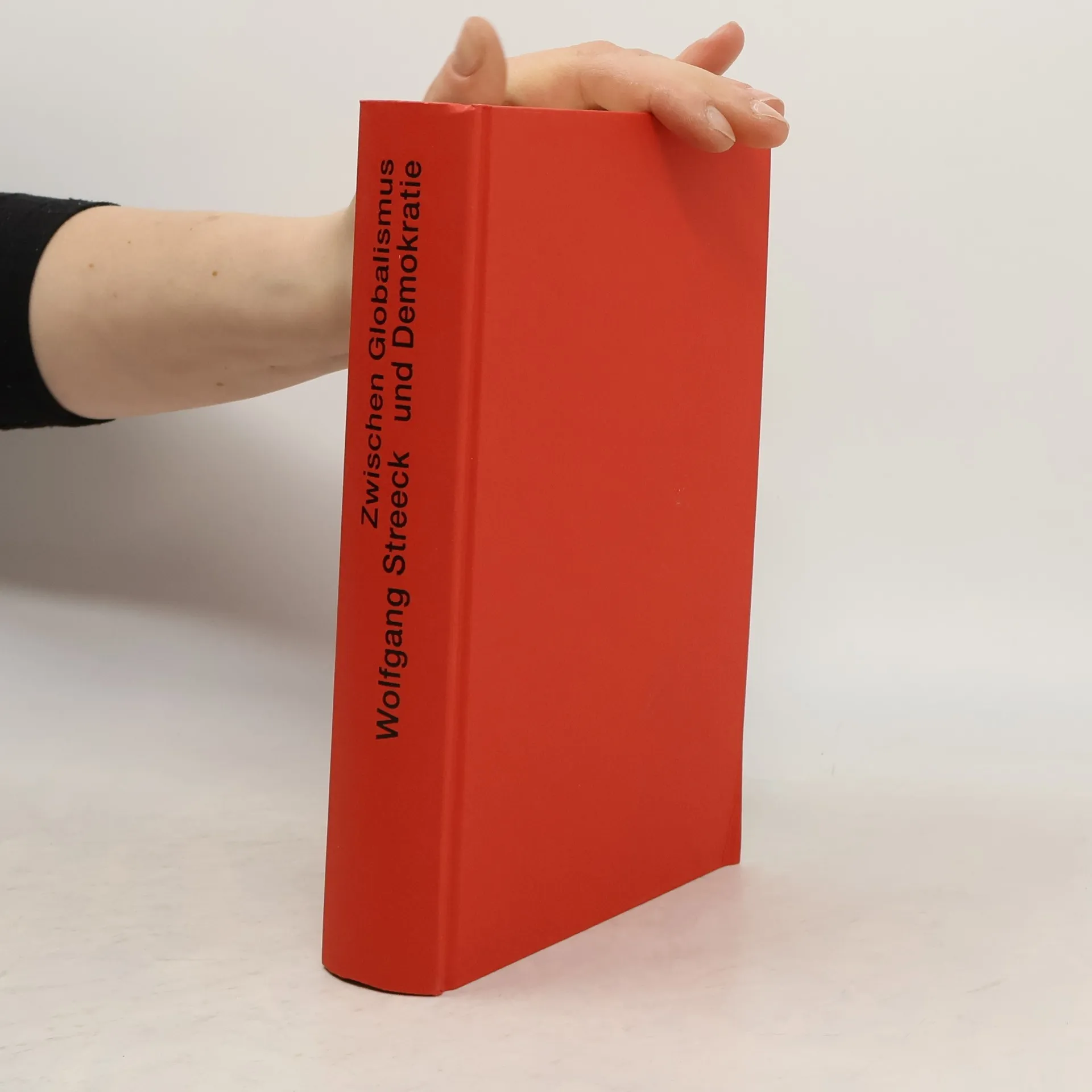

Zwischen Globalismus und Demokratie
Politische Ökonomie im ausgehenden Neoliberalismus
In der Hochphase des Neoliberalismus galt die Globalisierung als unvermeidlich und die umverteilende Demokratie als überholt. Wachsender Wohlstand für alle war das Versprechen, wachsende Unfähigkeit, die kapitalistische Ungleichheitsmaschine zu bändigen, ist das Ergebnis. Taumelnde Volksparteien, schrumpfende Gewerkschaften und grassierende Zweifel an der Leistungsfähigkeit demokratischer Institutionen sind die eine Folge dieser Entwicklung. Die andere sind Bewegungen wie die »Gelbwesten« sowie neue Parteien an den Rändern des politischen Spektrums. Längst hat in vielen Ländern ein Tauziehen um die politische Ordnung begonnen, das die Gesellschaften zu zerreißen droht.Angesichts dieser Situation, deren Ursachen im Zuge der Corona-Pandemie noch schärfer hervortreten, ist die Zeit reif für eine grundlegende Entscheidung, sagt Wolfgang Streeck in seinem fulminanten neuen Buch. Soll es mit dem Umbau des Staatensystems weitergehen wie gehabt, das heißt in Richtung einer noch stärkeren überstaatlichen Zentralisierung? Oder wäre der Weg in eine moderne, auf friedliche Kooperation ausgerichtete »Kleinstaaterei« die bessere Lösung? Mit dem Ziel einer Neubegründung demokratischer Politik vor Augen fällt sein Votum eindeutig aus: für den zweiten Weg, auch und gerade in Europa.
Gewerkschaftliche Organisationsprobleme in der sozialstaatlichen Demokratie
- 510 Seiten
- 18 Lesestunden
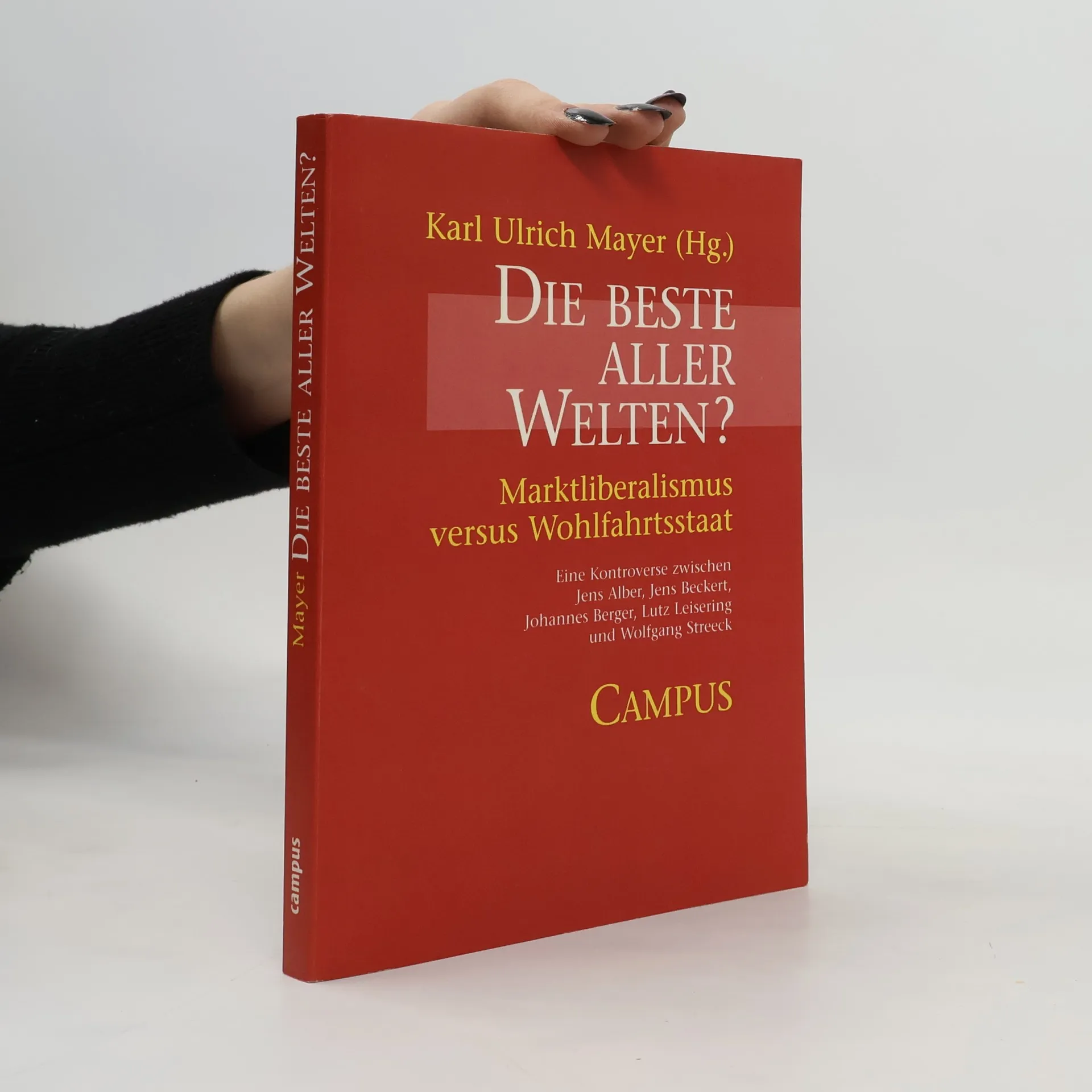
Die beste aller Welten? Marktliberalismus versus Wohlfahrtsstaat.
- 196 Seiten
- 7 Lesestunden
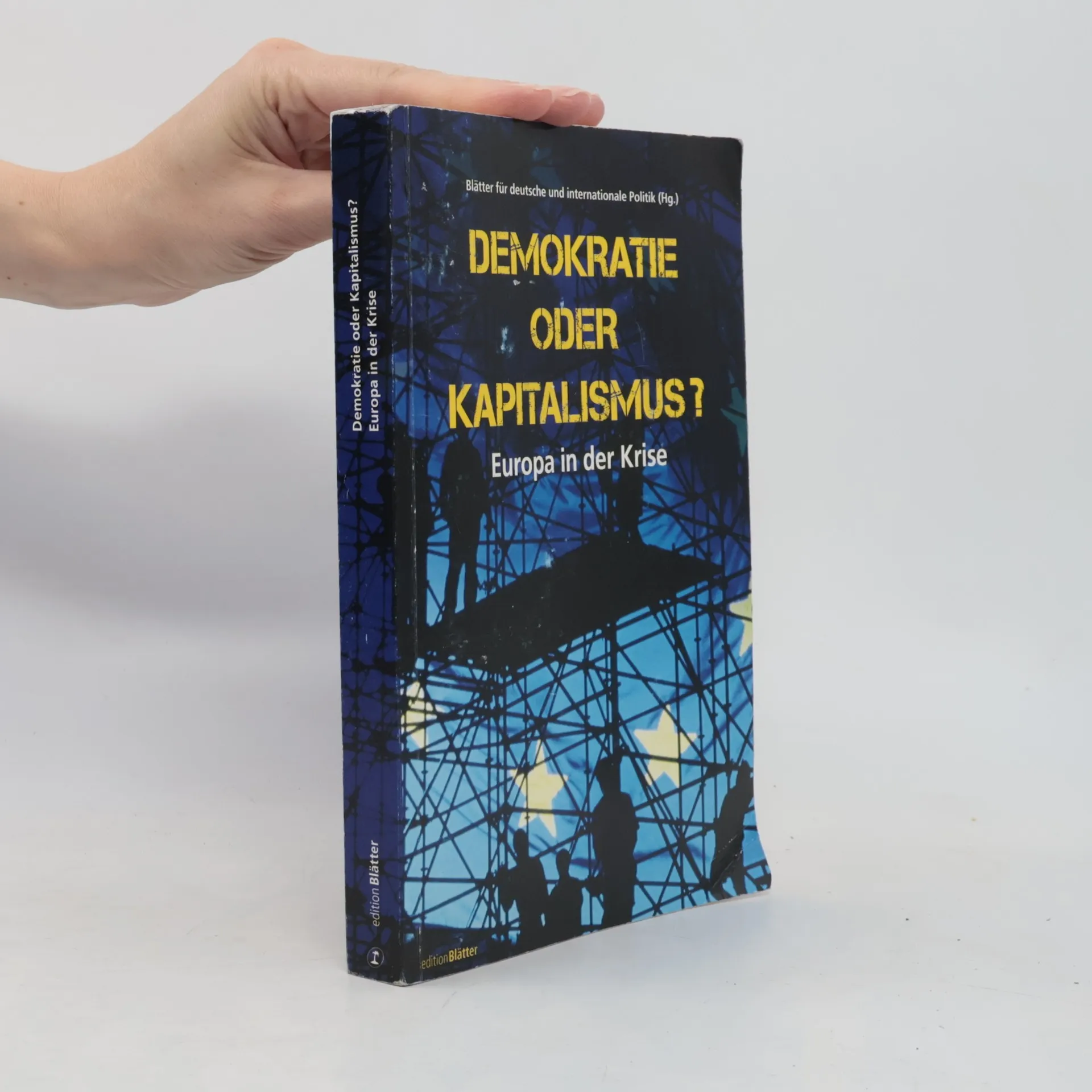
Demokratie oder Kapitalismus?: Europa in der Krise
- 288 Seiten
- 11 Lesestunden
Re-forming capitalism
- 297 Seiten
- 11 Lesestunden
Wolfgang Streeck is a leading figure in comparative political economy and institutional theory. In this book he addresses some of the key arguments in these fields: the role of history in institutional analysis, the dynamics of slow institutional change, and the recurrent difficulties of restraining the effects of capitalism on social order.
In the countries of the global north, workplace democracy may be thought of as a thing of the past. Today, working relations are regulated primarily by contract; workforces are increasingly fissured and fragmented. What are the consequences of this? How should we respond? Ruth Dukes and Wolfgang Streeck argue that the time is ripe to restate the principles of industrial democracy and citizenship for the post-industrial era. Considering developments within political economy, employment relations and labour law since the postwar decades, they trace the rise of globalization and the “dualisation” of labour markets - the emergence of a core and periphery of workers - and the progressive insulation of working relations from democratic governance. What these developments amount to, they argue, is an urgent need for political intervention to tame the new world of “gigging” and other forms of highly precarious work. This, according to the authors, will require far-reaching institution-building, designed to fill legal concepts such as “employment” with political substance. This eloquent call for a reimagining and renewal of the institutional and material conditions of freedom of association and the reinvention of industrial democracy will be crucial reading for anyone interested in work in the 21st century.
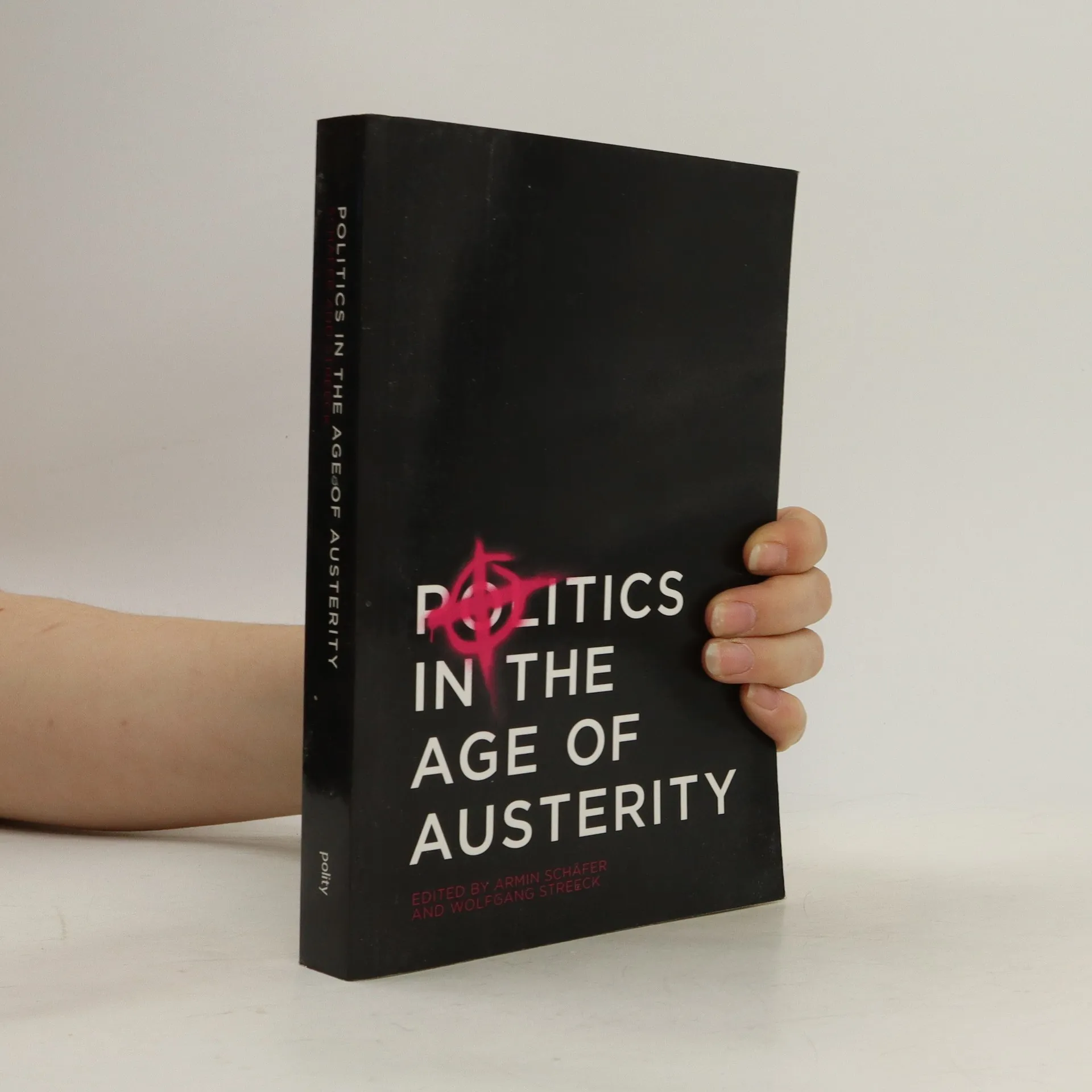
Politics in the Age of Austerity
- 320 Seiten
- 12 Lesestunden
In a world of increasing austerity measures, democratic politics comes under pressure. With the need to consolidate budgets and to accommodate financial markets, the responsiveness of governments to voters declines. However, democracy depends on choice. Citizens must be able to influence the course of government through elections and if a change in government cannot translate into different policies, democracy is incapacitated. Many mature democracies are approaching this situation as they confront fiscal crisis. For almost three decades, OECD countries have - in fits and starts - run deficits and accumulated debt. As a result, an ever smaller part of government revenue is available today for discretionary spending and social investment and whichever party comes into office will find its hands tied by past decisions. The current financial and fiscal crisis has exacerbated the long-term shrinking government discretion; projects for political change have lost credibility. Many citizens are aware of this situation: they turn away from party politics and stay at home on Election Day. With contributions from leading scholars in the forefront of sociology, politics and economics, this timely book will be of great interest to students and scholars throughout the social sciences as well as general readers.
The origins of nonliberal capitalism
- 304 Seiten
- 11 Lesestunden
In this book, German sociologists and American and Japanese political scientists draw extensively on the work of economists and historians from their home countries, as well as from the United Kingdom and France.
The provocative political thinker asks if it will be with a bang or a whimper
Exploring the impact of globalization on state sovereignty, this book examines how states are adapting to maintain control in an interconnected world. It analyzes the evolving roles of national governments, the challenges posed by transnational forces, and the strategies employed by states to reclaim authority. Through various case studies, the text highlights the tension between global integration and local governance, offering insights into the future of state systems in a rapidly changing political landscape.
Beyond Continuity Institutional Change in Advanced Political Economies (Paperback)
- 310 Seiten
- 11 Lesestunden
Focusing on theories of institutional change, this collection features contributions from various disciplines that critique existing models for their inadequacy in analyzing national-level transformations. The authors argue for a new understanding of political economies evolving through incremental yet significant processes. They present a typology of institutional change that distinguishes between different models, providing valuable insights into mechanisms of social and political stability and broader evolution.
Critical Encounters
- 240 Seiten
- 9 Lesestunden
An anthology of long-read book reviews by one of the European left’s foremost political economists From the acclaimed author of How Will Capitalism End? comes an omnibus of long-form critical essays engaging with leading economists and thinkers. Critical Encounters draws on Wolfgang Streeck’s inimitable writing for the London Review of Books and New Left Review, among other publications. It opens with treatments of two contrasting historical eras—factory capitalism and financialization—and three of the world’s major economies: the United States, France and Germany. A middle section surveys the hollowing out of Western democracies and reviews Yanis Varoufakis’s “strange but indispensable” memoir of the eurozone crisis. Delving into the world of ideas, Streeck discusses the work of Quinn Slobodian, Mark Blyth, Jürgen Habermas and Perry Anderson. Finally, he zooms out to compare his home discipline of sociology to natural history, giving a remarkable and non-deterministic reading of Charles Darwin. In the preface, Streeck reflects on the art (or craft) of book reviewing and the continuing merits of the book form. Critical Encounters also includes a series of “Letters from Europe,” penned as the coronavirus descended upon the Continent.
Targeted at academics, researchers, and advanced students, this book delves into the intersections of Social Sciences, with a strong emphasis on Political Economy, Sociology, and Institutional Theory. It offers insights into Comparative Business Systems, making it a valuable resource for those exploring complex social structures and economic interactions.
Wolfgang Streeck wirft ein Licht auf die institutionelle Struktur der deutschen Variante des modernen Kapitalismus, insbesondere die Rolle intermediärer Organisationen sowie die Wechselwirkung zwischen nationalen Organisationsformen und supranationaler Integration. Im Mittelpunkt stehen die Besonderheiten des deutschen politisch-ökonomischen Systems, das Verhältnis von Staat und Verbänden, die »soziale Dimension« der europäischen Integration und ihr Verhältnis zur Sozialpolitik der Mitgliedstaaten sowie die Folgen des europäischen Einigungs- und Liberalisierungsprozesses für die Institutionalisierung des Klassenkonflikts auf nationaler und supranationaler Ebene.
The German model of codetermination and cooperative governance
- 40 Seiten
- 2 Lesestunden
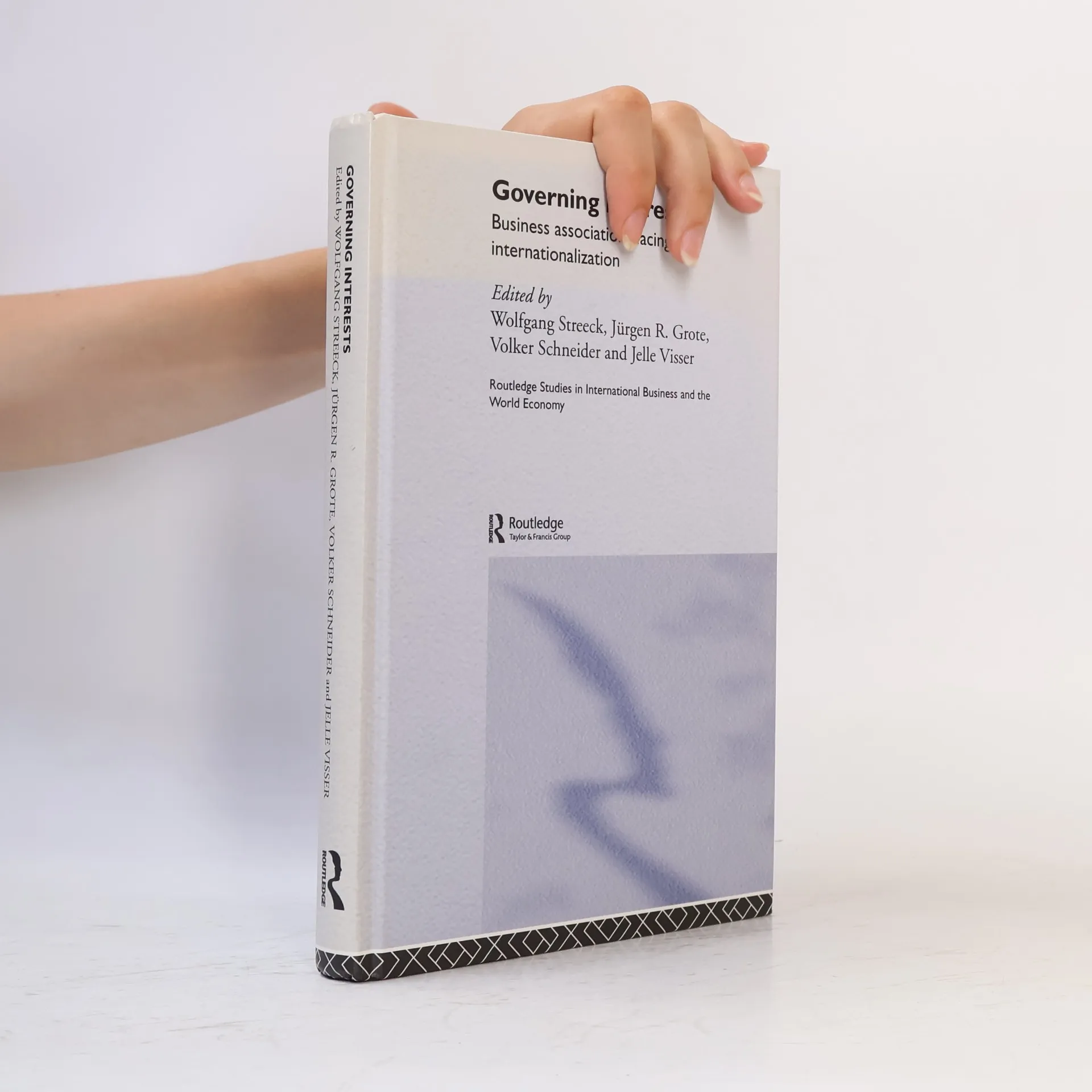
Routledge Studies in International Business and the World Economy: Governing Interests
Business Associations Facing Internationalism
- 282 Seiten
- 10 Lesestunden
In the current period of globalization, Governing Interests presents new research on the impact of internationalization on the organization and representation of business interests through trade and employer associations. By exploring ongoing, gradual, but nevertheless profound changes in the structures and functions of business interest associations, the book develops a precise understanding of the relationship between the national and the international. Both conceptual and empirical, some papers included in this significant volume adopt a ‘bird's eye view’ of the topic, whilst others concentrate on individual industries or countries, and several, through examination and analysis, consider the effects on interest representation and the repercussions on effective governance. Contributed to and edited by leading academics, the diversity of research questions and methods used in this volume provide the reader with an excellent understanding of the subject and, importantly, caution against rash simplifications. Comprehensive and scholarly, this text will be of particular relevance to political scientists and sociologists.