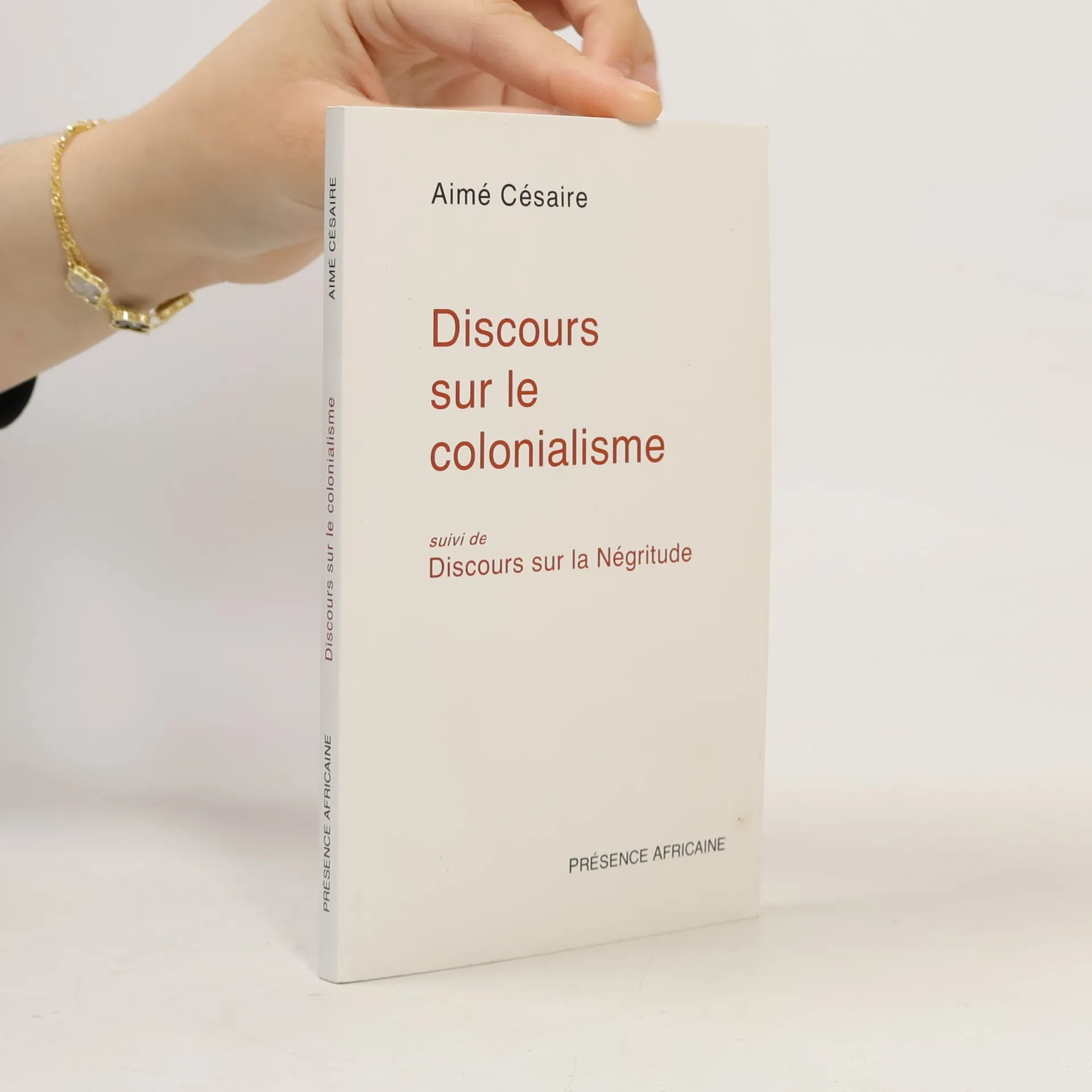
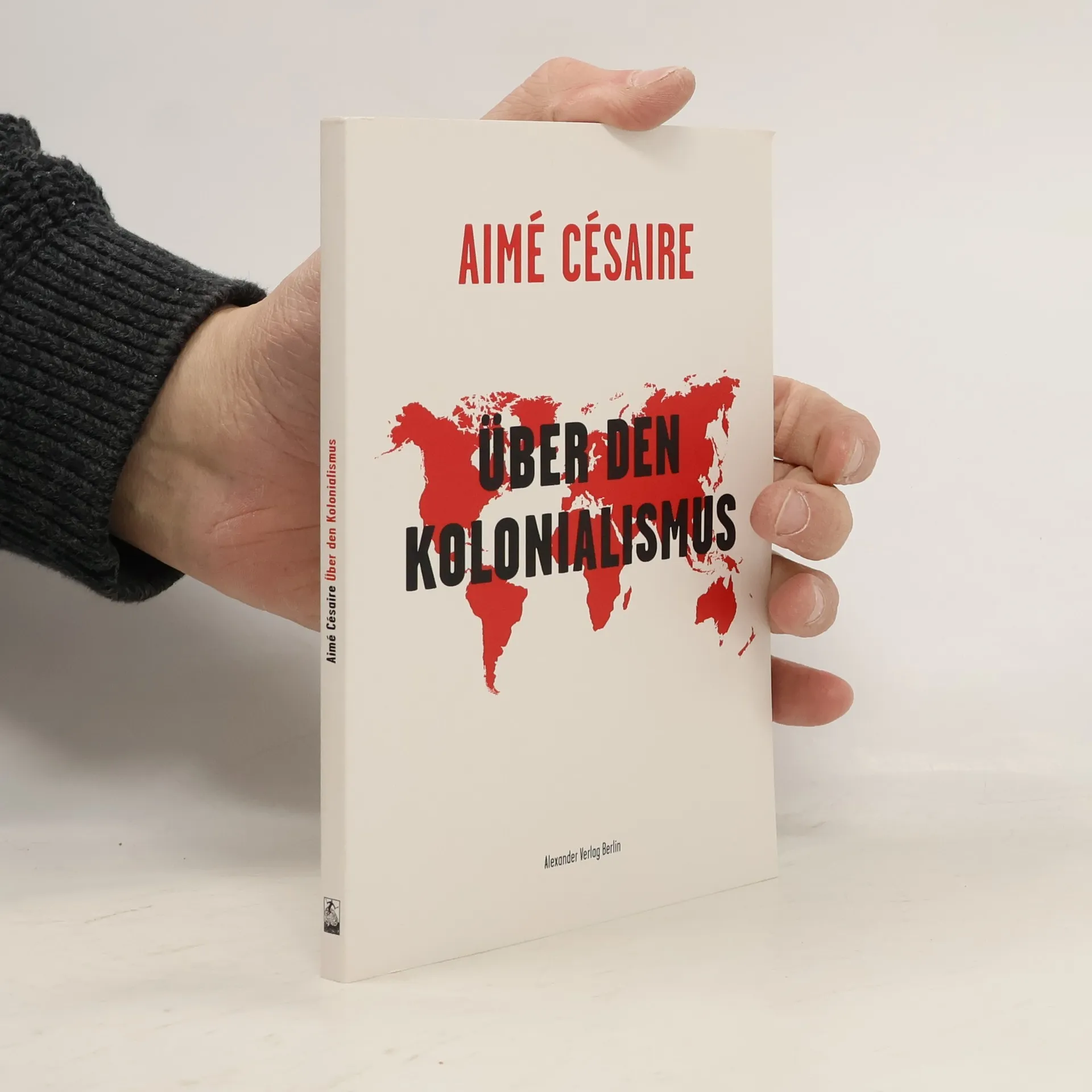
»Im »Discours sur le colonialisme«, erstmals 1950 veröffentlicht, prangert Césaire leidenschaftlich die Verbrechen und Gräuel an, die jahrhundertelang von Weißen an Schwarzen verübt worden waren und selbst nach dem Zweiten Weltkrieg in Indochina, auf Madagaskar und andernorts weiterhin verübt wurden. Mit unerbittlicher Logik hält Césaire der weißen Zivilisation den Spiegel ihrer Barbarei vor und zeigt, dass der Faschismus schon immer in ihr vorhanden war.« Heribert Becker
Aimé Césaire Bücher
26. Juni 1913 – 17. April 2008
Aimé Césaire war eine zentrale Stimme in Poesie und Politik, dessen Werk die Themen Identität und Kolonialismus eindringlich untersuchte. Verwurzelt in der Négritude-Bewegung, zeichnet sich sein Schreiben durch tiefen Lyrizismus und Dringlichkeit aus. Césaire strebte nach politischer und kultureller Befreiung, und seine Essays und Gedichte wurden zu grundlegenden Texten für den Kampf der afrikanischen Diaspora um Rechte. Sein Vermächtnis liegt in seiner Fähigkeit, künstlerische Brillanz mit politischem Aktivismus zu verbinden und den Marginalisierten eine Stimme zu geben.

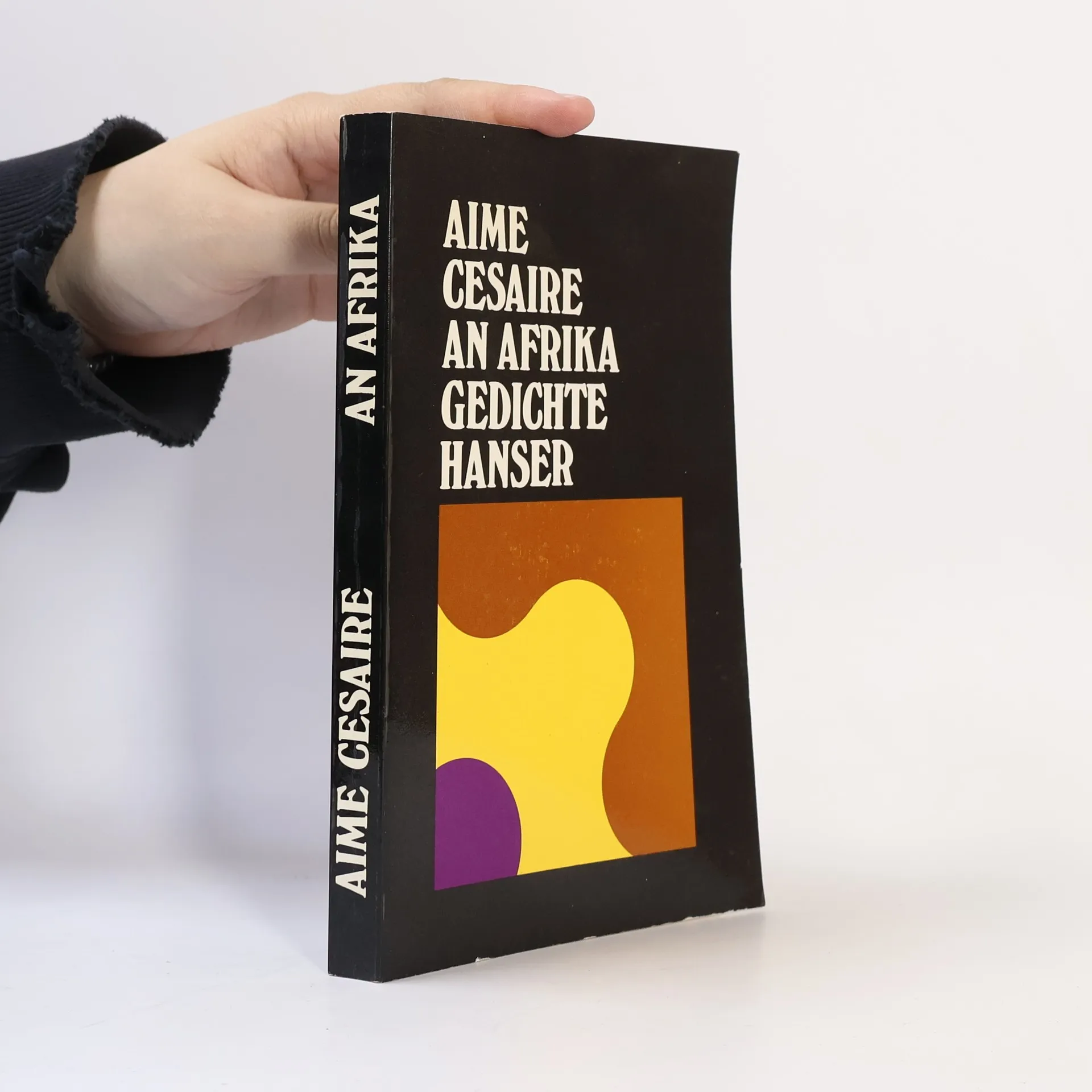


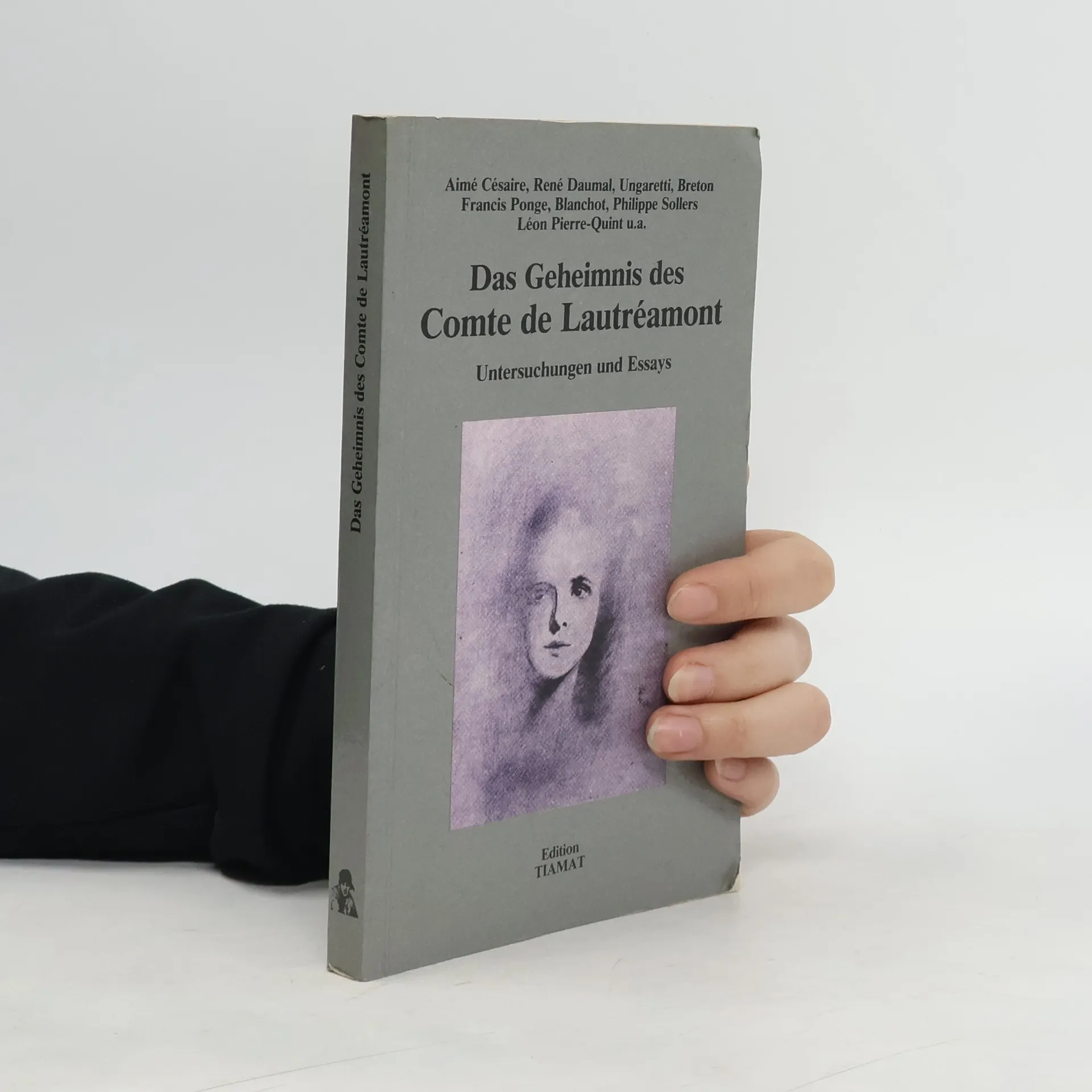
Das Geheimnis des Comte de Lautréamont
- 196 Seiten
- 7 Lesestunden
Ein Mensch, der schreit
- 334 Seiten
- 12 Lesestunden
Über zwanzig Jahre nach der letzten deutschen Ausgabe erscheint eine umfassende Sammlung der Gedichte Aimé Césaires, die seine antikolonialen Themen und den Reichtum seiner Sprache betont. Enthalten sind das berühmte Poem „Cahier d’un retour au pays natal“ sowie ein Gespräch mit Daniel Maximin und Anmerkungen des Übersetzers Klaus Laabs.
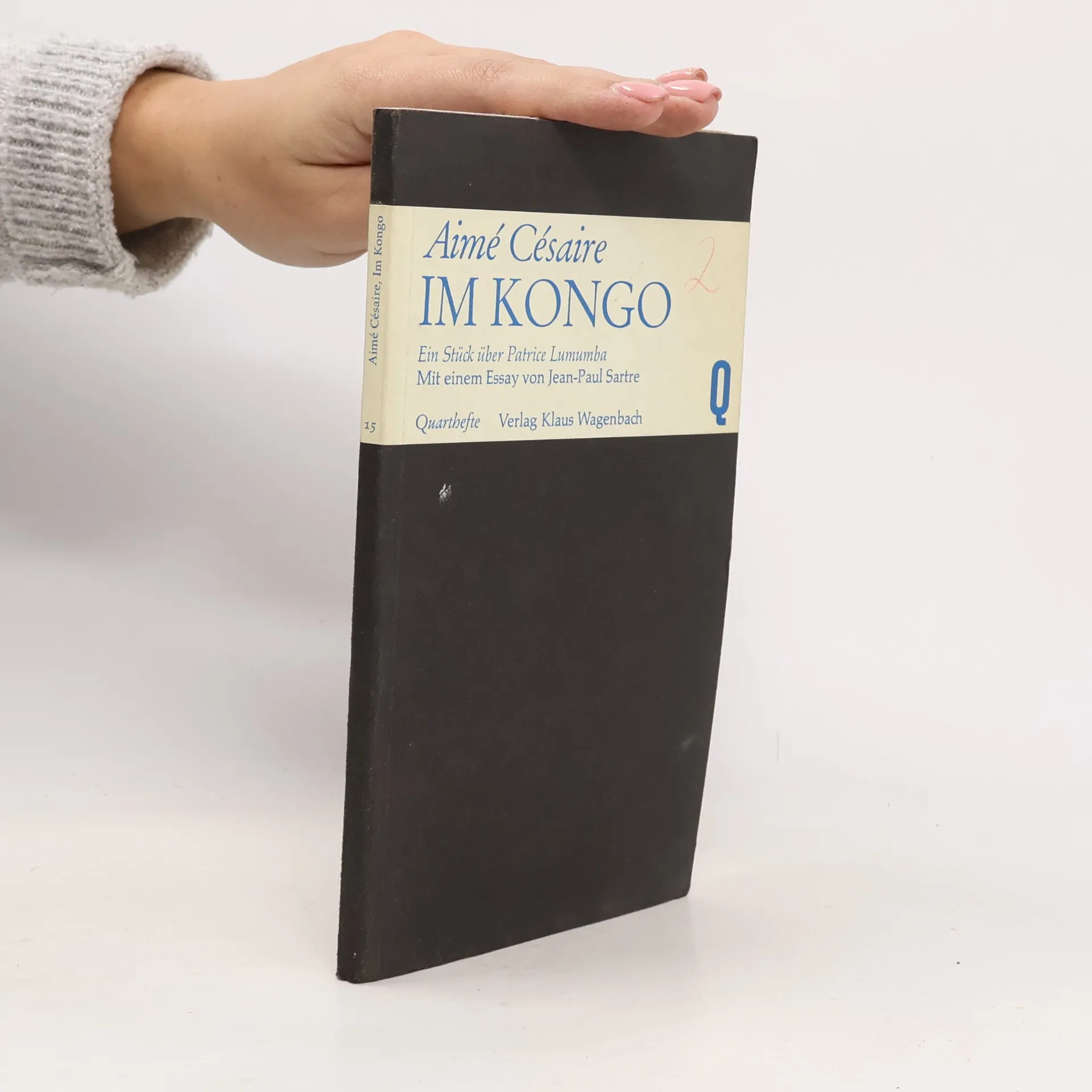
Im Kongo
Ein Stück über Patrice Lumumba
This unique collection stands out as the sole bilingual edition, showcasing a fresh and innovative approach to its themes. It offers readers an opportunity to engage with the text in two languages, enhancing the experience and accessibility. The work challenges conventional narratives and invites readers to explore diverse perspectives, making it a significant addition to contemporary literature.
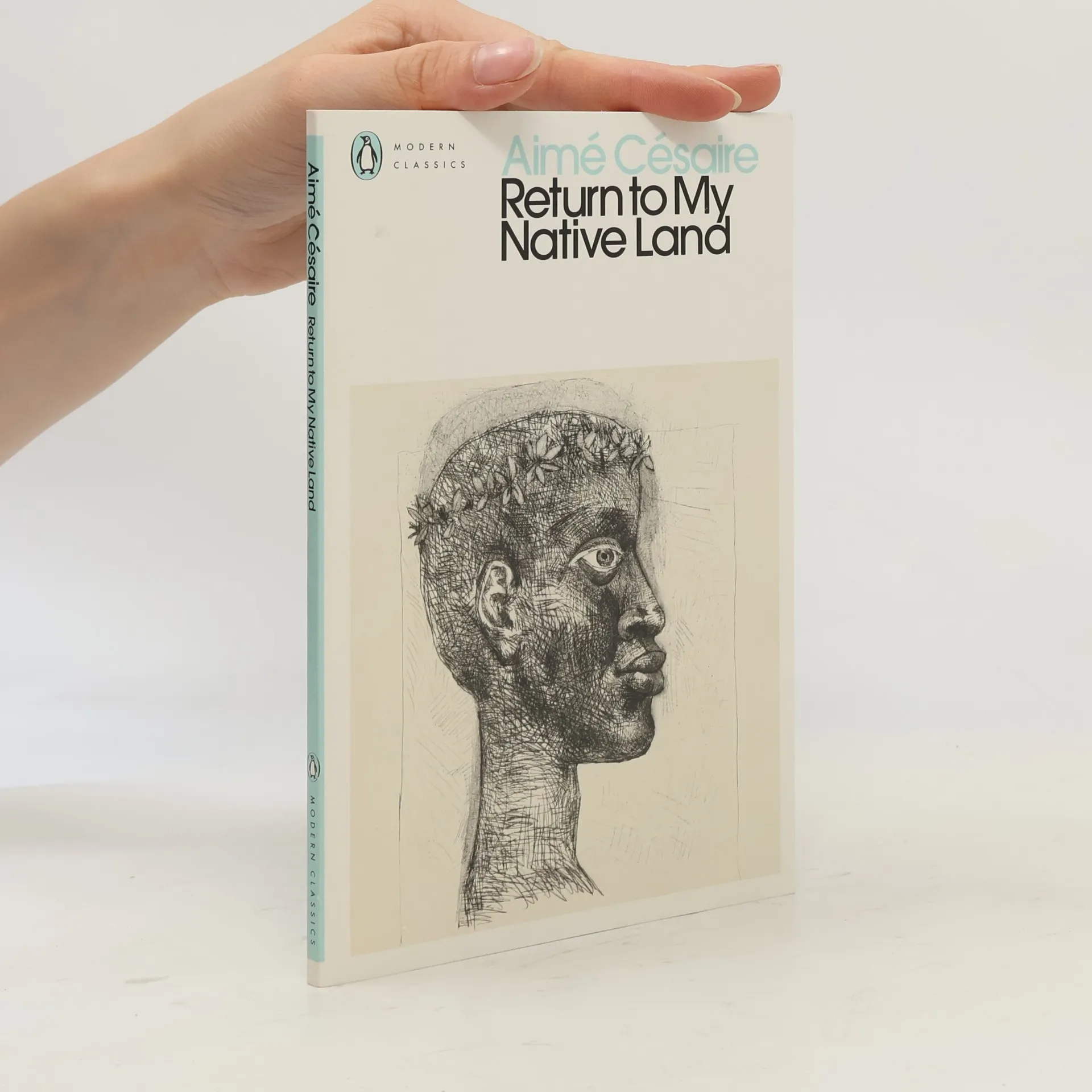
Return to My Native Land
- 96 Seiten
- 4 Lesestunden
'We shall speak. We shall sing. We shall shout.' This blazing autobiographical poem by the founder of the négritude movement became a rallying cry for decolonisation when it appeared in 1939. Following one man's return from Europe to his homeland of Martinique, it is a reckoning with the trauma of slavery and exploitation, and a triumphant anthem for Black identity, one which reclaims and remakes language itself. 'Nothing less than the greatest lyrical monument of this time' André Breton 'A Césaire poem explodes and whirls about itself like a rocket, suns burst forth whirling and exploding' Jean-Paul Sartre 'The most influential Francophone Caribbean writer of his generation' Independent
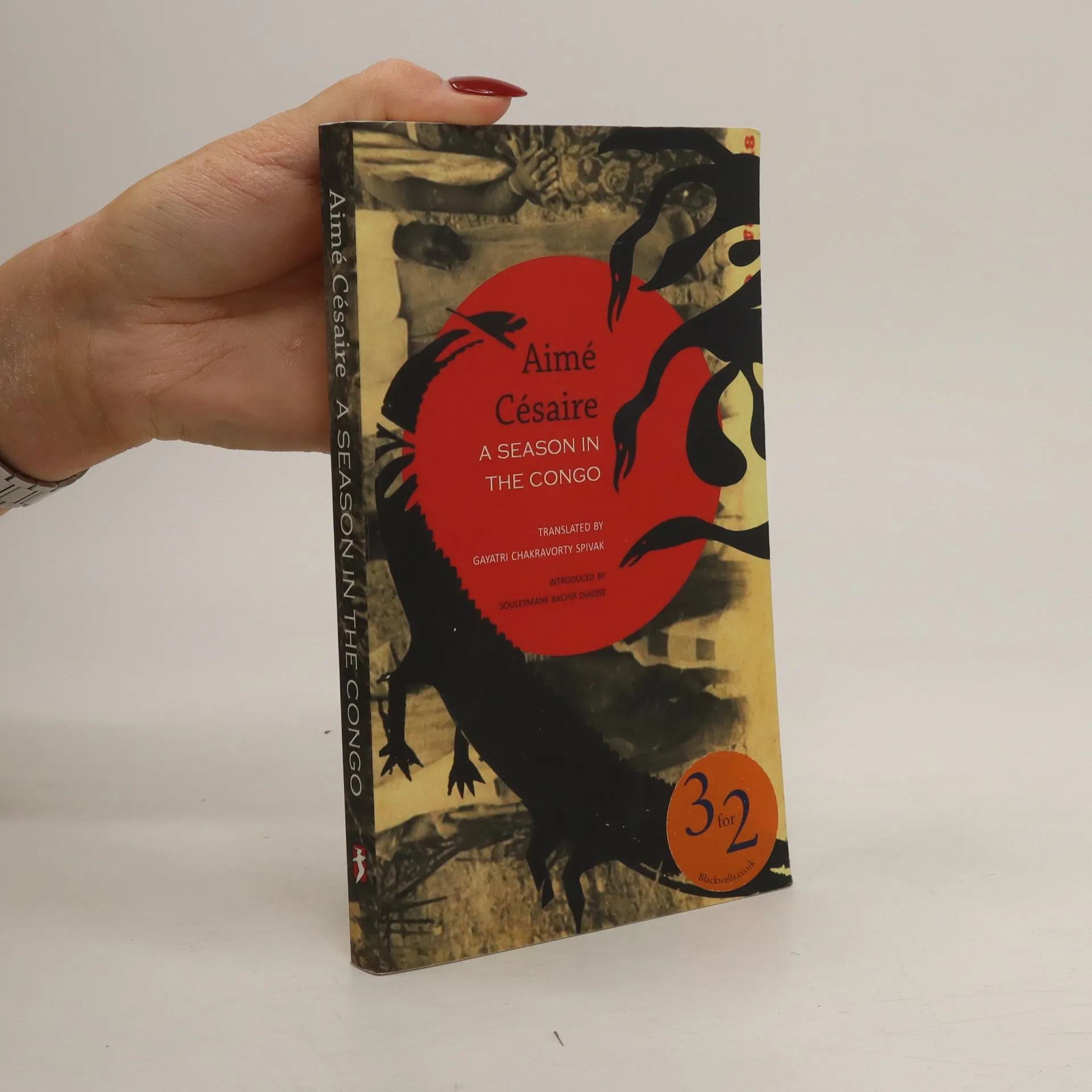
A season in the Congo
- 160 Seiten
- 6 Lesestunden
This play by renowned poet and political activist Aime C sairerecounts the tragic death of Patrice Lumumba, the first prime minister of the Congo Republic and an African nationalist hero. A Season in the Congofollows Lumumba's efforts to free the Congolese from Belgian rule and the political struggles that led to his assassination in 1961. C saire powerfully depicts Lumumba as a sympathetic, Christ-like figure whose conscious martyrdom reflects his self-sacrificing humanity and commitment to pan-Africanism. Born in Martinique and educated in Paris, C saire was a revolutionary artist and lifelong political activist, who founded the Martinique Independent Revolution Party. C saire's ardent personal opposition to Western imperialism and racism fuels both his profound sympathy for Lumumba and the emotional strength of A Season in the Congo. Now rendered in a lyrical translation by distinguished scholar Gayatri Chakravorty Spivak, C saire's play will find a new audience of readers interested in world literature and the vestiges of European colonialism.
A Tempest
- 69 Seiten
- 3 Lesestunden
Césaire’s rich and insightful adaptation of The Tempest draws on contemporary Caribbean society, the African-American experience and African mythology to raise questions about colonialism, racism and their lasting effects.
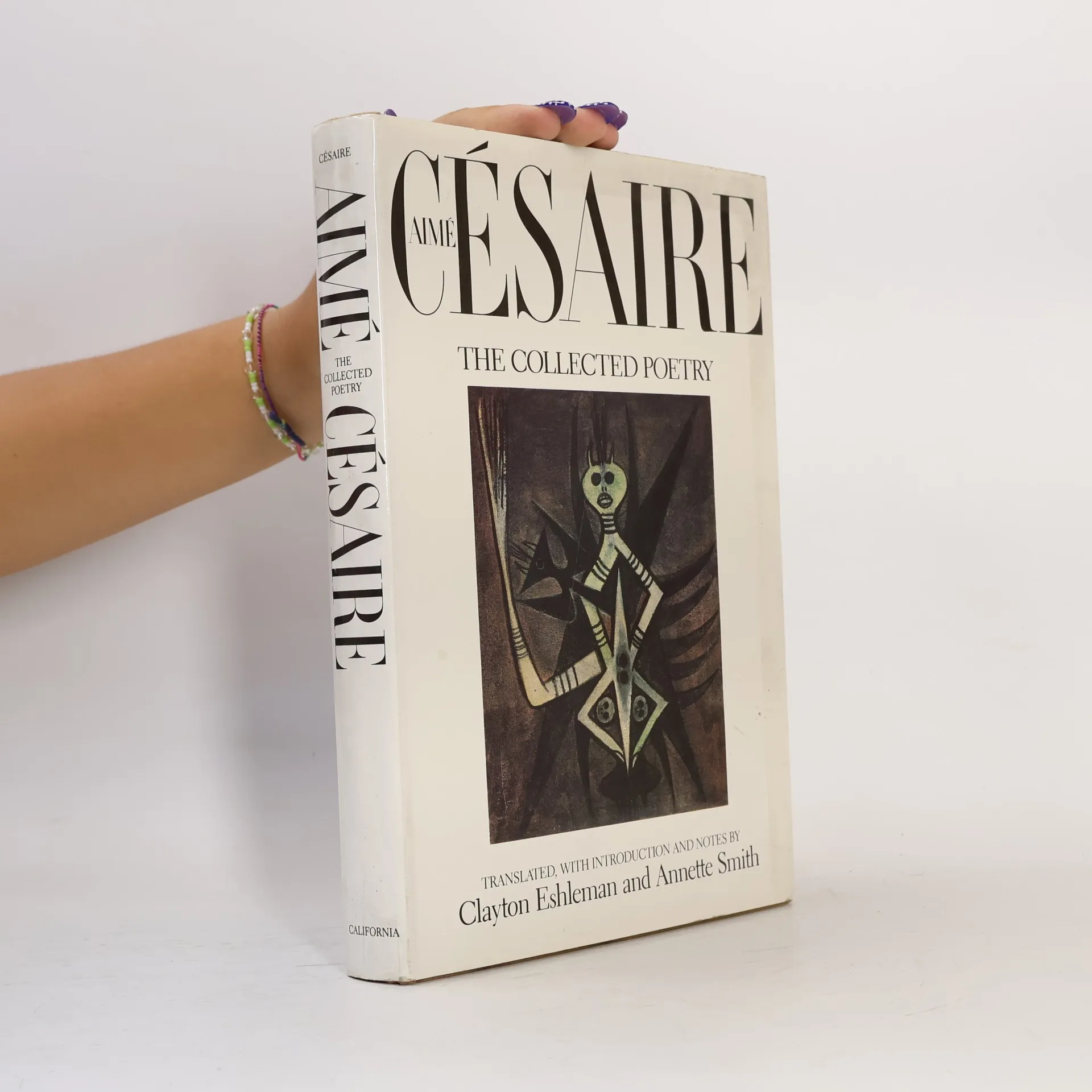
This edition, containing an extensive introduction, notes, the French original, and a new translation of Césaire's poetry—the complex and challenging later works as well as the famous Notebook—will remain the definitive Césaire in English.
Postkoloniální myšlení II
- 259 Seiten
- 10 Lesestunden
Druhý díl série Postkoloniální myšlení I–IV, navazující na překlad knihy Frantze Fanona, se zaměřuje na historické východisko postkoloniálního myšlení jako emancipačního programu druhé vlny dekolonizace. Tento proces, probíhající v Asii a Africe od konce druhé světové války do poloviny sedmdesátých let, byl na Západě vnímán jako rozklad evropských imperiálních říší. Autoři v knize vyjadřují perspektivu osvobození od koloniální nadvlády a systémů útlaku. Klíčovou otázkou je postkoloniální identita a konstrukce nové politiky identity: bude vycházet z národního esencialismu, nebo z konstruktivistického pohledu na národ jako myšlené společenství? Tyto nekompatibilní koncepce reflektují problémy, které se objevují i v kontextu postsocialistické transformace po roce 1989. Publikace zahrnuje klasické texty, které definují témata univerzality, diference, rezistence a jazyka jako struktury moci. Specifikum výběru spočívá v dvou místních aspektech pohledu na postkoloniální situaci: roli autora a dědictví totalitního režimu, které formovalo stereotypy ideologií.
Fiche de lecture Cahier d'un retour au pays natal (Étude intégrale)
- 38 Seiten
- 2 Lesestunden
Décryptez le Cahier d'un retour au pays natal avec l'analyse de Paideia éducation ! Que faut-il retenir de ce recueil de l'écrivain Aimé Césaire ? Retrouvez tout ce que vous devez savoir de ce chef-d'oeuvre de la littérature française dans une analyse de référence pour comprendre rapidement le sens de l'oeuvre. Rédigée de manière claire et accessible par un enseignant, cette fiche de lecture propose notamment un résumé, une étude des thèmes principaux, des clés de lecture et des pistes de réflexion. Une analyse littéraire complète et détaillée pour mieux lire et comprendre le livre ! Paideia éducation en deux mots: Plébiscité aussi bien par les passionnés de littérature que par les lycéens, Paideia éducation est considéré comme une référence en matière d'analyses d'oeuvres littéraires. Celles-ci ont été conçues pour guider les lecteurs à travers la littérature. Nos auteurs appartiennent aux milieux universitaire et de l'éducation, gage de sérieux pour vous faire découvrir les plus grandes oeuvres de la littérature mondiale.
Verše martinického černošského básníka, jejichž základním tématem je vzpoura proti nesnesitelné černošské současnosti, útěcha v slavné minulosti nebo naděje v lepší budoucnost a jejichž konečným cílem je plnější život všech lidí zde na zemi. Verše bohaté metaforami plnými ohnivétropické představivosti. Doslov „Básník vášnivé touhy a vzdoru“ napsal Ladislav Novák.
Comme naguère Jean-Jacques Rousseau dénonçait le scandale d'une société fondée sur l'inégalité, avec la même clarté, et un bonheur d'écriture que seule peut inspirer la passion du juste, Aimé Césaire prend ses distance par rapport au monde occidental et le juge. Ce discours est un acte d'accusation et de libération. Sont assignés quelques ténors de la civilisation blanche et de son idéologie mystifiante, l'Humanisme formel et froid. En pleine lumière sont exposées d'horribles réalités : la barbarie du colonisateur et le malheur du colonisé, le fait même de la colonisation qui n'est qu'une machine exploiteuse d'hommes et déshumanisante, une machine à détruire des civilisations qui étaient belles, dignes et fraternelles. C'est la première fois qu'avec cette force est proclamée, face à l'Occident, la valeur des cultures nègres. Mais la violence de la pureté du cri sont à la mesure d'une grande exigence, ce texte chaud, à chaque instant, témoigne du souci des hommes, d'une authentique universalité humaine. Il s'inscrit dans la lignée de ces textes majeurs qui ne cessent de réveiller en chacun de nous la générosité de la lucidité révolutionnaires. Le Discours sur le colonialisme est suivi du Discours sur la Négritude, qu'Aimé Césaire a prononcé à l'Université Internationale de Floride (Miami), en 1987.