Sünder in den Händen eines zornigen Gottes
Kleine VOH-Reihe




Kleine VOH-Reihe
Focusing on themes of charity and Christian love, this collection of sermons by Jonathan Edwards emphasizes the importance of a charitable spirit over envy and selfishness. Known for his influential role in the First Great Awakening, Edwards offers inspiring insights into humility, good deeds, and devotion to God. His powerful interpretation of 1 Corinthians 13 stands out, making this work both comforting and accessible for readers seeking a deeper understanding of faith. This edition is printed on premium acid-free paper.
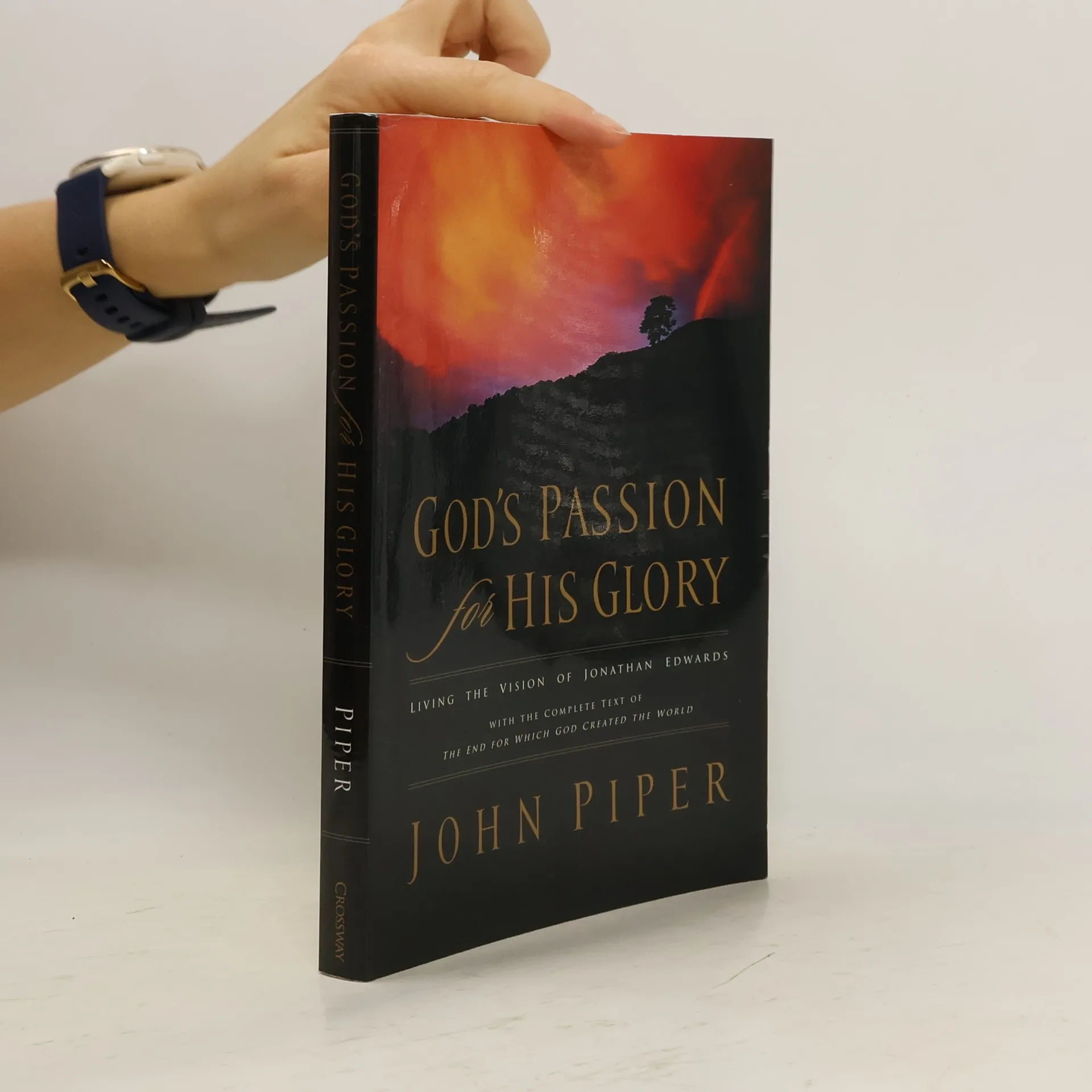
In his essay The End for Which God Created the World , the great theologian Jonathan Edwards proclaimed that God's ultimate end is the manifestation of his glory in the highest happiness of his creatures. Pastor John Piper has devoted his years of ministry to exploring the implications of this stunning truth for life and ministry. Understanding that God is most glorified in us when we are most satisfied in him has made all the difference for John Piper-and can transform your life as well. Here Piper passionately demonstrates the relevance of Edwards's ideals for the personal and public lives of Christians today through his own book-length introduction to Edwards's The End for Which God Created the World . This book also contains the complete essay supplemented by almost a hundred of Piper's insightful explanatory notes. The result is a powerful and persuasive presentation of the things that matter most in the Christian life.
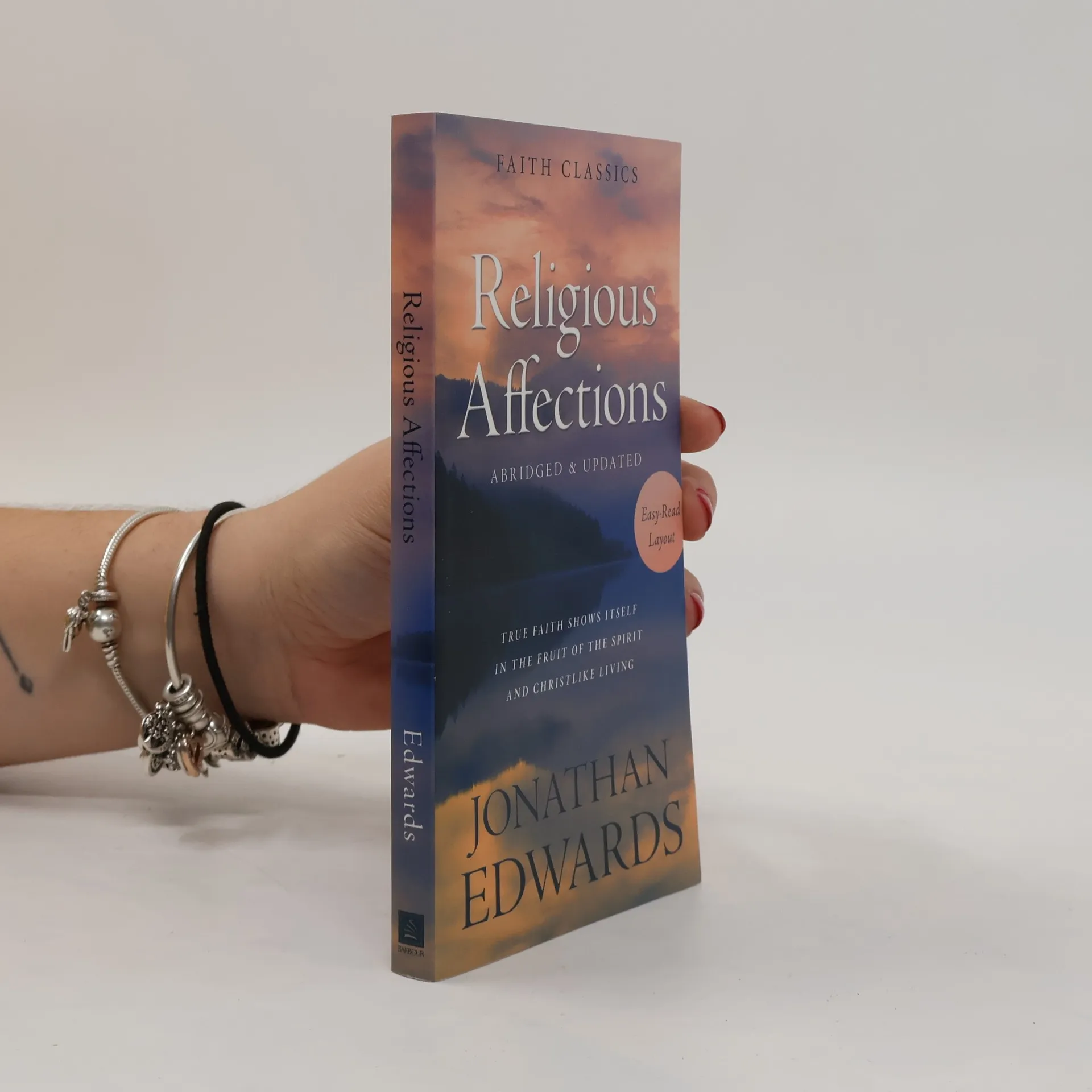
You probably know him for preaching the sermon "Sinners in the Hands of an Angry God"--but Jonathan Edwards had much more to say about the Christian life. The central figure in New England's first Great Awakening, Edwards offers a detailed description of the signs--true and false--of conversion, while highlighting the role truly balanced emotions play within the Christian life. He takes a long, hard look at the evidence of true saving faith--the fruit that comes from living like Christ. This newly-typeset edition of Religious Affections is updated and abridged for ease of reading.
Exploring profound theological questions, this influential 1754 work delves into the necessity of God's grace for humanity's flawed will. It examines the interconnectedness of free will and divine grace, while addressing morality, the nature of sin, and the implications of God's foreknowledge on ethical concepts. The text challenges readers to consider the role of intent in distinguishing between vice and virtue, making it a significant contribution to discussions on morality and divine influence.
Learn a wealth of essential gardening skills and techniques, from assissing your garden and planning the design to preparing the soil and maintaining perfect beds and borders.
The sermon, delivered 250 years ago, is renowned for its powerful depiction of God's wrath towards unbelievers and the terrifying consequences of sin. It vividly describes the horrors of a fiery Hell, aiming to instill a sense of urgency and fear regarding salvation. This historic message has had a profound impact on American religious thought and continues to resonate in discussions about faith and morality.
A Calendar of Monthly Tasks for the Kitchen Garden With Over 350 Photographs and 80 Step-by-Step Techniques
This book takes the gardener through each season in detail, covering tasks to be planned and executed in the garden and the greenhouse at each stage.
The collected sermons of Jonathan Edwards reveal his profound influence during a tumultuous period marked by conflict and the Great Awakening. Through these previously unpublished works, he aimed to guide, train, and comfort his congregation in Northampton. They showcase Edwards as both a global thinker engaged with the British Empire and a dedicated shepherd to his local community, highlighting his unique ability to address the spiritual needs of his parishioners amidst the challenges of colonial life.
Set against a backdrop of impending war, two protagonists, Jayden and Tony, must rally their strength and assemble new allies to confront the looming conflict. As tensions rise globally, they prepare to defend peace and face the challenges ahead, embodying themes of camaraderie and resilience. The narrative promises an epic journey filled with action and the forging of alliances in a world on the brink of chaos.
The book is a facsimile reprint, which means it reproduces the original text and layout, preserving its historical authenticity. Readers should be aware that it may include imperfections like marks, notations, marginalia, and flawed pages, reflecting its age and previous use.
„Věrné vyprávění o podivuhodném díle Božím při obrácení mnoha set duší v Northamptonu a sousedních městech a vesnicích v New Hampshiru v Nové Anglii v dopise rev. dr. Colemanovi z Bostonu, napsané důstojným panem Edwardsem.“ Jedinečný dokument o tzv. Velkém probuzení, jež v 18. století změnilo tvář Ameriky. Jonathan Edwards (1703–1758) byl jednou z vůdčích osobností tohoto duchovního obrození.
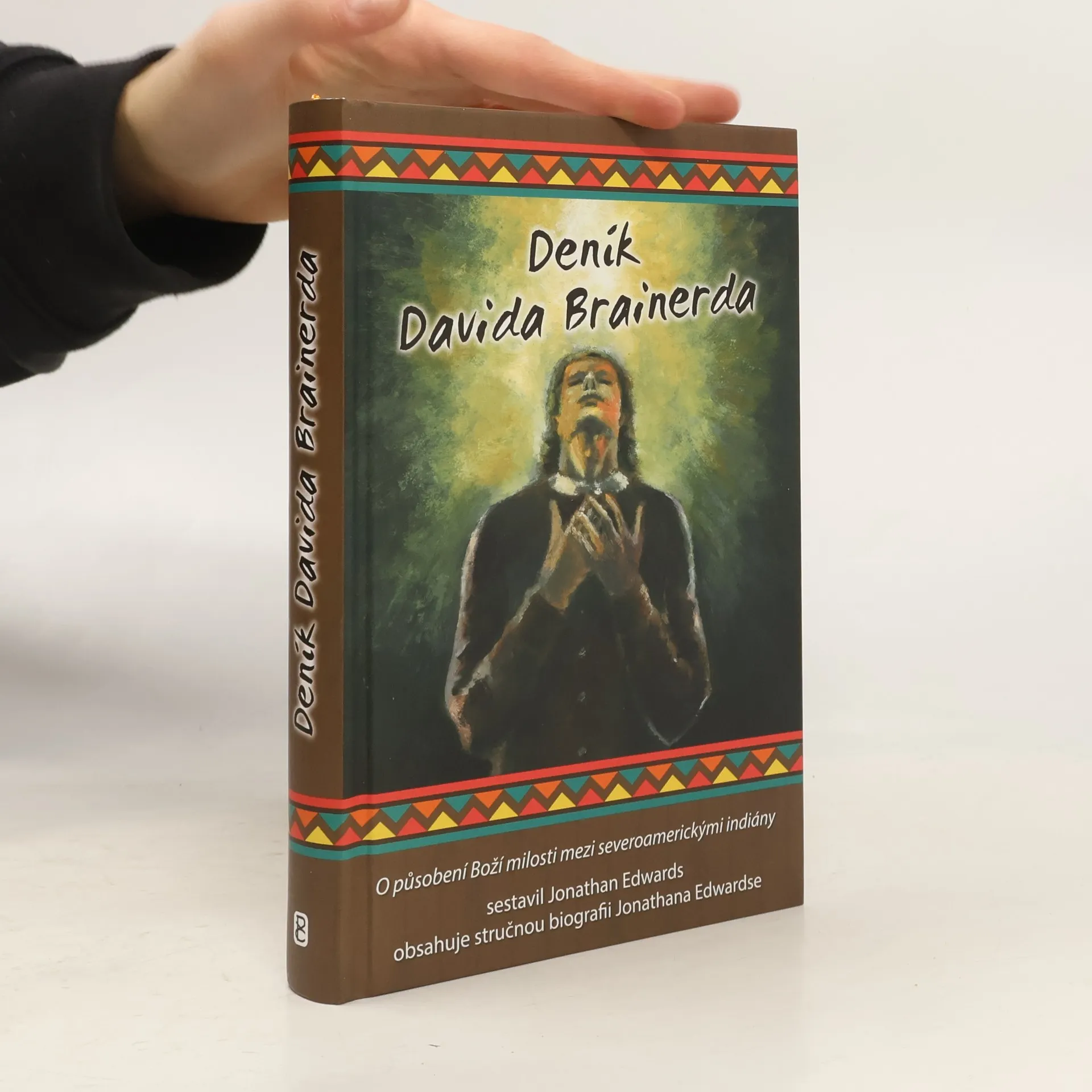
Podtitul: O působení Boží milosti mezi severoamerickými indiány Brainerdovy zápisky nám odhalují příběh o působení Boží moci a milosti skrze mladého kazatele Davida Brainerda, který navzdory tělesné slabosti, stále se zhoršující smrtelné nemoci i téměř neúnosným životním podmínkám přinesl za vypětí všech sil evangelium severoamerickým indiánům a bylo mu dáno prožít na sklonku jeho krátkého života probuzení mezi těmi, pro které se obětoval. Na jeho životě můžeme vidět jako moc je pravdivé slovo: „Stačí, když máš mou milost; vždyť v slabosti se projeví má síla.“ Kniha obsahuje též krátký životopis jednoho z nejvýznamnějších teologů Jonathana Edwardse, který rovněž stojí za přečtení a pěkné kresby Aleše Mrázka na začátku každé kapitoly.
Ne každá krása je tím, co se nazývá ctností – například jí není krása budovy, květiny nebo duhy –, ale některá krása, jež přináleží k bytím, jež mají vnímavost a vůli. Ne každá krása člověka je tím, co se nazývá ctností – například jí není vnější krása tváře či postavy, půvabnost pohybu nebo libozvučnost hlasu –, ale jen taková krása, která má své původní místo v mysli. Používám výrazu „pravá“ ctnost a hovořím o věcech „doopravdy“ krásných, protože předpokládám všeobecný souhlas s tím, že existuje rozdíl mezi věcmi, které jsou doopravdy ctnostné, a jinými, které se skrze parciální a nedokonalý pohled na tyto věci ctnostnými pouze jeví. Některé skutky a sklony se jeví jako krásné, jsou-li posuzovány neúplně a povrchně, nebo s ohledem na nějaké věci k nim přináležející, a za některých okolností a podle tendencí, které by se jevily jinak z širší a úplnější perspektivy, v níž je jasně vidět celá jejich povaha a šíře jejich vztahů ve věcném celku. Jonathan Edwards – (1703–1758), americký kazatel, filosof, autor celé řady významných náboženských spisů, mezi něž například patří: Věrné vyprávění, Náboženské city, Křesťanské učení o prvotním hříchu obhájeno, Svoboda vůle. Pro své kazatelské působení a zastávané názory je nazýván „filosofem probuzení“.
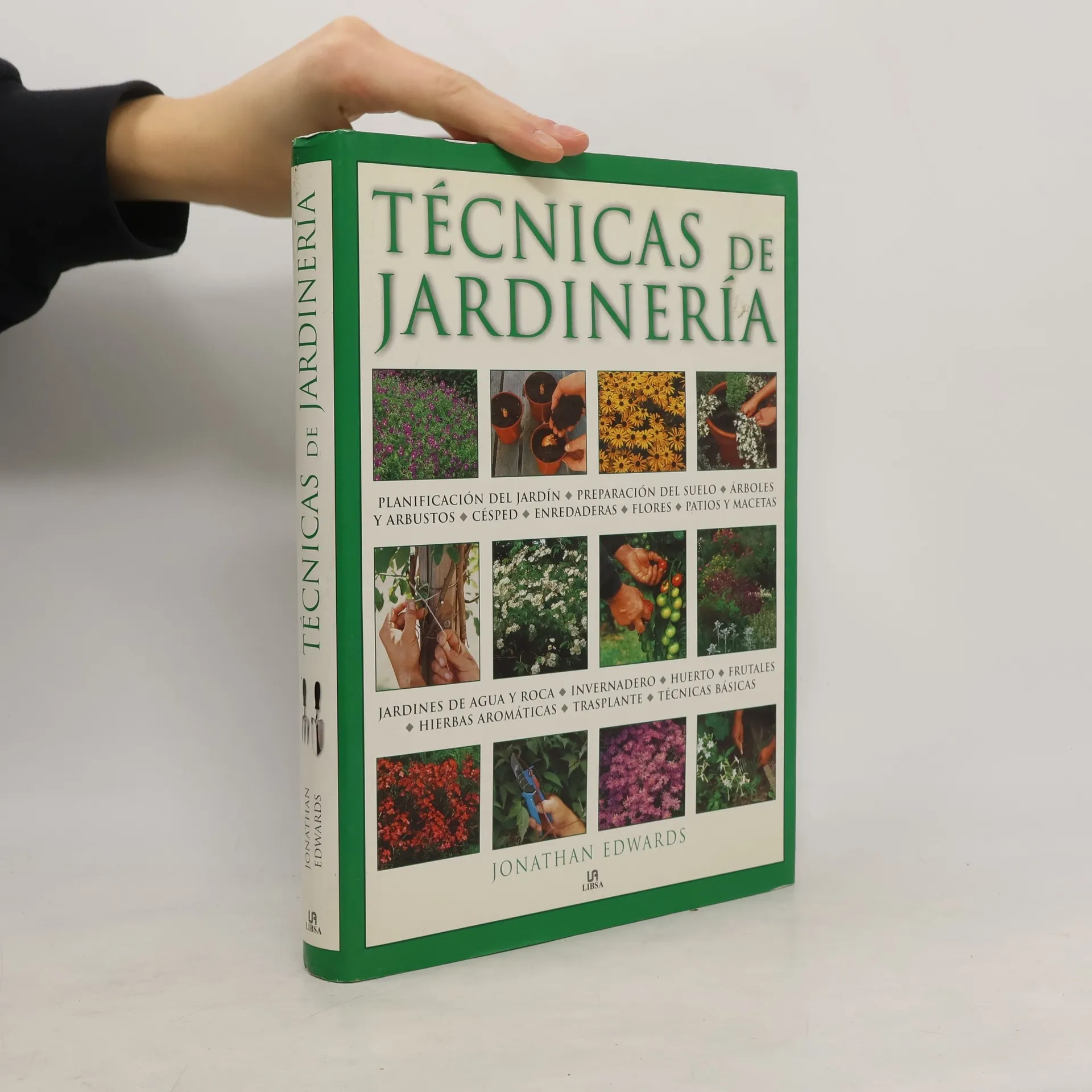
Completísimo manual para los amantes del jardín, el huerto o el invernadero en el que, de forma, fácil y gráfica se enseñan todo tipo de trucos y técnicas de jardinería. Desde preparar el suelo o cuidar el césped, hasta podar arbustos y trepadoras, plantar bulbos, hacer un estanque en el jardín, cultivar hortalizas o qué herramientas básicas debe tener cerca. Con gráficos, planos y más de 500 fotografías del paso a paso.
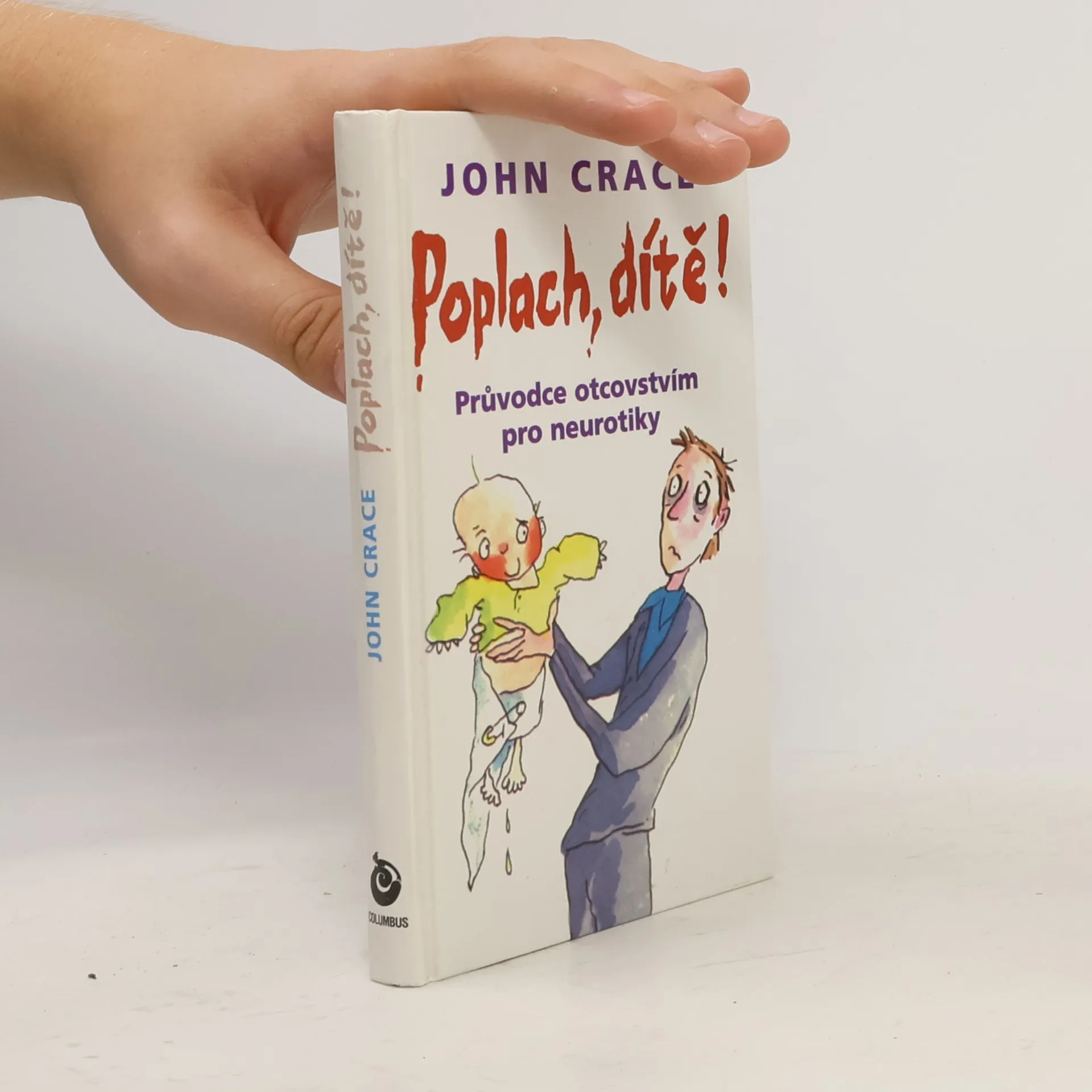
Humorně podané vyprávění o otcovských radostech a starostech
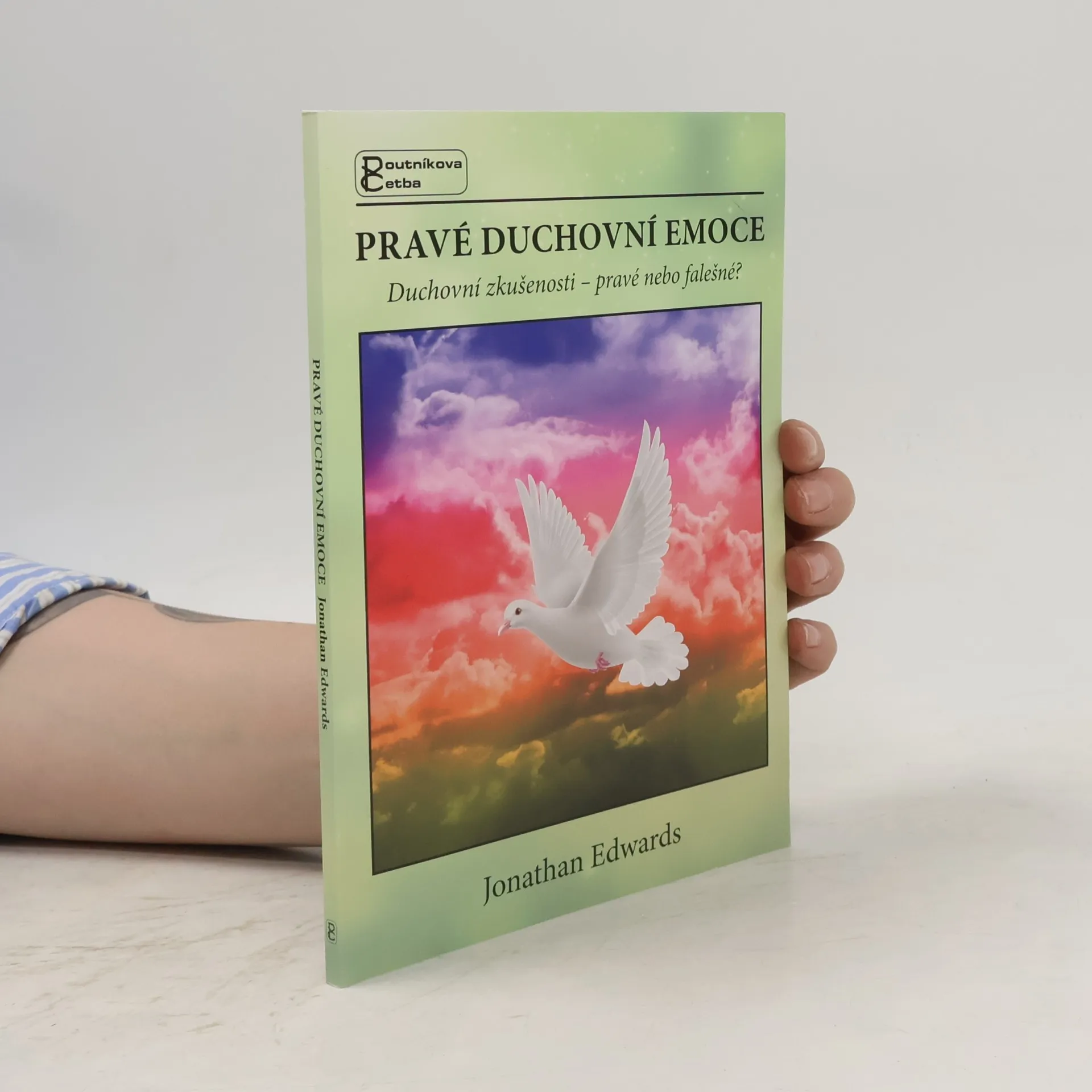
Tato kniha je zkrácenou a pro současného čtenáře upravenou verzí klasického díla Jonathana Edwardse (1703-1758) „A Treatise Concerning Religious Affections“ Cílem knihy je představit podstatu a znaky díla Ducha svatého při obrácení hříšníků a také ukázat, že můžeme odlišit dílo Ducha od čehokoli, co není pravou zkušeností spasení. „Stěžejní otázka, kterou by si každý měl položit, zní: Čím se odlišují lidé, kteří se těší Boží přízni – ti, kdo jsou na cestě do nebe?Můžeme se zeptat ještě jinak: Co je podstatou pravé zbožnosti? Jaký způsob osobní zbožnosti Pán Bůh schvaluje?“ „Je těžké dát objektivní odpověď na tak spornou otázku. Během duchovních probuzení není jednoduché odlišit a podpořit to dobré a současně uvidět a zavrhnout to špatné. Přesto jistě musíme udělat obojí, pokud chceme, aby Kristovo království prospívalo.“ „Mám v plánu přispět touto knihou, co jen budu moci, k pochopení pravého náboženství. Mým cílem je ukázat podstatu a znaky díla Ducha svatého při obrácení hříšníků. Pokusím se také ukázat, že můžeme odlišit dílo Ducha od čehokoli, co není pravou zkušeností spasení.“ Jonathan Edwards