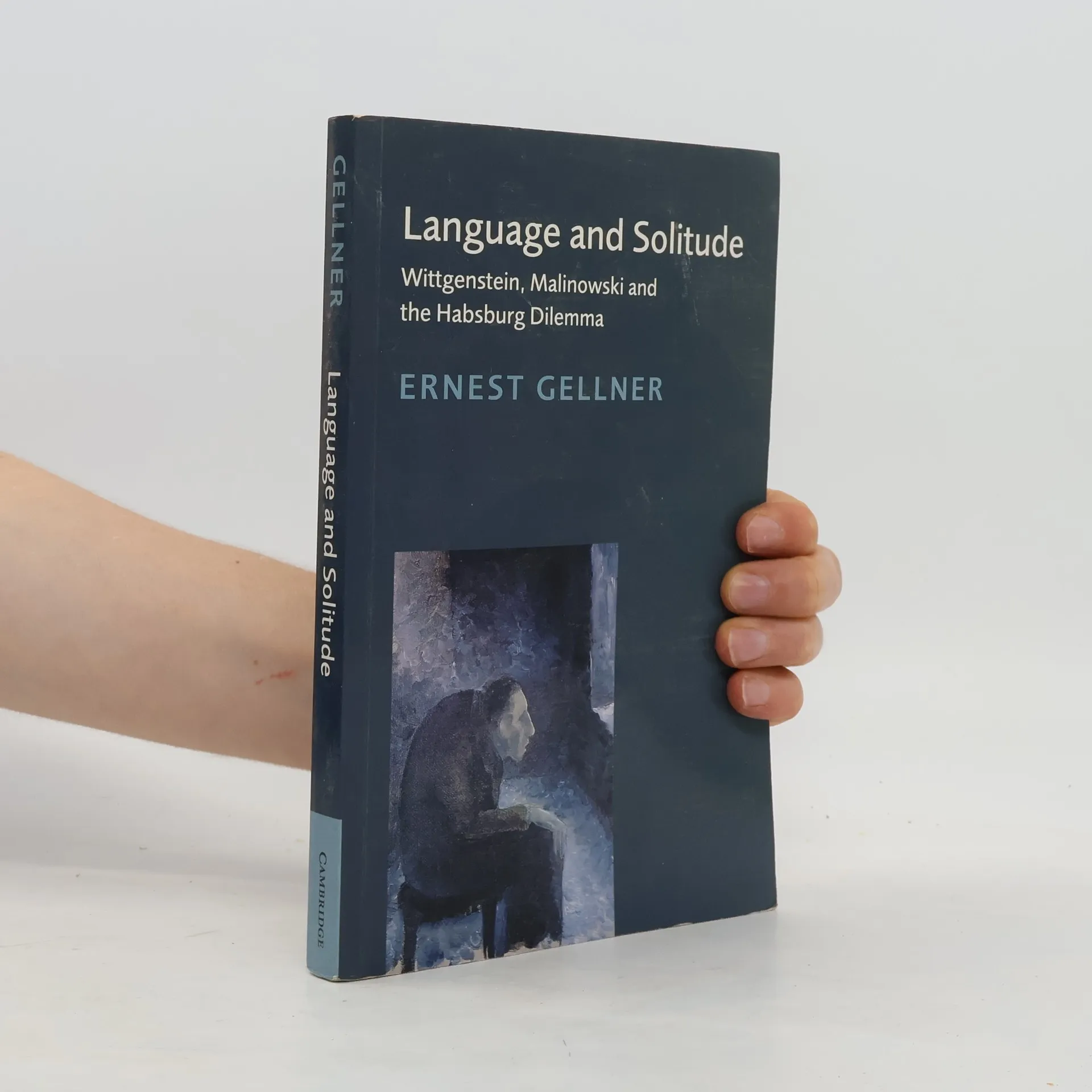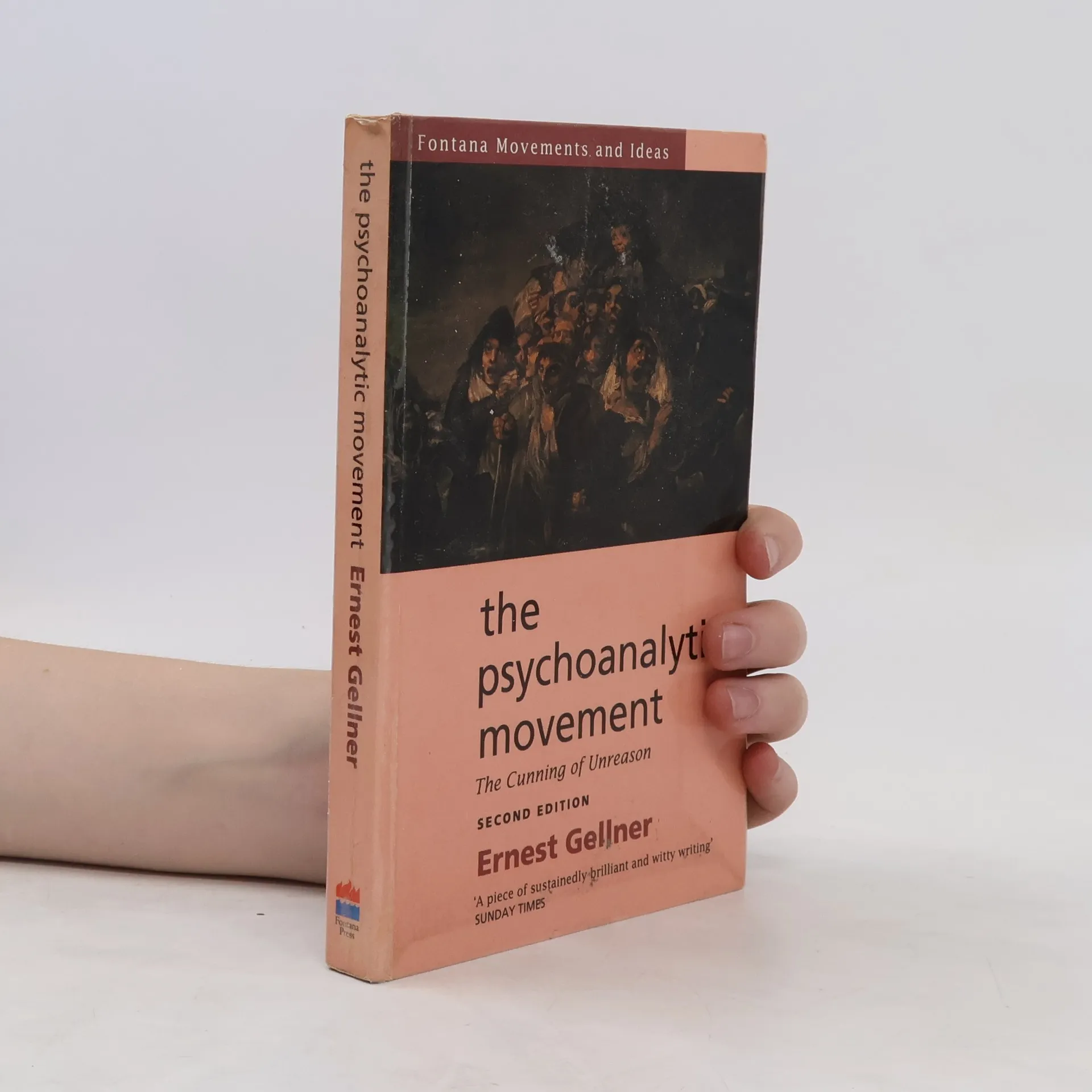




Focusing on the philosophical contributions of Wittgenstein and the anthropological insights of Malinowski, this final work by Gellner offers a comprehensive analysis of their ideas. It explores the intersections of language, culture, and human understanding, presenting a unique synthesis that highlights the significance of both thinkers in contemporary thought. Through this lens, Gellner aims to illuminate the broader implications of their theories for social science and philosophy.
Ernest Gellner Reihenfolge der Bücher
Ernest Gellner war ein bedeutender britisch-tschechischer Philosoph, Sozialanthropologe und Schriftsteller, der sich mit dem Nationalismus befasste. Sein Werk taucht tief in die Natur moderner Gesellschaften sowie in die Entstehung und Funktionsweise des Nationalismus ein. Gellners analytischer Ansatz und seine Fähigkeit, Philosophie, Soziologie und Geschichte zu verbinden, ermöglichten ihm, einzigartige Einblicke in die Komplexität menschlicher Kultur und Politik zu geben. Seine Schriften sind für das Verständnis der Nationenbildung und des modernen Staates unerlässlich.


- 2012
- 2009
This collection of essays addresses critical issues within philosophy, politics, and society, offering insightful analysis and perspectives. It explores fundamental questions and challenges, encouraging readers to reflect on the interplay between these disciplines. Each essay contributes to a deeper understanding of contemporary societal problems, making it a valuable resource for those interested in the complexities of human thought and governance.
- 2009
Cause and Meaning in the Social Sciences
- 240 Seiten
- 9 Lesestunden
Key conceptual issues in the social sciences are explored, highlighting Winch's perspective on social science, structuralism, and the contributions of Malinowski and Evans-Pritchard. The volume delves into the intricate concept of kinship, offering insights into how these foundational ideas shape the understanding of social structures and relationships.
- 2005
Words and Things
- 416 Seiten
- 15 Lesestunden
First published in 1959, this classic challenge to the prevailing philosophical orthodoxy of the day, remains the most devastating attack on a conventional wisdom in philosophy to this day.
- 2005
Poslední kniha Ernesta Gellnera, vydaná až po jeho smrti, se zabývá soupeřením dvou základních forem moderního myšlení, způsobu života a politiky. Zaměřuje se tedy na napětí mezi tím, co autor označuje na jedné straně jako atomistický individualismus a na druhé straně jako romantický organicismus. Konflikt těchto dvou koncepcí života i myšlení byl a je neobyčejně ostrý zejména ve střední Evropě a tvoří jakési podloží četných dalších střetů ať již v oblasti politiky nebo ekonomie. Byl nejvíce reflektován v Habsburské říši, ale dodnes ho pociťujeme v celém našem prostoru. Je to zároveň konflikt mezi rozumem a kulturou. Gellner jeho podstatu objasňuje analýzou myšlení R. Wittgensteina a B. Malinowského.
- 2003
The Devil in Modern Philosophy
- 272 Seiten
- 10 Lesestunden
The collection of essays explores the intricate relationship between philosophy and life, drawing on the insights of notable figures such as Chomsky, Piaget, and Eysenck. Gellner examines various perspectives on this connection, offering a multifaceted analysis that engages with both philosophical concepts and practical implications in everyday life. Through these discussions, the essays illuminate the ways in which philosophical thought influences our understanding of human behavior and societal dynamics.
- 1999
Práce je jedním z nejpozoruhodnějších výkladů dějin moderní evropské filozofie od Descarta po současnost. Nejde však o tradiční akademické dějiny filozofie, chápané pouze jako vnitřní vývoj logiky, ontologie, gnoseologie, etiky a dalších součástí této disciplíny. Gellner vytrvale poukazuje na to, že filozofie je součástí mnohem širších i hlubších posunů v lidském vědění, chápání a jednání.
- 1998
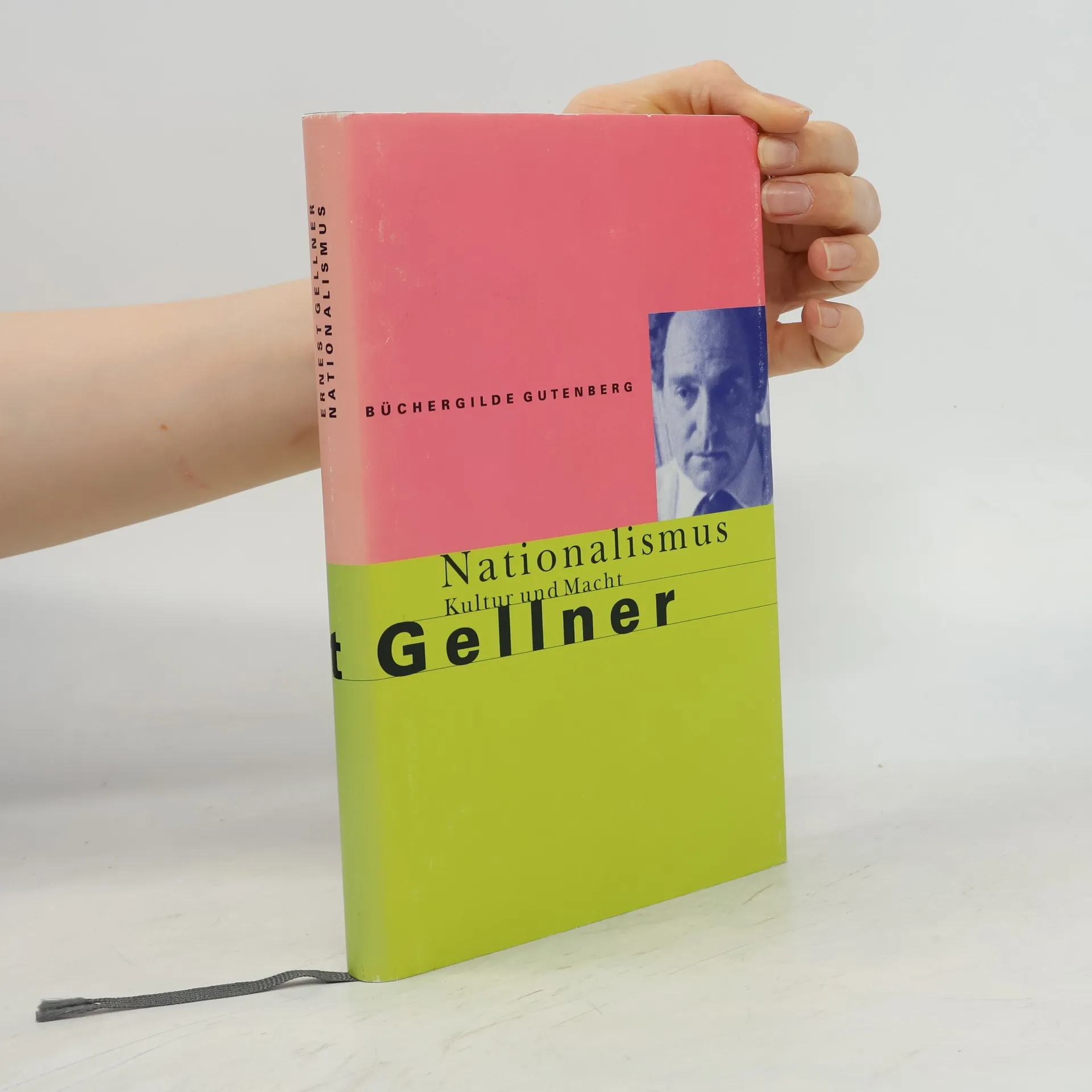
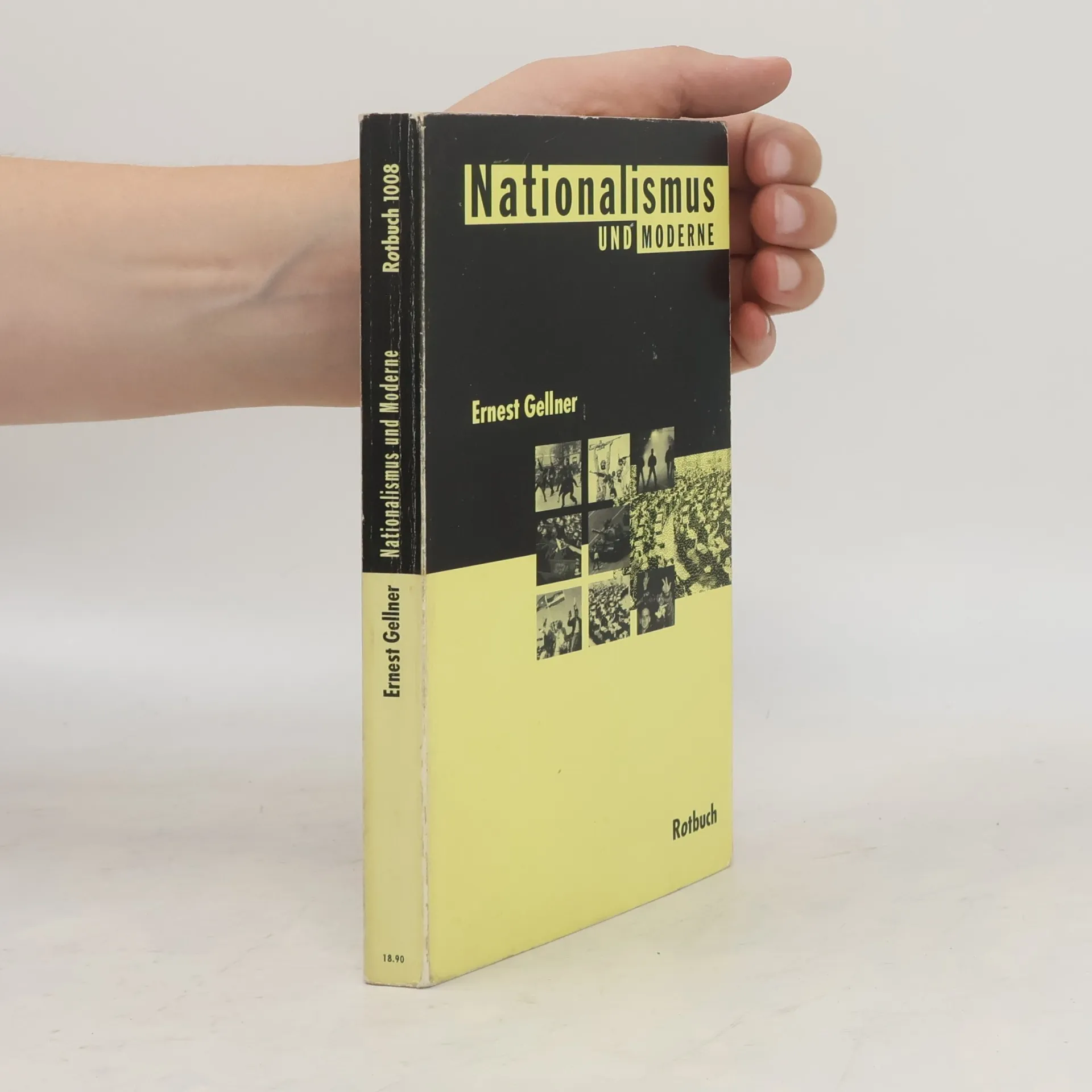
Nationalismus ist eine der zentralen Kräfte in der modernen Geschichte und bis heute eine scheinbar unentrinnbare Geißel der Politik. Nationale Bewegungen begründeten die Entstehung vieler Staaten und sind gleichzeitig Ursprung vieler der tragischsten Menschheitskonflikte. In diesem Politischen Essay geht Ernest Gellner dem Phänomen Nationalismus und seinen verhängnisvollen Auswirkungen auf den Grund.
- 1997
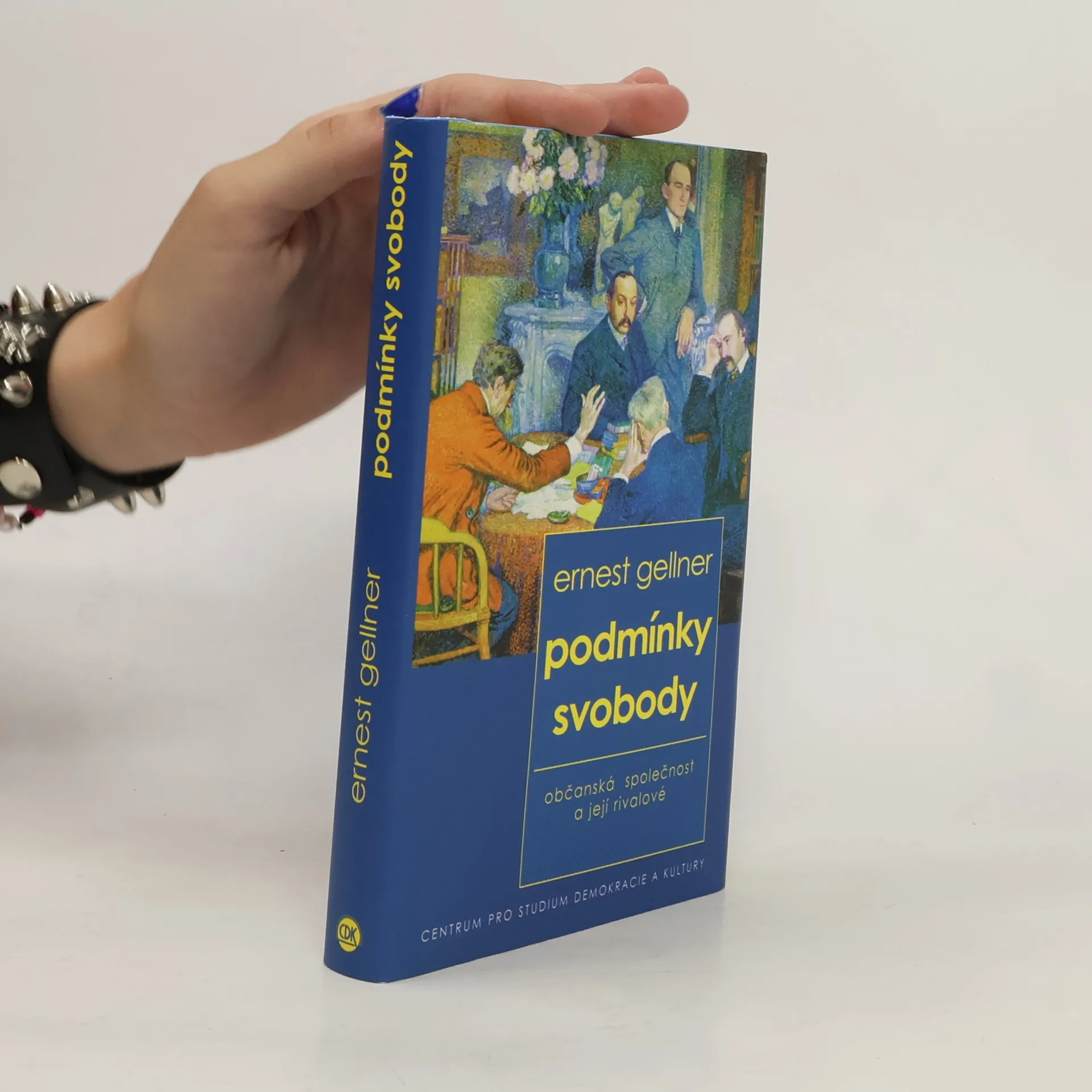
Co vyplní vakuum vzniklé po dramatickém pádu komunismu v bývalém Sovětském svazu a východní Evropě? Jak ukazuje ve své knize nedávno zesnulý filozof E. Gellner, jedním z nejdůležitějších rozdílů mezi komunismem a západním liberalismem spočívá v jejich chápání občanské společnosti.