
Focusing on the moral significance of the deceased, the narrative delves into how their intentions and values continue to influence our lives and afterlives. It posits that by honoring the memory of the dead, we provide them with a form of modest immortality, emphasizing our obligations to remember and reflect on their impact. This exploration raises profound questions about memory, legacy, and the interconnectedness of past and present.
J. Jeremy Wisnewski Bücher


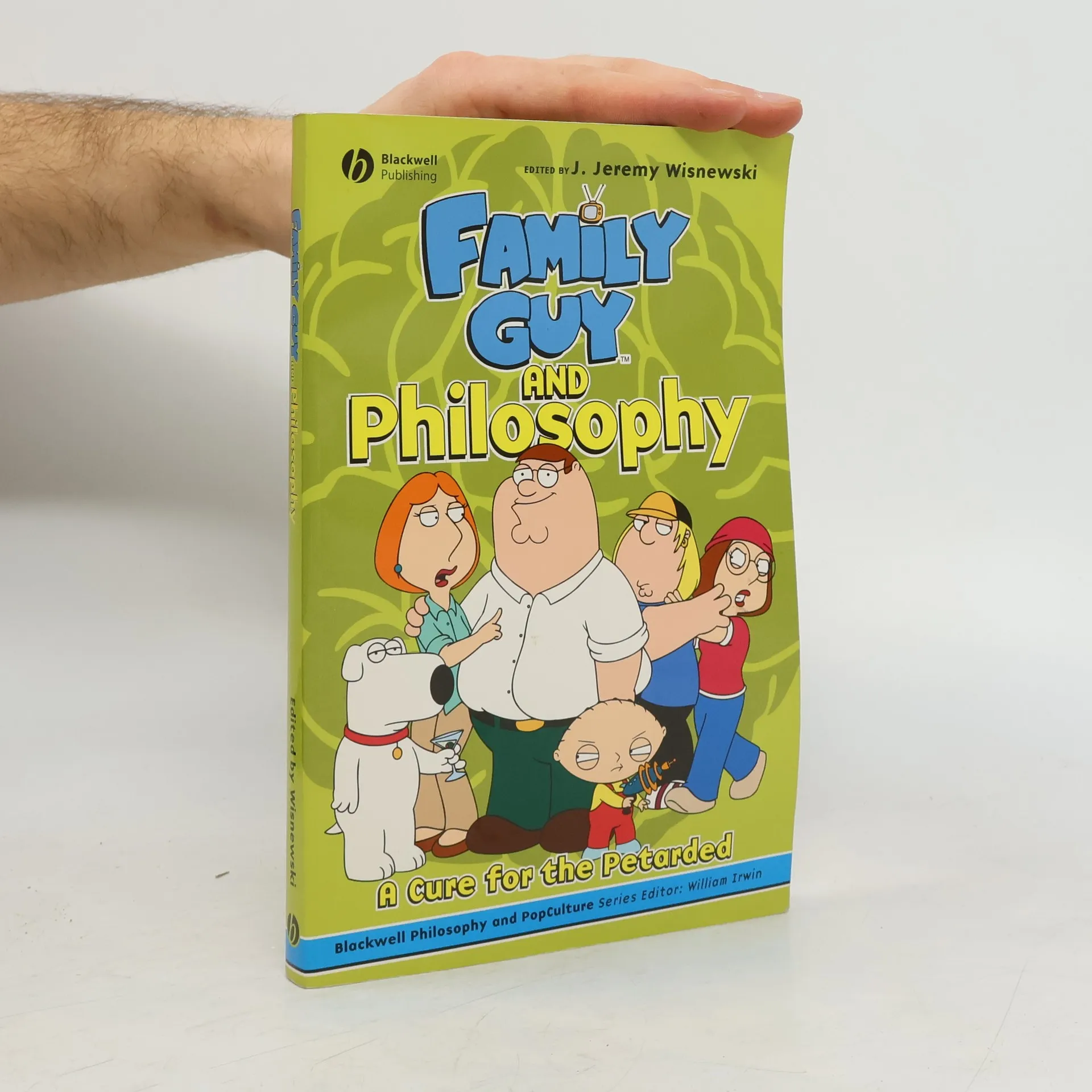
The Blackwell Philosophy and Pop Culture Series: Family Guy and Philosophy
A Cure for the Petarded
- 222 Seiten
- 8 Lesestunden
Family Guy and Philosophy brings together low-brow, potty-mouthed, cartoon humor and high-brow philosophical reflection to deliver an outrageously hilarious and clever exploration of one of TV's most unrelenting families. Ok, it's not that high-brow.A sharp, witty and absurd exploration of one of television's most unrelenting families, the stars of one of the biggest-selling TV series ever on DVD, now in its fourth seasonTackles the perennial positions of Family Guy at the same time as contemplating poignant philosophical issuesTakes an introspective look at what this show can teach us about ethics, ego, religion, death, and of course, time-travelConsiders whether Family Guy is really a vehicle for conservative politics, and whether we should be offended by the show, as well as diving into the philosophy of the cast
Hier erfahren Sie, wieso Stephenie Meyers Liebesgeschichte so viele Menschen fasziniert und warum es sich dabei um so viel mehr als oberflächliche Jugendliteratur handelt: - Wieso fühlen sich Menschen von Vampiren magisch angezogen? - Sollte Edward seine Fähigkeit zum Gedankenlesen einsetzen? - Ist Edward ein romantischer Held oder einfach nur ein Stalker? - Was sagt der Kampf der „vegetarischen“ Cullen-Familien gegen ihren Durst nach menschlichem Blut über den freien Willen aus? - Wird das ewige Leben nicht sogar an der Seite einer geliebten Person irgendwann langweilig?