Gratisversand in ganz Deutschland!
Bookbot

Nina Van Gorkom

    Cetasikas
    The Buddha's Path
    Letters on Vipassanā
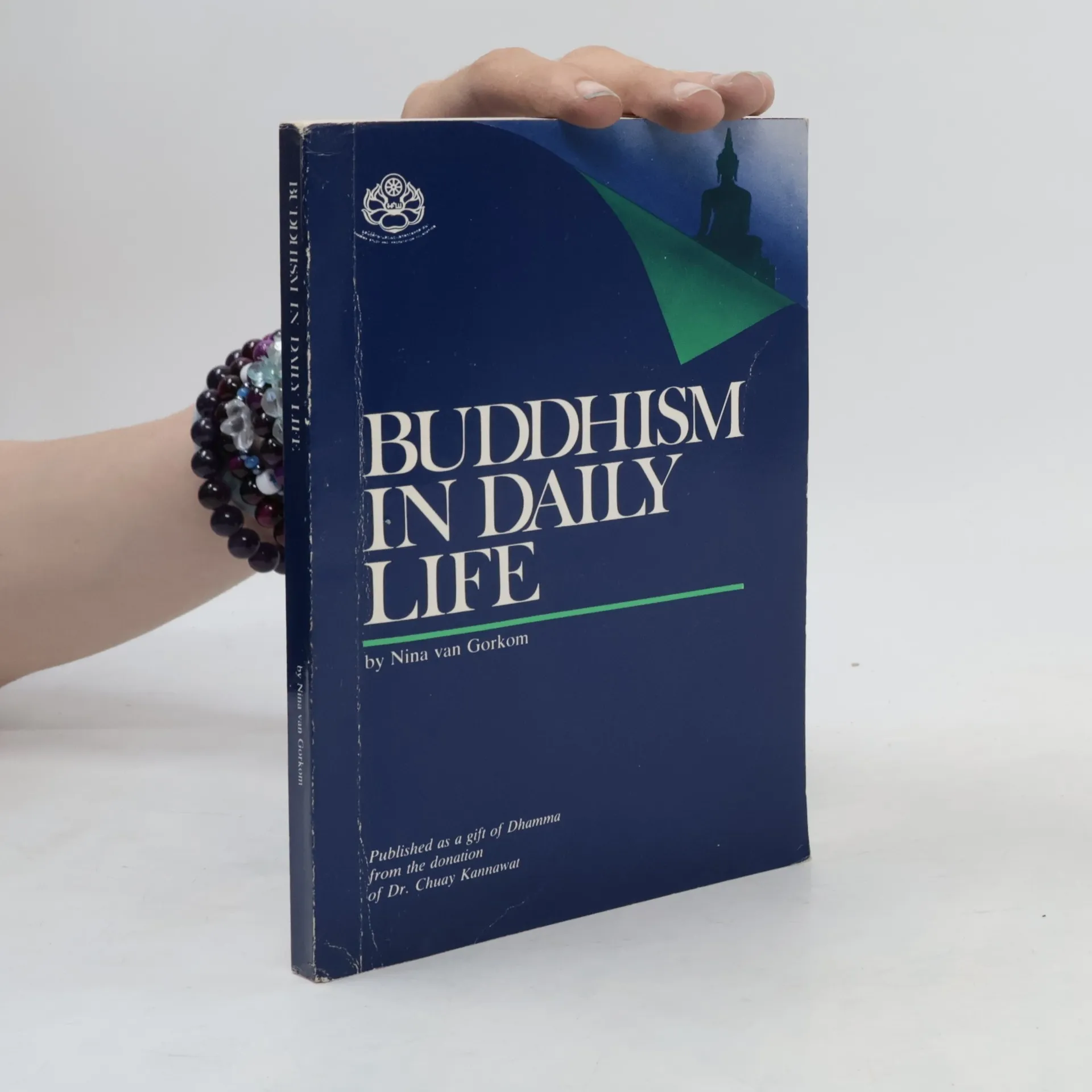
    Buddhism in Daily Life
    Abhidhamma im Alltag
    • Buddhism in Daily Life

      • 152 Seiten
      • 6 Lesestunden

      Focusing on the core principles of Theravada Buddhism, this book aims to provide readers with a clear understanding of Buddhist scriptures. It emphasizes how these teachings can be applied to enhance personal well-being and positively impact the lives of others in daily situations. The text serves as a guide for those seeking to incorporate Buddhist wisdom into their everyday experiences.

      Buddhism in Daily Life
    • Letters on Vipassanā

      • 162 Seiten
      • 6 Lesestunden

      The book presents a collection of letters that explore the evolution of vipassanā meditation, emphasizing the significance of living in the present moment. It features more than 40 quotes from original scriptures and commentaries, enriching the discussion with authentic insights. Through these letters, readers gain a deeper understanding of applying vipassanā principles to everyday life, fostering mindfulness and awareness.

      Letters on Vipassanā
    • The Buddha's Path

      • 122 Seiten
      • 5 Lesestunden

      Exploring the doctrine of Theravada Buddhism, this book delves into the historical evolution of mindfulness within the Buddhist tradition. It provides insights into key teachings and practices that shape the understanding of mindfulness, offering readers a comprehensive overview of its significance in Theravada philosophy and its application in daily life.

      The Buddha's Path
    • Cetasika means belonging to the mind. It is a mental factor which accompanies consciousness (citta) and experiences an object. There are 52 cetasikas. This book gives an outline of each of these 52 cetasikas and shows the relationship they have with each other. It will help the student have more understanding of the intricate operations of the mind enabling the development of good qualities and the eventual eradication of all defilements. It will help to understand that citta and cetasika act according to their own conditions and that an abiding agent (soul or self) is not to be found. The book assumes some previous knowledge of Buddhism.

      Cetasikas