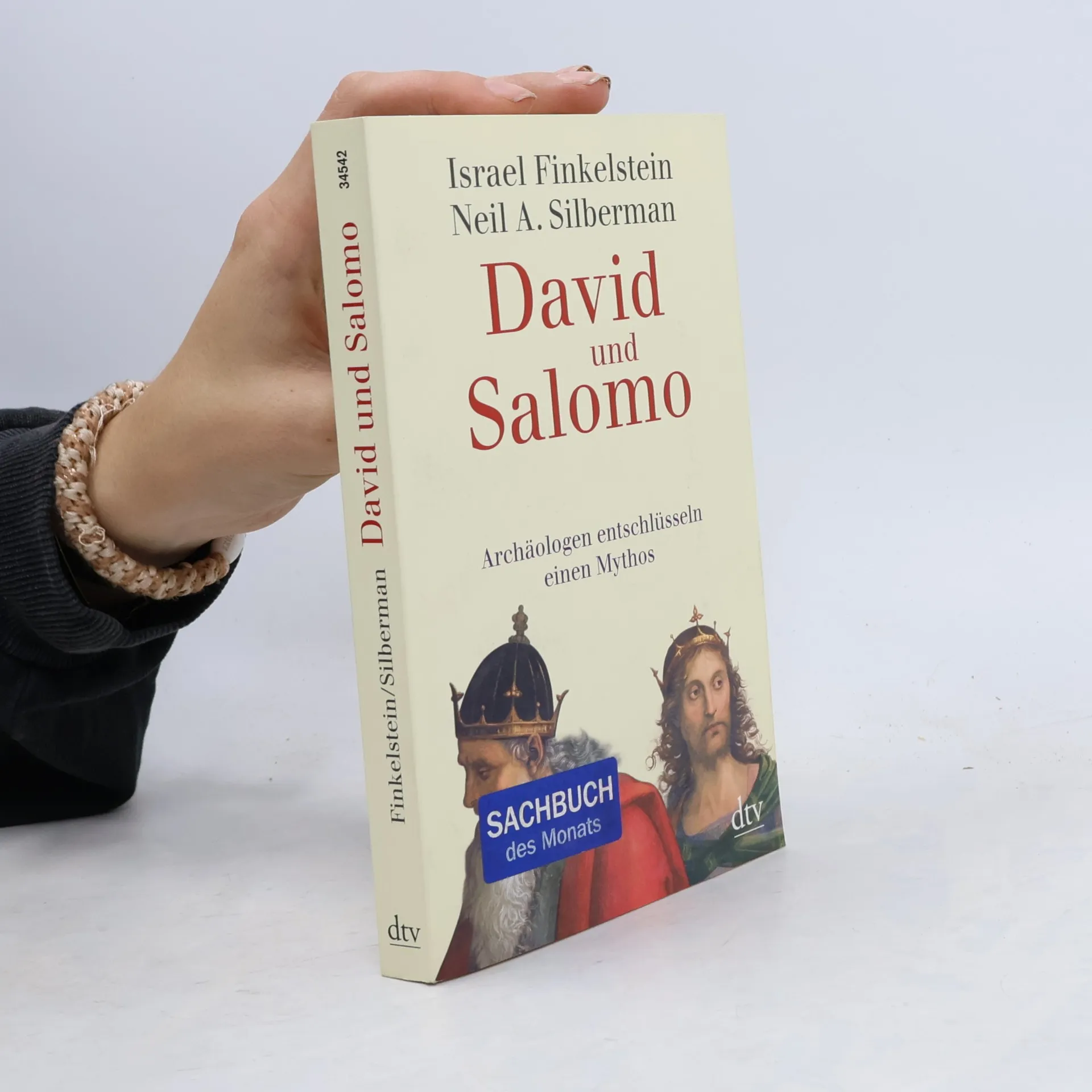
Das Bild der legendären Könige David und Salomo hat Judentum und Christentum maßgeblich geprägt. Die Legenden über sie wurden im Laufe vieler Jahrhunderte immer wieder im Interesse politischer und religiöser Machtansprüche umgearbeitet und erweitert. Doch das Jerusalem des 10. Jahrhunderts v. Chr. war keine stattliche Festung, sondern ein unbedeutendes Bergdorf.»Die beiden israelischen Autoren setzen unzählige Einzelbefunde zu einem faszinierenden Mosaik des Vorderen Orients zu Beginn der Eisenzeit ab 1000 v. Chr. zusammen.« Der Tagesspiegel
Israel Finkelstein Bücher
Israel Finkelstein ist ein herausragender Archäologe, der sich auf die Levante spezialisiert hat. Seine Forschung befasst sich mit den historischen und kulturellen Erzählungen der Region und stellt traditionelle Interpretationen oft durch rigorose archäologische Beweise in Frage. Finkelsteins Arbeit zielt darauf ab, antike Gesellschaften zu rekonstruieren und ihre Entwicklung im Laufe der Zeit zu verstehen, und bietet eine kritische Perspektive auf das Zusammenspiel von Geschichte, Archäologie und Textquellen. Er ist eine führende Stimme in seinem Fachgebiet und leistet einen bedeutenden Beitrag zu unserem Verständnis des alten Nahen Ostens.


Die Hand an der Wiege
- 210 Seiten
- 8 Lesestunden
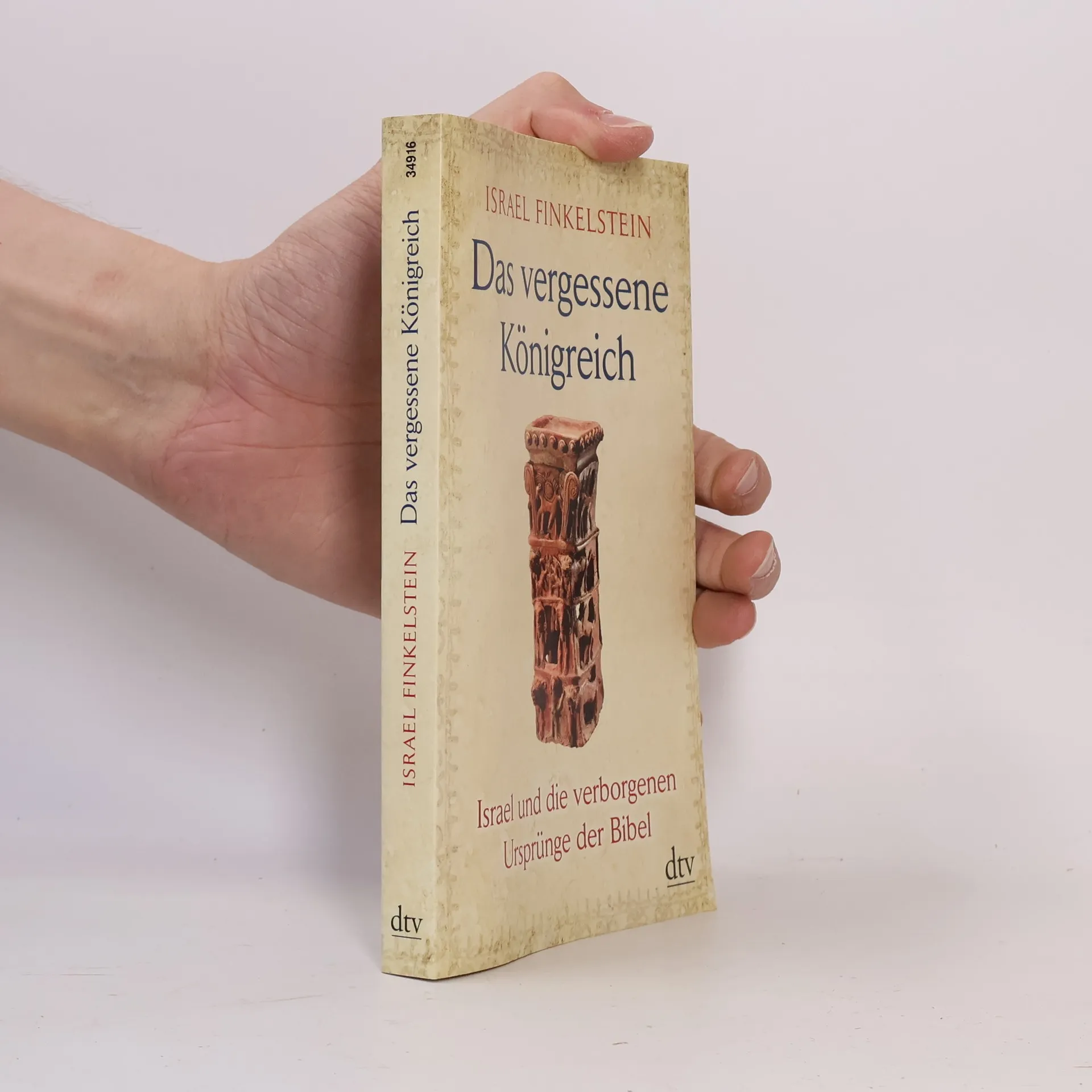
Mythen eines alte Königreichs Vom 10. bis zum 8. Jh. v. Chr. gab es das Königreich Israel. In der Bibel waren die Könige dieses Nordreichs Sünder und deshalb ging ihr Reich unter – im Gegensatz zum Südreich Juda, aus dem David und Salomon stammten. Doch die archäologischen Funde zeigen, dass tatsächlich in Israel der Palast und der Tempel lagen. Dort entstanden zentrale Erzählungen wie die vom Stammvater Jakob oder vom Auszug aus Ägypten. Das alte Königreich wurde vergessen, doch sein Name und seine Mythen überdauerten und gingen um die Welt.
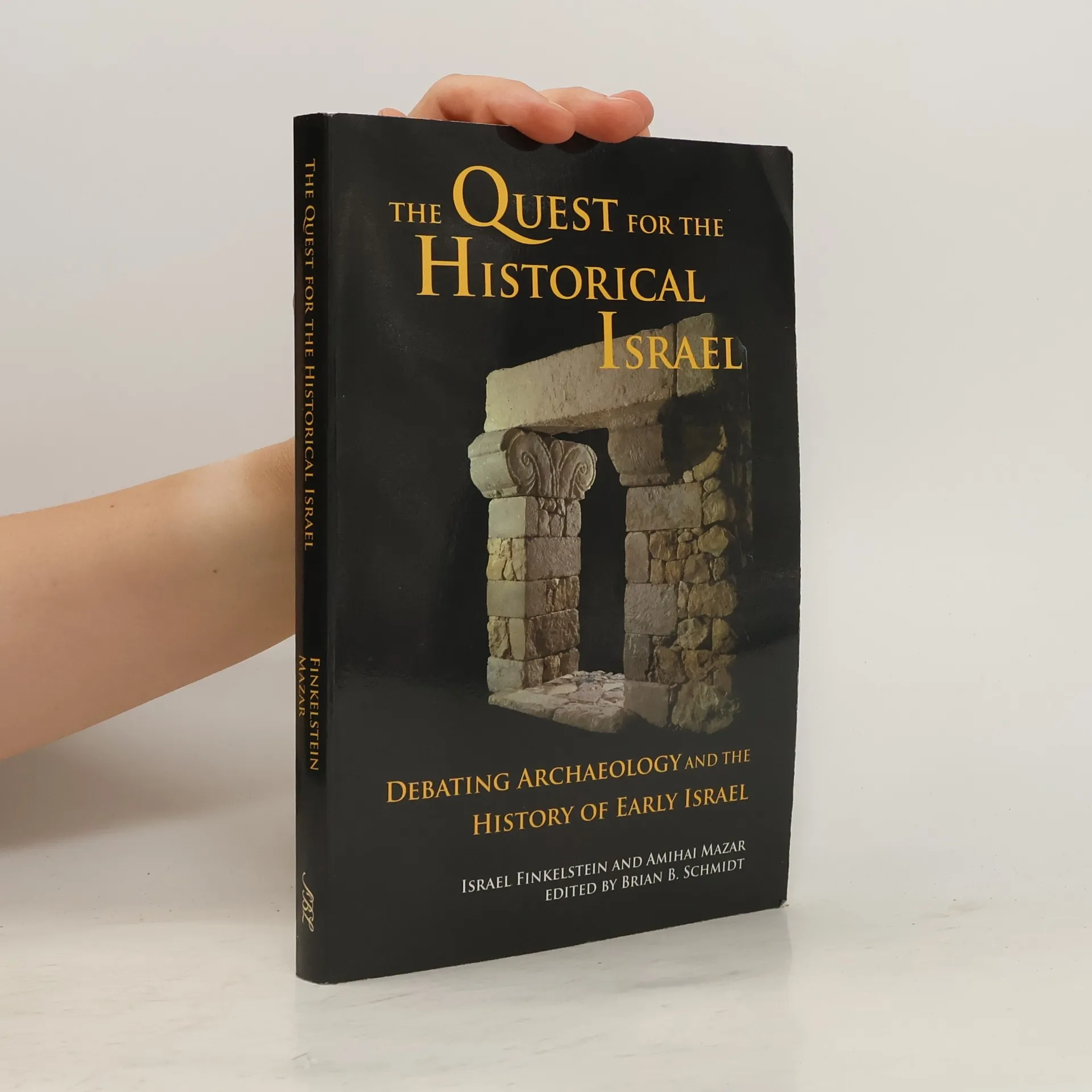
The Quest for the Historical Israel
Debating Archaeology and the History of Early Israel
- 220 Seiten
- 8 Lesestunden
Engage the results of three decades of dialogue, discussion, and debate within Syro-Palestinian archaeology and ancient Israelite historyThis book brings together for the first time an emerging “centrist” paradigm that the material cultural data, the biblical traditions, and the ancient Near Eastern written sources are all significantly relevant to the historical quest for Iron Age Israel. The historical essays presented here are based on invited lectures delivered in October of 2005 at the Sixth Biennial Colloquium of the International Institute for Secular Humanistic Judaism in Detroit, Michigan.Features:- Balanced approach to the question of the relevance of the biblical account for reconstructing early Israel’s history- Organization by time period for easy comparison of Finkelstein and Mazar’s positions- Introductory essays for each section give overviews of the archaeological theories
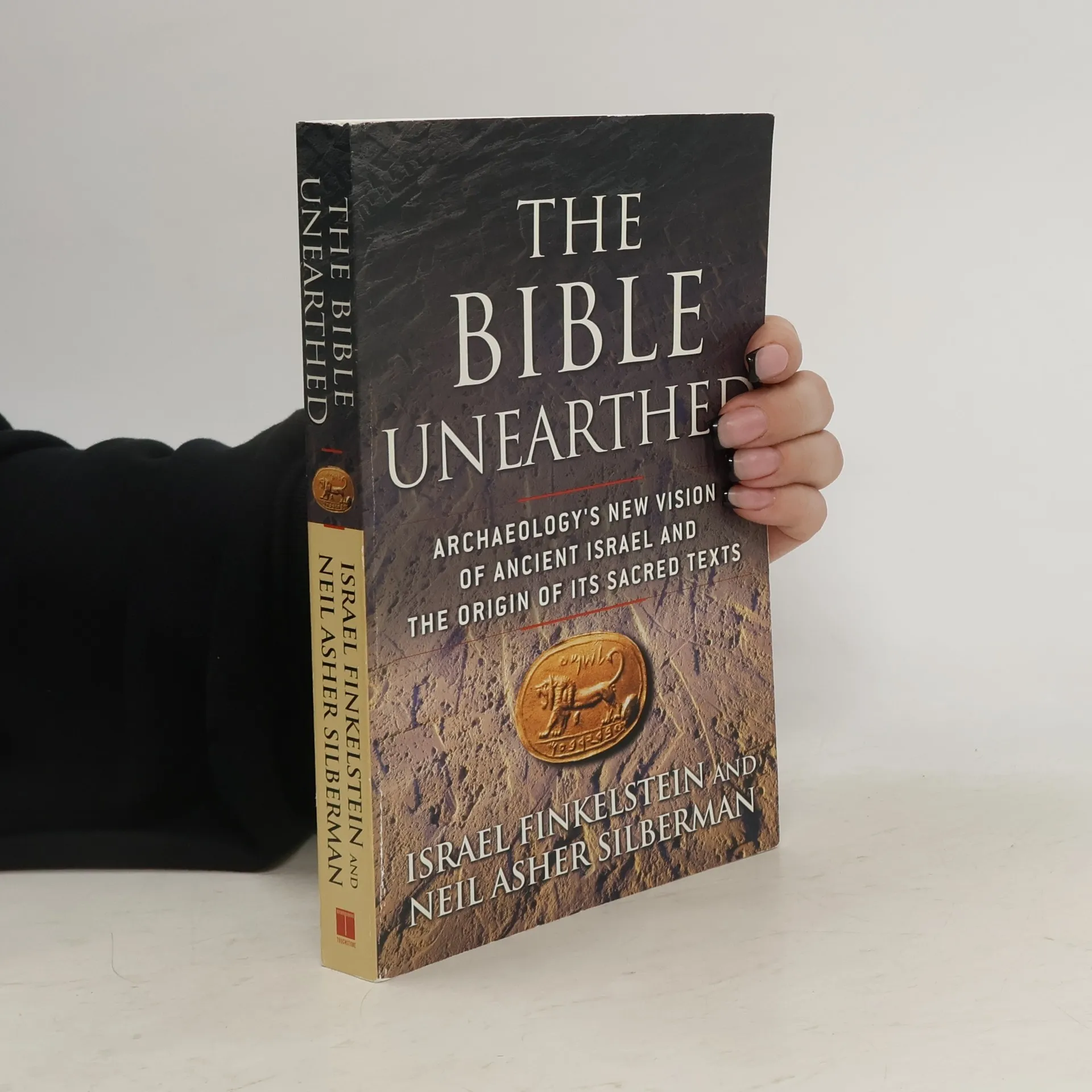
The Bible Unearthed
- 400 Seiten
- 14 Lesestunden
For the first time, the true history of ancient Israel as revealed through recent archaeological discoveries- and a controversial new take on when, why and how the Bible was written.
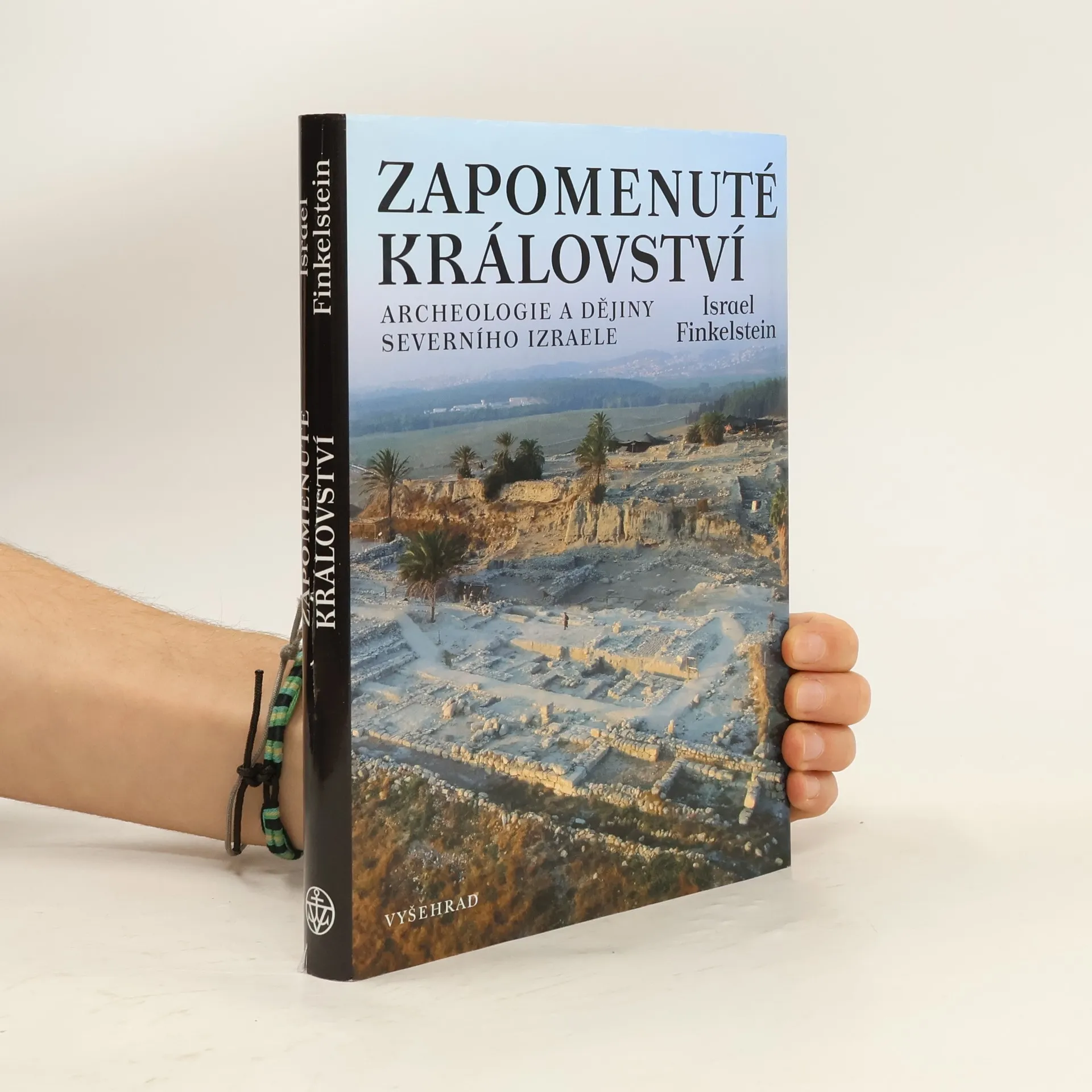
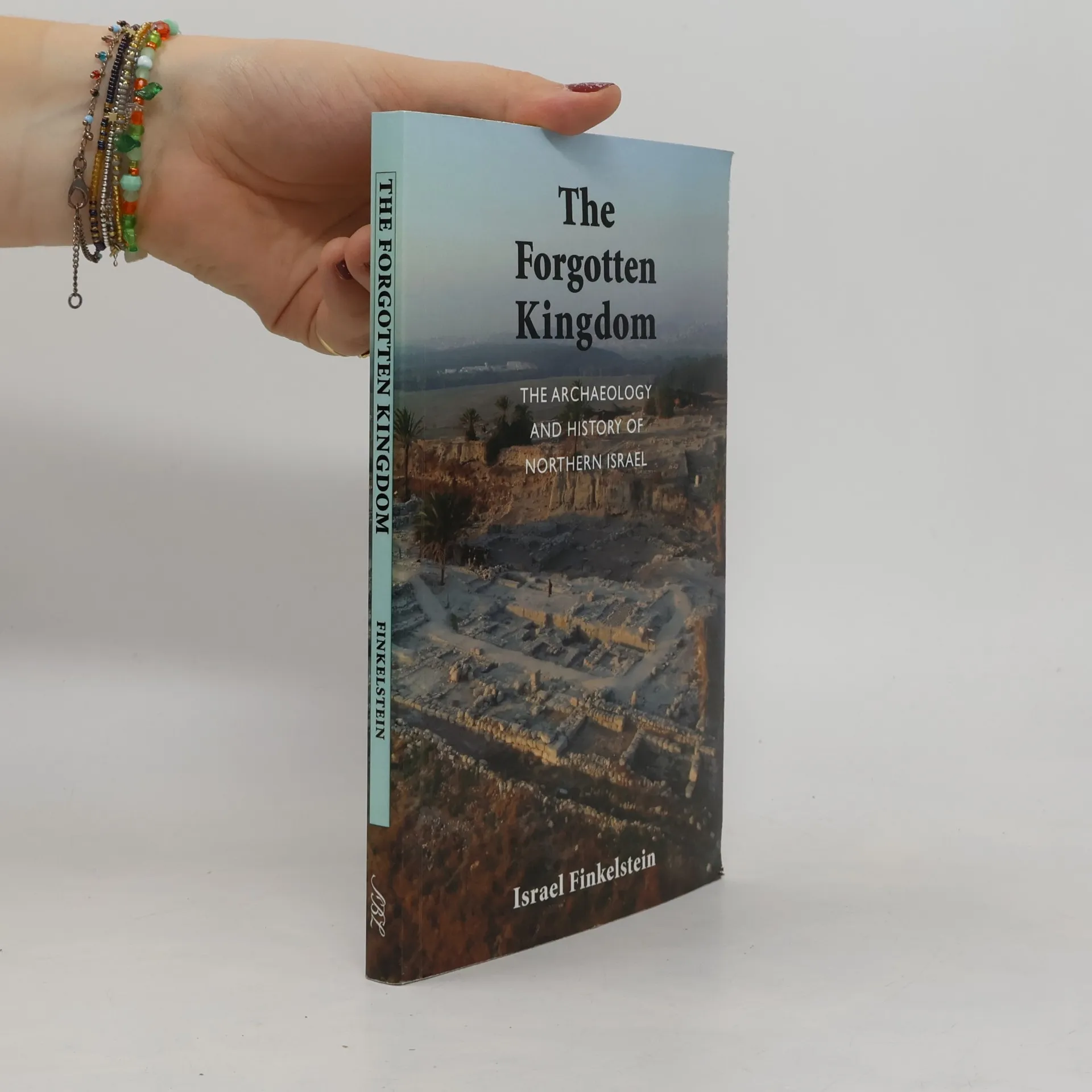
The Forgotten Kingdom: The Archaeology and History of Northern Israel
- 197 Seiten
- 7 Lesestunden
"Although Israel was dominant for most of the time the kingdoms of Israel and Judah coexisted, it has remained in Judah's shadow in both the Hebrew Bible and consequently in the attention of modern scholarship. This book presents the first comprehensive history of the northern kingdom and description of the archaeology of northern Israel from the Late Bronze Age (ca. 1350 B.C.E.) until the kingdom's fall in 720 B.C.E. and beyond. It tells the story of the northern kingdom primarily in its formative phases. The narrative is based in archaeology and makes use of the most updated field research, with the addition of what is known from ancient Near Eastern and biblical texts. Finkelstein's thirty years of fieldwork in sites related to the northern kingdom have paved the way for a new understanding of the history and archaeology of ancient Israel."--Back cover.
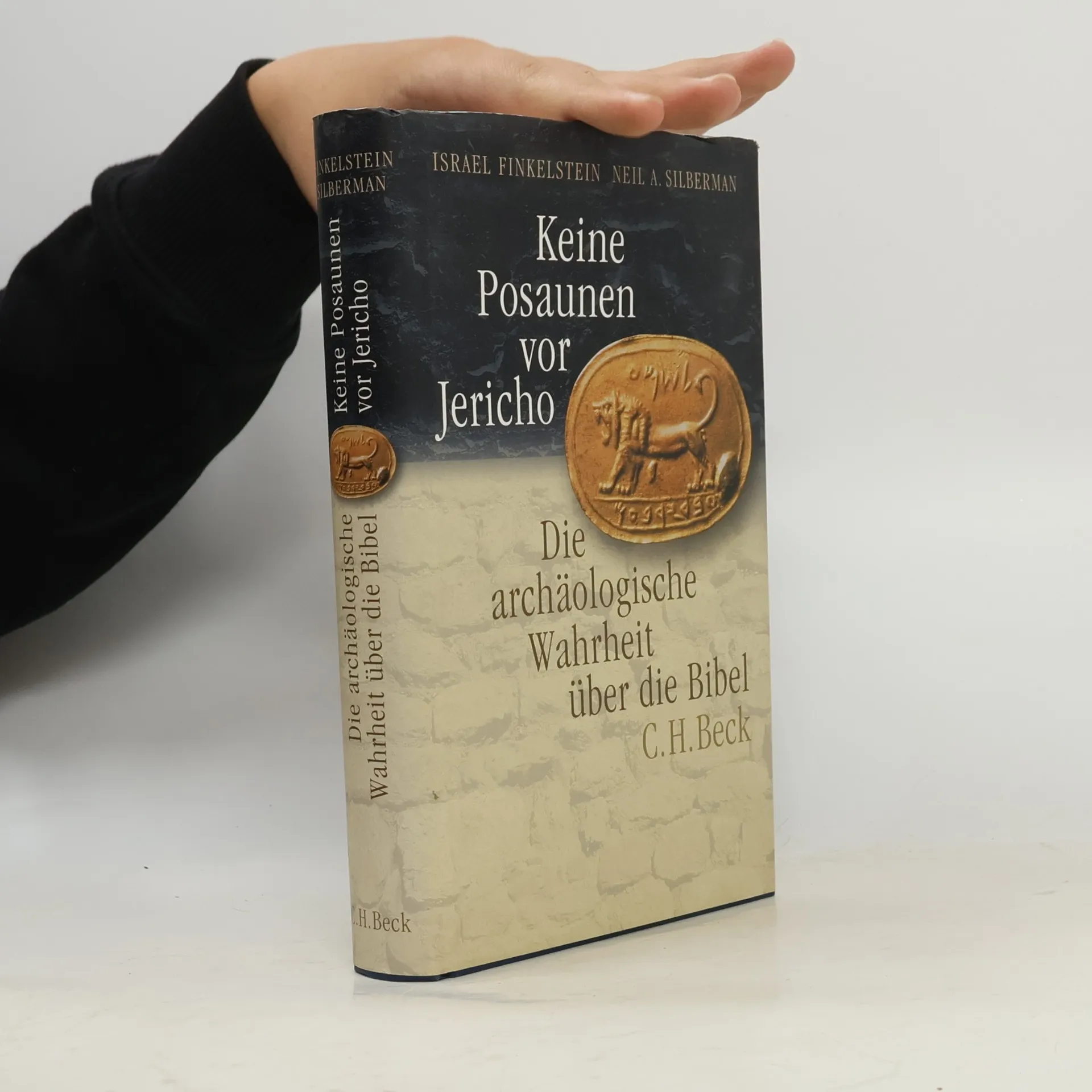
Keine Posaunen vor Jericho
- 380 Seiten
- 14 Lesestunden
Stellt den fundamentalistischen Glaube an die Bibel als historischen Tatsachenbericht wird, schlüssig, verständlich und wissenschaftlich belegt, in Frage.
Kniha význačného telavivského archeologa Israele Finkelsteina (1949) známého v českém prostředí díky dílům Objevování Bible (2007) a David a Šalomoun (2010) nabízí nový pohled na starověký Izrael, které bylo sousedem známějšího Judského království na jihu existujícího až do pádu Jeruzaléma v roce 586 př. Kr. Izrael je v biblických textech líčen až jako druhý a méně významný a záměrně i 'pozapomenutý' stát. Autor na základě archeologického výzkumu, analýzy materiální kultury a biblických i dalších starověkých textů rekonstruuje dějiny Izraele podle jednotlivých svébytných údobí od pozdní doby bronzové až po pád hlavního města Samaří (1350--720 př. Kr.). Co se před očima čtenáře postupně objevuje, jsou pozdně kenaánský státní útvar Šekem, první izraelský státní celek Gibeón spojovaný s příběhy krále Saula následovaný královstvími Tirsa, Izraelem za vlivné dynastie Omríovců a dále vladaři, z nichž poslední nedokázal čelit vojenské převaze Novoasyrské říše v roce 720, kdy království padlo. Kniha byla oceněna v roce 2014 prestižní Prix Delalande-Guérineau.