Walter Laqueur Reihenfolge der Bücher (Chronologisch)
Walter Ze'ev Laqueur war ein amerikanischer Historiker und Journalist, dessen Werk sich auf die europäische Geschichte des 19. und 20. Jahrhunderts, insbesondere die russische und deutsche Geschichte, sowie auf die Geschichte des Nahen Ostens konzentrierte. Seine umfangreichen Forschungen umfassten ein breites Themenspektrum, von der deutschen Jugendbewegung und dem Zionismus bis hin zu Kommunismus, dem Holocaust und der diplomatischen Geschichte des Kalten Krieges. Laqueur war ein Pionier in der Erforschung von politischer Gewalt, Guerillakrieg und Terrorismus. Seine Kommentare zu internationalen Angelegenheiten erschienen in zahlreichen amerikanischen und europäischen Zeitungen und Zeitschriften, und seine Bücher wurden in viele Sprachen übersetzt, was die globale Reichweite seiner historischen Analysen widerspiegelt.



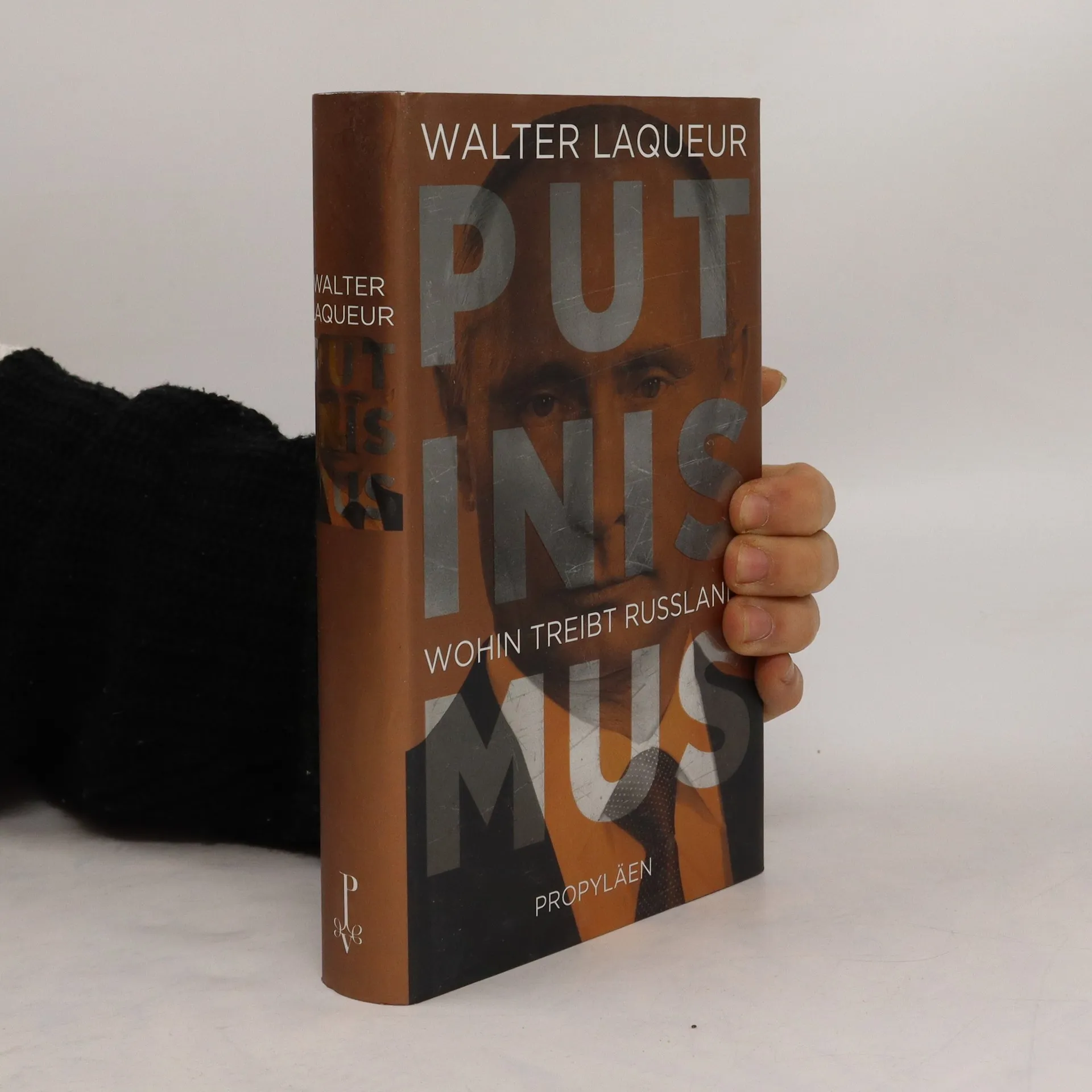
»Walter Laqueur zählt zu den fruchtbarsten und einflussreichsten Zeitgeschichtlern der westlichen Welt.« Die Zeit WORUM GEHT ES? Der Russland-Experte Walter Laqueur beleuchtet Putins neue Großmachtpolitik. Er zeigt, wie sich nach dem Ende der Sowjetunion ein neuer gesellschaftlicher Konsens gebildet hat, antiwestlich, antiliberal und staatshörig, der an tief verwurzelte Traditionen Russlands anknüpft. Putin, Vorreiter dieser fatalen Entwicklung, findet breite Zustimmung im Lande. Sein Kurs, durch die Destabilisierung Osteuropas verlorenen Einfluss zurückzugewinnen, führt unweigerlich in eine gefährliche Konfrontation mit dem Westen. WAS IST BESONDERS? Jenseits journalistischer Schnellschüsse ein historisch fundiertes, über den Tag hinaus gültiges Porträt des heutigen Russlands und der gefährlichen Politik Putins. WER LIEST? • Alle, denen der neue Kalte Krieg in Europa Sorgen bereitet • Wer sich für die Hintergründe der aktuellen Konflikte in Osteuropa interessiert • Wer wissen will, wohin sich Russland unter Putin bewegt
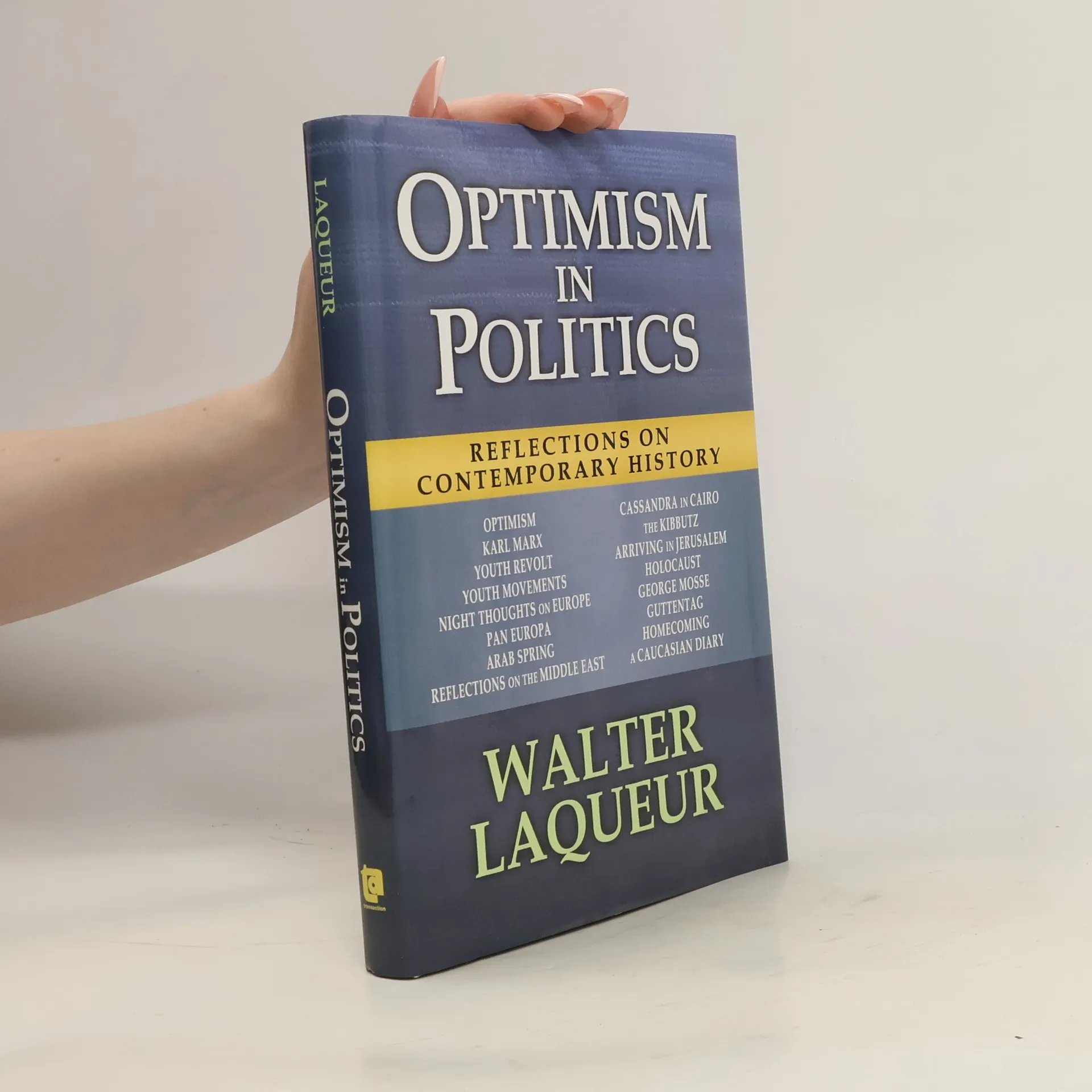
This new collection by Walter Laqueur, a distinguished historian and political commentator, presents his insights on fifty years of political life through a series of essays. Covering events from over seventy years ago to potential future occurrences, Laqueur organizes his writings into five main themes: optimism in politics, Europe, the Arab Spring, Israel and Jewish affairs, and reflections on the past. He explores the crucial question of how much optimism is necessary in politics, noting that some neuroscientists argue our assessments may be overly optimistic, while others warn against the influence of negative conclusions. Laqueur contends that these psychological factors significantly impact our understanding of political trends. He also emphasizes the complex relationship between historical writing and current affairs, challenging the notion that historians are inherently better at interpreting the present or predicting the future. While some historians excel as political commentators, others do not, and Laqueur's reflections affirm his position among the successful ones. This volume serves as a testament to his insightful analysis and the importance of optimism in navigating political landscapes.
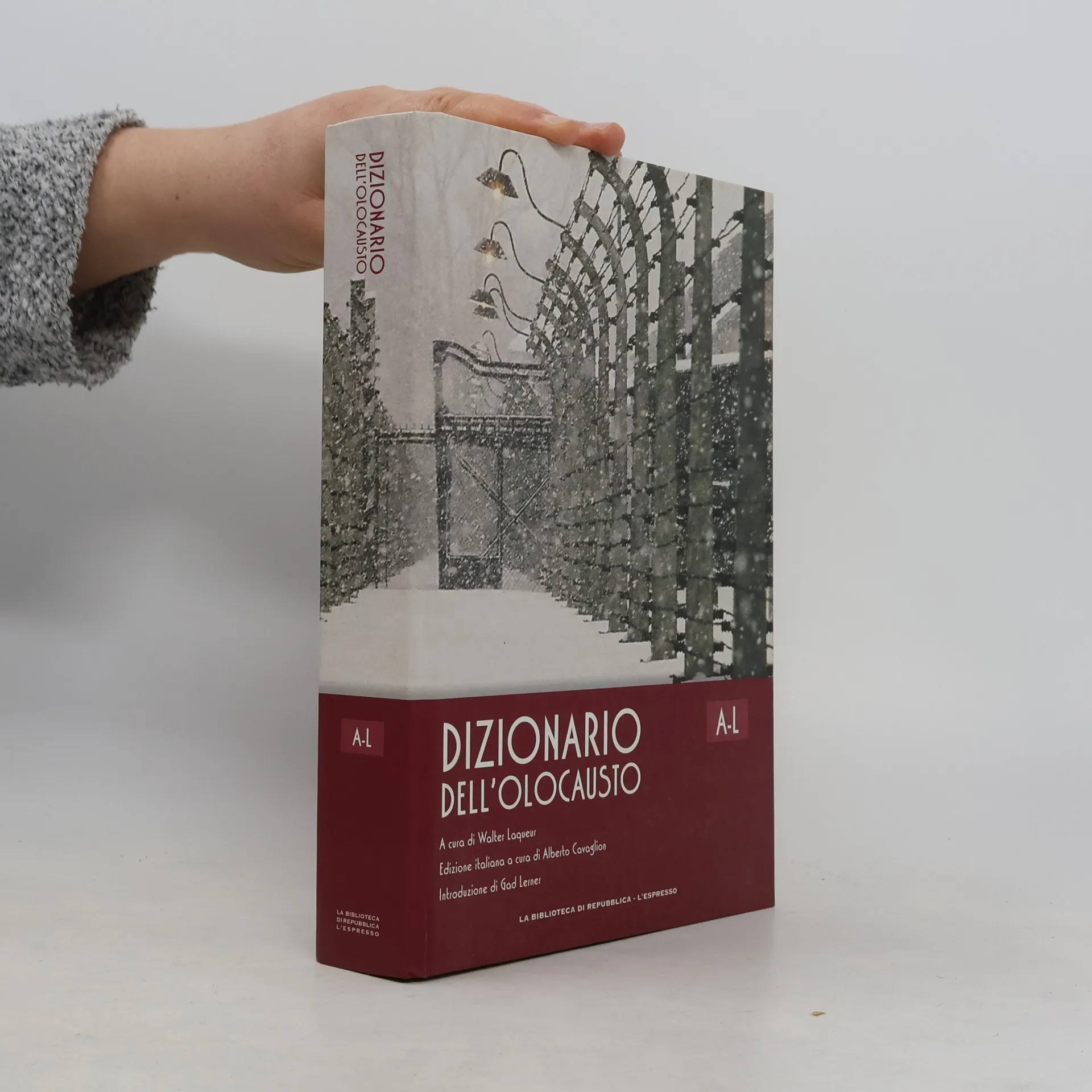
The book explores the timeline and channels through which information about Hitler's "Final Solution" reached both Jews and non-Jews. It delves into the initial awareness of the genocide, examining how news of the atrocities was disseminated and the varied reactions from those who learned about the ongoing slaughter. By addressing these critical questions, the work sheds light on the broader implications of knowledge and response during one of history's darkest periods.
Griechenland siecht dahin, Spanien kämpft ums Überleben und Frankreich, die zweitgrößte Wirtschaftsmacht Europas, verliert sein triple A. Der Niedergang Europas scheint besiegelt zu sein. Was als Wirtschaftsunion vielversprechend begann, verheddert sich mangels gemeinsamer Werte und Identität in nationalstaatlichen Interessenskonflikten. Walter Laqueur stellt Europa ein schlechtes Zeugnis aus: Anstatt aktiv am Wandel zu arbeiten, ist Europa in Lethargie verfallen, es fehlt an Neugier und Dynamik, an der Fähigkeit, den Kontinent zu verjüngen. Stattdessen herrschen Starrheit und Erschöpfung in den Systemen und global bilden sich neue Kräfteverhältnisse, die Europa ins Abseits schieben könnten. Eine erschreckende Diagnose, eine alarmierende Prognose
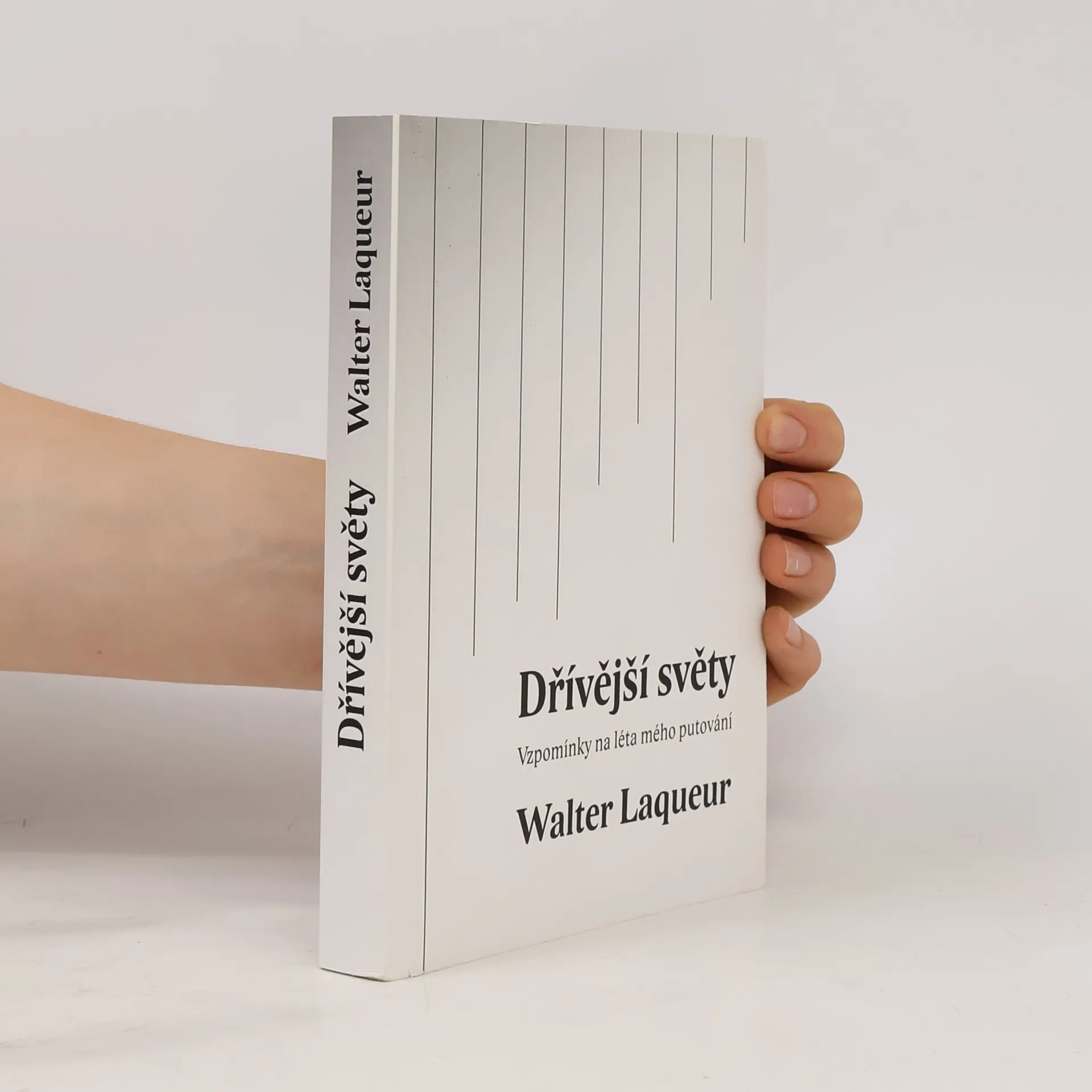
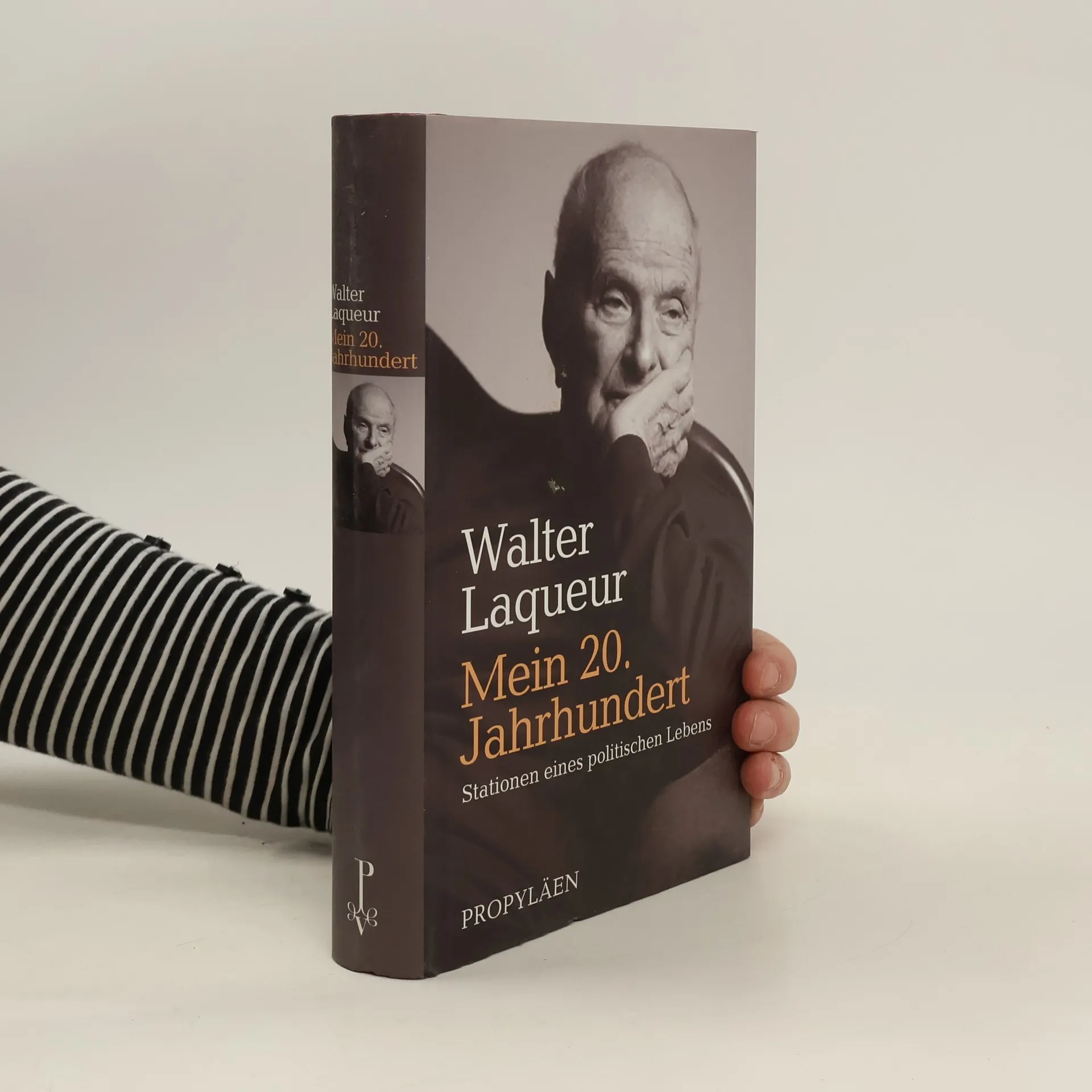
Laqueur, Jahrgang 1921, verbrachte die Kindheit in der Weimarer Republik, die Jugend im Dritten Reich. Mit siebzehn floh er vor den Nazis nach Palästina. Hier erlebte er den Zweiten Weltkrieg und den israelischen Unabhängigkeitskrieg von 1948. Seine Familie wurde im Holocaust ermordet. 1950 ging er in die USA und wurde in der Ära des Kalten Krieges zum führenden Russland-Experten und zum Begründer der Terrorismus-Forschung. Die Stationen seines Lebenswegs haben ihn zu den großen Themen des 'ungeliebten' 20. Jahrhunderts geführt, mit denen er sich zeitlebens beschäftigt hat: Warum konnten Hitlers Machtergreifung und die Rückkehr der Barbarei nach Europa nicht verhindert werden? Warum übten Marxismus und Sowjetkommunis-mus lange Zeit eine solche Faszination aus? Warum hat sich die israelisch-palästinensische Nachbarschaft in einen unlösbaren Weltkonflikt verwandelt? Warum haben die Geheimdienste und politischen Analysten des Westens weder den Untergang der Sowjetunion noch die neuen Gefahren des internationalen Terrorismus vorausgesehen? Laqueur nimmt uns mit auf seine persönliche Bildungsreise durch ein turbulentes Jahrhundert, erzählt im abgeklärten Ton eines auf sein Leben zurückschauenden Weisen.
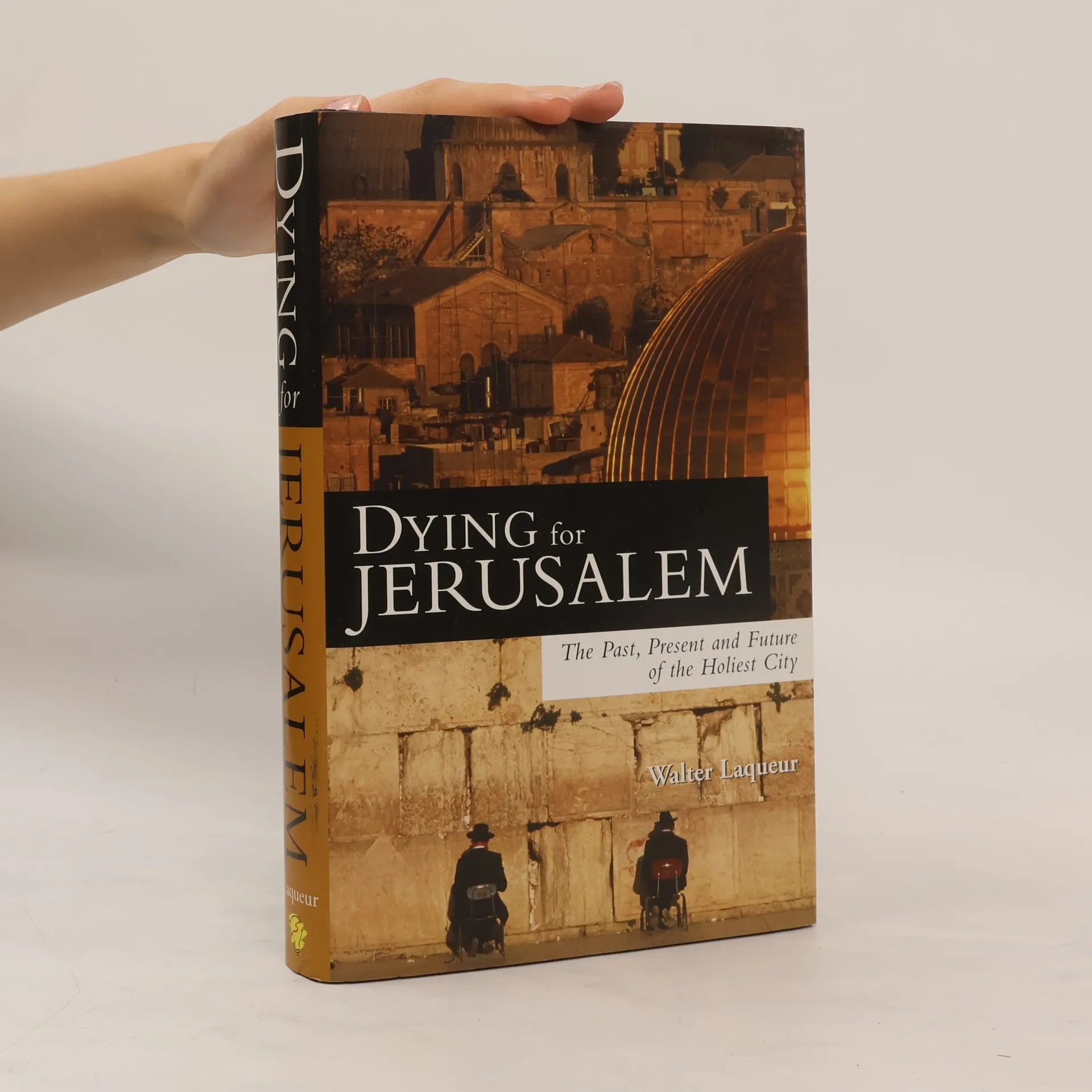
The Past, Present and Future of the Holiest City Why has a symbol become such a tremendous political issue? Whence the insistence on the part of the religious nationalists on keeping Jerusalem as the permanent and exclusive capital? And why the insistence by Palestinians on having it as their capital, which it never was in the past? Why are people who do not want to live in Jerusalem willing to die for it? Praise for Walter Laquer from the New York Times: "Among the last of a remarkable generation of German Jewish intellectuals, Walter Laquer has seen and survived much of this century's agitated history. He has also written cogently, even preciently, about it for more than 40 years."(Review of Facism: Past, Present, Future) "Walter Laquer--a deeply learned polygot historian, whose expertise ranges from 19th-century Germany to 20th-century Egypt--has for decades stood out as one of the very few sober and intelligent voices in this undistinguised crowd."(Review of No End to War: Terrorism in the Twenty-First Century) "One of our most distinguished scholars of modern European history."(Review of Black Hundred: The Rise of the Extreme Right in Russia)
Europas Bevölkerung schrumpft und vergreist rapide. 1900 lebten hier 21 Prozent der Weltbevölkerung - Ende des 21. Jahrhunderts werden es weniger als vier Prozent sein. Zugleich verändert die verstärkte Zuwanderung, zumal aus dem islamischen Raum, das Gesicht des Kontinents. Walter Laqueur, einer der renommiertesten Historiker, befasst sich in seinem hellsichtigen Essay mit den politischen, sozialen und kulturellen Folgen dieser dramatischen Entwicklung und fragt nach der Zukunft des Kontinents.
Walter Laqueur, als langjähriger Direktor der berühmten Wiener Library in London einer der besten Kenner des Themas, nimmt in einem großen historischen Essay die verschiedenen Formen und Ausprägungen des Antisemitismus von der Antike bis heute in den Blick. Dabei spannt er den Bogen vom religiösen Antijudaismus der Anfänge bis zum rassisch begründeten Judenhass des 19. Jahrhunderts, der in die Katastrophe des Holocaust mündete. Eindringlich zeigt er, in welchem Maße Antisemitismus noch heute verbreitet ist, nicht nur im nahöstlich-arabischen Raum, sondern auch in Europa. Die jüngsten Kapitel dieser unheilvollen Geschichte sind antijüdische Verschwörungstheorien im Gefolge von 9/11 und neue Bündnisse zwischen Rechtsextremen aller Welt und radikalen Islamisten.
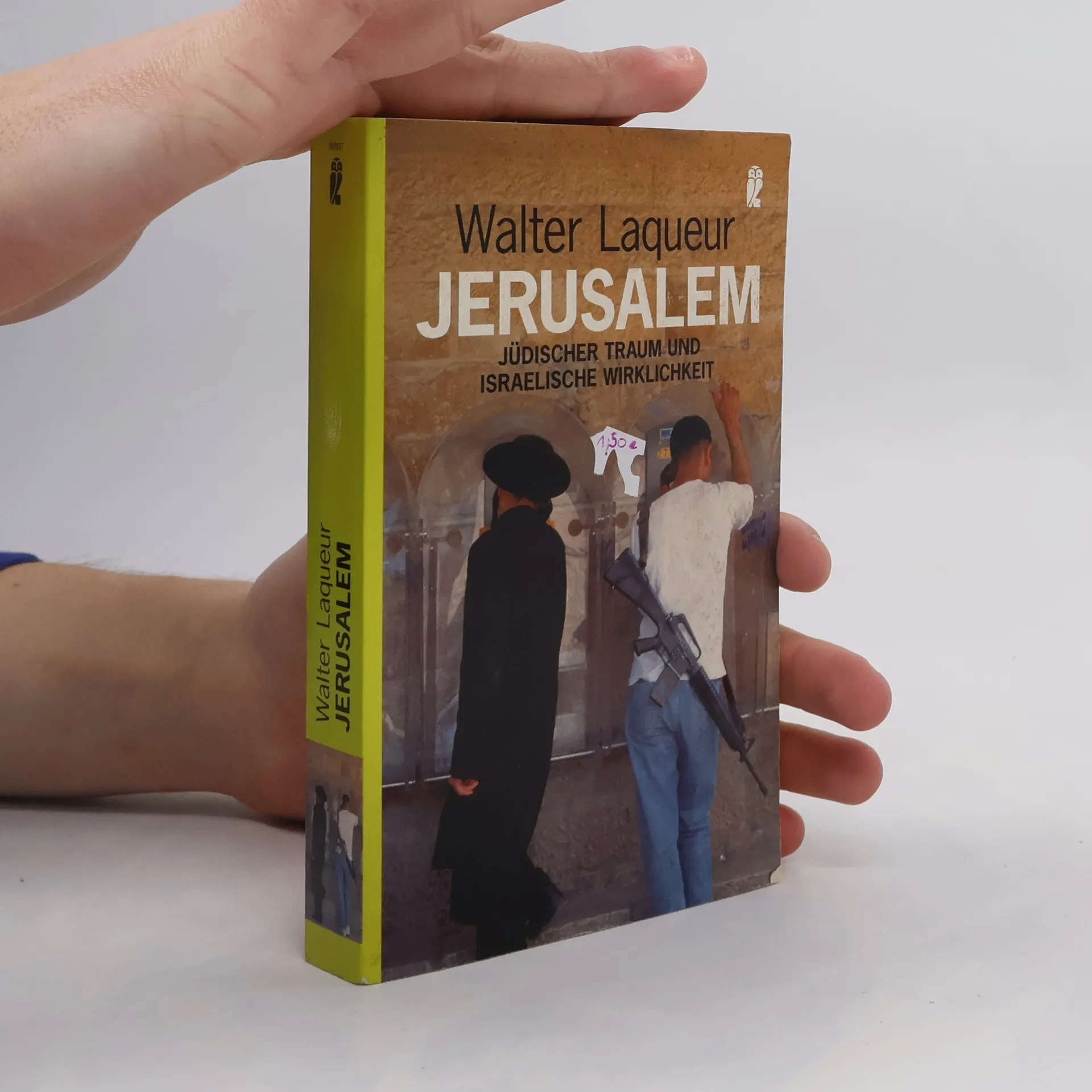
Jerusalem
- 400 Seiten
- 14 Lesestunden
In keiner anderen Stadt der Welt sind politische, religiöse und kulturelle Konflikte so schicksalhaft und unentwirrbar verknüpft wie in Jerusalem. Walter Laqueur, seit mehr als sechzig Jahren intimer Kenner der Stadt und ihrer Geschichte, führt uns zurück zu den historischen Wurzeln dieser Konflikte und eröffnet neue Einblicke in diesen notorischen Brennpunkt der Weltpolitik.
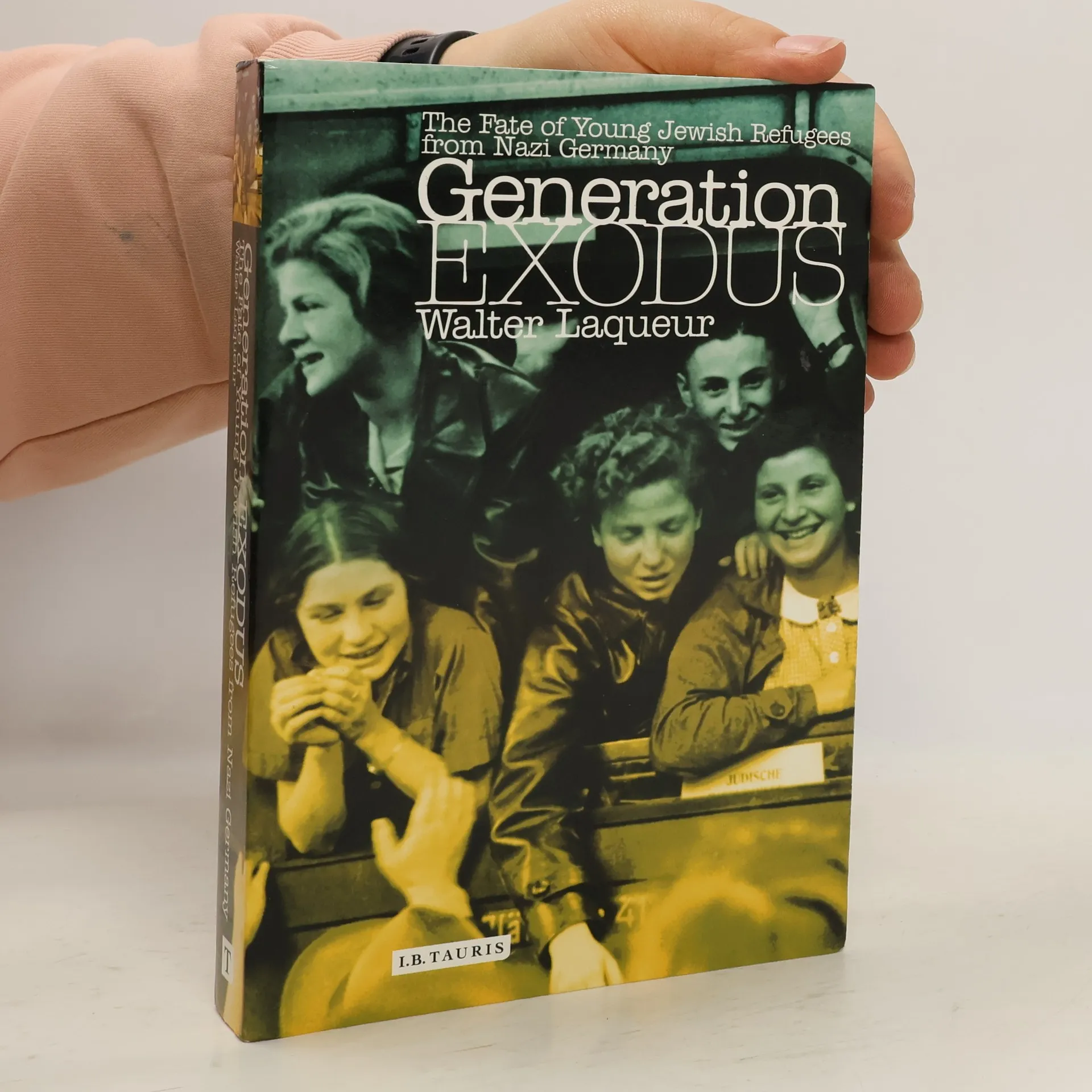
Generation exodus
- 400 Seiten
- 14 Lesestunden
This text is a generational history of the young people whose lives were irrevocably shaped by the rise of the Nazis. Half a million Jews lived in Germany when Hitler came to power in 1933. Over the next decade, thousands would flee. Among these refugees, teens and young adults formed a remarkable generation. They were old enough to appreciate the loss of their homeland and the experience of flight, but often young and flexible enough to survive and even flourish in new environments. This generation has produced such disparate figures as Henry Kissinger and "Dr Ruth" Westheimer. Walter Laqueur has drawn on interviews, published and unpublished memoirs and his own experiences as a member of this group of refugees, to paint a vivid and moving portrait of Generation Exodus.
Krieg dem Westen
- 420 Seiten
- 15 Lesestunden
Behandelt die Wurzeln des islamischen Terrorismus, die Selbstmordattentäter, die westlichen Interpretationsmuster und das äSchlachtfeld der Zukunft - die Geopolitikä, womit auf die behauptete Frontstellung zwischen dem Westen und dem Rest der Welt eingegangen wird.
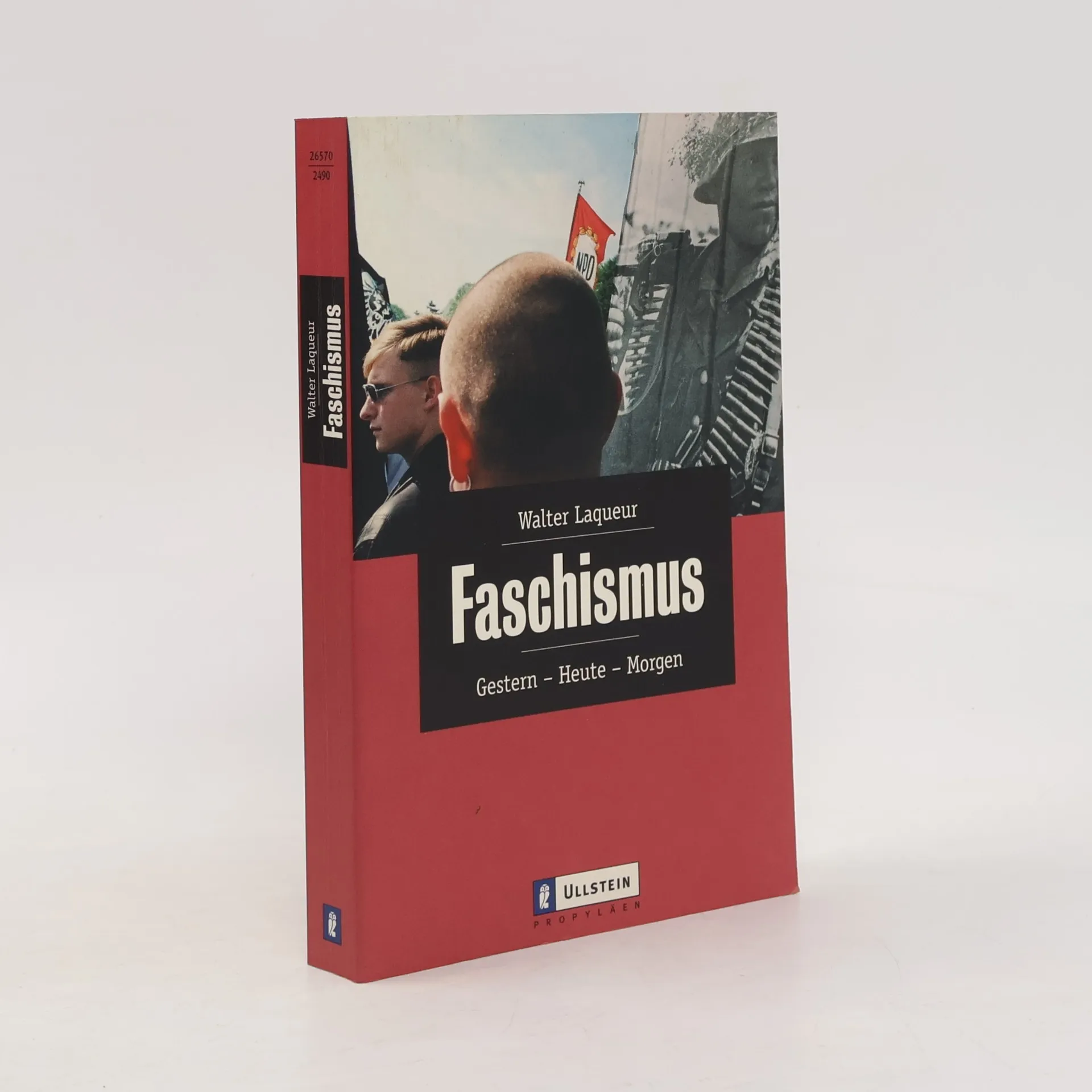
Faschismus: Gestern - Heute - Morgen
- 336 Seiten
- 12 Lesestunden
The history and theory of fascism has been explored in a great number of studies, yet its foundations and essential characteristics remain largely undefined. One reason for this confusion is fascism's distracting ideological totalitarianism, nationalism, anti-Semitism, racism, and imperialism. In Past, Present, Future, Walter Laqueur--a prolific writer, journalist, and historian--directs his keen attention to the resurgence of fascist parties in Russia, Austria, and France, while pointing toward the Middle East as a potential seedbed of future fascist developments. Laqueur's assessment benefits greatly from his historical and scholarly knowledge of Nazi Germany and the Soviet Union. He is at his best on this historical ground. As Laqueur ventures into prescriptive forecasting, the conceptual outline breaks down and he develops tangential discussions of arms proliferation and religious fundamentalism. While our knowledge of the past, present, and future dangers of fascism are greatly increased by Laqueur's book, it adds only incrementally to our understanding of fascism itself.
Geboren in Deutschland. Der Exodus der jüdischen Jugend nach 1933. [Sep 01, 2000] Laqueur, Walter … 3549071221
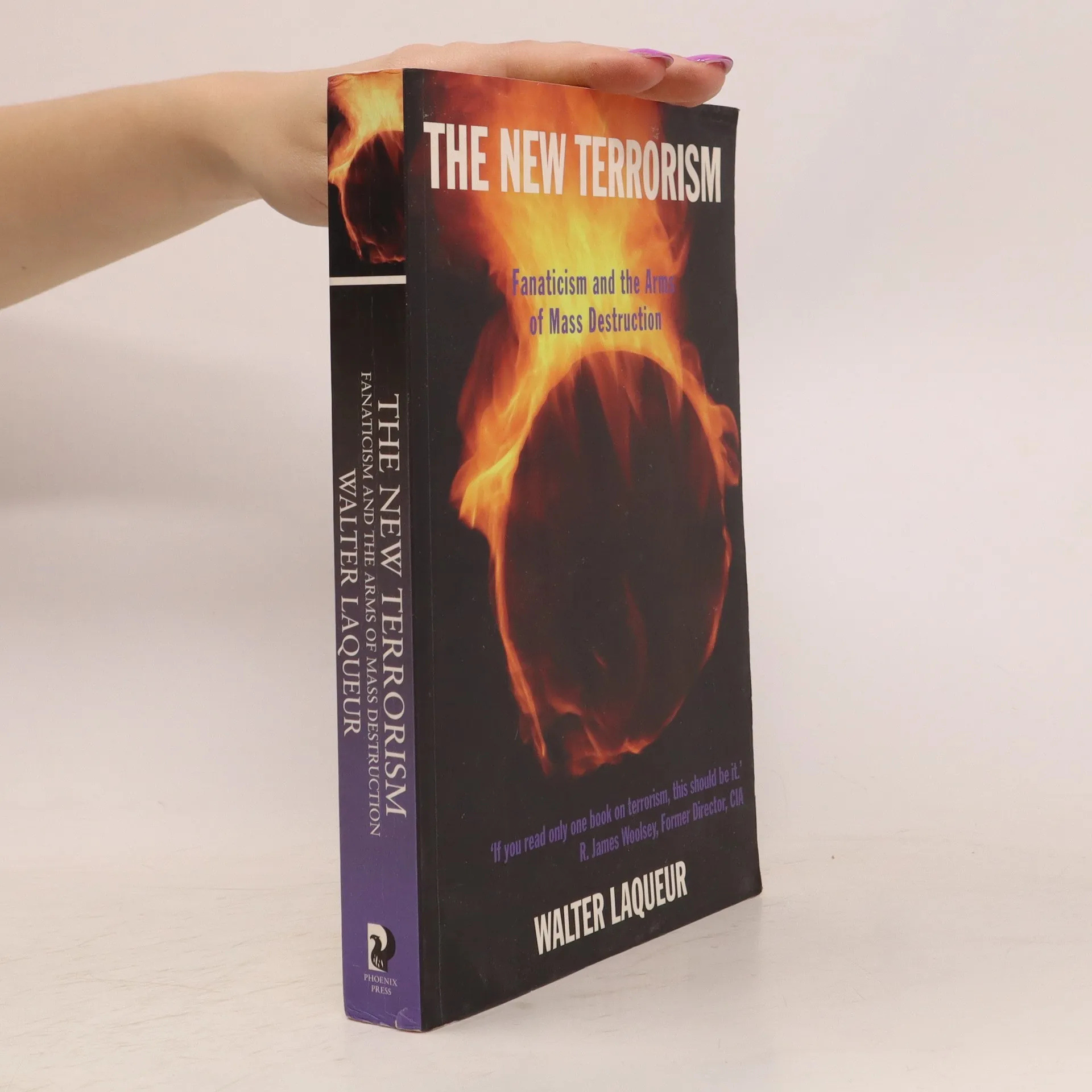
The New Terrorism
- 320 Seiten
- 12 Lesestunden
Coinciding with this is the alarming increased availability of weapons of mass destruction, cheap and easily accessible chemical and biological weapons and cyberterrorism. Walter Laqueur, a world renowned expert on terrorism and international strategic affairs and author of Fascism:A Reader and Weimar (Phoenix Press), recounts the history of terrorism and examines the future of terrorism worldwide.It is only a matter of time, Laqueur argues, before the attainability of weapons of mass destruction creates a terrifying and unstable scenario. 'a discomfiting augury fore the future. Laqueur's excellent work is probably the best single volume I've seen on the phenomenon of terrorism and political violence'. Vincent Cannistraro, former Chief of CIA Counterterrorism Operations.
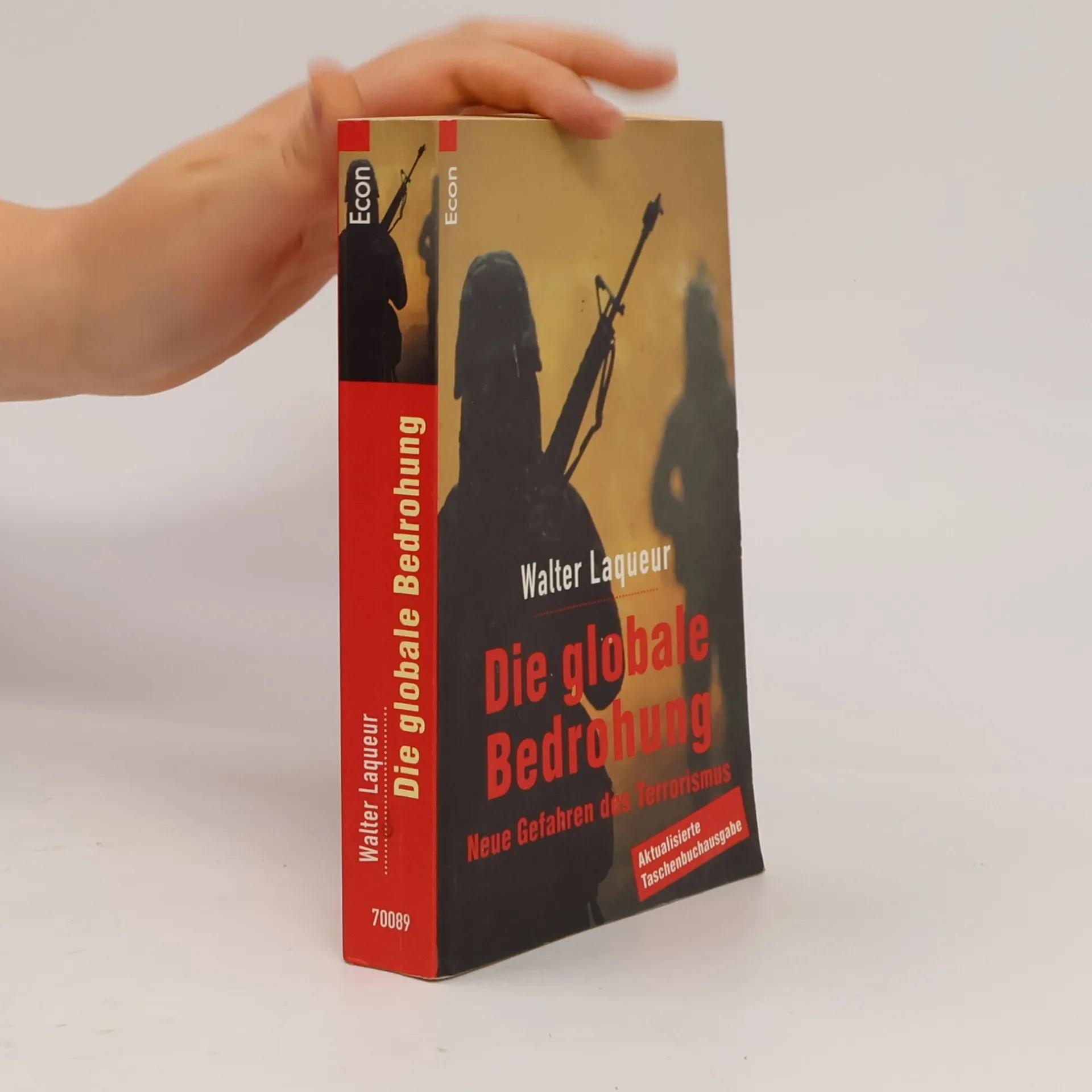
Die globale Bedrohung
- 376 Seiten
- 14 Lesestunden
Unsere Gesellschaft ist anfälliger und bedrohter denn je. Immer kleinere, unkontrollierbare Gruppen haben Zugang zu immer gefährlicheren Massenvernichtungsmitteln. Der Historiker und Terrorismus-Experte Walter Laqueur legt dar, wer die neuen Terroristen sind, welche Motive sie leiten, welcher Waffen sie sich bedienen und wo die Gefahr terroristischer Konflikte am größten ist.
Faschismus
- 368 Seiten
- 13 Lesestunden
Der Wissenschaftler informiert sachlich-präzise argumentierend über Faschismen der Vergangenheit, die neofaschistischen Bewegungen der Gegenwart und die künftigen Bedrohungen durch postfaschistische, fundamentalistische Strömungen.
Wanderer wider Willen
- 388 Seiten
- 14 Lesestunden
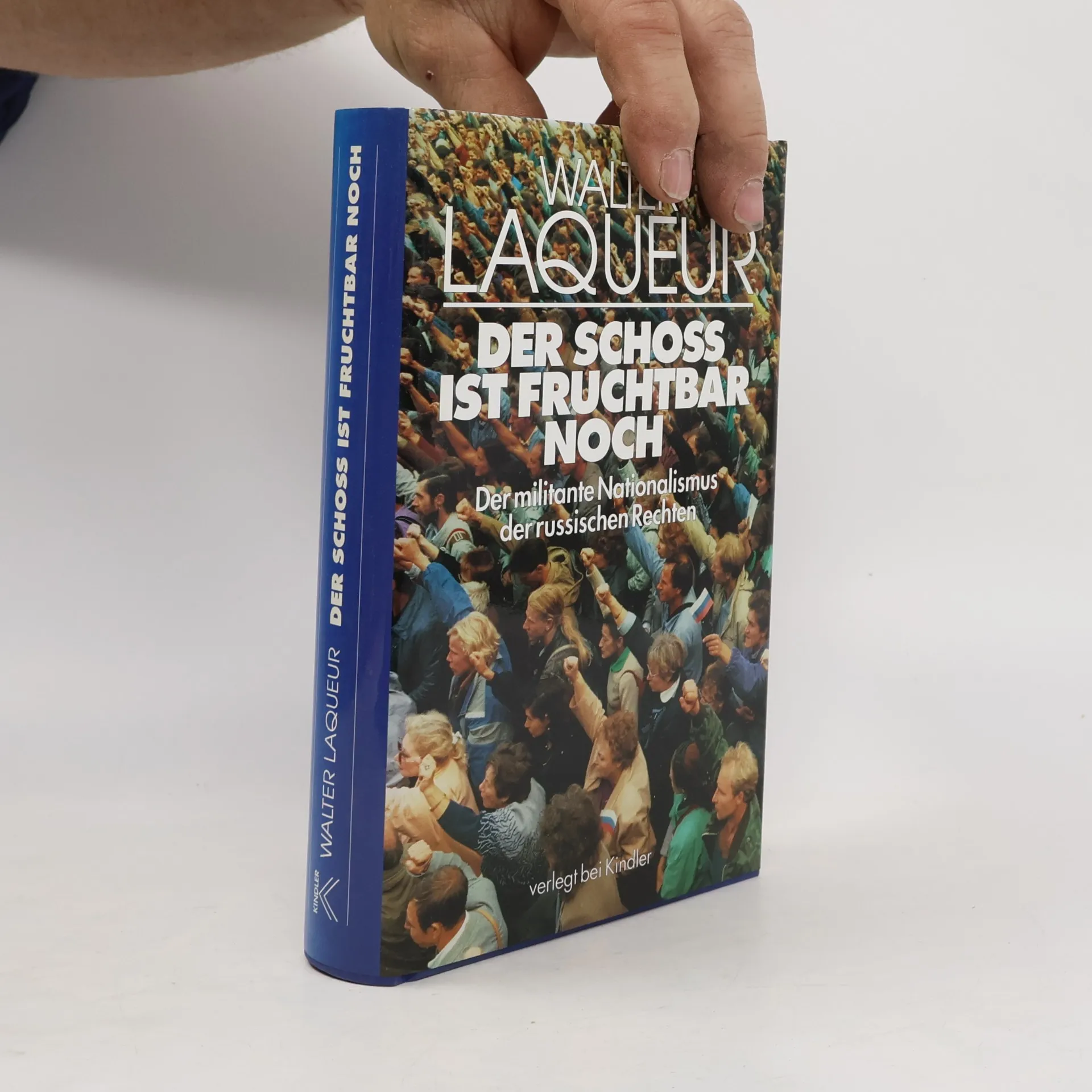
Der Schoss ist fruchtbar noch
- 416 Seiten
- 15 Lesestunden
Der Schoss ist furchtbar noch - Der militante Nationalsismus der russischen Rechten - bk170; Kindler Verlag; Walter Laqueur; Paperback; 1993
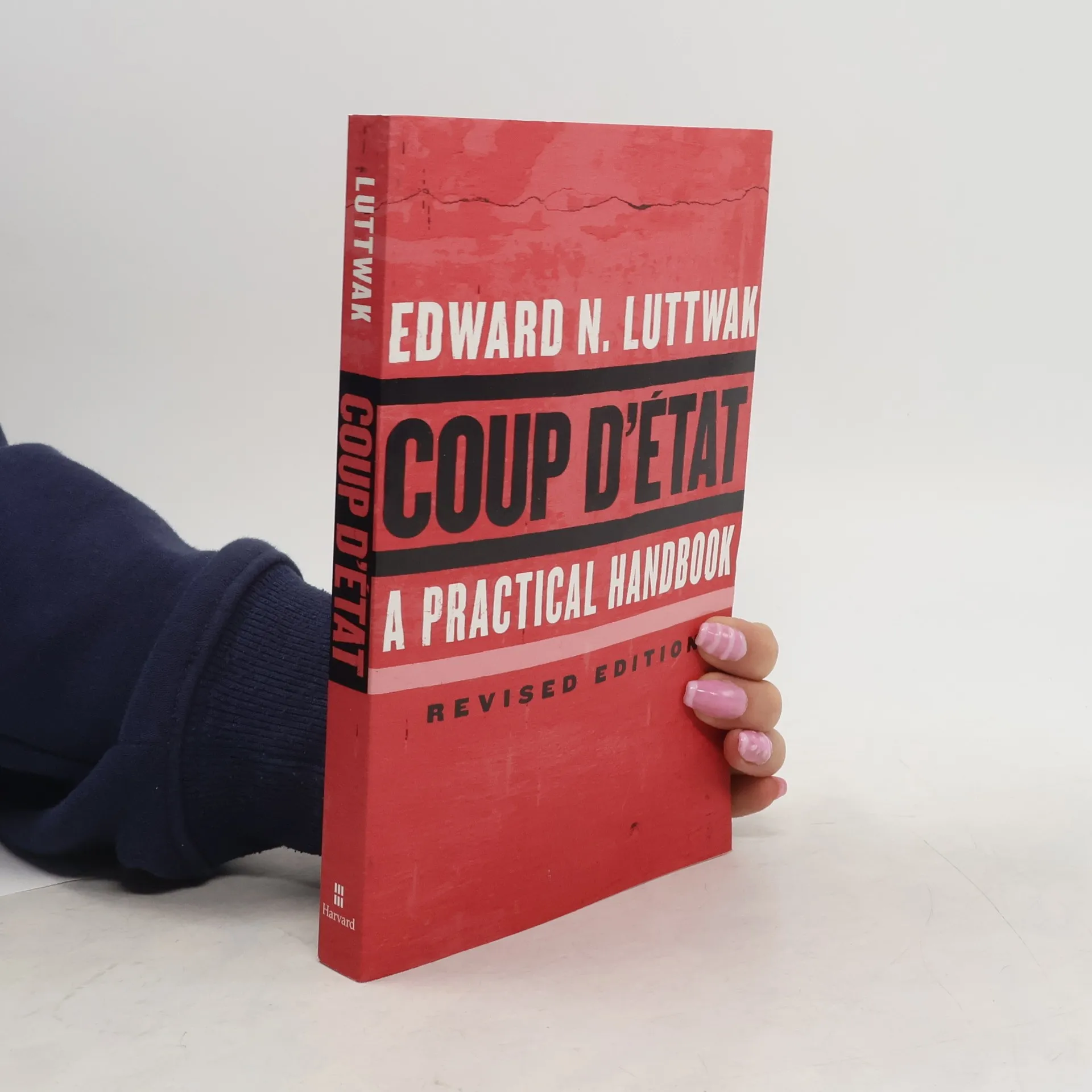
Coup D'etat
- 264 Seiten
- 10 Lesestunden
Edward Luttwak's shocking 1968 handbook showed, step-by-step, how governments could be overthrown and inspired anti-coup precautions around the world. In addition to these instructions, his revised handbook offers a new way of looking at political power-one that considers the vulnerability of stable democracies after prolonged economic distress.
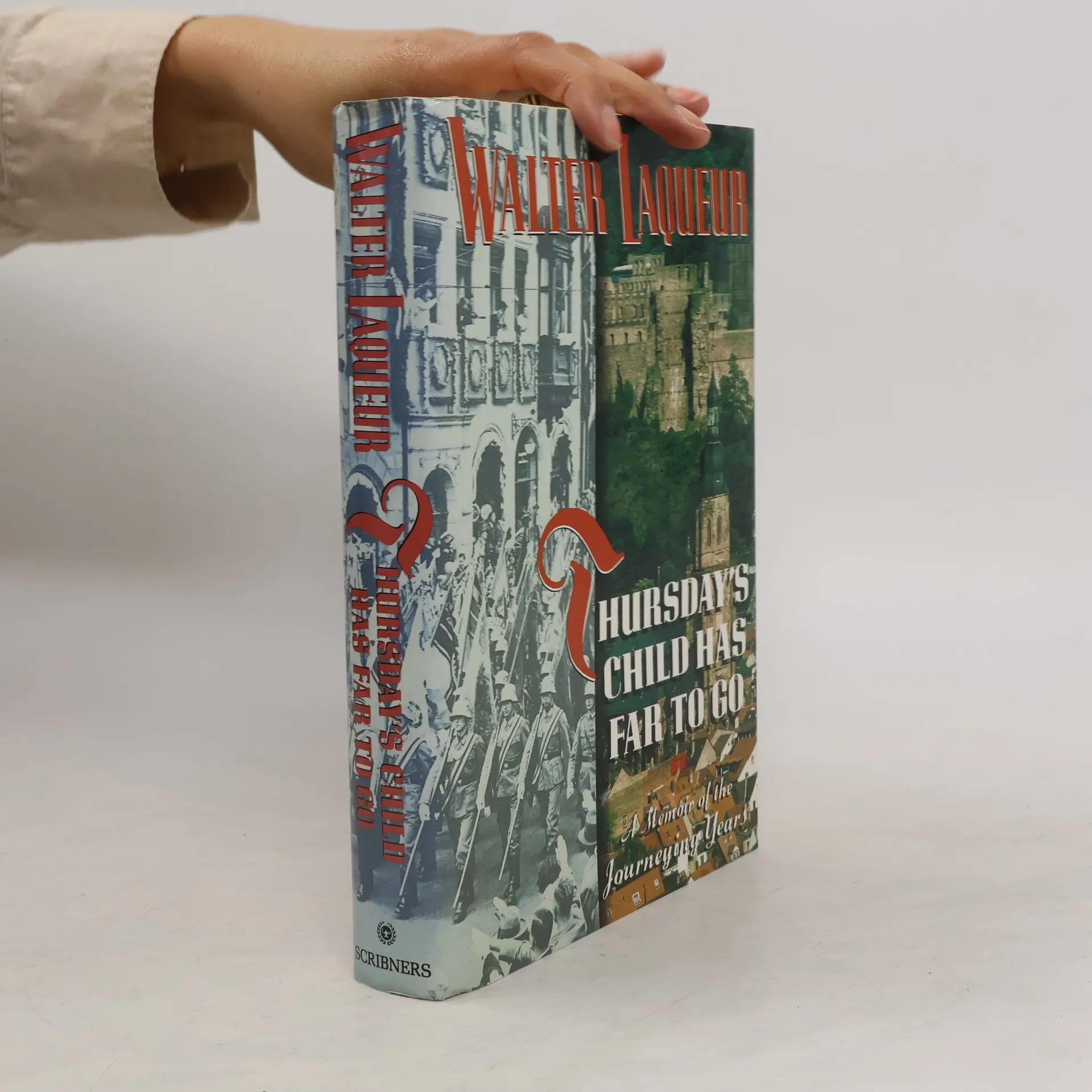
Thursday's child has far to go
- 418 Seiten
- 15 Lesestunden
Originally published in 1993, *Worlds Ago* is not only about the politics of the times, but also about the world into which Walter Laqueur was born and raised: pre-war Germany in 1921, where he witnessed the rise of the Nazi party. It is a story of families, friendships, and early love; achievements and disappointments; and facing and surviving dangerous circumstances in which many of those close to him lost their lives. It was a world where calm seas and waters were rare and survivors were lucky to escape the engines of war. This memoir further recounts his experience as an agricultural laborer on a kibbutz, living among Bedouin and Arab herdsmen, sharing their labor and lifestyle. Laqueur became a journalist and writer in his twenties, and witnessed dramatic events in the Middle East and the emergence of Israel in the aftermath of World War II. He came to know many of the leading figures on both sides who were involved in the establishment of the State of Israel. Walter Laqueur went on to become one of the leading historians and interpreters of the Weimar period in Germany.
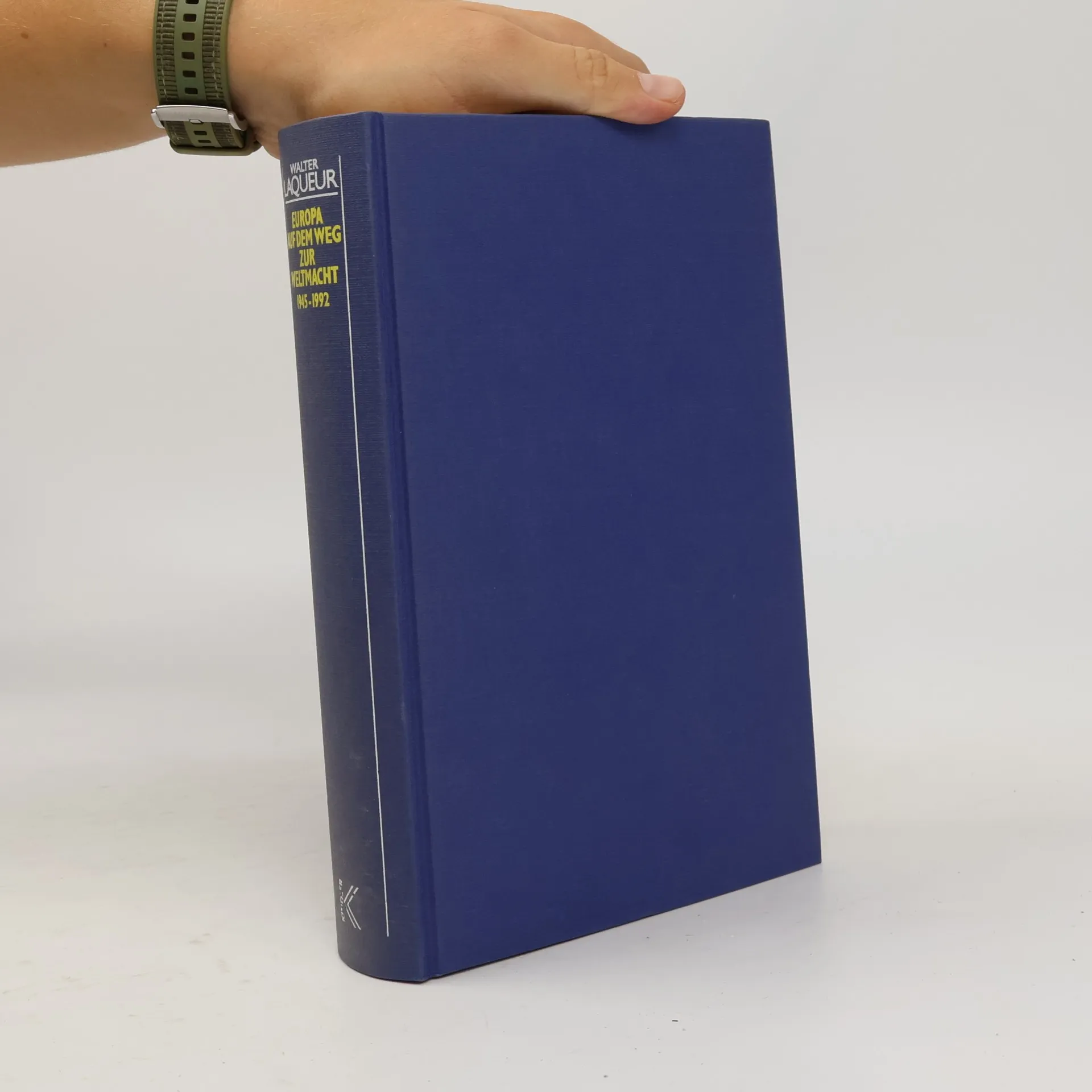
Europa auf dem Weg zur Weltmacht
- 734 Seiten
- 26 Lesestunden
Analyse van de Russische glasnost (openheid).
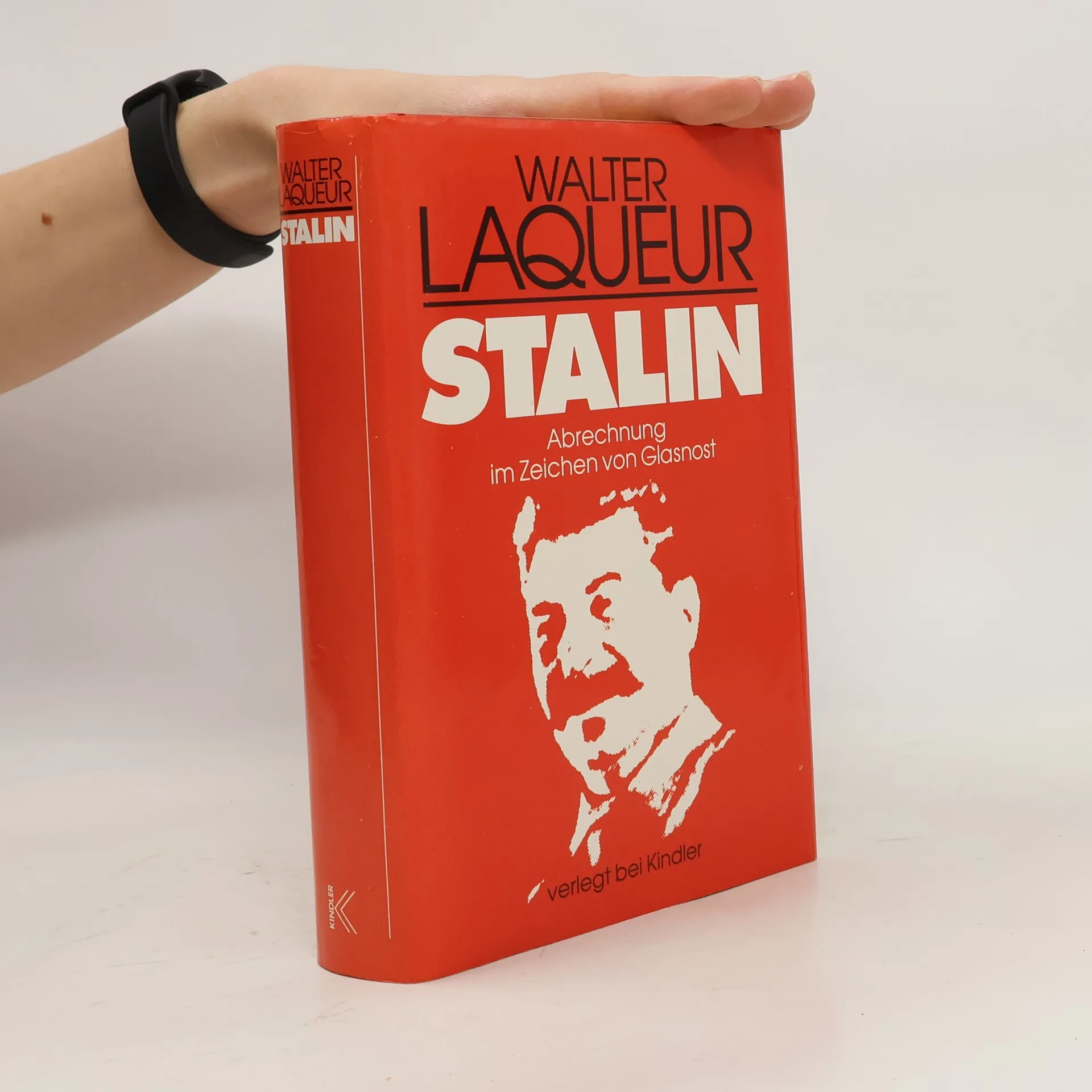
Stalin
- 448 Seiten
- 16 Lesestunden
Eine Untersuchung der Karriere des sowjetischen Diktators im Licht neuer Materialien, die unter Glasnost veröffentlicht wurden, überdenkt entscheidende Perioden der sowjetischen Geschichte, wie die Kollektivierung und die Parteisäuberungen.
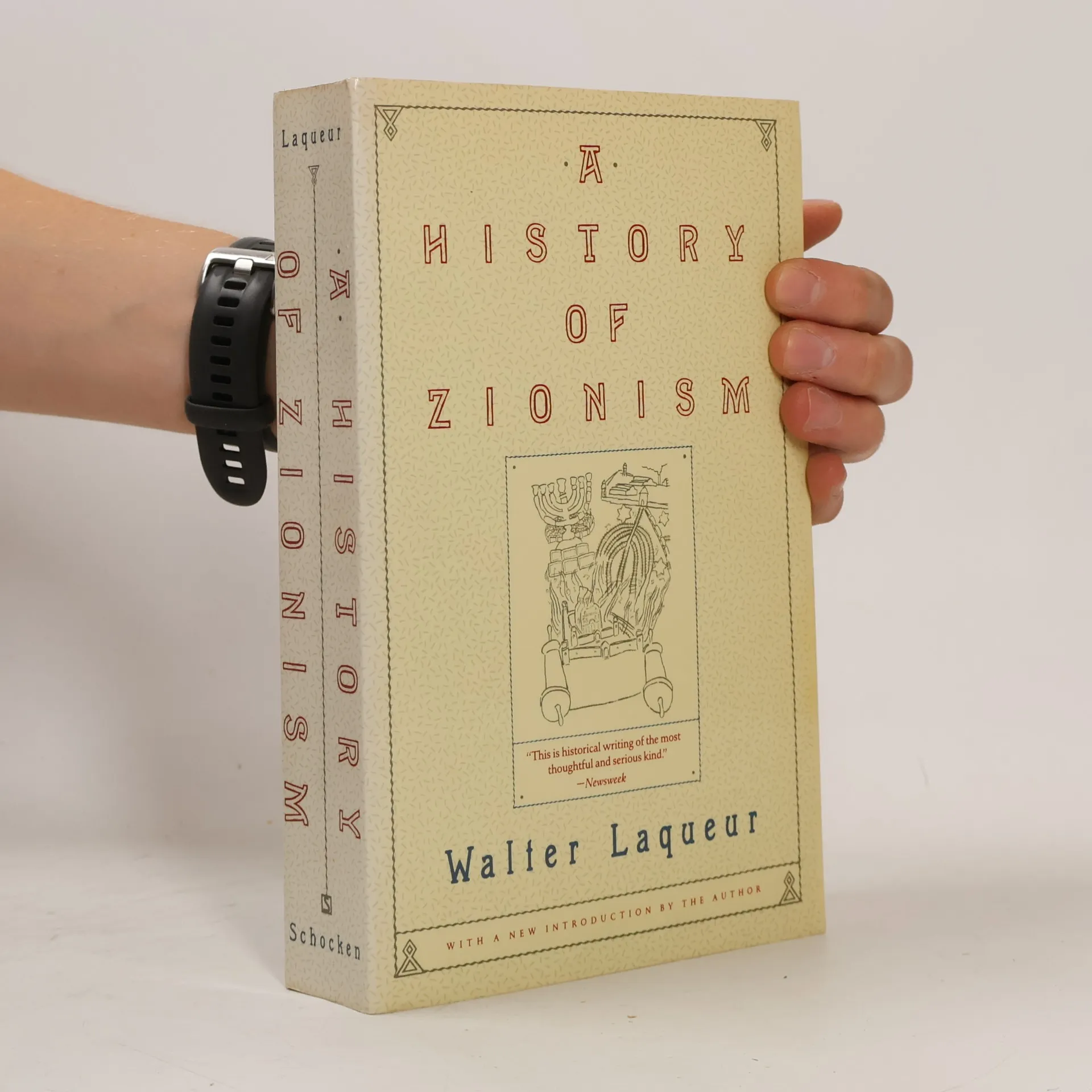
A History of Zionism: With a New Introduction by the Author
- 639 Seiten
- 23 Lesestunden
Surveys the development of the Zionist movement up to 1948, highlighting the major personalities and events that shaped it.
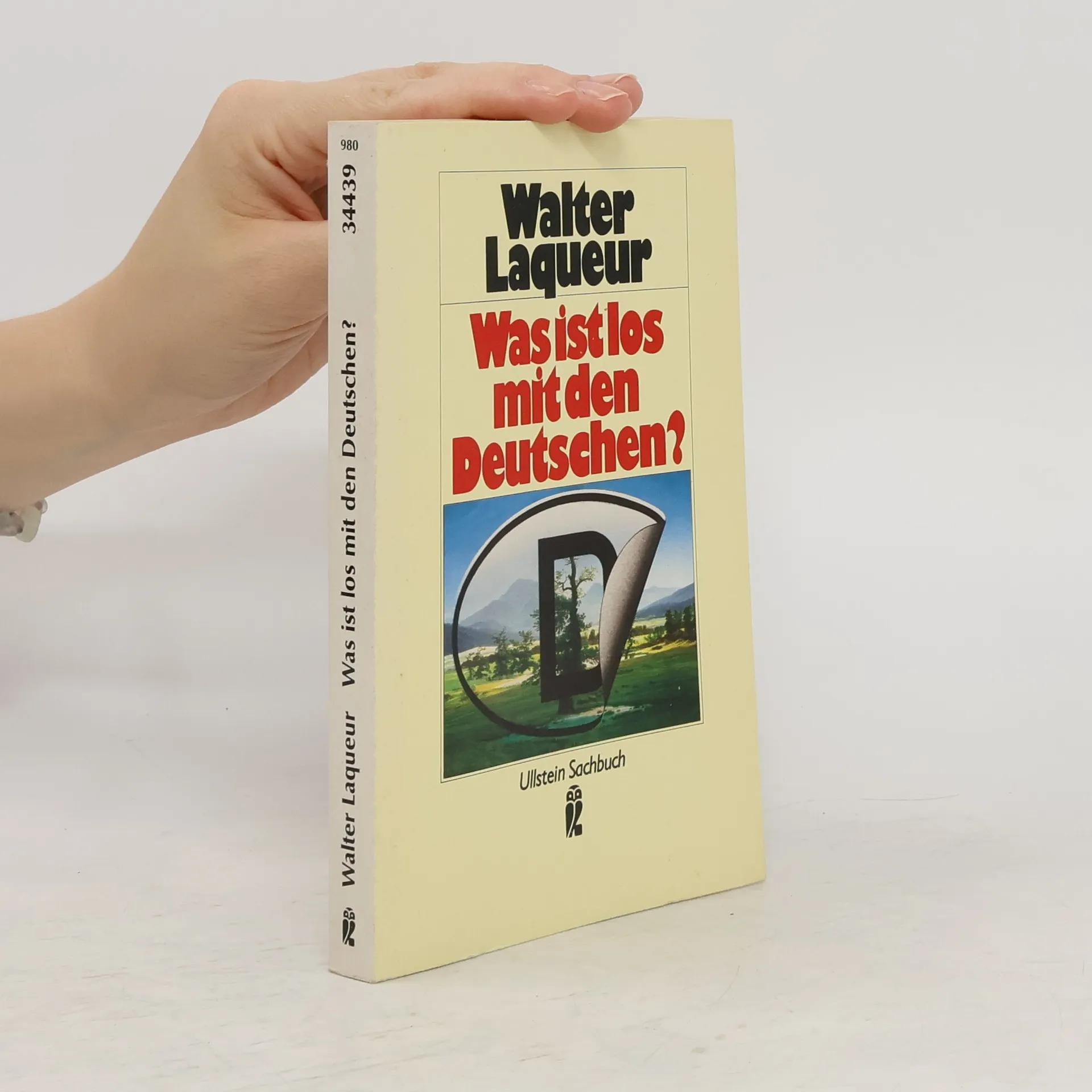
Was ist los mit den Deutschen?
- 279 Seiten
- 10 Lesestunden
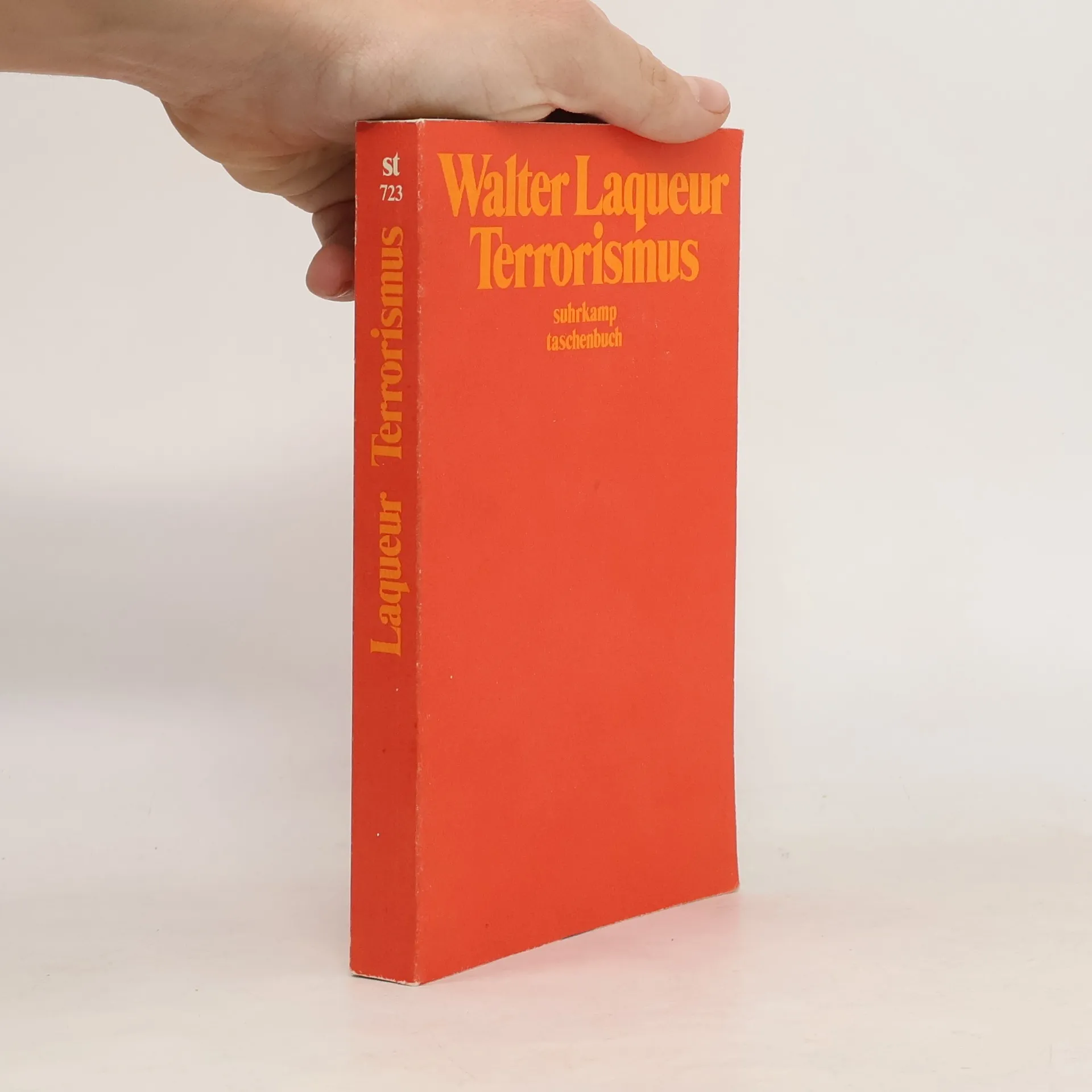
Suhrkamp Taschenbuch - 723: Terrorismus
- 298 Seiten
- 11 Lesestunden
Vollständig überarbeitete und erweiterte Studie über nationale und internationale politische Gewalt, basierend auf dem klassischen Werk des Autors "Terror".
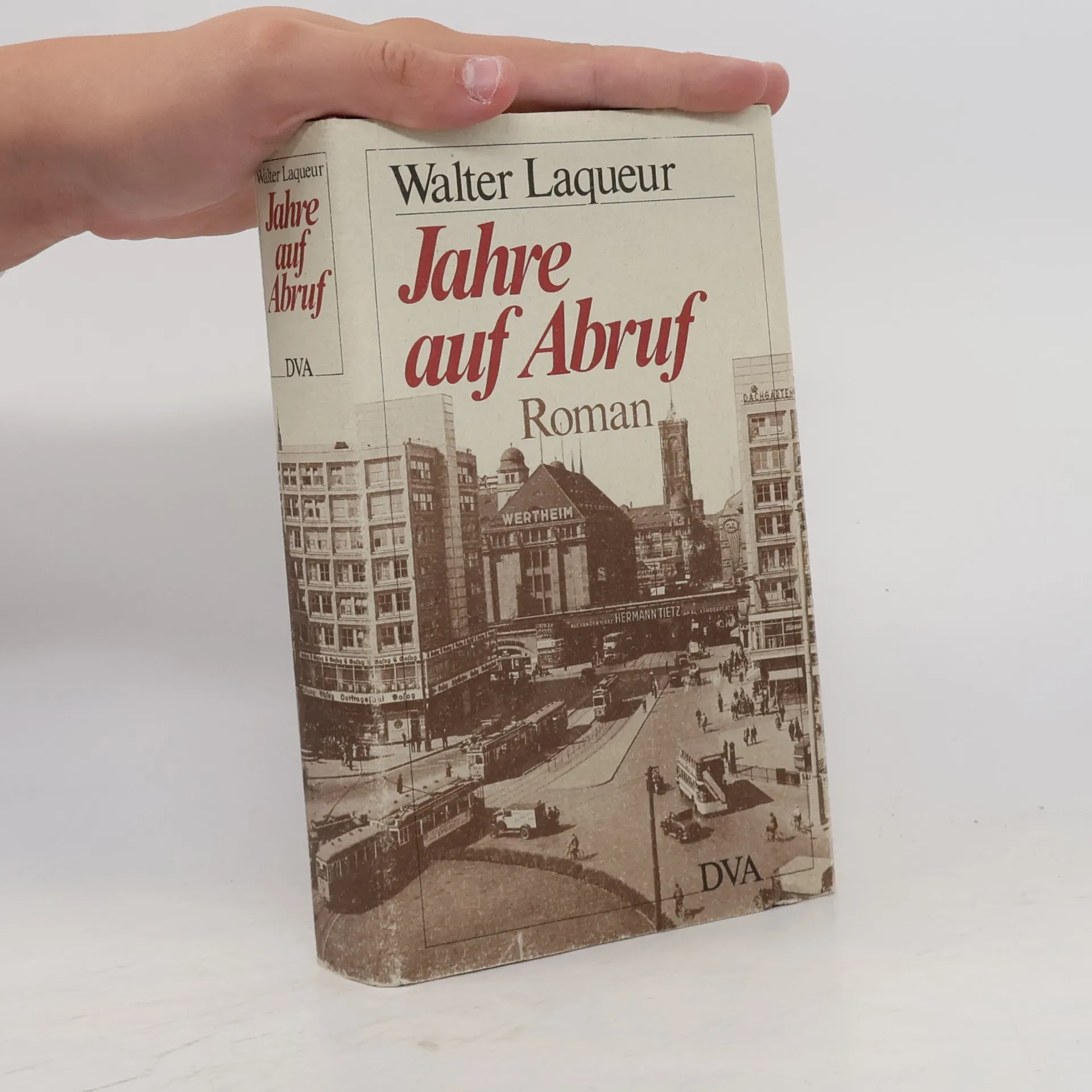
Jahre auf Abruf
- 365 Seiten
- 13 Lesestunden
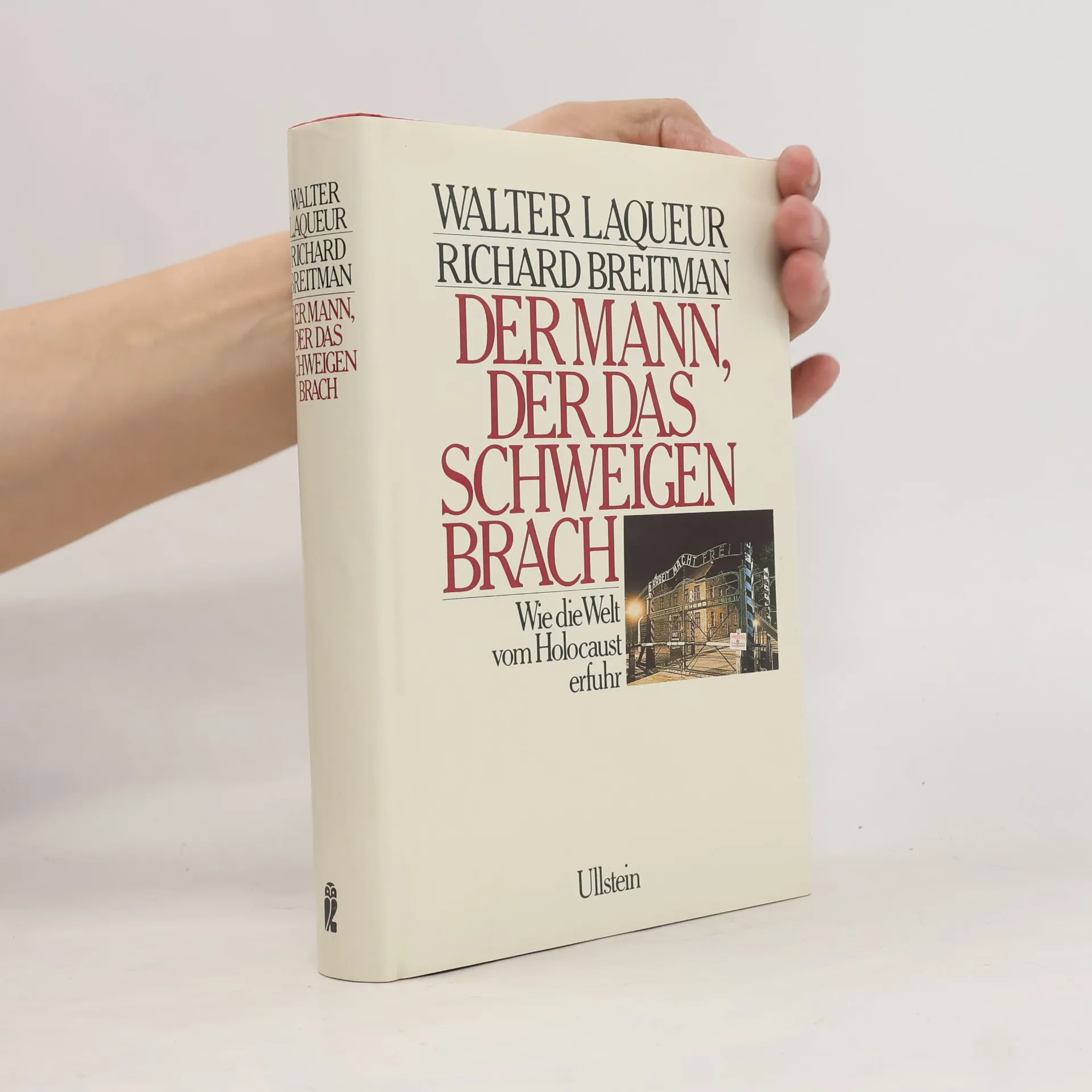
Was niemand wissen wollte. Die Unterdrückung der Nachrichten über Hitlers Endlösung
Book by Kupperman, R.H., Trent, Darrell M.
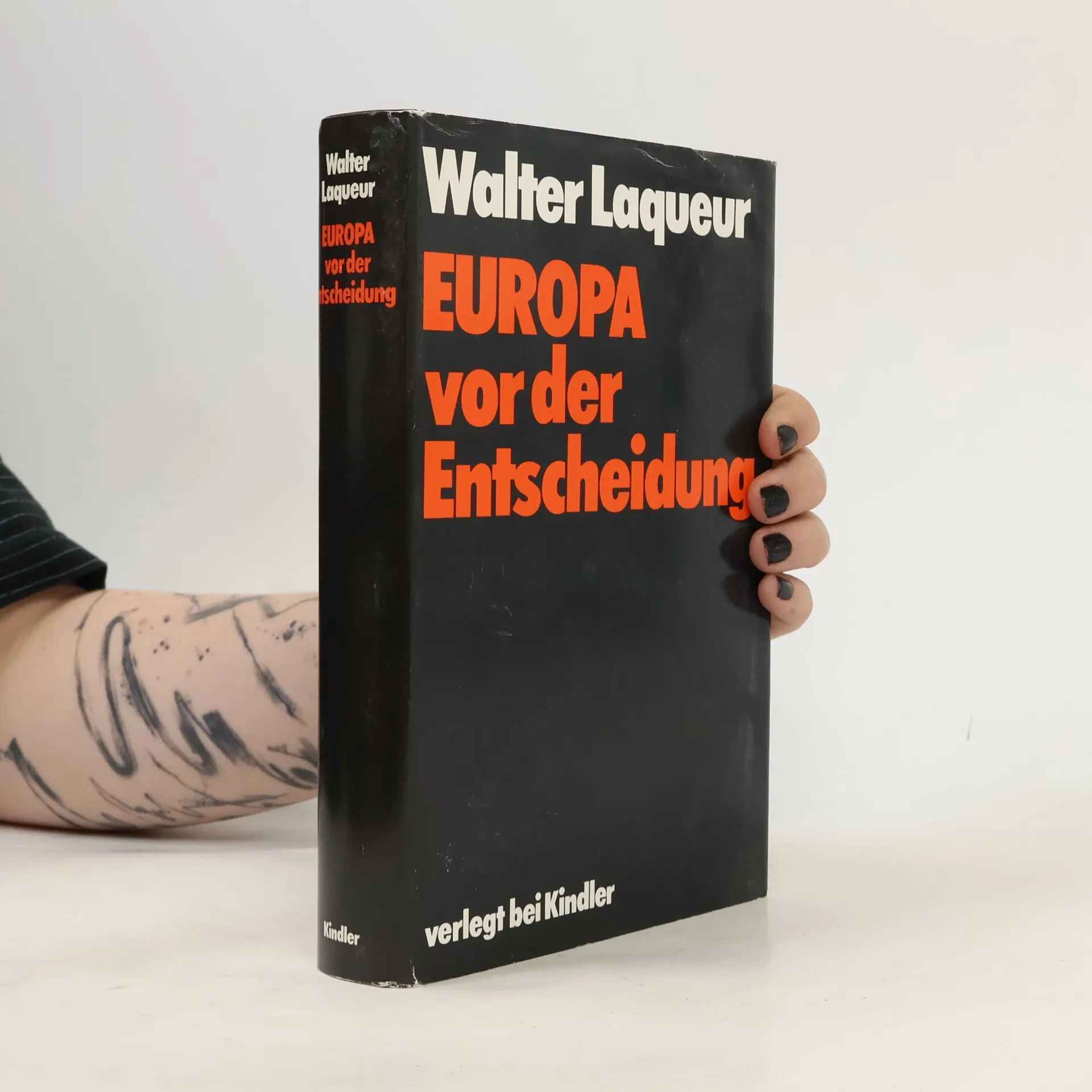
Europa vor der Entscheidung
- 378 Seiten
- 14 Lesestunden
Zeugnisse politischer Gewalt, Dokumente zur Geschichte des Terrorismus
- 251 Seiten
- 9 Lesestunden
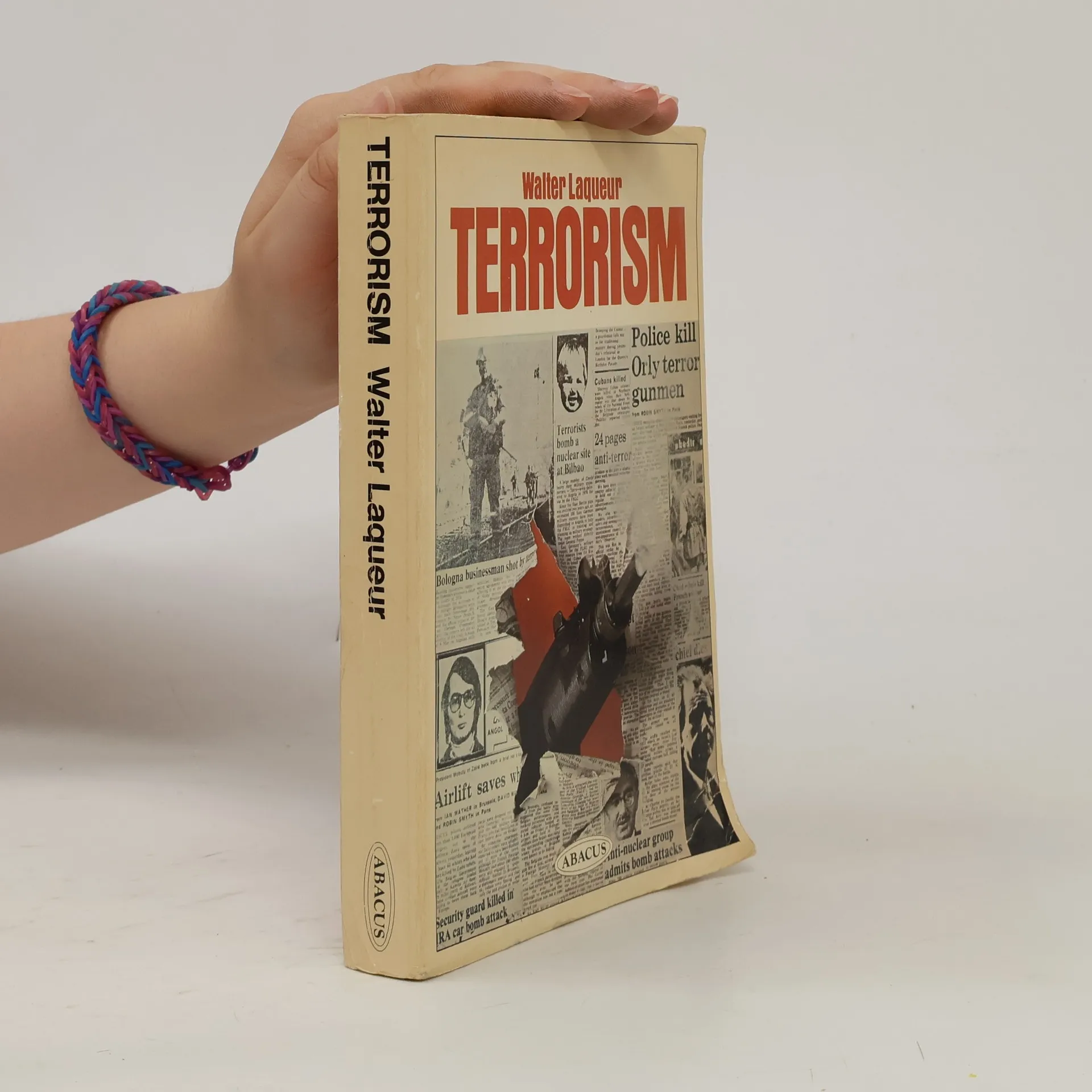
Terrorismus
- 243 Seiten
- 9 Lesestunden
1977 243 S. Hardcover Kronberg/Ts., Athenäum,
Weimar
- 391 Seiten
- 14 Lesestunden
Diskutiert den europäischen Hintergrund, die Vorgeschichte der Bewegung, fünf Jahrzehnte zionistischer Aktivitäten und endet mit der Gründung des Staates Israel.
The Israel-Arab Reader
A Documentary History of the Middle East Conflict
A historical overview of the continuing crisis in the Middle East traces the course of the Israel-Arab conflict from its earliest origins, through the various wars, skirmishes, and peace efforts, to the Israel-PLO and Israel-Jordan peace accords, in a collection of articles, speeches, letters, and reports dealing with all aspects of the subject. Original.
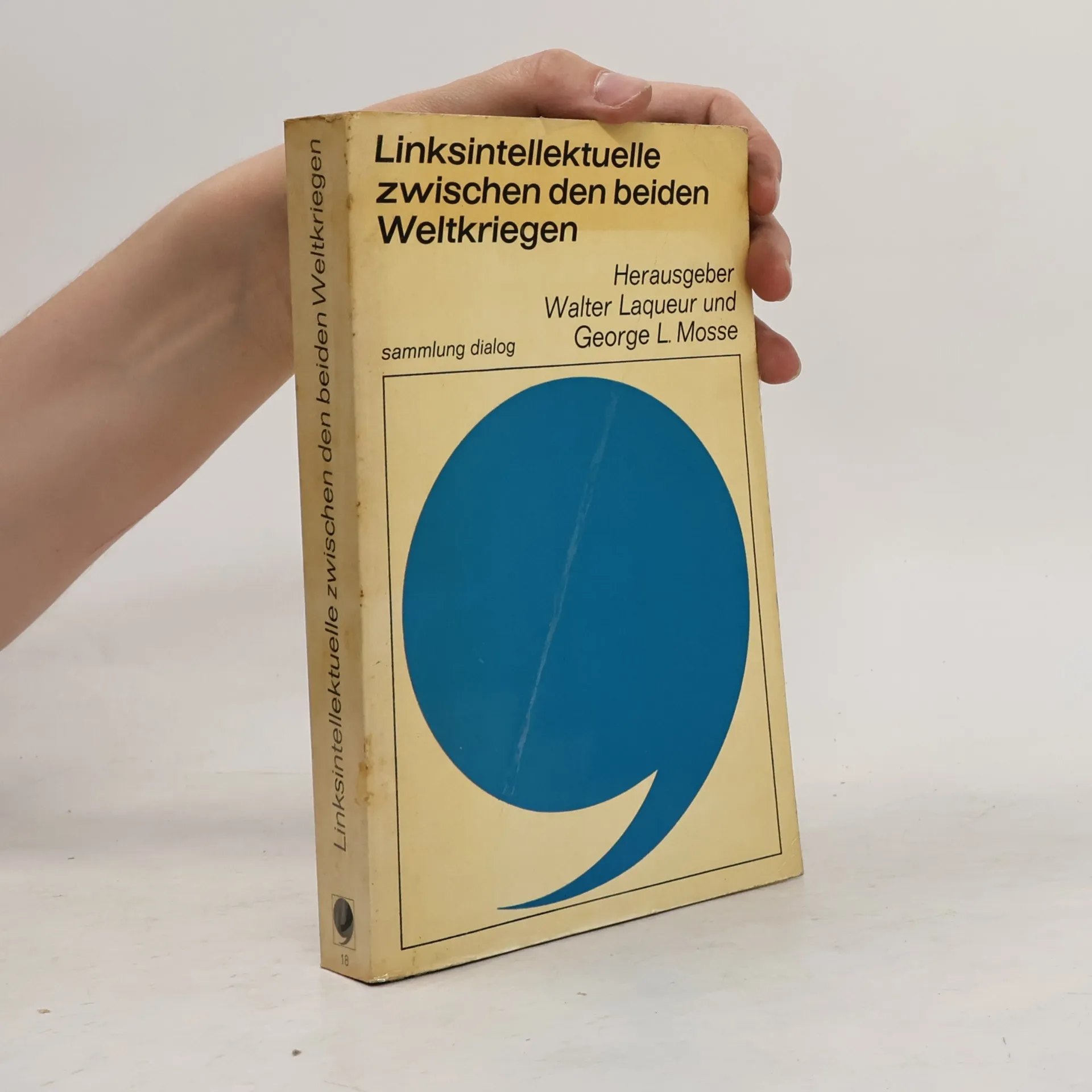
Linksintellektuelle zwischen den beiden Weltkriegen
Sammlung Dialog
Die deutsche Jugendbewegung
- 292 Seiten
- 11 Lesestunden
Histoire de la jeunesse allemande depuis 1896 jusqu'à nos jours.