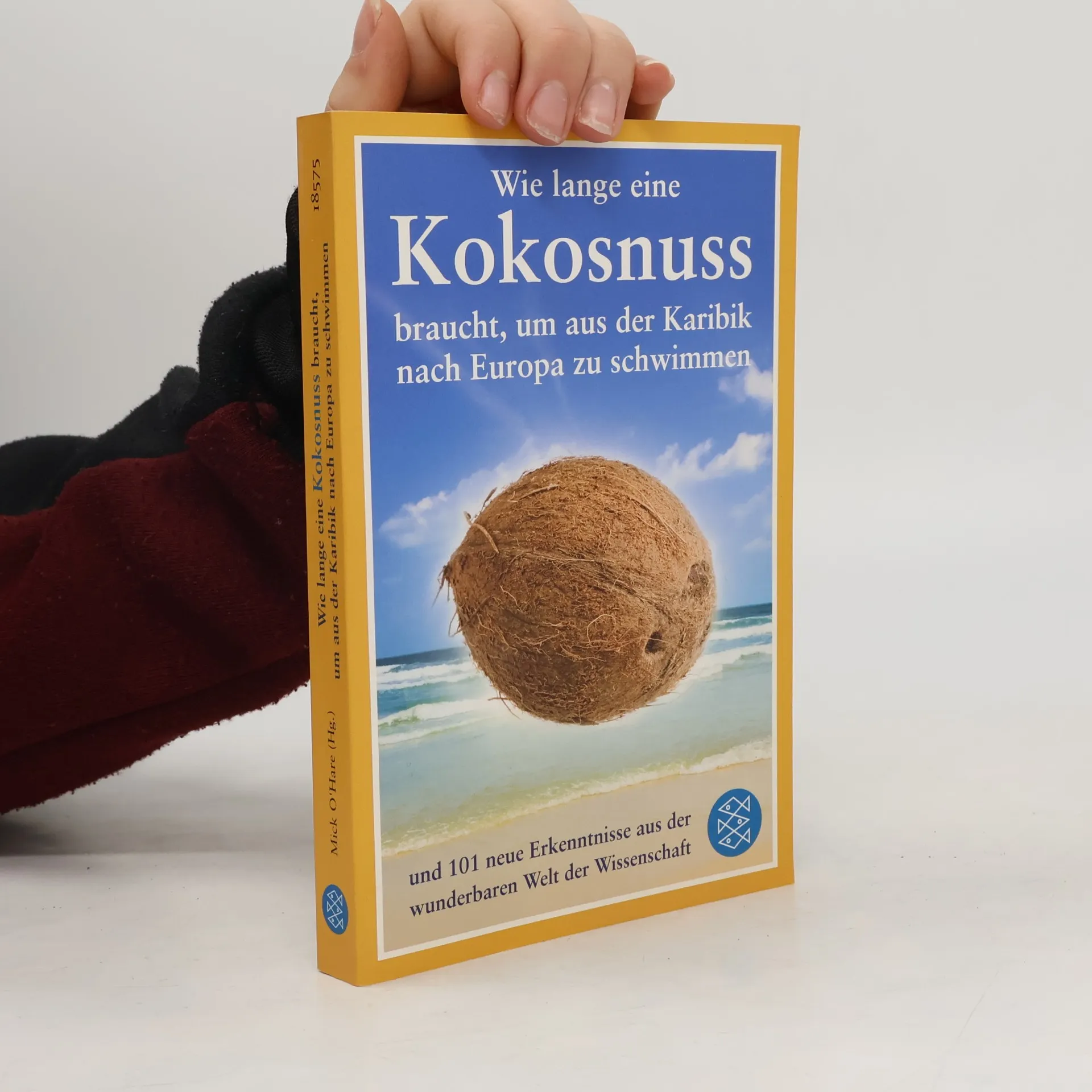
Haben Spinnen Durst? Wie lang braucht eine Kuh, um den Grand Canyon mit Milch zu füllen? Wie kommen die Streifen in die Zahnpasta? Warum sind manche Menschen Links- und andere Rechtshänder? Eine neue Sammlung ungewöhnlicher Fragen und verblüffender Antworten der Leser vom New Scientist Magazine, die uns ungeahnte Einsichten in unseren Alltag und in die Wissenschaft bietet. Denn die scheinbar simplen Fragen haben oft die überraschendsten Antworten, während die scheinbar verzwicktesten durch ihre einfachen Erklärungen erstaunen. Eine bezaubernde Mischung aus brillanter Wissenschaft und britischem Humor.
Mick O. Hare Bücher

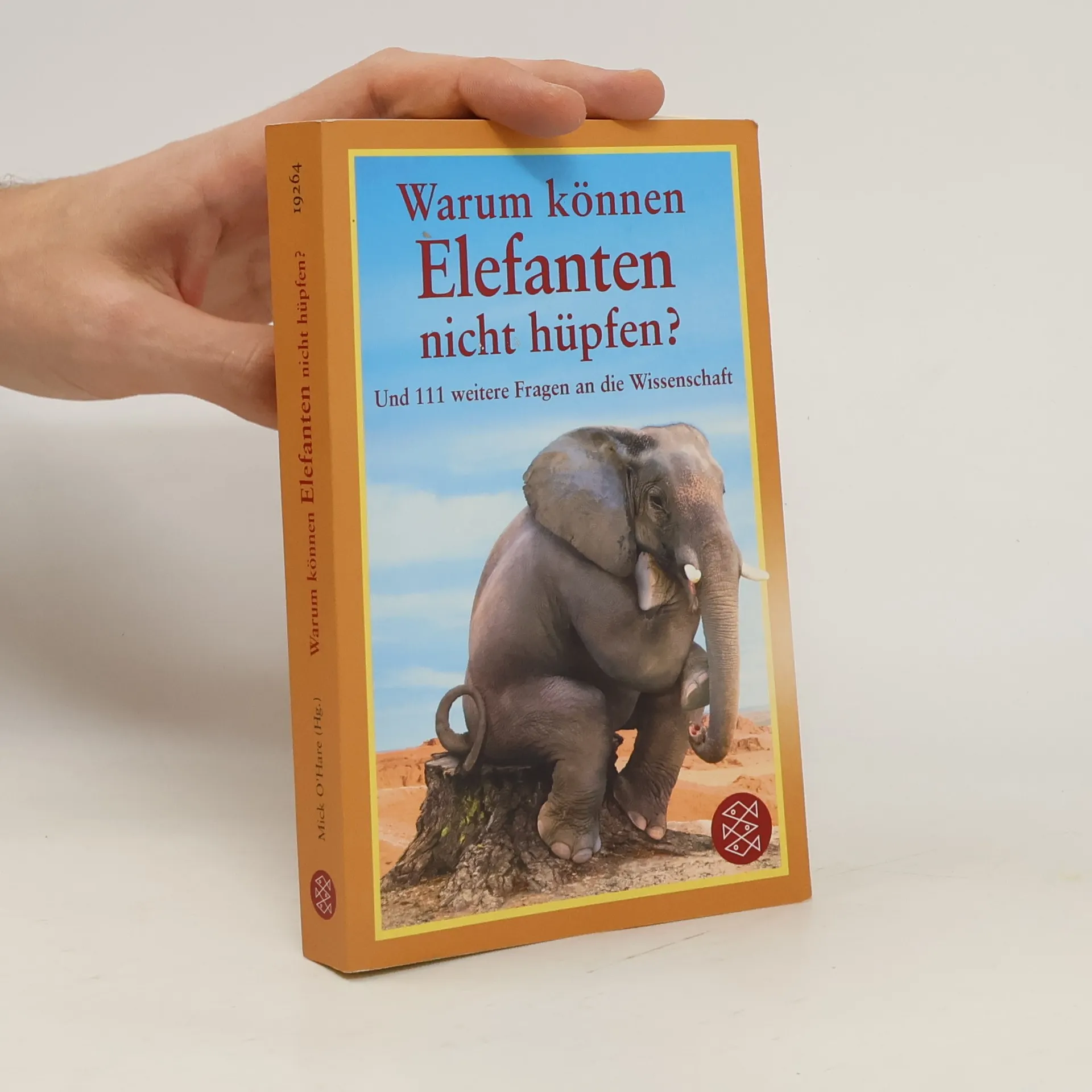
Warum können Elephanten nicht hüpfen? Weil sie zu groß und zu schwer sind? Oder liegt der Grund in der anatomischen Beschaffenheit ihrer Kniee? Oder warten sie mit ihrer Hüpferei immer nur solange bis keiner mehr guckt? Lesen Sie diese brillante neue Zusammenstellung ebenso faszinierender wie amüsanter Populärwissenschaft und finden Sie es selbst heraus!
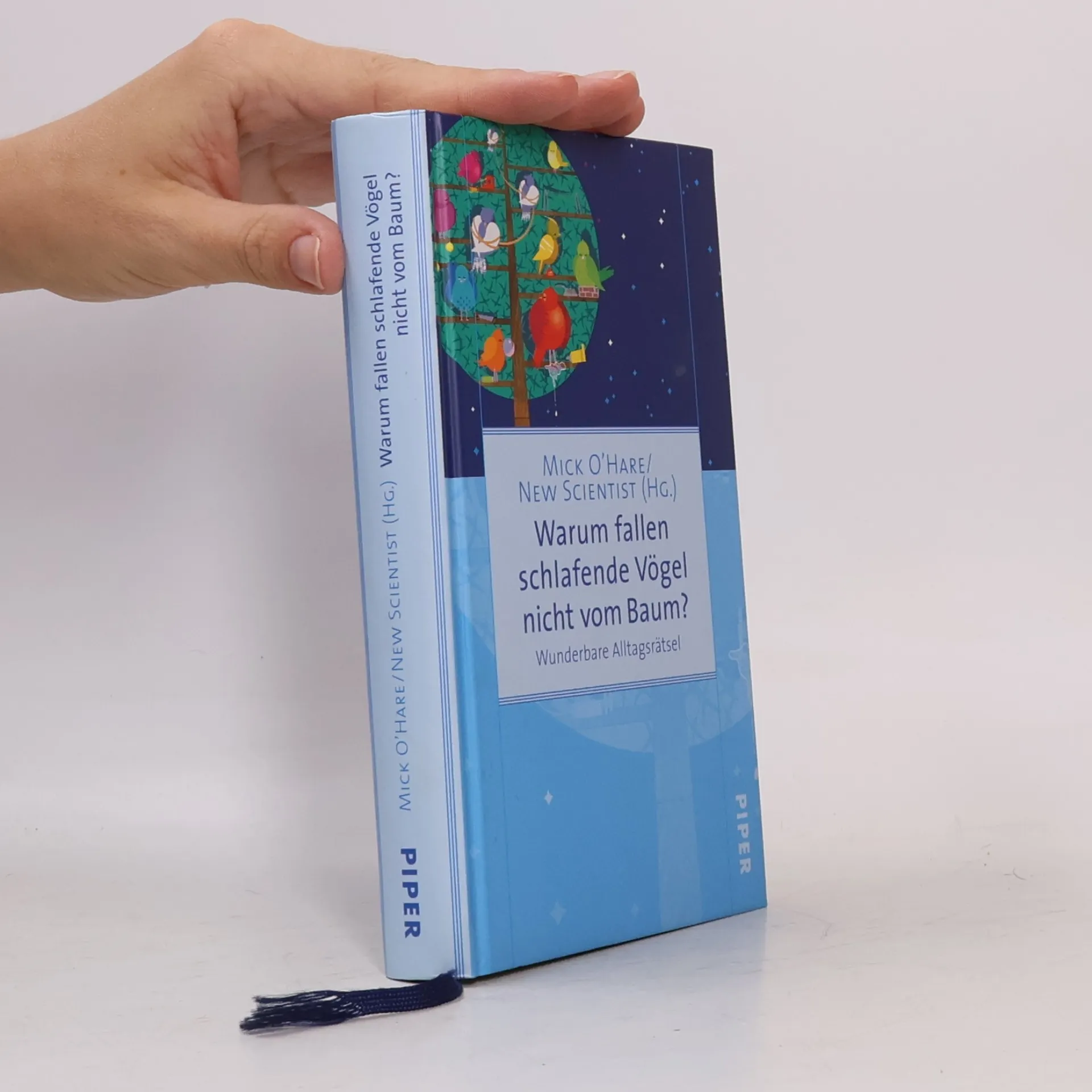
Haben Sie etwa schon einmal einen schlafenden Vogel vom Baum fallen sehen? Und was macht eine Mücke bei einem wirklich schweren Wolkenbruch? Warum ist der Himmel blau? Und wieso sind Eier eiförmig? Für Neugierige und Interessierte hat die berühmte englische Zeitschrift 'New Scientist' eine Kolumne eingerichtet. Dort antworten Leser auf Leserfragen aus aller Welt. Die schönsten, skurrilsten und hintergründigsten Fragen und Antworten sind hier versammelt. Staunen und lernen Sie! 'Warum fallen schlafende Bäume nicht vom Baum?' und 'Was macht die Mücke bei Wolkenbruch?' in einem Band
Die Redaktion des bekannten englischen naturwissenschaftlichen Wochenmagazins 'New Scientist' erhielt immer wieder Fragen von Lesern, deren Antworten sie selbst überforderte. So wurde beschlossen, diese Fragen zu veröffentlichen und die anderen Leser um Hilfe bei der Antwort zu bitten. Dass diese Seite inzwischen zu der beliebtesten der Zeitschrift gehört, verwundert nicht, wenn man die hier zusammengestellte Auswahl durchliest. Es sind nur teils witzige und skurrile Fragen, viele Fragen sind ganz 'normal', mancher hat sie sich vielleicht sogar schon selbst gestellt. Sie sind hier sachlich in 9 Kapitel eingeteilt und umfassen Biologie, Physik, Technik, Haushalt, den menschlichen Körper u.a. Zwei Beispiele für Fragen: Wann verbraucht ein Auto am wenigsten Sprit? Warum frieren Pinguine nicht an den Füßen? Ein empfehlenswertes, ebenso unterhaltsames wie witziges Werk. (2 S).
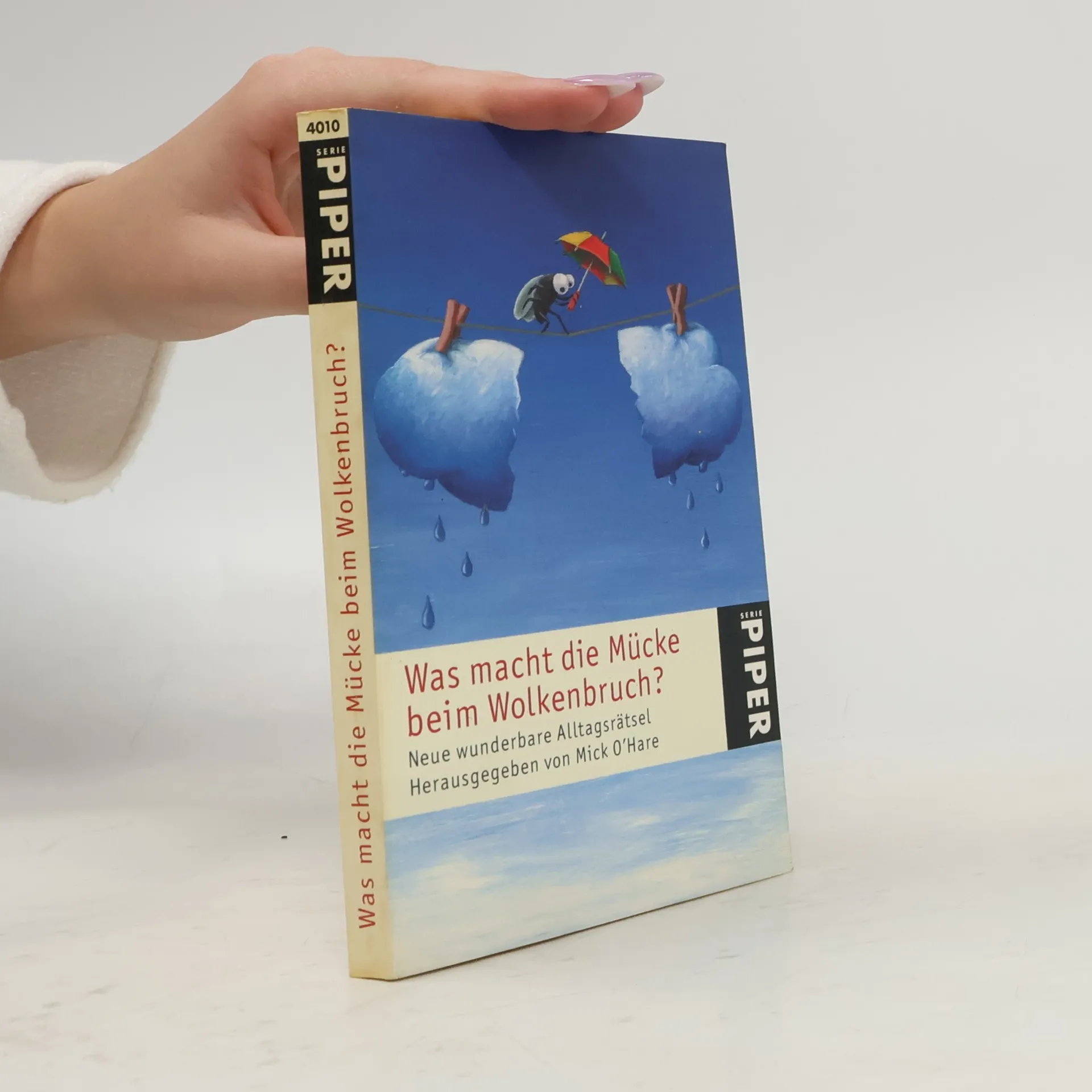
Was macht eine Mücke bei einem wirklich schweren Wolkenbruch? Warum krähen Hähne fast immer am Morgen? Und wieso sind Eier eiförmig? Unsere Welt ist voller kleiner Rätsel, über die die Menschen staunen. Für alle, die solche Fragen bewegen, hat die berühmte englische Zeitschrift "The Scientist" eine Seite eingerichtet. Dort antworten Leser auf Leserfragen aus aller Welt. Der Herausgeber hat die skurrilsten und hintergründigsten Fragen und Antworten herausgesucht. Es gibt jede Menge zu staunen und zu lernen!
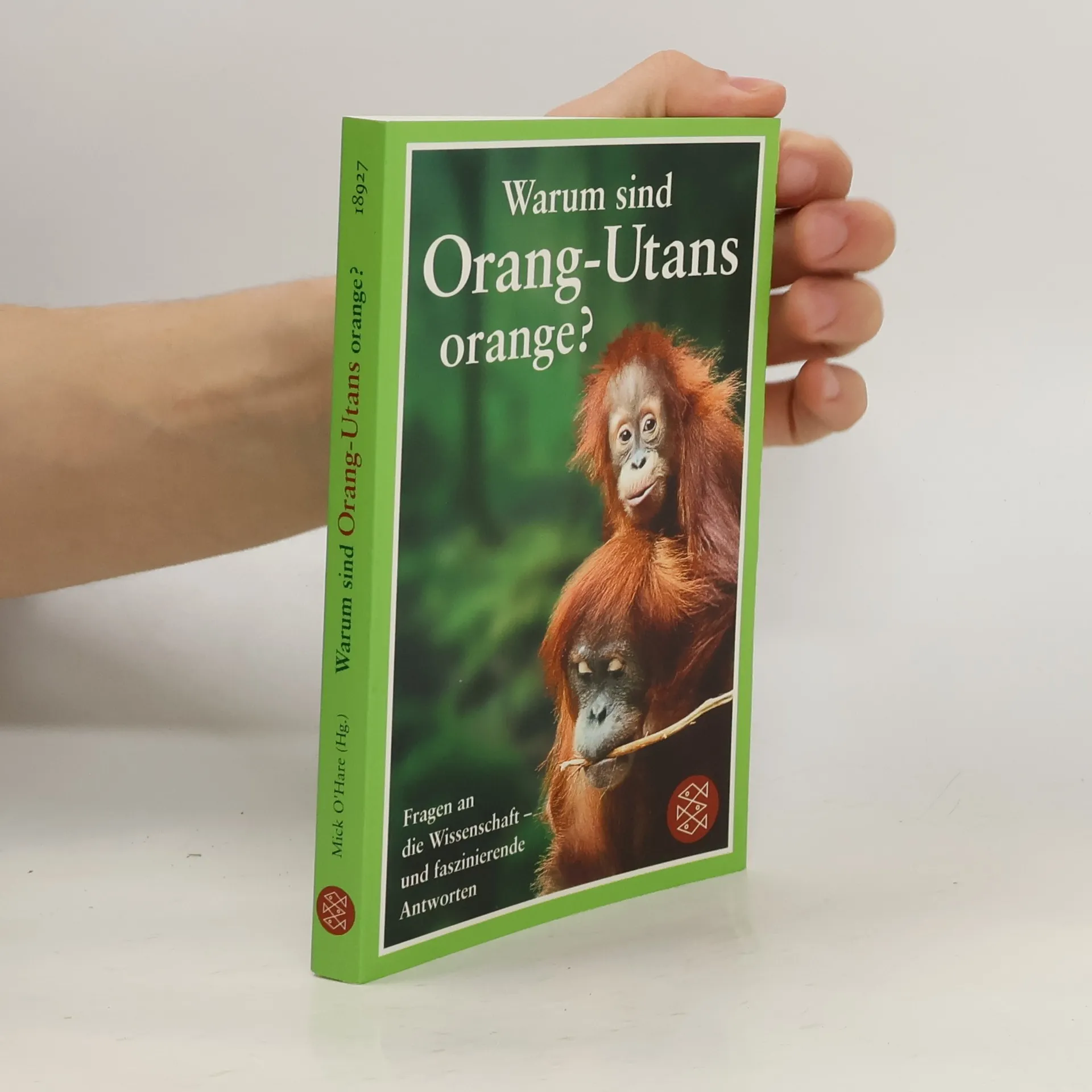
Warum sind Orang-Utans orange?
Fragen an die Wissenschaft - und faszinierende Antworten
Warum haben Tölpel blaue Füße? Warum haben Tiger Streifen und keine Punkte? Wie kommt der Berg zu einem Hut aus Wolken? Neue, spannende, pfiffige Fragen aus der beliebten Kolumne des New Scientist Magazine - erstmals farbig illustriert! Die zahlreichen Fotos zeigen die Schönheit, die Komplexität und die Mysterien der Welt um uns herum: Von blaufüßigen Vögeln, Hologrammen im Eis über bizarre Wolkenformationen bis hin zu merkwürdig deformierten Lebensmitteln. Die Wunder der Natur werden unterhaltsam und wissenschaftlich fundiert enträtselt.
Mick O'Hare, 1964 in Mirsfield/England geboren, ist Redakteur bei der Zeitschrift 'New Scientist' – der führenden englischen Wochenzeitschrift für Wissenschaft und Technik. Im Fischer Taschenbuch Verlag ist von ihm bereits erschienen 'Wie dick muss ich werden, um kugelsicher zu sein?', 'Wie man mit einem Schokoriegel die Lichtgeschwindigkeit misst', 'Wie man einen Wirbelsturm auslöst' und 'Können Elefanten hüpfen?'.
Witzig, absurd und ungewöhnlich: ein Kompedium wissenschaftlicher Kuriositäten, das uns die Welt aus neuer Perspektive zeigt.
Wer um Himmels willen würde: - seinen Bart mit einem Laser abfackeln? - einen feuerfesten Regenschirm herstellen, der zudem als Fallschirm zu benutzen ist? - ›glow- in-the-dark‹-Zahnpasta benutzen, um das Scheinwerferlicht entgegekommender Autos zu reflektieren? - Polizeispürhunde durch Wüstenmäuse ersetzen? Das alles kann passieren, wenn Wissenschaftler Dienstschluss haben... Aus den Archiven des »New Scientist Magazine«: Eine wunderbar witzige Sammlung kurioser Erfindungen und Experimente, die als - ausgefallene und manchmal brilliante - Nebenprodukte der Wissenschaft entstanden sind. Ein Vergnügen für Freunde des trockenen Humors und alle, die sich für die teils verrückten Ausschweifungen wissenschaftlicher Kreativität begeistern können.
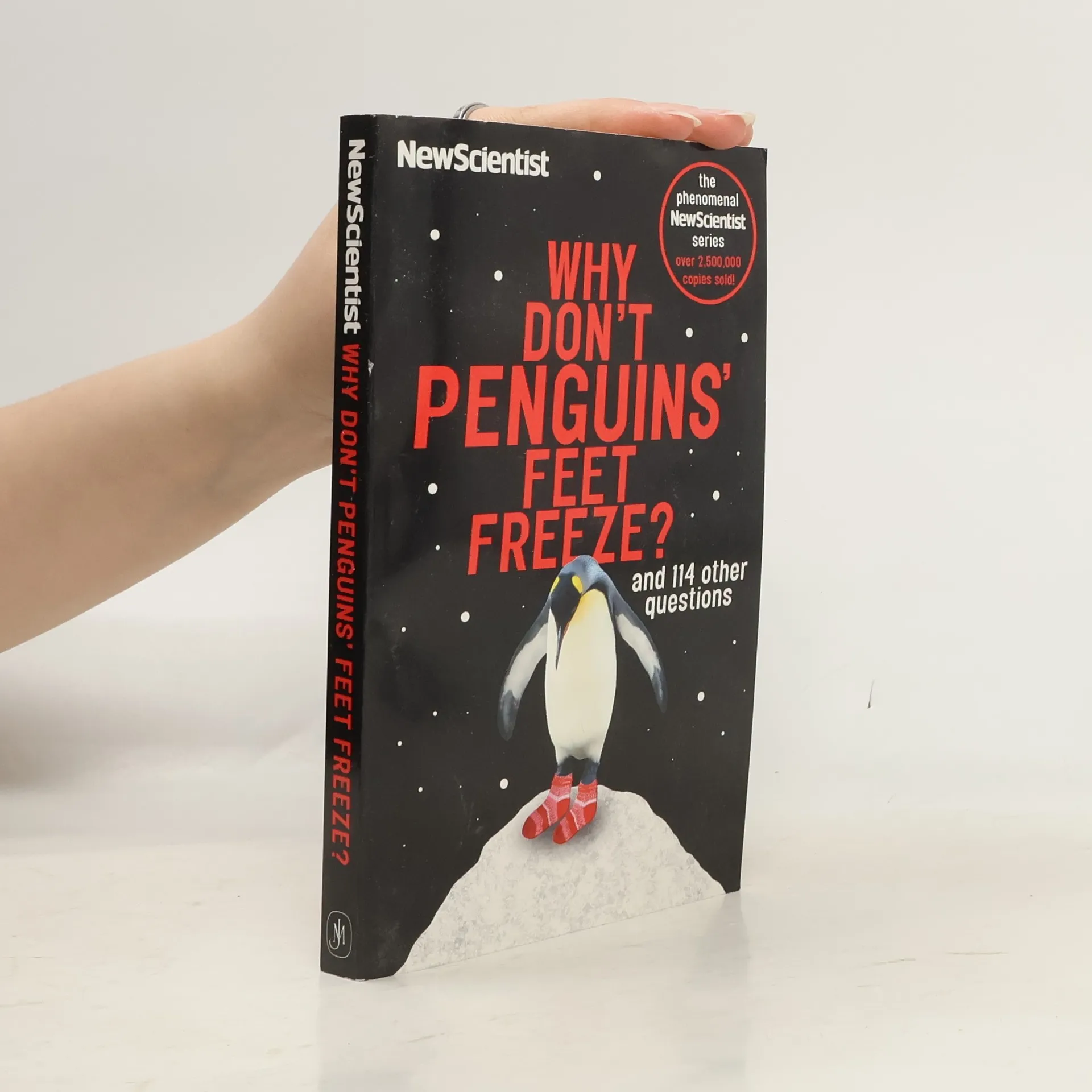
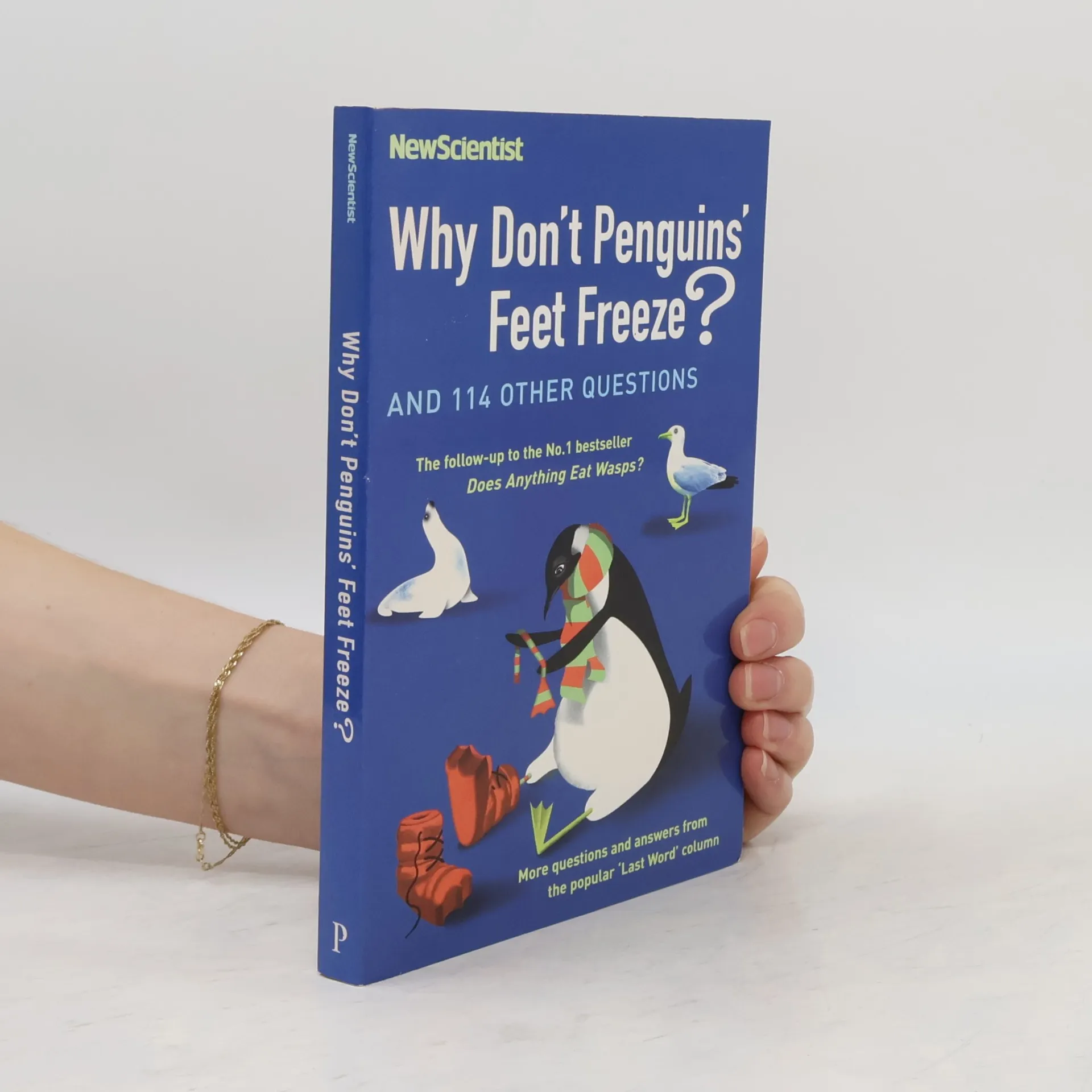
NewScientist: Why Don't Penguins' Feet Freeze?
And 114 Other Questions
• What time is it at the North Pole? • What's the chemical formula for a human being? • Why do boomerangs come back? • Why do flying fish fly? • Do the living really outnumber the dead? • Why does lightning fork? • Why does the end of a whip crack? Everyone has at one time or another thought up odd questions like these, questions that are strange, intriguing, maybe even impossible to answer. Making your morning omelet, perhaps you've wondered why most eggs are egg shaped. Or maybe, the last time you walked on the beach, you felt compelled to ask why the sea is salty. Watching Polly sit on her perch, have you ever marveled at how she stays there even when she's asleep? Well, the readers of New Scientist's wildly popular, long-running column "The Last Word" thought of these questions, too, and weren't afraid to ask them. Why Don't Penguins' Feet Freeze? is a brilliant collection of questions and answers for everyone who enjoyed the international, runaway bestseller Does Anything Eat Wasps? Guaranteed to amaze, inform, and delight with topics such as the human body, plants and animals, weird weather, and our wacky world, it'll stump you, enlighten you, entertain and amuse you.
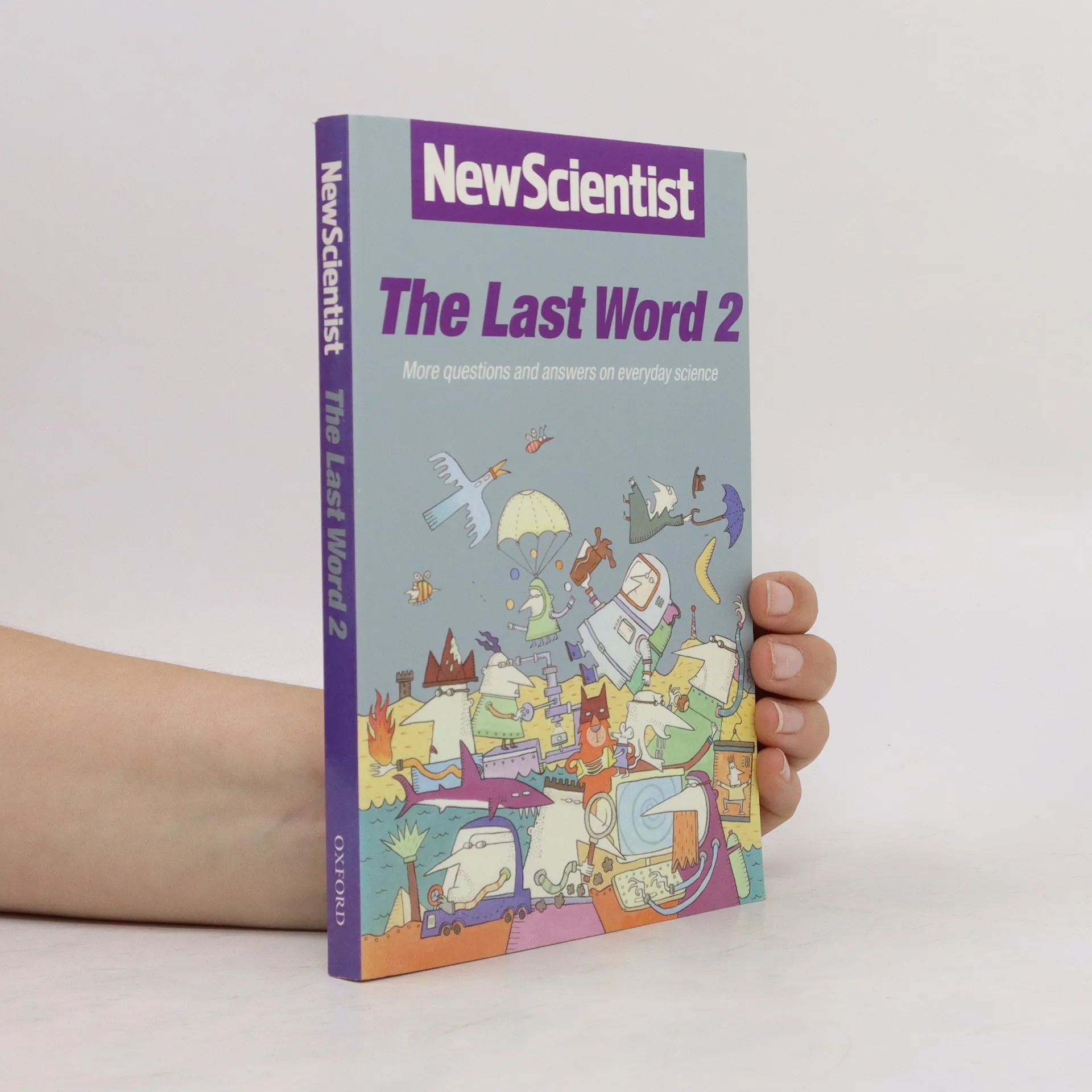
The Last Word 2
- 224 Seiten
- 8 Lesestunden
Why do boomerangs come back? Would parachutists be able to play a game of catch while falling? Why does grilled cheese go stringy? What would happen to a pint of beer in space? Why doesn't cling film cling to metal properly? Why does the wind blow in gusts? A follow-up to the highly successful The Last Word, this new paperback brings you more questions and answers from The New Scientist's popular column. Readers of the leading science weekly are invited to write in with enquiries about everyday scientific phenomena and other readers respond. Thisnew selection of the most interesting examples covers an enormous range of subjects from everyday household products, to plants, animals, the human body, gadgets, and our environment. This is a fun, fascinating, and enlightening read for anyone who asks themselves these questions.
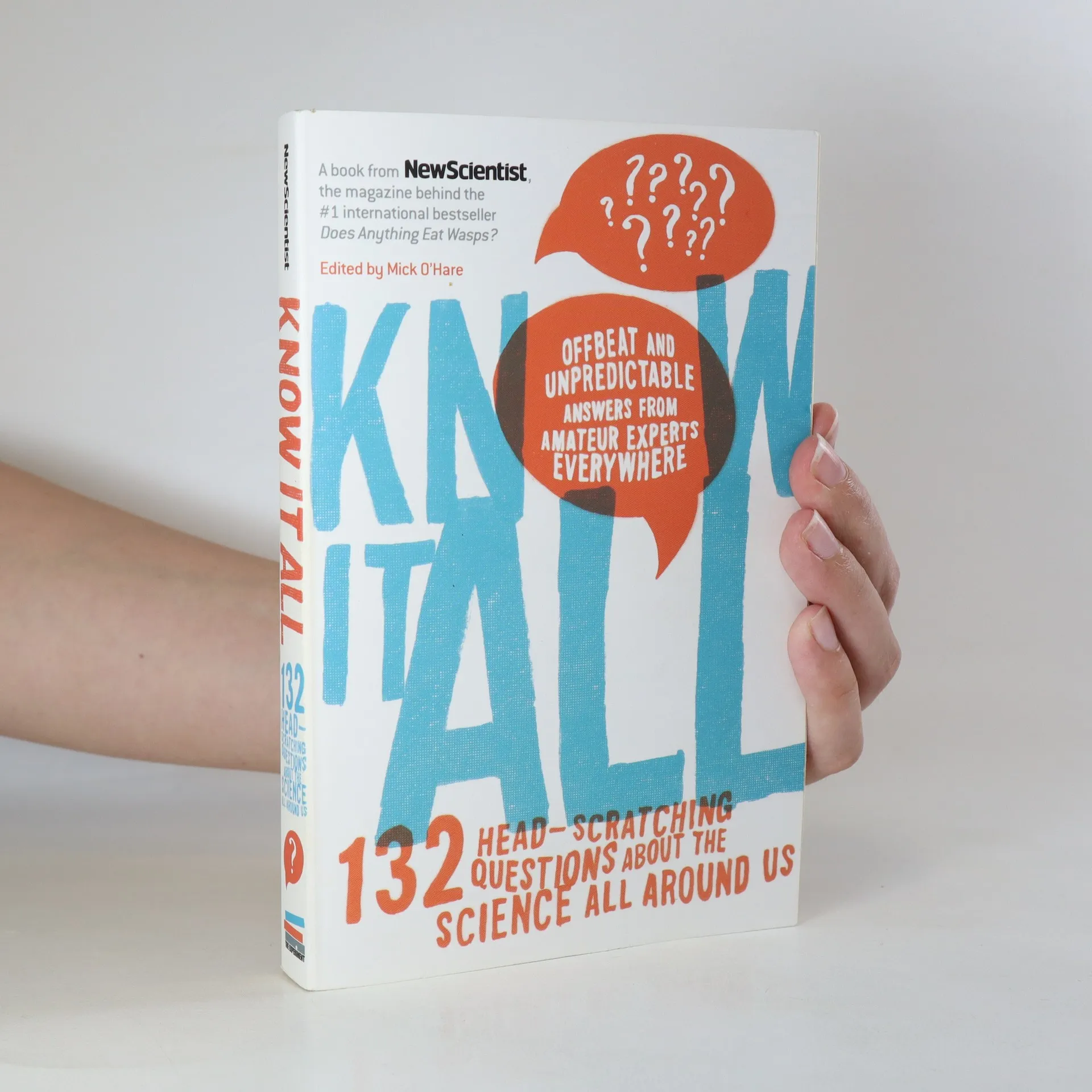
Know it all. 132 Head-Scratching Questions About the Science All Around Us
- 281 Seiten
- 10 Lesestunden
A joy for science lovers, Know It All is your ticket to a grand meeting of curious minds! New Scientist magazine’s beloved “Last Word” column is a rare forum for “un-Google-able” queries: Readers write in, and readers respond! Know It All collects 132 of the column’s very best Q&As. The often-wacky questions cover physics, chemistry, zoology and beyond: When will Mount Everest cease to be the tallest mountain on the planet?If a thermometer was in space, what would it read?Why do some oranges have seeds, and some not?Many people suffer some kind of back pain. Is it because humans haven’t yet perfected the art of walking upright? And the unpredictable answers showcase the brainpower of New Scientist’s readers, like the anatomist who chimes in about back pain (“Evolution is not in the business of perfecting anything.”) and the vet who responds, “Quadrupeds can get backache too!”
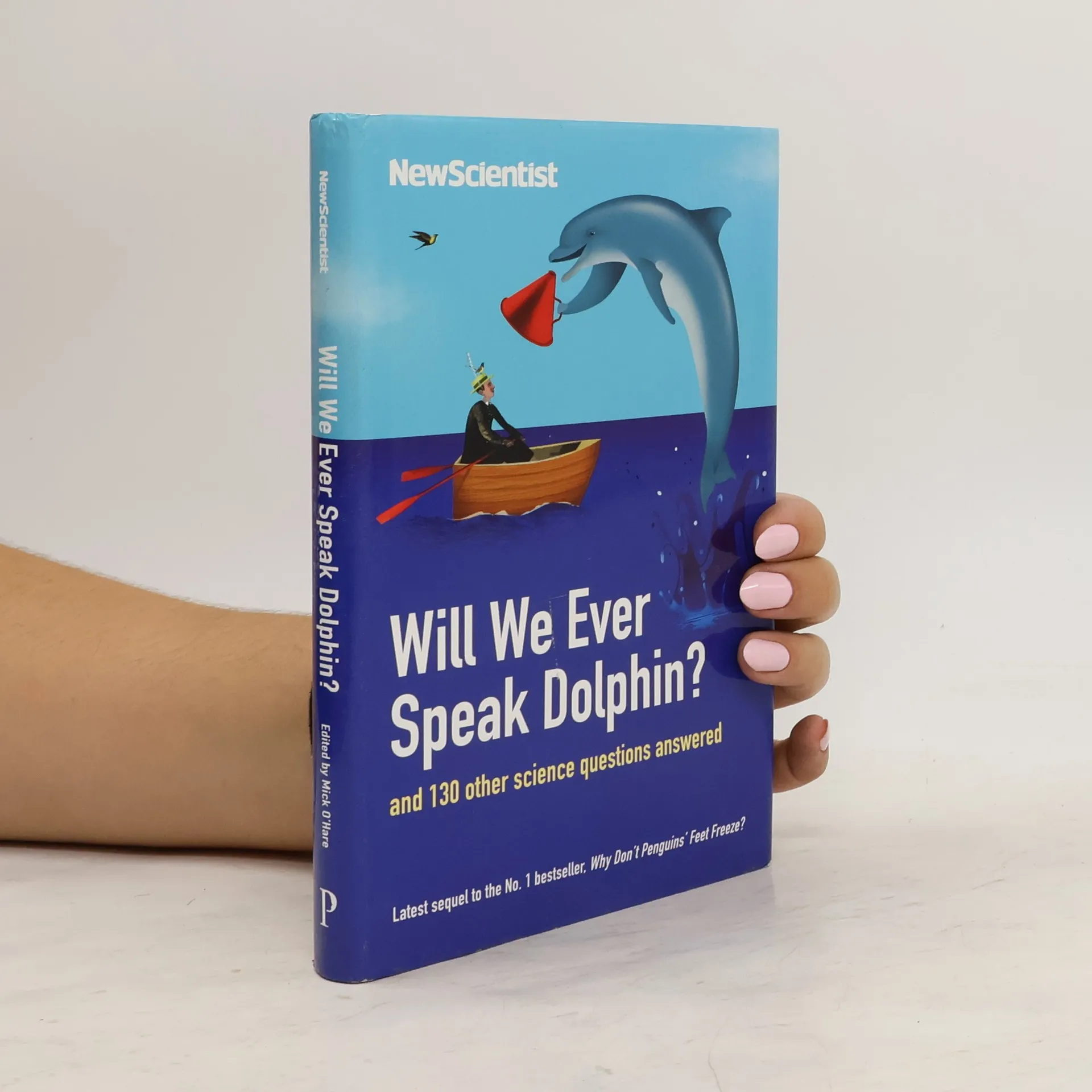
Will We Ever Speak Dolphin?
And 130 More Science Questions Answers: More Questions and Answers from the Popular 'Last Word' Column
- 225 Seiten
- 8 Lesestunden
The latest title in the bestselling 'Last Word' series from New Scientist magazine.
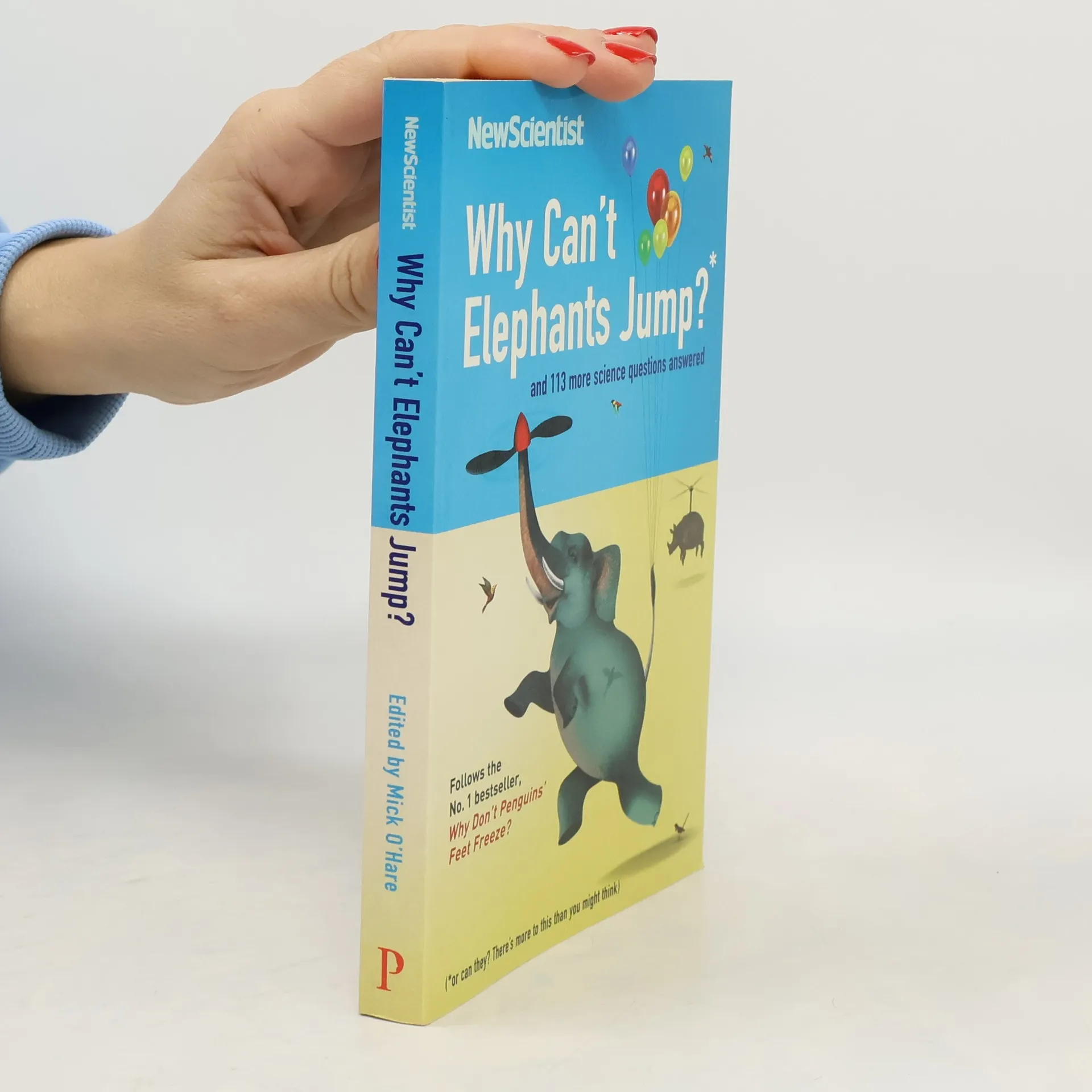
Why Can't Elephants Jump?
- 233 Seiten
- 9 Lesestunden
Well, why not? Is it because elephants are too large or heavy (after all, they say hippos and rhinos can play hopscotch)? Or is it because their knees face the wrong way? Or do they just wait until no one's looking? Read this brilliant new compilation to find out. This is popular science at its most absorbing and enjoyable. That is why the previous titles in the New Scientist series have been international bestsellers and sold over two million copies between them. Like Does Anything Eat Wasps? (2005), Why Don't Penguins' Feet Freeze? (2006) and Do Polar Bears Get Lonely? (2008), this is another wonderful collection of wise, witty and often surprising answers to a staggering range of science questions, from 'why is frozen milk yellow?' to 'what's the storage capacity of the human brain in gigabytes?'.
Why don't penguins' feet freeze?
- 240 Seiten
- 9 Lesestunden
Why Don't Penguins' Feet Freeze? is the latest compilation of readers' answers to the questions in the 'Last Word' column of New Scientist, the world's best-selling science weekly. Following the phenomenal success of Does Anything Eat Wasps? - the Christmas 2005 surprise bestseller - this new collection includes recent answers never before published in book form, and also old favourites from the column's early days.Yet again, many seemingly simple questions turn out to have complex answers. And some that seem difficult have a very simple explanation. New Scientist's 'Last Word' is regularly voted the magazine's most popular section as it celebrates all questions - the trivial, idiosyncratic, baffling and strange. This new selection of the best is popular science at its most entertaining and enlightening.
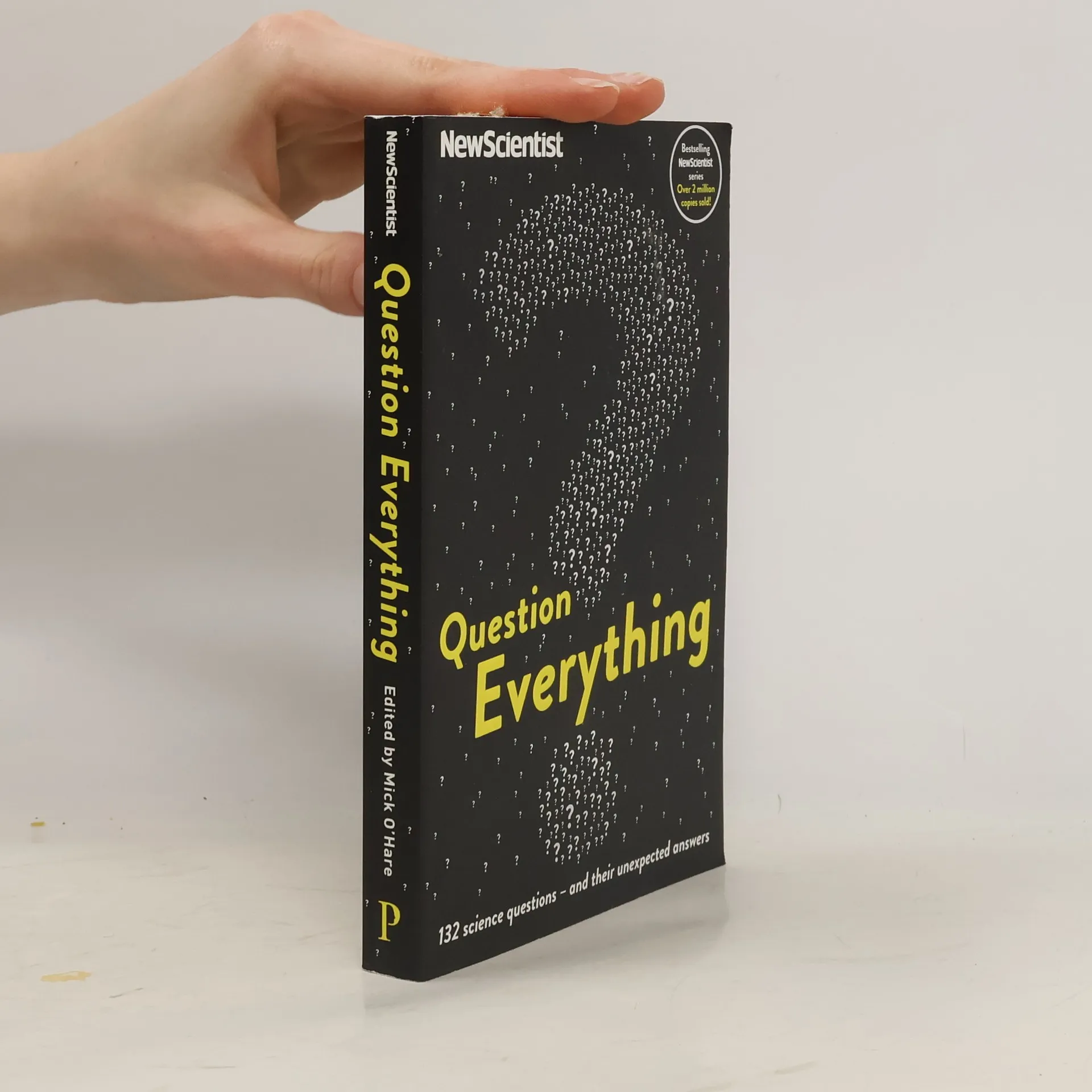
New Scientist: Question Everything
- 256 Seiten
- 9 Lesestunden
The latest in the bestselling New Scientist Last Word seriesAll science begins with questions...- Why is the night sky black, even though it's full of stars? - How do pebbles skim on water? - Why doesn't your own snoring wake you up? - And why is the Large Hadron Collider so ... er ... large? And as these intriguing, imaginative and occasionally bonkers questions and answers drawn from New Scientist magazine's archives show: question everything and you might find your way to amazing, unexpected insights into our minds, bodies and the universe, and the science behind the scenes that keeps them ticking. As you would expect from New Scientist, this is top-flight science at its most accessible, unpredictable and entertaining. This latest mind-bending addition to the No. 1 bestselling series will fascinate 'Last Word' fans and new readers alike.The New Scientist books from Profile have become sure-fire Christmas bestsellers, now selling over two million copies through bookshops. Last year's Nothing was in the bestseller lists for six weeks. This new book is sure to be at least as successful.
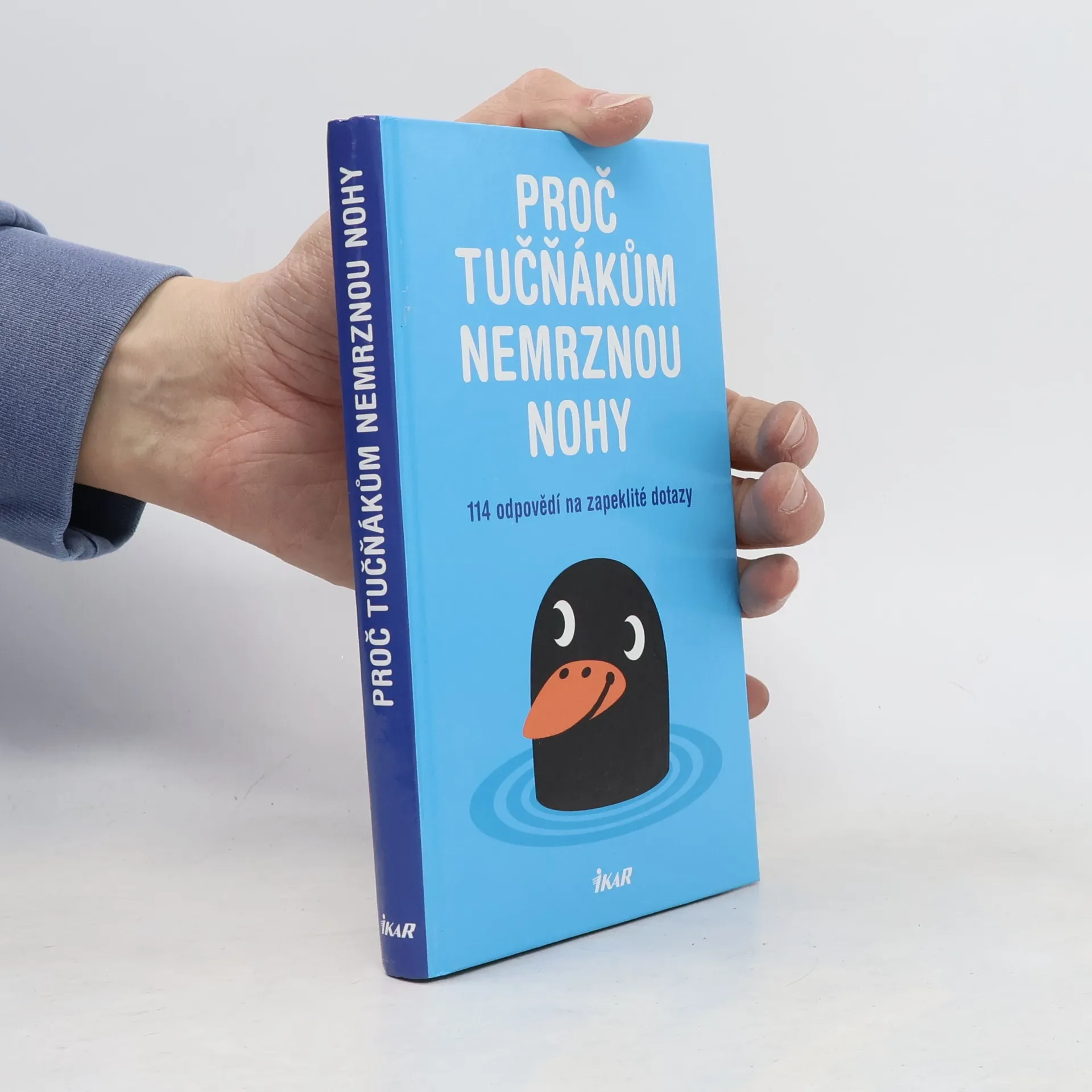
Chcete znát odpověď i na ty nejzáludnější otázky? Souvisí barva alkoholu s kocovinou? Je useknutá hlava při vědomí? K čemu je obočí? Je tuk neprůstřelný? Co by se změnilo, kdyby nebyl Měsíc? Je možné přežít jen na pivu? Zábavná publikace sestavená z otázek a odpovědí čtenářů renomovaného časopisu New Scientist. Vtipný a poučný text vysvětluje nejrůznější hádanky a přináší mnoho zajímavého o věcech, o nichž se jinde nedočtete.
Proč tučňákům nemrznou nohy. 114 odpovědí na zapeklité dotazy
- 248 Seiten
- 9 Lesestunden