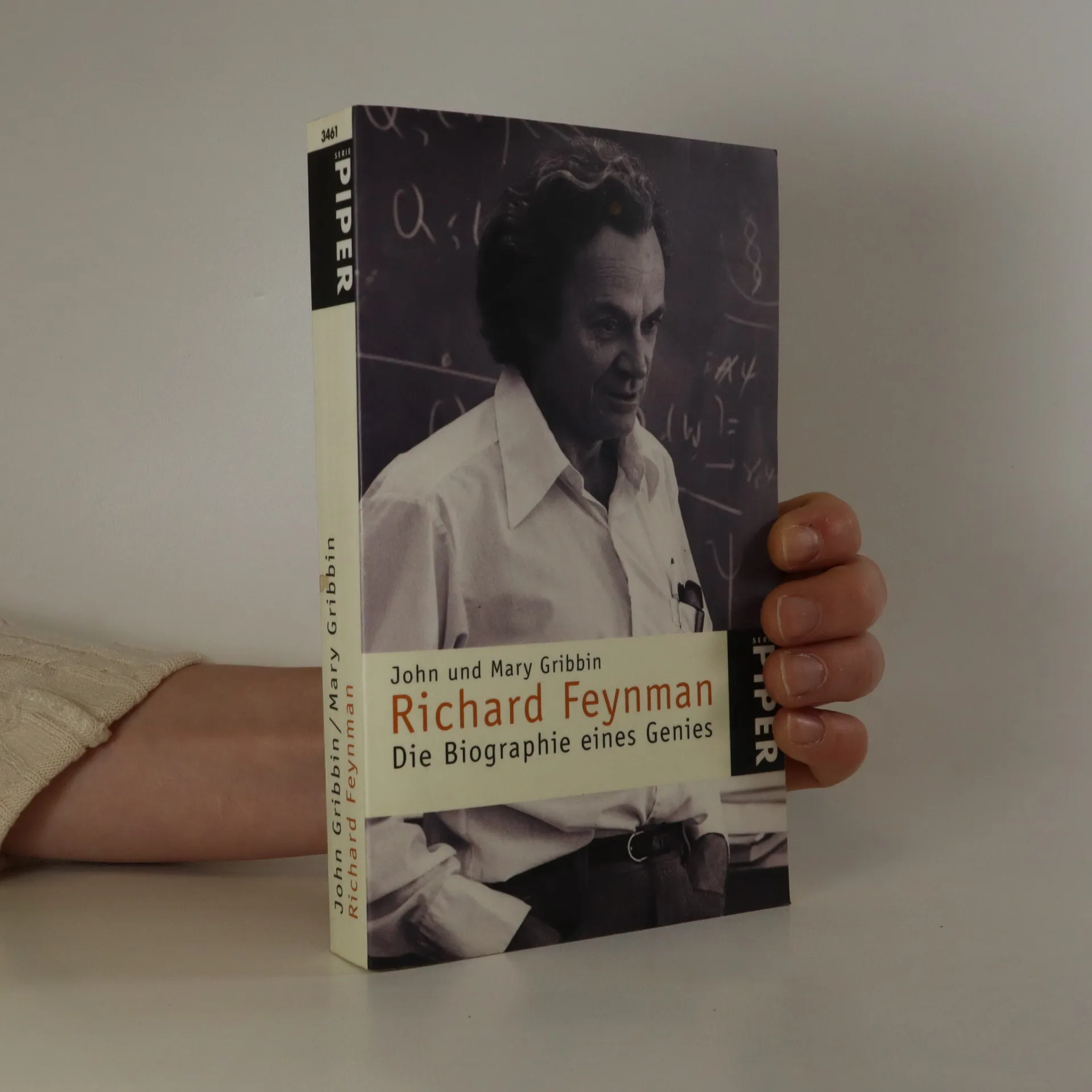
Ein Jahrhundert nach seiner Geburt und dreißig Jahre nach seinem Tod sind Richard Feynmans Entdeckungen in der modernen Physik nach wie vor von großer Relevanz. Er war ein charismatischer und lebensfroher Mensch, der dem Studium der Wissenschaft einen Sinn für Abenteuer verlieh. Seine außergewöhnliche Karriere umfasste Arbeiten während des Krieges am Atomprogramm in Los Alamos, eine zutiefst originelle Theorie der Quantenmechanik, für die er den Nobelpreis erhielt, sowie bedeutende Beiträge zu den Wissenschaften der Gravitation, der Kernphysik und der Teilchentheorie. Die renommierten Wissenschaftsautoren John und Mary Gribbin verweben persönliche Anekdoten und Erinnerungen mit einer klaren wissenschaftlichen Erzählung und enthüllen das faszinierende Leben eines Mannes mit einer immense Leidenschaft für das Leben – ein hervorragender Lehrer, ein wunderbarer Showman und einer der größten Wissenschaftler seiner Generation.
Mary Gribbin Bücher
Mary Gribbin konzentriert sich auf Wissenschaftskommunikation für Kinder und macht komplexe Themen für junge Köpfe zugänglich. Ihre Schriften zielen darauf ab, Neugier zu wecken und ein tieferes Verständnis wissenschaftlicher Prinzipien zu fördern. Durch ihre Bildungsarbeit und Veröffentlichungen bemüht sich Gribbin, die Wissenschaft zu entmystifizieren und die nächste Generation von Denkern zu inspirieren. Ihr Ansatz betont Klarheit und Engagement, um sicherzustellen, dass das Lernen sowohl informativ als auch unterhaltsam ist.



Raum & Zeit
- 64 Seiten
- 3 Lesestunden
Mathematiker beschreiben Raum und Zeit als Einheit: die Raumzeit. In welcher Beziehung die vier Dimensionen zueinander stehen und welche Bedeutung sie im Universum haben, schildert dieser Band.
From Here to Infinity
- 248 Seiten
- 9 Lesestunden
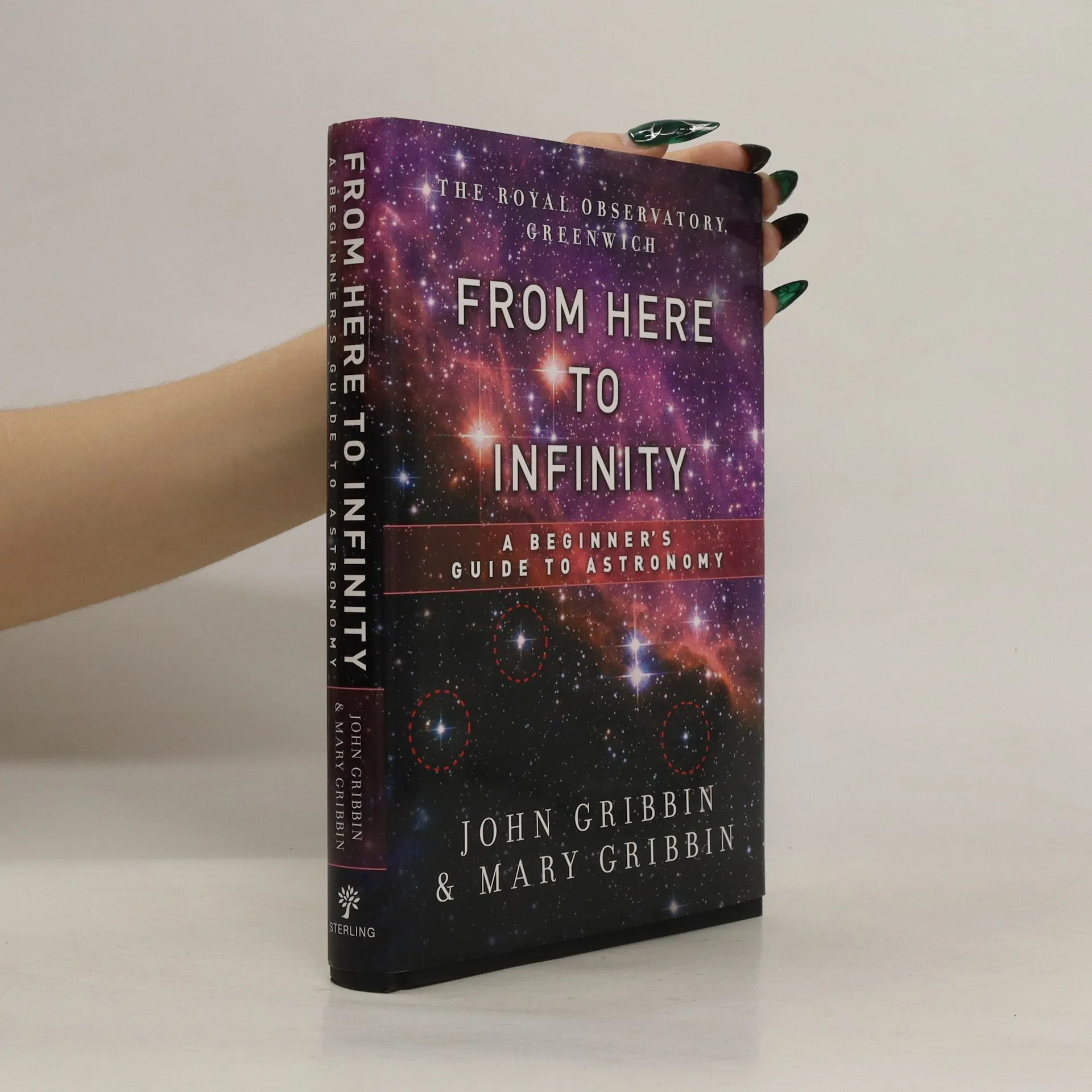
Renowned science writers John and Mary Gribbin team up with one of the most historic scientific sites in the world--the Royal Observatory, Greenwich--to take readers on a stunning visual tour of the universe. This riveting journey moves from our home planet outwards to the Moon, Sun, Inner and Outer Solar Systems, Milky Way, and other galaxies. Not only do the Gribbins discuss the always-intriguing topic of alien life, but they divulge little-known facts (Venus is the only planet in our solar system to rotate backwards), as well as all the basics beginning armchair astronomers need to know. Dramatic four-color photographs complement the informative text, giving readers a sense of what it might be like to be an astronaut...and go where no one has gone before.
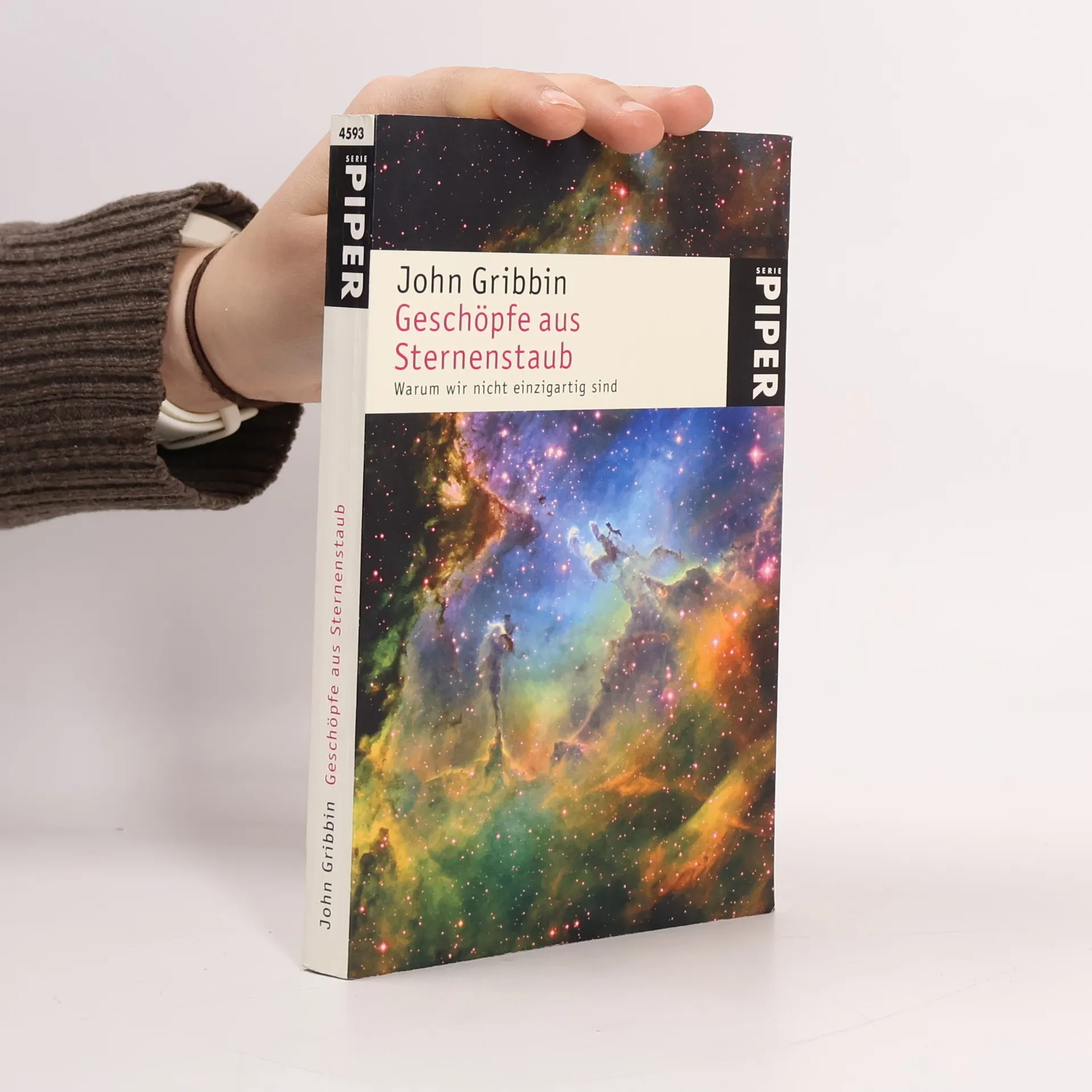
Wir sind Geschöpfe aus Sternenstaub, so John Gribbin. Das Leben ist im glühenden Inneren von Sternen entstanden. Warum das so ist und wie die Astrophysik das herausgefunden hat, das erzählt Gribbin auf seiner aufregenden Zeitreise zu unseren Ursprüngen. Dabei erklärt er auch, warum wir im Kosmos nicht einzigartig sind, denn in einem Universum, in dem es die Rohstoffe für das Leben so überreich gibt, können wir nicht allein sein. 'Das Buch des Jahres. Großartig und wunderbar erklärt.' Sunday Times
Watching the Weather
- 224 Seiten
- 8 Lesestunden
An insight into the weather, featuring information on weather on earth and on other planets of the solar system including Mars. Examines the effects of comets on terrestrial weather, with an explanation of the Greenhouse Effect, and weather anecdotes.
Exploring the intricacies of quantum mechanics, this book provides a comprehensive guide to the fundamental concepts and terminology of the quantum world. Each entry, from A to Z, offers clear explanations, making complex ideas accessible to readers of all backgrounds. The work delves into key principles such as superposition, entanglement, and quantum computing, while also addressing historical developments and influential figures in the field. Ideal for both novices and enthusiasts, it serves as an engaging reference for understanding the fascinating realm of quantum physics.
Dazzling Discoveries
- 256 Seiten
- 9 Lesestunden
A new version of the adult book written specifically for children 11 and up. Covering a huge sweep of science (the last 400 years) the Gribbins look at the great scientists from childhood to old age, telling the stories of their lives and how they came to make their renowned discoveries. A fascinating and highly readable account of the events that lie behind the scientific milestones of history, this book tells us the human stories behind the scientific principles. Previously published in hardback as Inventing the Future.
On the Origin of Evolution
- 320 Seiten
- 12 Lesestunden
A Waterstones Best Book of 2020 The theory of evolution by natural selection did not spring fully formed and unprecedented from the brain of Charles Darwin. Rather it has been examined and debated by philosophers the world over for thousands of years.
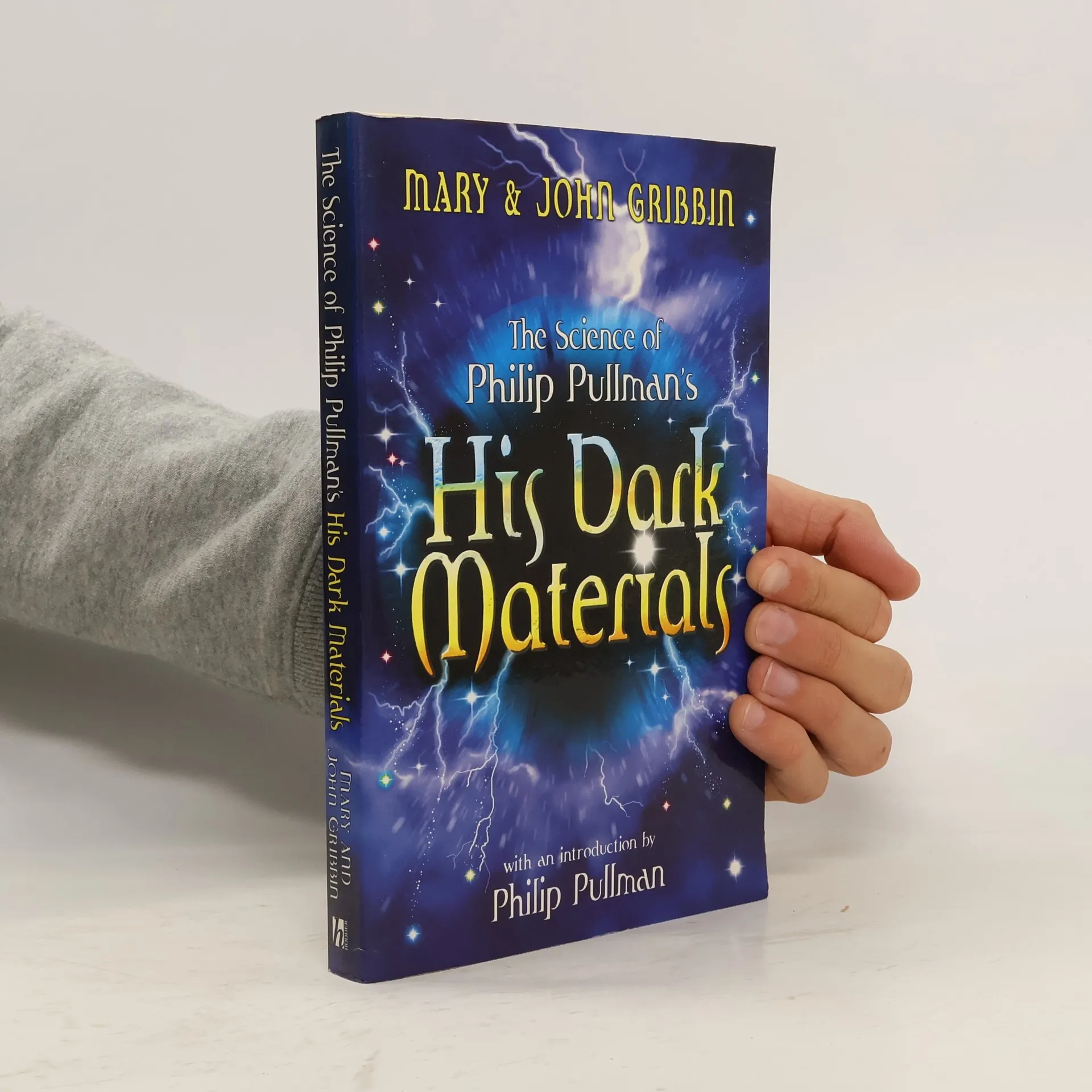
Science Of Philip Pullman's His Dark Materials
- 208 Seiten
- 8 Lesestunden
Award-winning science writers Mary and John Gribbin reveal how Pullman's His Dark Materials trilogy (Northern Lights, The Subtle Knife and The Amber Spyglass) is rooted in scientific truth. Drawing on string theory and space-time, quantum physics and chaos theory, they answer questions such as: could parallel worlds like Will's and Lyra's really exist? How does Will's subtle knife cut through anything? Could there be a bomb like the one made with Lyra's hair? And, of course, what are the Dark Materials?
Early scientific theories made things seem completely predictable. But the real world is unpredictable, and this book explains why. The reader can find out what chaos has to do with earthquakes and avalanches, the stockmarket, Saturn's rings, evolution and special offers at the local supermarket.
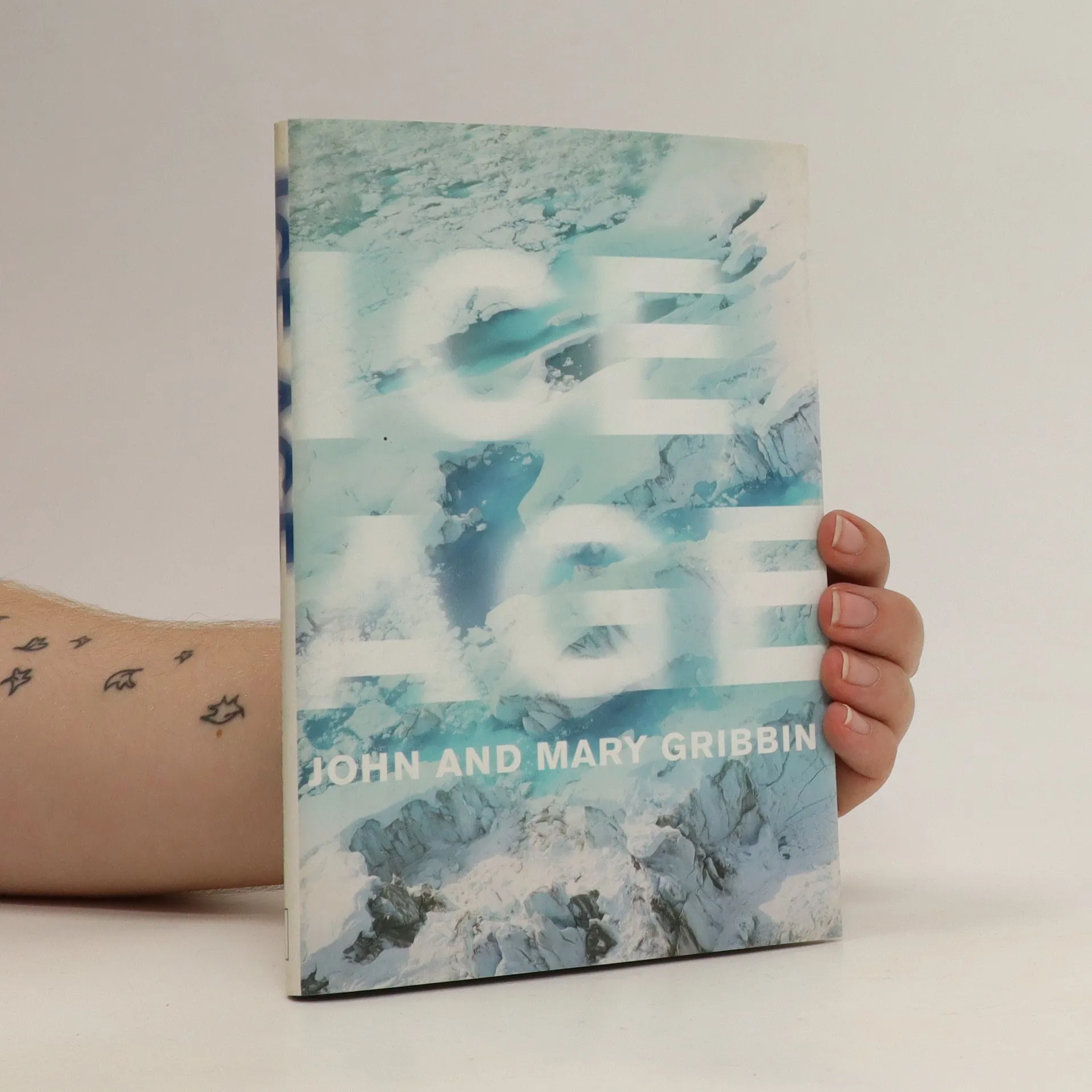
"On 24 June 1837 Louis Agassiz stunned the learned members of the Swiss Society of Natural Sciences by addressing them, in his role as President, not with an anticipated lecture on fossil fishes, but with a passionate presentation on the existence of Ice Ages. No one was convinced. He even dragged the reluctant members of the Society up into the mountains to see the evidence for themselves, pointing out the scars on the hard rocks left by glaciation (which some of those present tried to explain away as having been produced by the wheels of passing carriages). Extraordinarily, it would take a further 140 years before the Ice Age theory was fully proved and understood." "John and Mary Gribbin tell the remarkable story of how we came to understand the phenomenon of Ice Ages, focusing on the key personalities obsessed with the search for answers. How frequently do Ice Ages occur? How do astronomical rhythms affect the Earth's climate? Have there always been two polar ice caps? Is it true that tiny changes in the heat balance of the Earth could plunge us back into full Ice Age conditions? With startling new material on how the last major Ice Epoch could have hastened human evolution, Ice Age explains why the Earth was once covered in ice - and how that made us human."--Jacket
Science
- 288 Seiten
- 11 Lesestunden
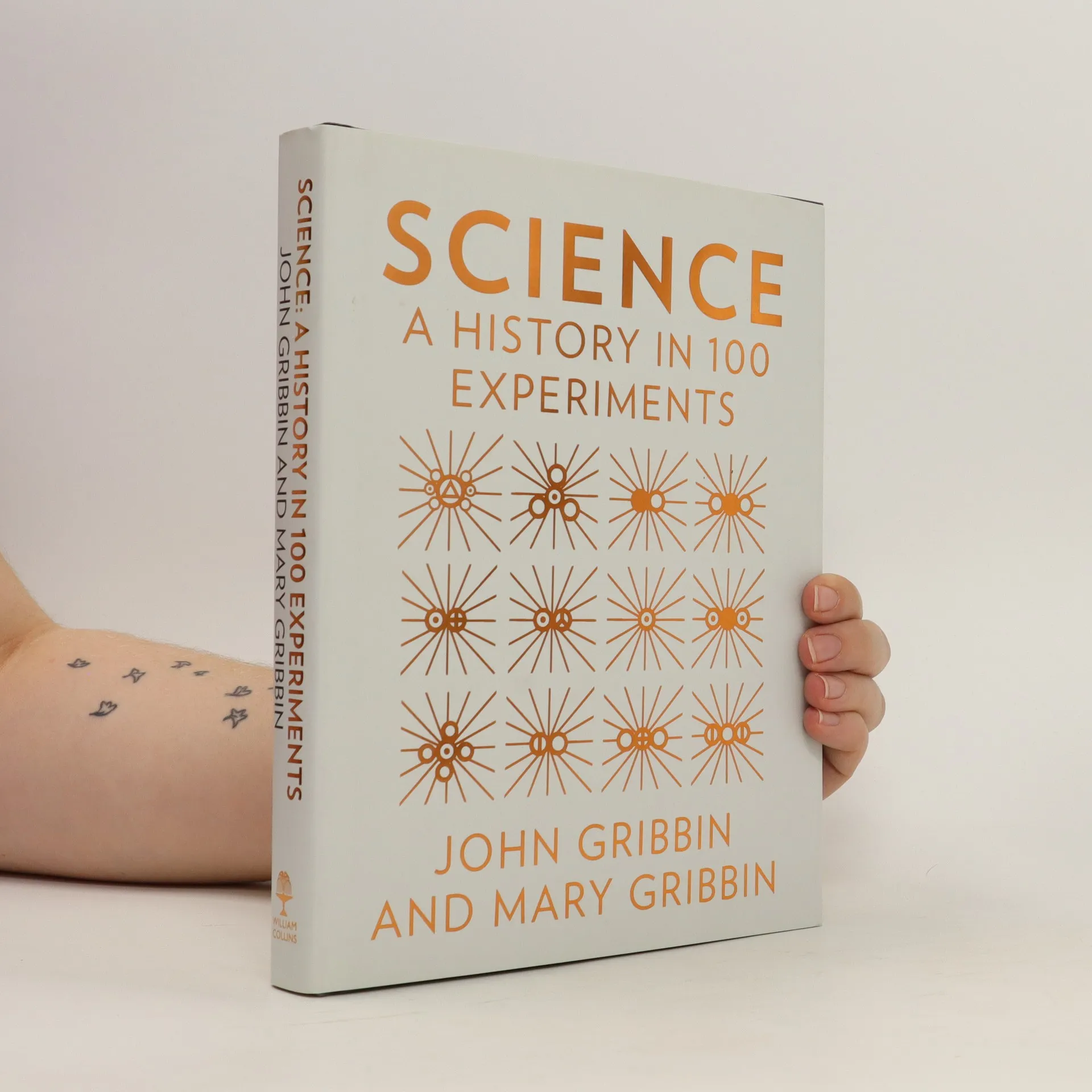
A history of science distilled into 100 notable experiments - epic moments that have fuelled our understanding of Earth and the Universe beyond. The history of science is a fascinating and long one, covering thousands of years of history. The development of scientific experiments involves some of the most enlightened cultures in history, as well as some great scientists, philosophers and theologians. As the Nobel Prize-winning physicist Richard Feynman said, 'If it disagrees with experiment, it is wrong', the simplest summary of what science is all about. And science is nothing without experiments. Everything in the scientific world view is based on experiment, including observations of phenomena predicted by theories and hypotheses, such as the bending of light as it goes past the Sun. From the discovery of microscopic worlds to weighing the Earth, from making electricity to the accelerating Universe and gravitational waves, this stunning book by renowned science writers John and Mary Gribbin tells the fascinating history of science through the stories of 100 groundbreaking experiments.
Nearly everyone knows the names of the great scientists, but how many of us know anything about their work, let alone their private lives? In this easy-to-read series, eminent science writers John and Mary Gribbin look at the lives and work of eight major scientists; each book is accessible enough to be read for fun but informative enough to appeal to students of science. The iconic Albert Einstein emerges as a dashing ladies' man and the greatest scientist of his time; but why did Charles Darwin wait for decades before going public with his ideas on evolution? How was Marie Curie's great work shaped by her childhood experiences of oppression under the Czars? And what was Edmond Halley, of comet fame, doing as Captain of a King's Ship and later spy for the Crown? We meet a bookbinder's apprentice, an obscure monk, a Victorian gentleman--eventually famous scientists all. An introduction and afterword places each scientist's work in the context of the development of their subject, but in accordance with their true worth, not necessarily in accordance with their place in popular mythology. Engaging, stimulating, and instructive
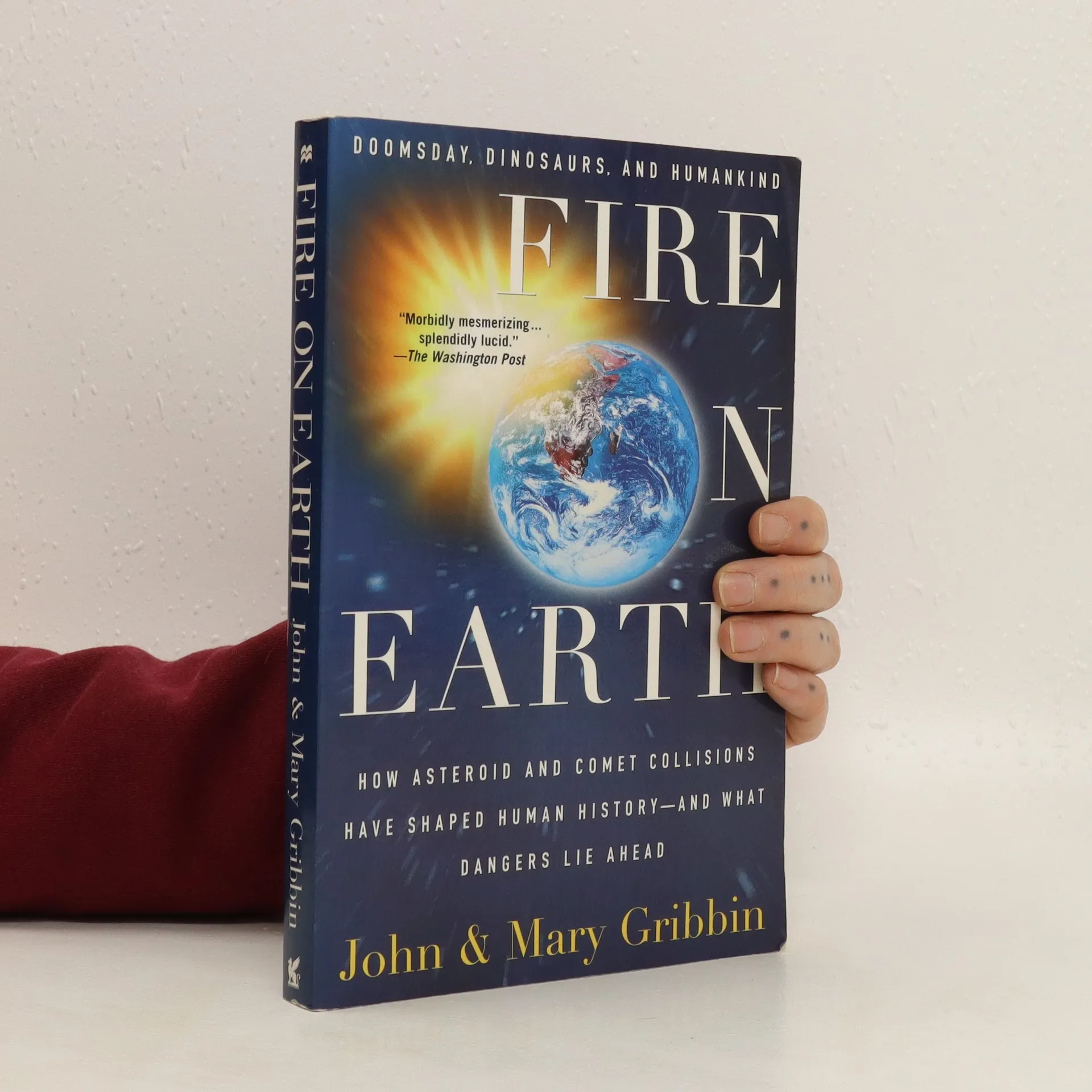
Fire on Earth
- 256 Seiten
- 9 Lesestunden
Examines the nature, origin, and dangers of comets and studies how asteroid and comet collisions with the Earth have shaped the course of human history
Against the Odds: Women Pioneers of Science
- 240 Seiten
- 9 Lesestunden
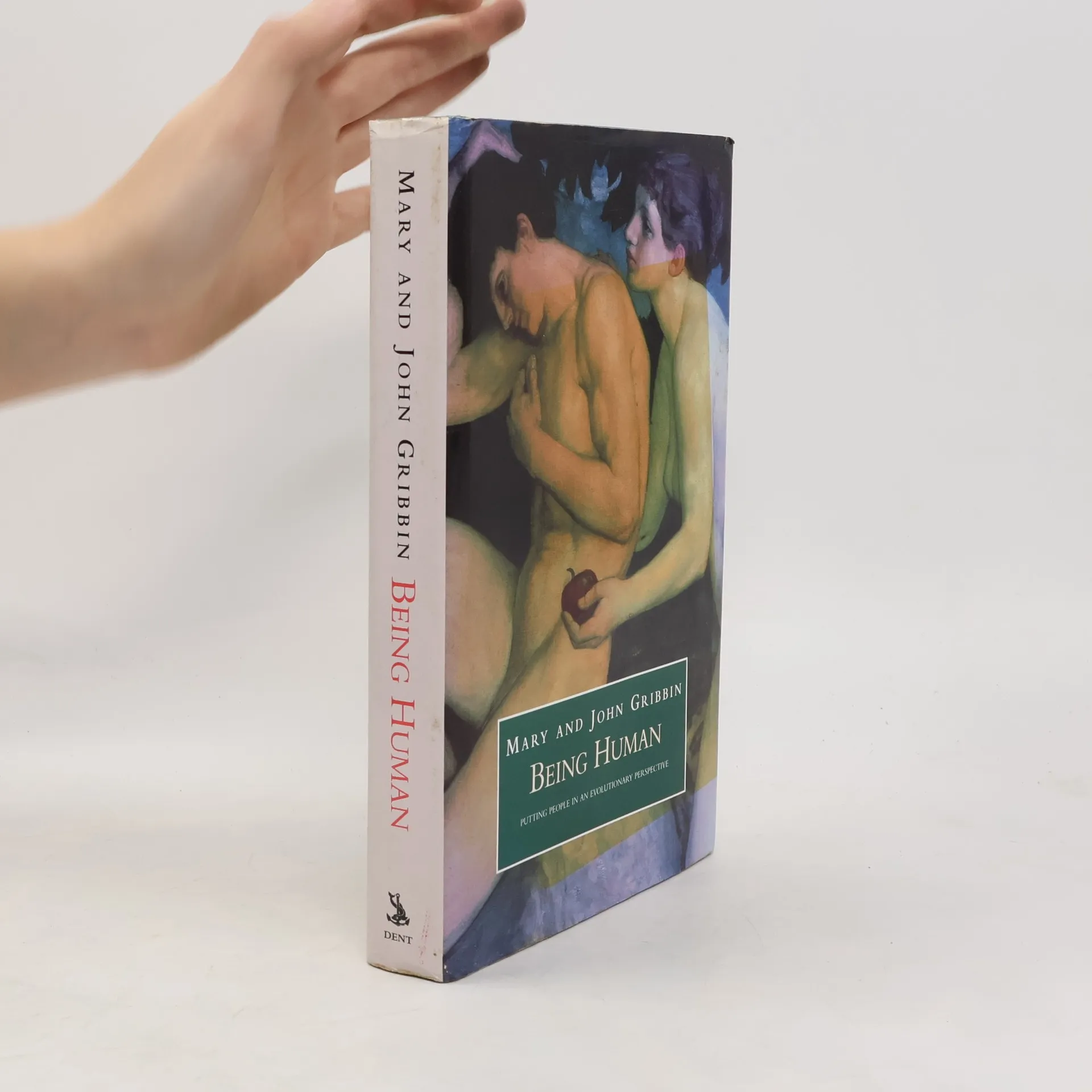
In this volume, the authors attempt to outline the basis and paradox of sociobiology, describing the global environmental changes that engendered human evolution and explaining many diverse areas of human behaviour.