
Gratisversand in ganz Deutschland!
Bookbot

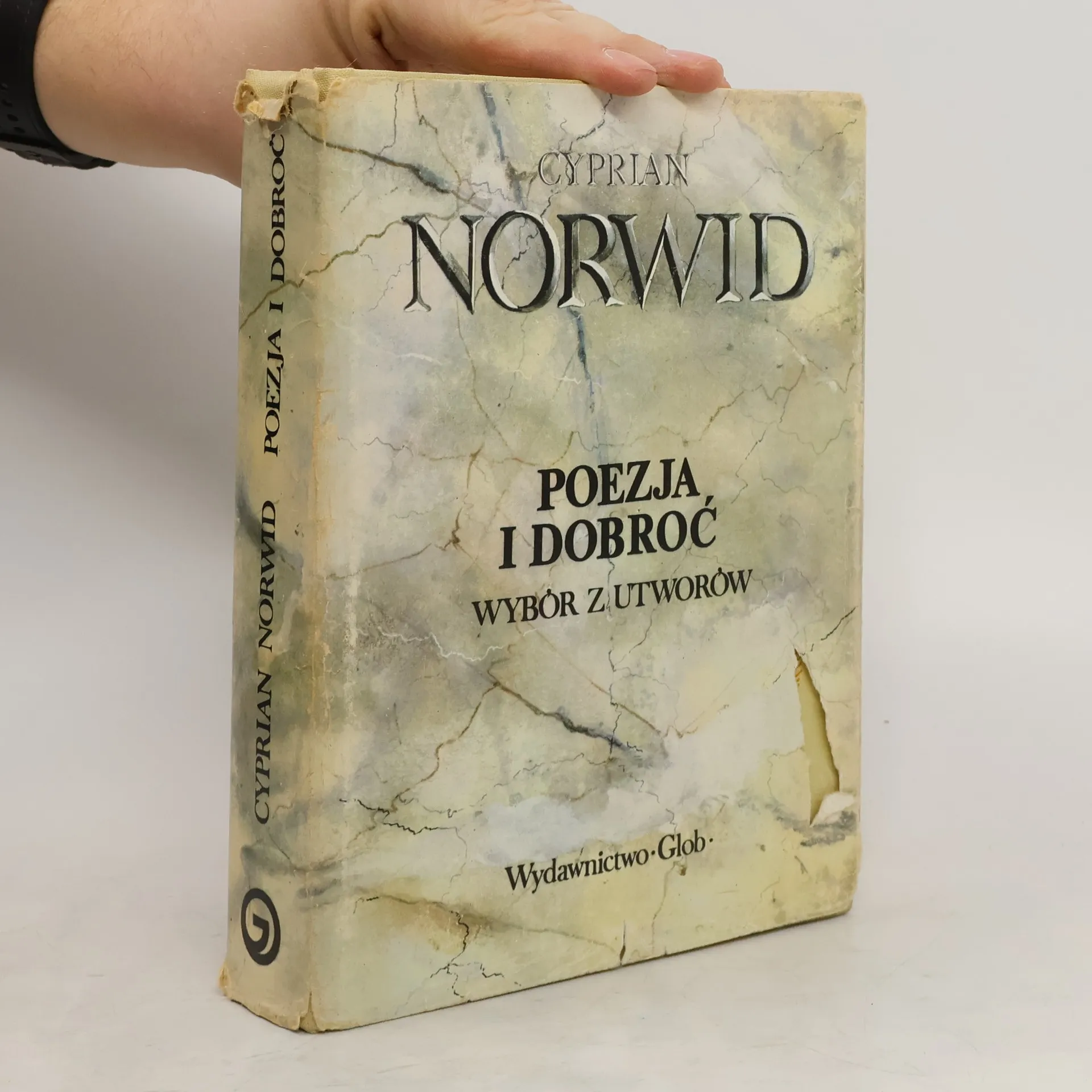
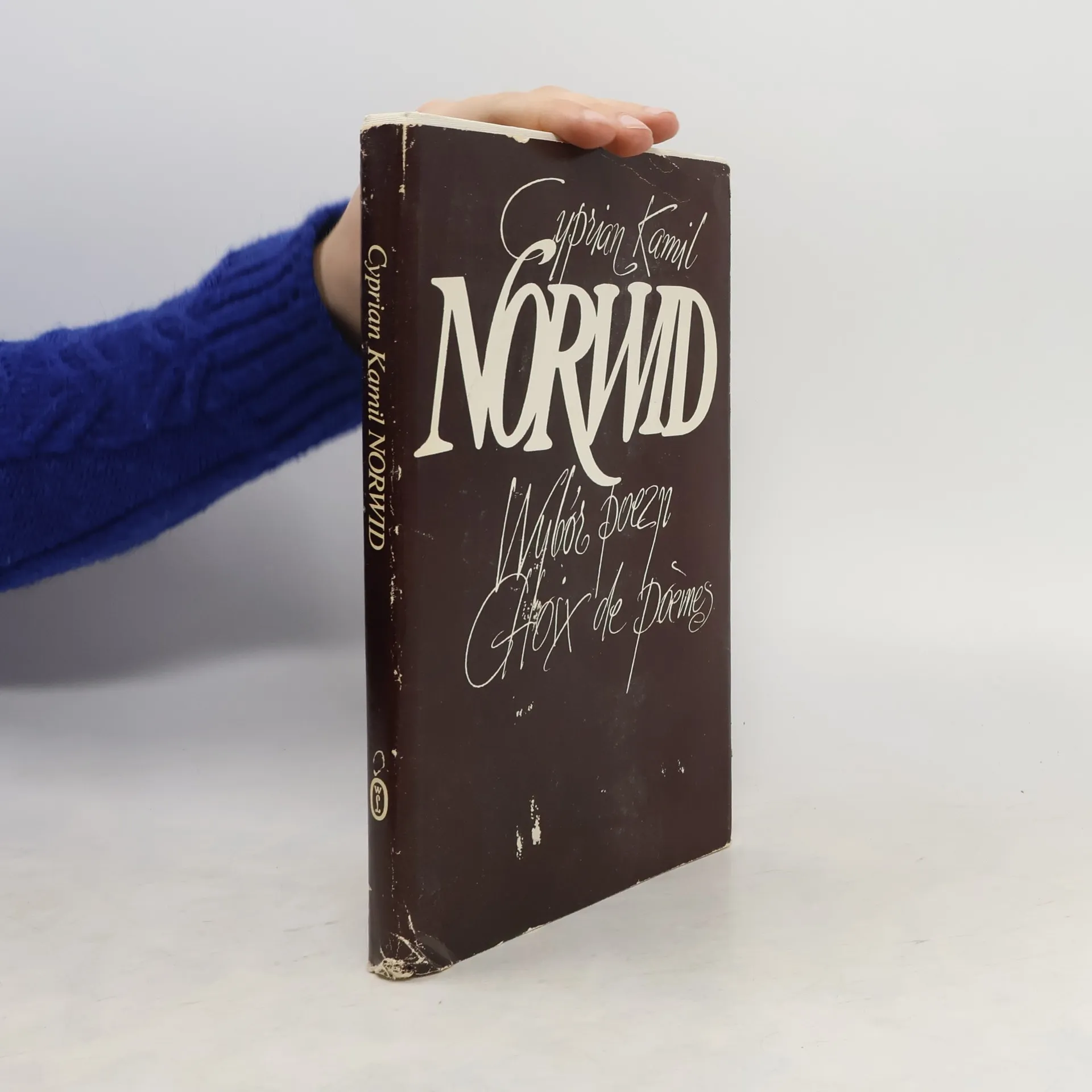
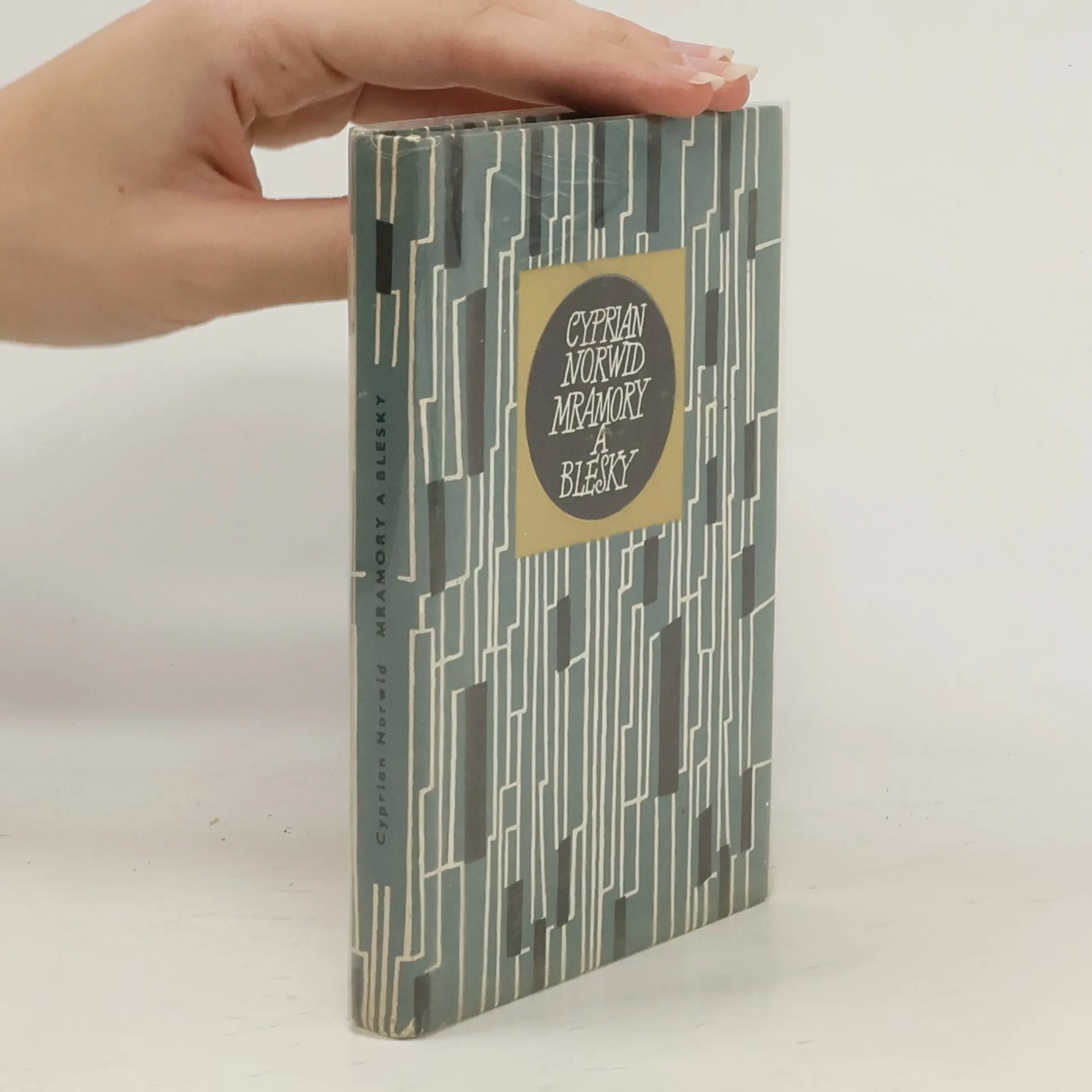
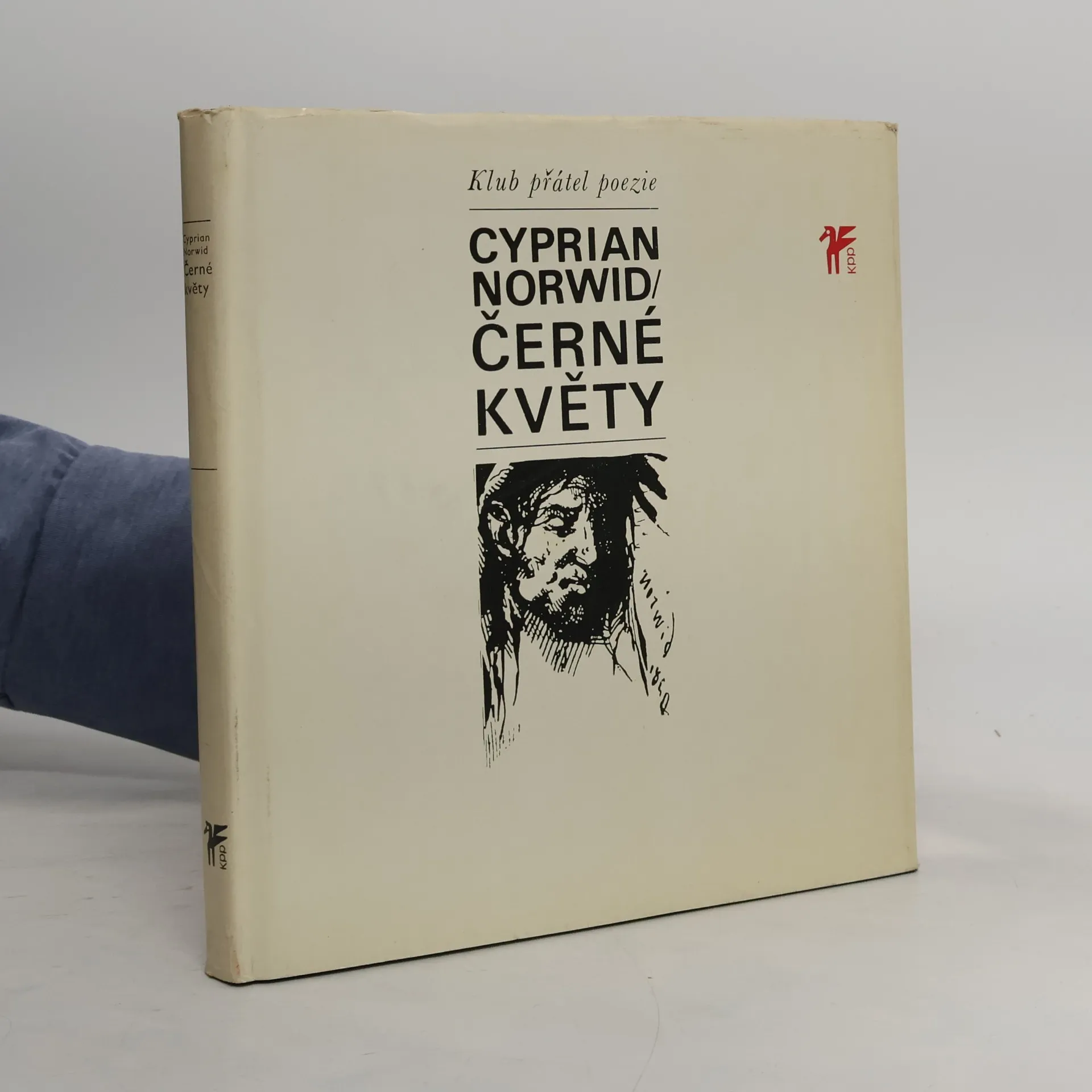
Cyprian Norwid

    24. September 1821 – 23. Mai 1883

    Dieser polnische Künstler hinterließ seine Spuren als Dichter, Dramatiker, Prosaautor, Essayist, Philosoph, Maler und Bildhauer. Trotz seiner Bekanntschaft mit Berühmtheiten blieb er lange unterschätzt, bis er im 20. Jahrhundert Anerkennung fand. Sein Werk, geprägt von früher unerfüllter Liebe und einem oft einsamen Leben, zeichnet sich durch tiefe Sensibilität und Ausdrucksstärke aus. Er konzentrierte sich auf die Kunst des Schreibens, die polnische Gesellschaft und die Moral, wobei seine künstlerische Vision traditionelle Genres überwand.

    Cyprian Norwid
    Poezje
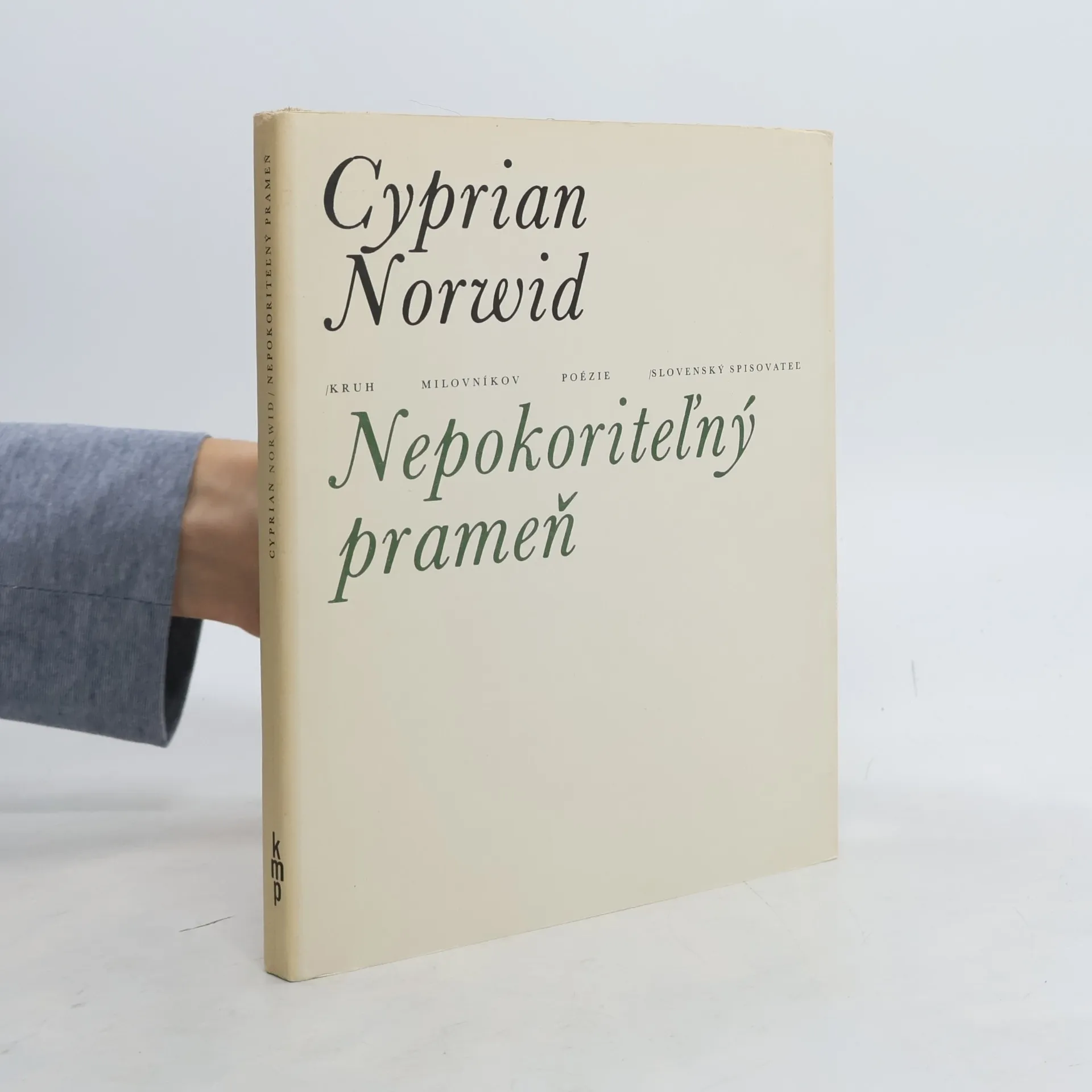
    Nepokoriteľný prameň
    Selected Poems
    Dramatic Works
    Insel-Bücherei - 704: Das Geheimnis des Lord Singelworth
    Quidam
    • Quidam

      Przypowieść / Parabel und Para-Roman. Polnisch | Deutsch. Übersetzt und herausgegeben von Rolf Fieguth

      Cyprian Norwids Quidam (1863), eine rare Perle polnischer Erzählkunst in Versen, sprachgewitzt und bildkräftig, erscheint hier erstmals in deutscher Übertragung. Ein fremder junger Dichter sucht die Wahrheit im Zentrum der Welt, Hadrians spätantikem Rom. Er erlebt das Scheitern von Freundschaft und Liebe, die Sinnleere griechischer Philosophie und die Brüchigkeit der religionsgefärbten Machtdemonstrationen des Kaisers. Angesichts des jüdischen Bar-Kochba-Aufstands (132–135) verfällt dieser in hysterischen Staatsterror. In dieser Atmosphäre wird der junge Dichter ermordet, bevor er mit dem im Volk bereits verbreiteten frühen Christentum in Kontakt kommt. Reizvoll ist der Kontrast der detailreichen Schilderungen spätantiker Lebenswelt und der subtilen Ausblicke auf die Brüche der Eisenbahn-Moderne des 19. Jahrhunderts, die die Probleme des seinerzeit von drei Gottesgnaden-Monarchen unterworfenen Polens thematisieren.
      Quidam
    • Dramatic Works

      • 674 Seiten
      • 24 Lesestunden
      5,0(1)Abgeben

      Exploring themes of artistry and existential reflection, Cyprian Kamil Norwid's works showcase a unique poetic idiom that emerged during Polish Romanticism. His dramatic repertoire spans from the Shakespearean "Cleopatra and Caesar" to mystical dramas like "Wanda and Krakus," and satirical comedies such as "Pure Love at the Sea Baths." This collection, translated by Charles S. Kraszewski, presents a comprehensive view of Norwid's influence on Polish literature and theatre, appealing to enthusiasts of Romanticism and dramatic arts alike.

      Dramatic Works
    • Selected Poems

      • 95 Seiten
      • 4 Lesestunden

      Poetry Book Society Recommended Translation Cyprian Norwid, born in 1821 near Warsaw, is one of the most innovative and idiosyncratic figures in Polish literature. His unique poetry is now recognized as among Poland's finest. Largely self-taught, he left Poland at the age of 21, moving widely around Europe - befriended by Chopin among others - before travelling to America. Persistently dogged by financial crises, he was forced to return to Paris in 1854. There he spent the rest of his life, dying in a hostel for Polish insurrection veterans in Ivry in 1883. Norwid's work is introduced by Bogdan Czaykowski, the eminent Polish poet, who is also a noted scholar and critic. Adam Czerniawski, born in Warsaw in 1934, has translated widely from Polish (including Tadeusz Rózewicz's selected poetry, They Came to See a Poet , also from Anvil) as well as publishing poetry, stories, criticism and a memoir in his first language. He has lived in Palestine, Lebanon, Germany, England and Scotland, working in a variety of academic and literary posts.

      Selected Poems
    • W roku 2021 przypada dwusetna rocznica urodzin Cypriana Norwida. Prezentujemy drugi tom serii Pewne Norwidiana, antologię wierszy religijnych Norwida opracowaną przez Stefana Sawickiego, redaktora naczelnego krytycznego wydania „Dzieł wszystkich” Norwida. Wybór poprzedzony jest atrakcyjnym wstępem, pokazującym chrześcijański i uniwersalny wymiar tej poezji. Wymiar niejednoznaczny, dający się zidentyfikować także w utworach, których nie podejrzewalibyśmy o religijny charakter. Ogromną wartością książki jest komentarz, umieszczony bezpośrednio pod tekstem danego wiersza. Książka stanowi doskonałe wprowadzenie w całość Norwidowego myślenia o świecie i w jego poetykę.

      Nie są nasze - pieśni nasze Wiersze religijne