
Lieferung vor Weihnachten: 1 Tag 3 Stunden
Bookbot

Scott Thornbury

    1. Januar 1950

    Scott Thornbury ist eine herausragende Persönlichkeit im Bereich des Englischunterrichts mit über drei Jahrzehnten Erfahrung. Sein umfangreicher Hintergrund umfasst Lehrtätigkeiten und Ausbildung an verschiedenen internationalen Standorten. Thornburys Beiträge umfassen auch die Verfassung mehrerer gefeierter Bücher für Pädagogen, die sich auf Sprache und Lehrmethodik konzentrieren. Er ist auch als Reihenherausgeber für einen renommierten akademischen Verlag und als Mitbegründer der einflussreichen dogme ELT-Gruppe anerkannt.

    Teaching unplugged
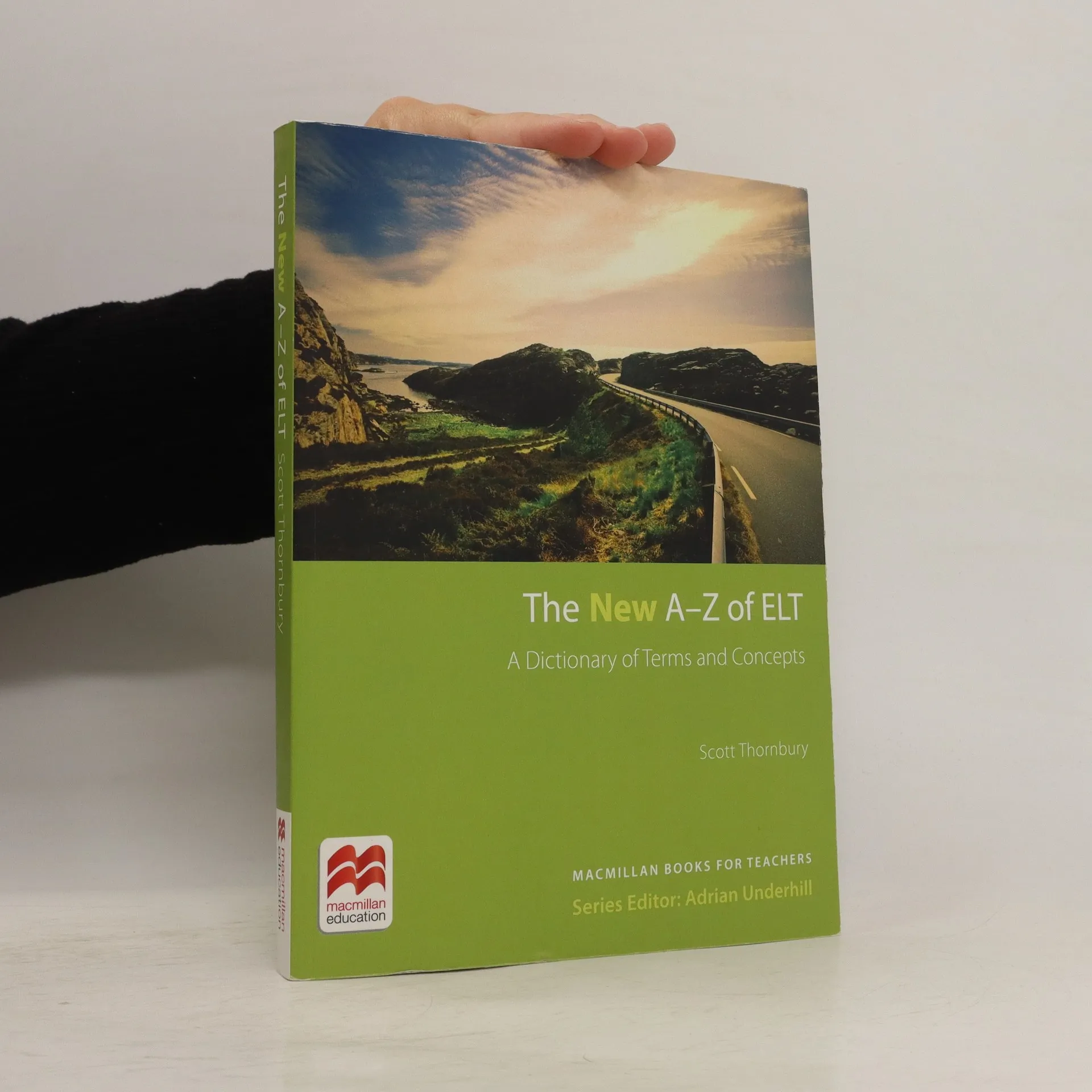
    The New A-Z of ELT Paperback
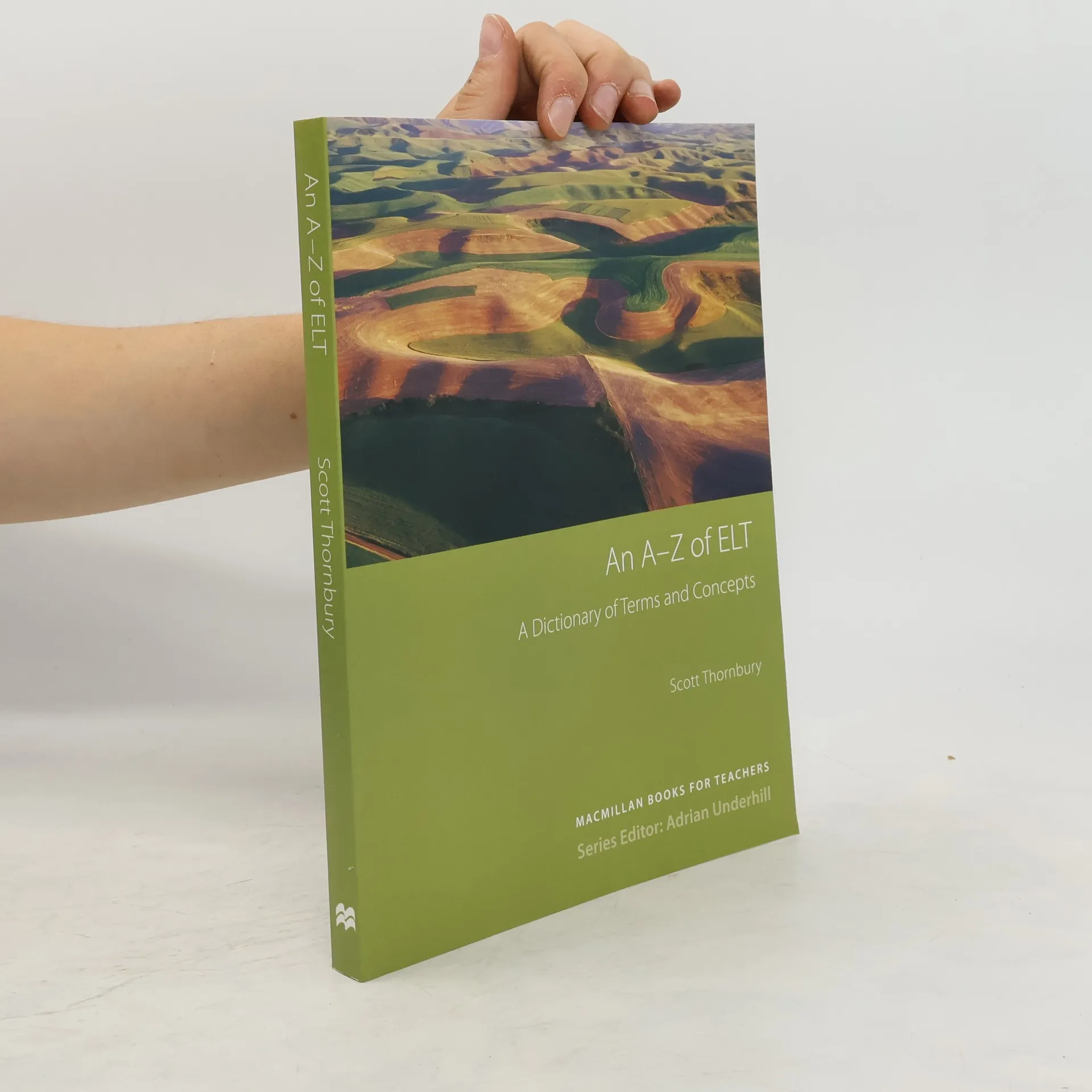
    An A-Z of ELT
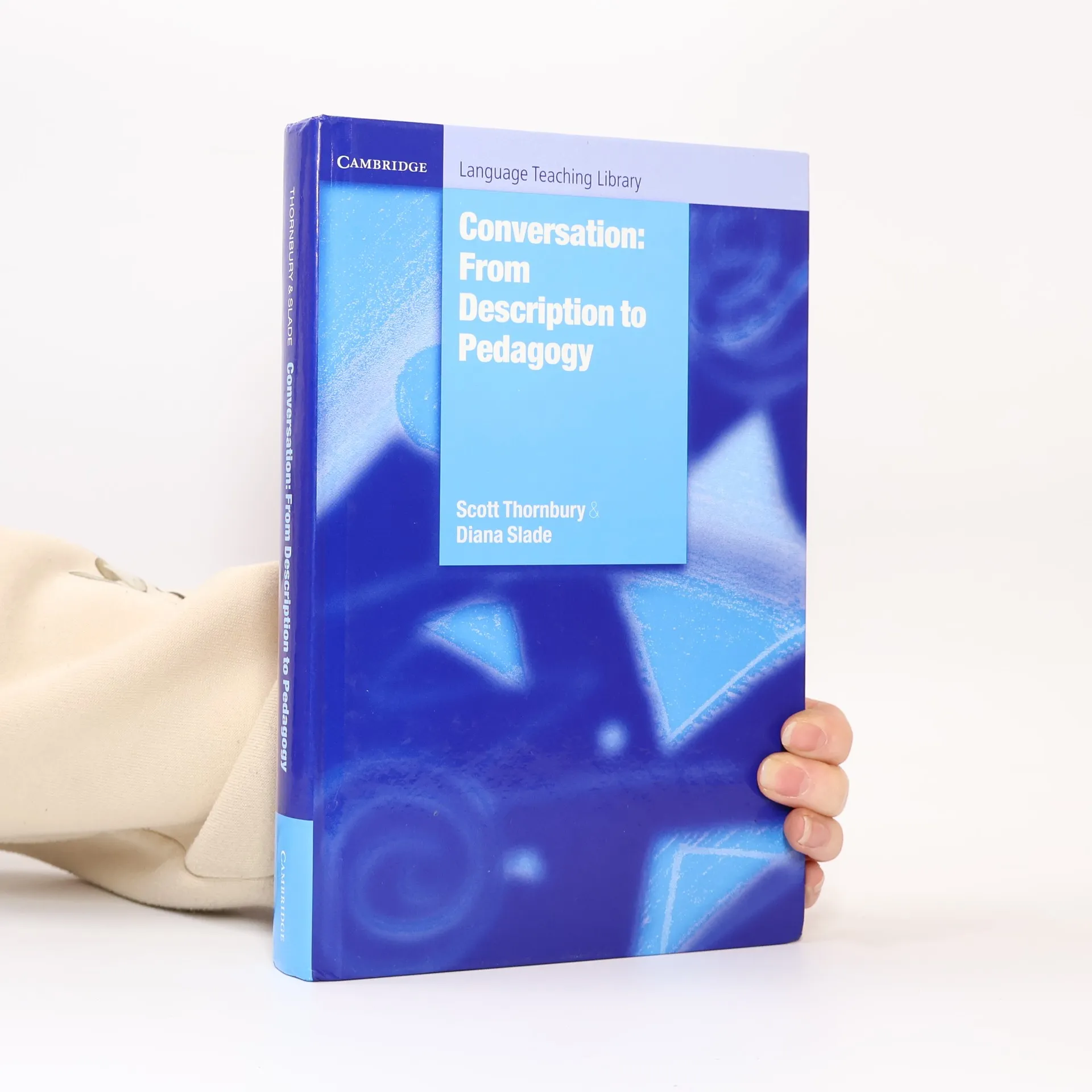
    Conversation
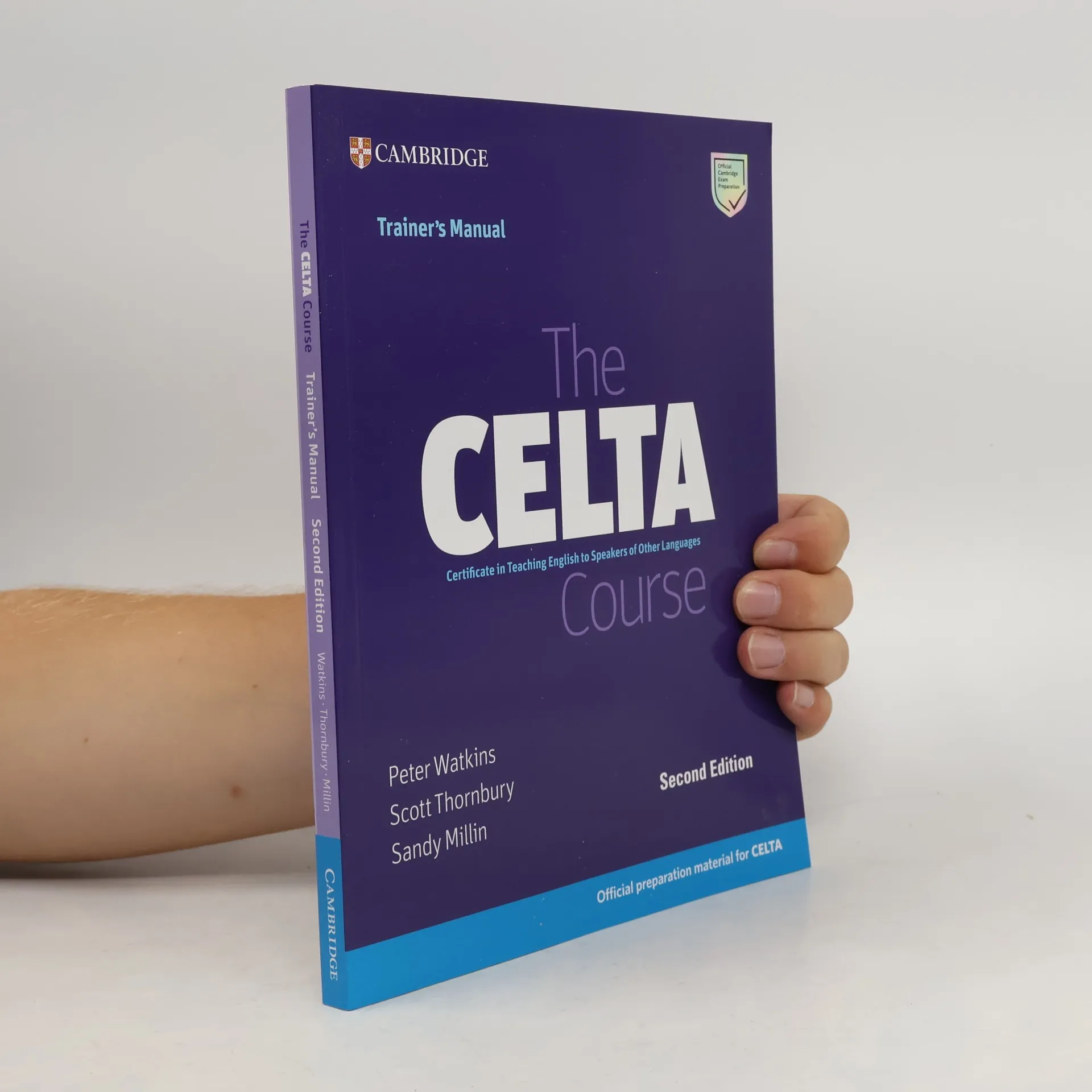
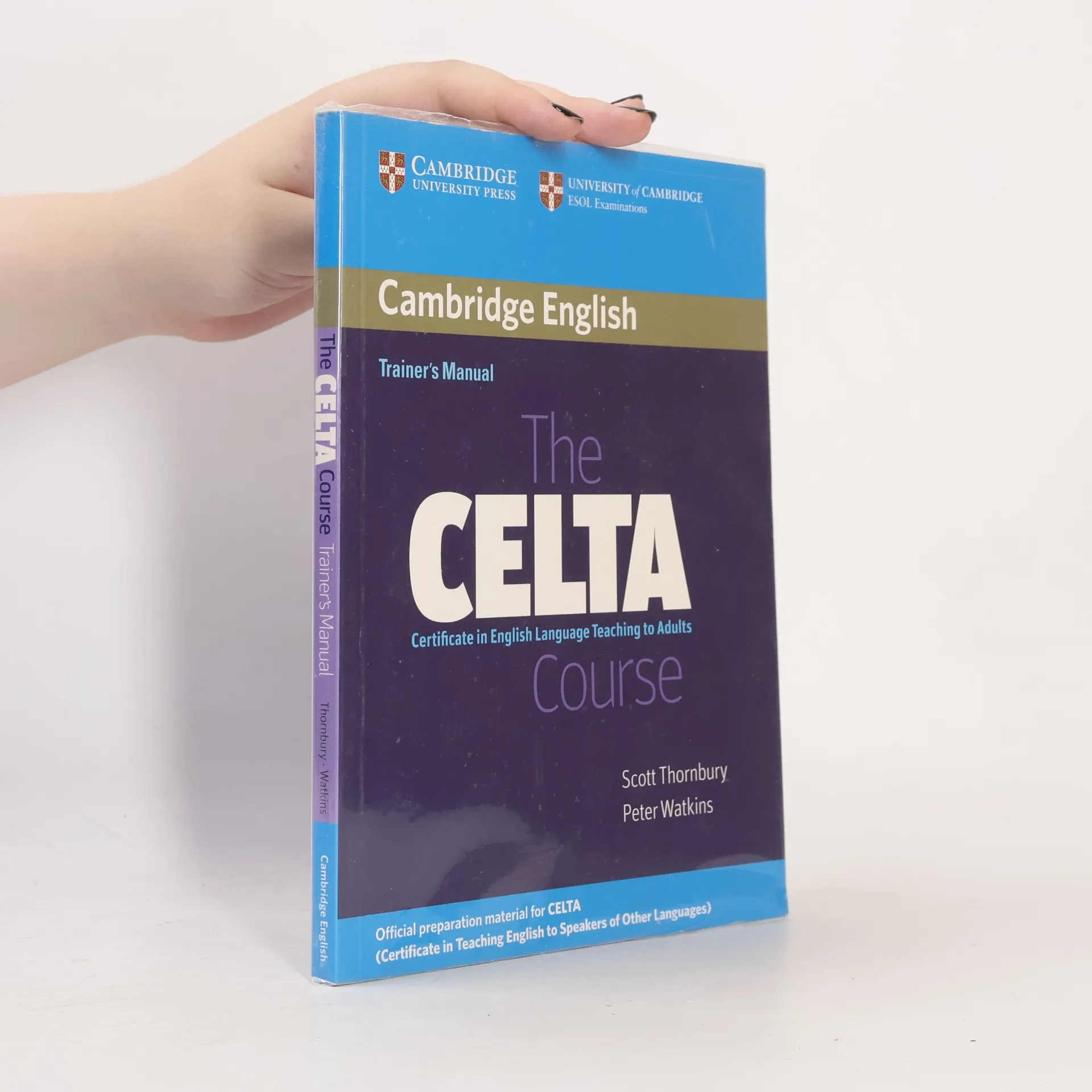
    The CELTA Course Trainer's Manual
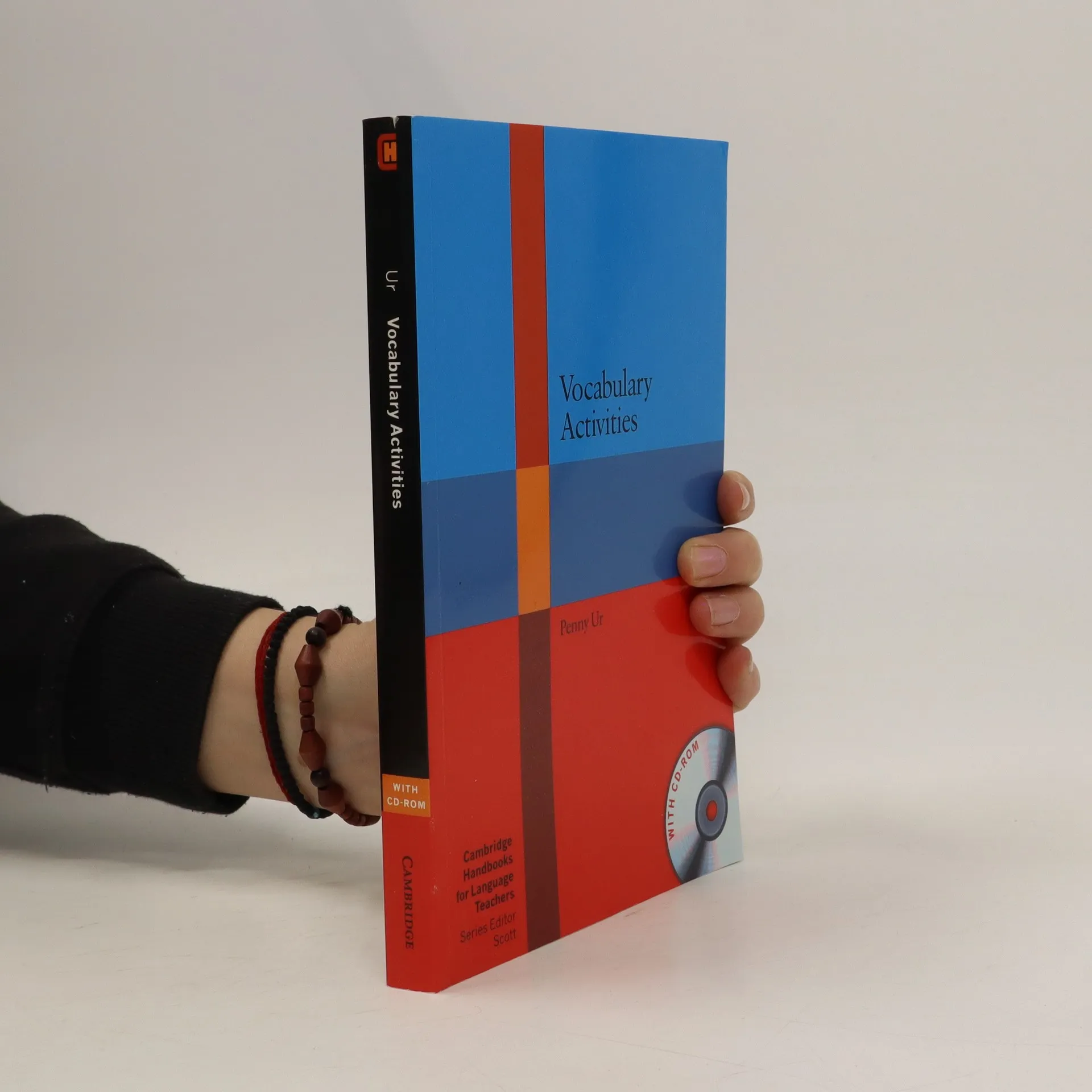
    Penny Ur's 77 Tips for Teaching Vocabulary
    • 2021

      This compact, user-friendly book provides practical tips to help you address the challenges of the teenage classroom. This compact, user-friendly book draws on Herbert Puchta's rich knowledge and experience to help you address the challenges of the teenage classroom. It references recent research and developments in understanding teenagers and offers practical tips for creating positive classroom dynamics and guiding teenagers towards becoming mature and responsible adults.

      Herbert Puchta´s 101 Tips for Teaching Teenagers
    • 2020

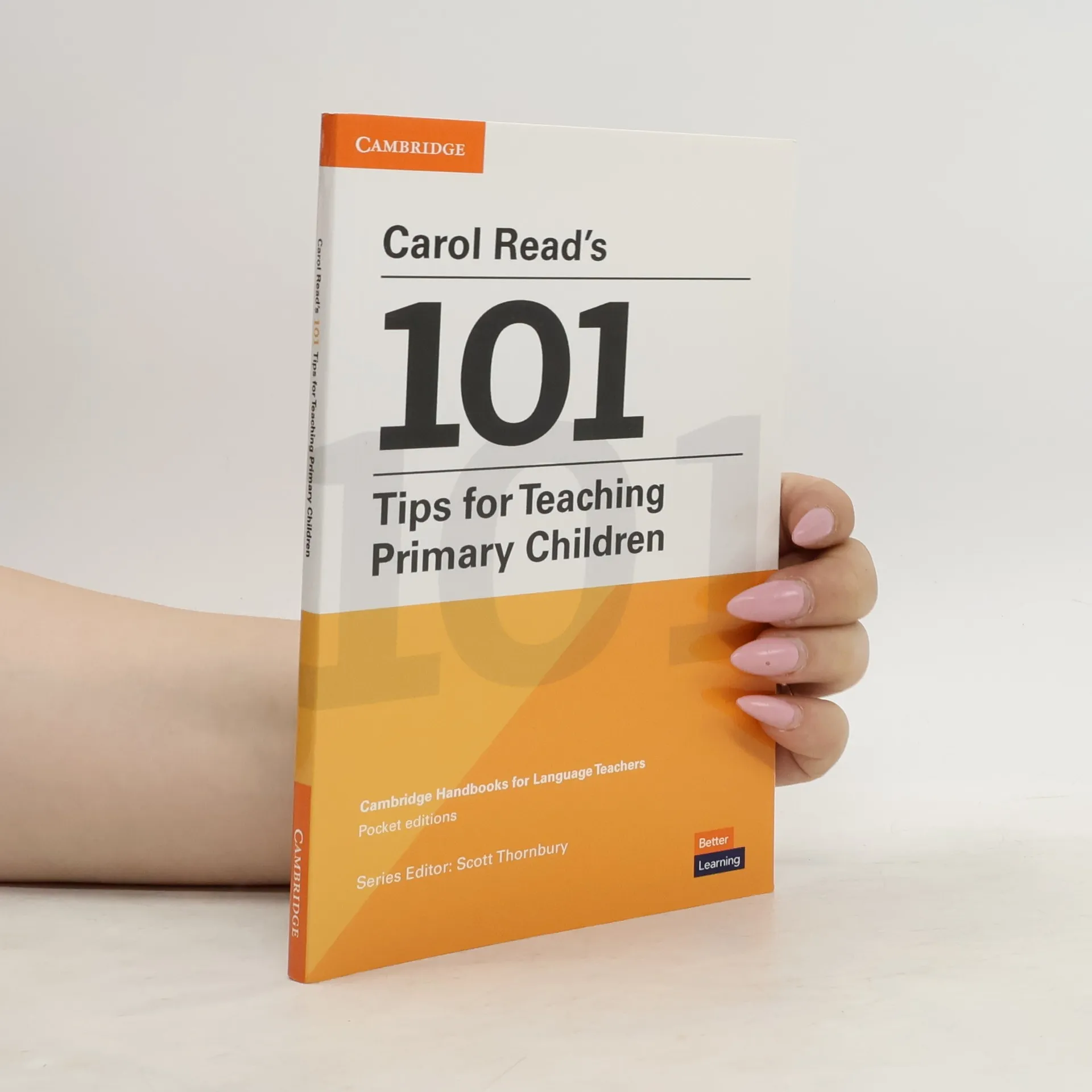
      This concise book is authored by the highly-regarded educator and author, Carol Read and draws on her significant expertise in teaching children aged 6-12. It considers all aspects of children's development in primary language teaching, along with linguistic outcomes, and offers a wide range of methodological tips and practical ideas.

      Carol Read´s 101 Tips for Teaching Primary Children
    • 2020

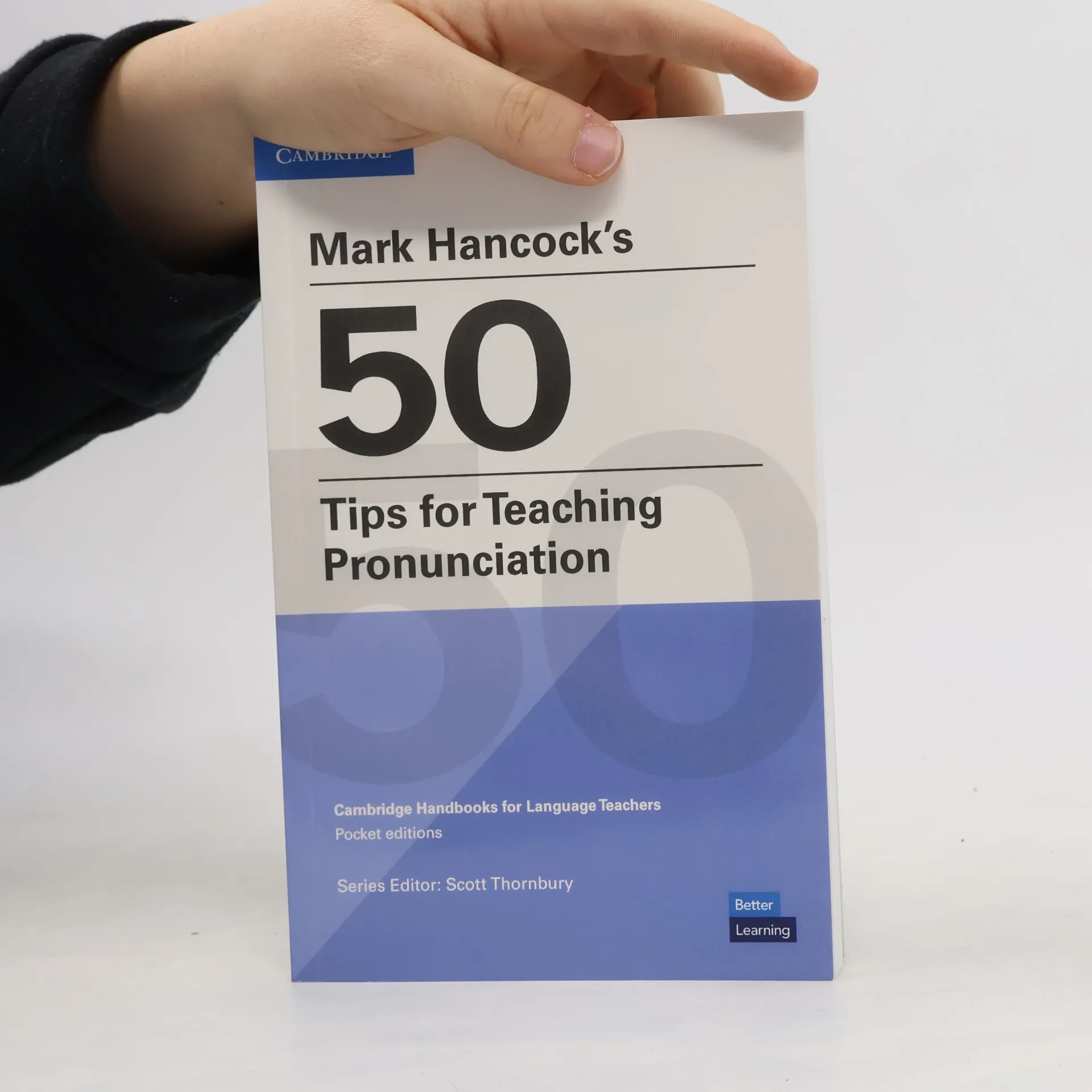
      This concise and user-friendly book draws on Mark Hancock's wealth of knowledge and experience to provide 50 practical tips that will be useful for teachers of all levels of experience. It outlines the key issues and challenges, with three clear sections. The first addresses the goals and models of teaching pronunciation, the second provides guidance on what to teach in pronunciation classes - the phonology of English, and the third explores how to teach it, with tips covering the techniques and methods used in the classroom.

      Mark Hancock's 50 Tips for Teaching Pronunciation Pocket Editions
    • 2019

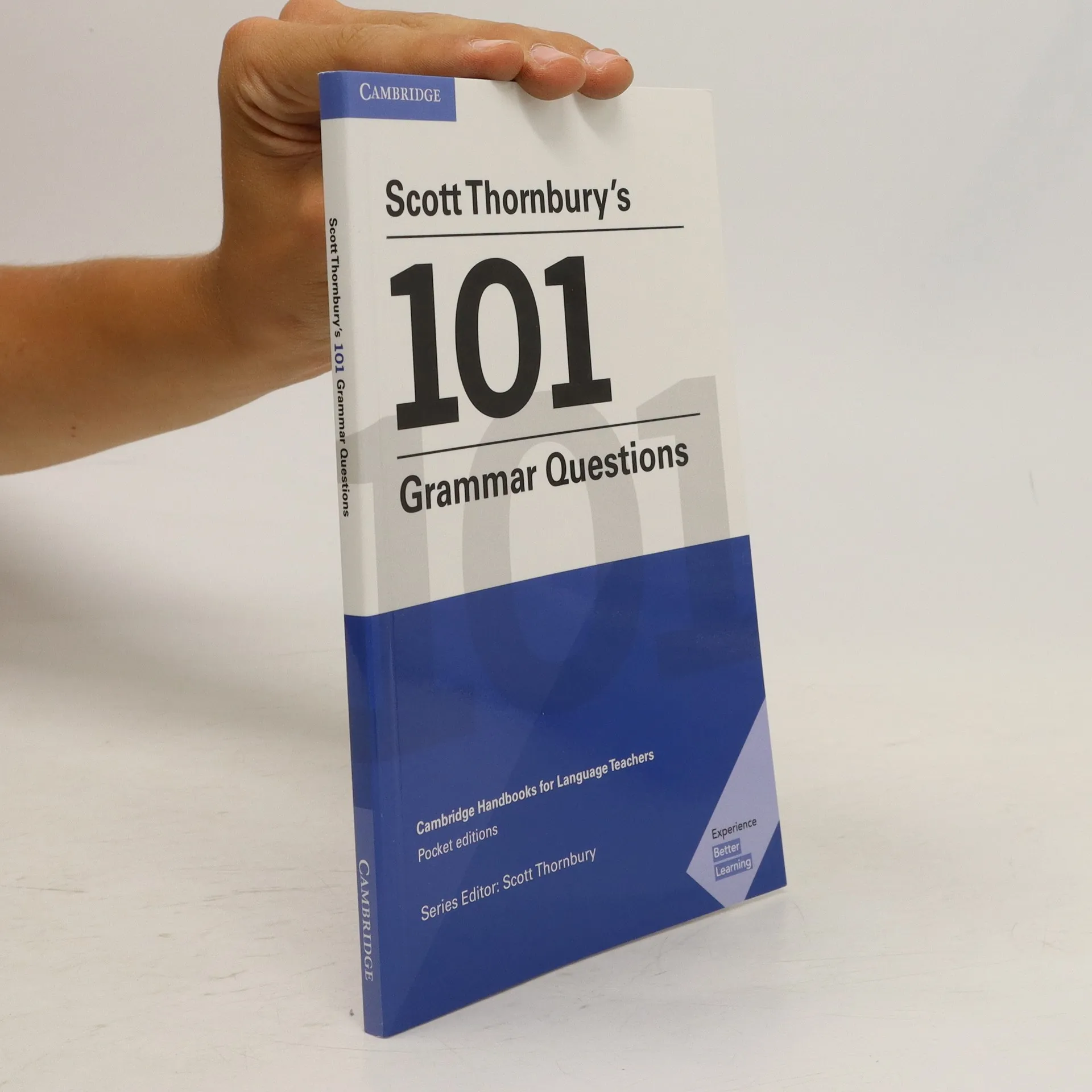
      A compact, user-friendly reference book addressing many of the kinds of questions about grammar that regularly confront teachers, both novice and experienced, when planning or executing their lessons. A glance at any web-site, discussion forum or social network shared by teachers of English suggests that teachers are constantly asking each other questions related to pedagogical grammar. These may simply be questions about terminology or categorisation ('What's a clause?'; 'Is like a preposition?'), or they may seek to unravel subtle grammatical distinctions ('What's the difference between for and since?) or explain persistent learner errors ('Why in bed and not in the bed?'). This book is designed to fulfil this basic, everyday need - as well as being a book that can be read for interest, and even pleasure, in its own right.

      Scott Thornbury's 101 grammar questions
    • 2018

      Dieses umfassende alphabetisch geordnete Nachschlagewerk für Lehrer und Studenten im ELT-Bereich wurde neu bearbeitet und ergänzt. Es bietet klare und ausführliche Definitionen zu den Themen Grammatik, Phonologie, Lexikologie und Diskurs. Die Einträge einschließlich gängiger Abkürzungen sind nach Themengebieten geordnet und mit Querverweisen versehen. Begriffe, die in einer Definition erscheinen und selbst Schlagworte sind, sind fett gedruckt.

      The New A-Z of ELT
    • 2017

      The New A-Z of ELT Paperback

      • 321 Seiten
      • 12 Lesestunden
      4,5(2)Abgeben

      "The New A-Z of ELT is a practical and informative guide that is indispensable to teachers and teacher trainers of all levels of experience. The new edition has been revised and restructured to take recent developments in language teaching into account. It is a fully cross-referenced, alphabetical guide to ELT that defines and explains essential language teaching concepts and terminology from fields including grammar, linguistics, discourse analysis, digital pedagogies, and phonology."--Back cover

      The New A-Z of ELT Paperback
    • 2017

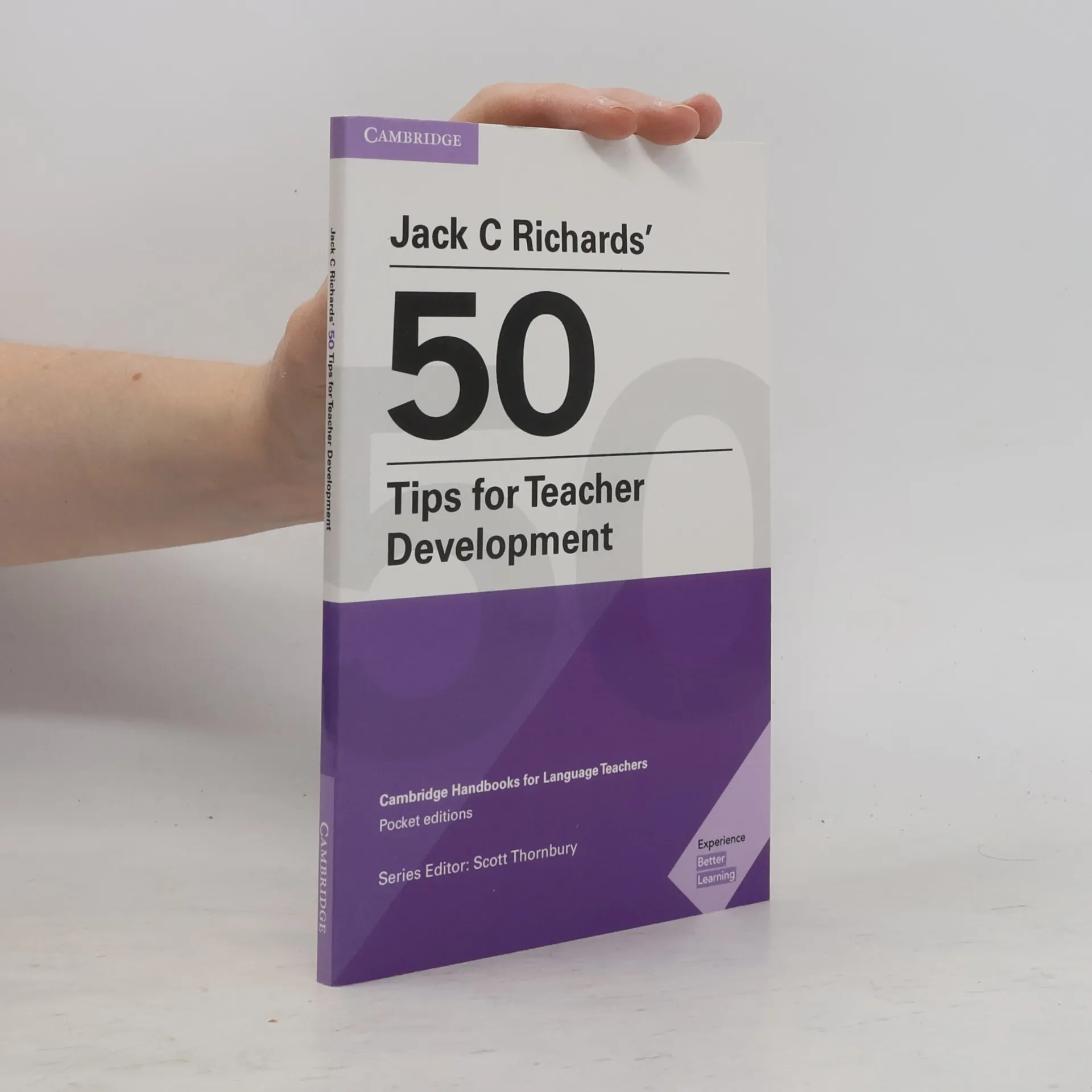
      This book offers 50 practical ideas for teachers to use for their professional development. The tips cover a wide range of activities that can be carried out individually or in collaboration with others, including self and peer observation, journal writing, on-line forums, classroom research, action research, team teaching, lesson review, materials review, lesson study, mentoring, peer coaching, reading groups, and workshops. The Tips can be used by both novice and more experienced teachers and are intended to provide a basis for teachers to review the current state of their professional learning and to develop and implement goals for their development.

      Jack C Richards' 50 Tips for Teacher Development Pocket Editions
    • 2017

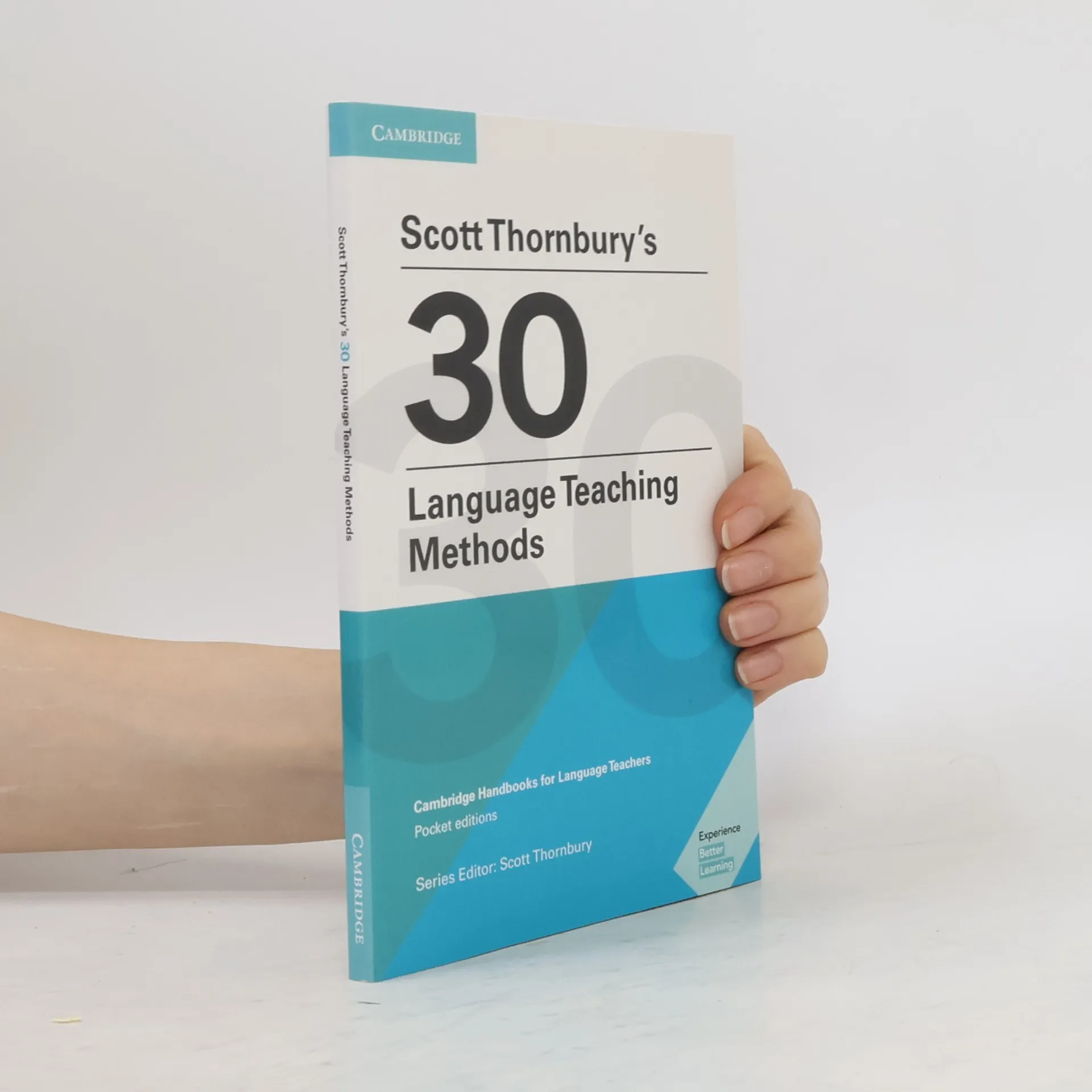
      This easy-to-read book groups methods according to what they have in common, even if separated in time. At the same time, it rehabilitates some lost or forgotten methods, with a view to challenging current orthodoxies, especially with regard to such topics as translation, rote learning, authenticity, and communication. In doing this it aims to unpack, not just the history of methods, but the beliefs that underpin them and the benefits that still might possibly accrue from experimenting with them. Through its inclusion of interesting characters, intriguing anecdotes, and often bizarre techniques, the material is absorbing and engaging.

      Scott Thornbury's 30 Language Teaching Methods
    • 2017

      Natural grammar

      • 220 Seiten
      • 8 Lesestunden
      3,9(22)Abgeben

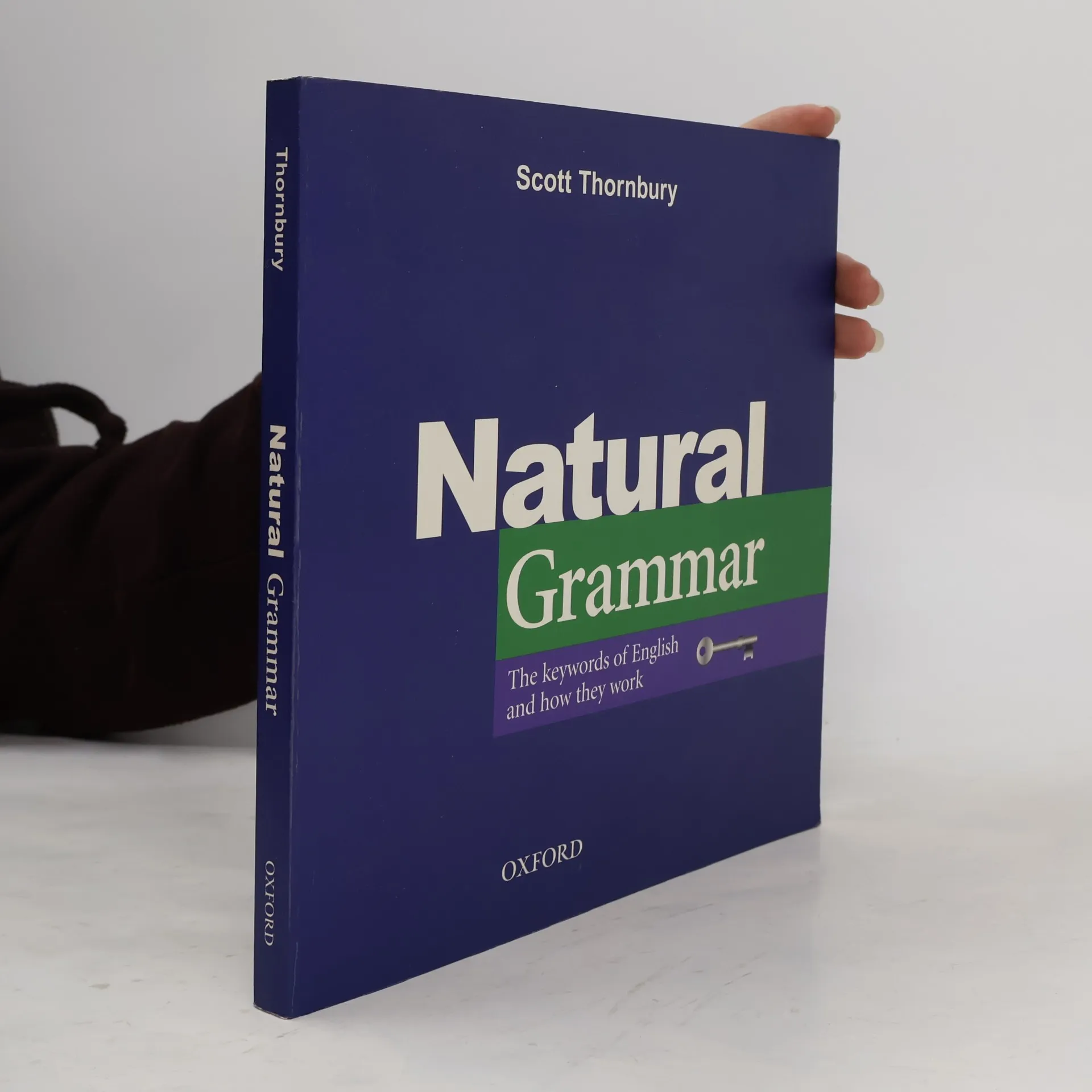
      100 double-page spreads with explanations and exercises. Reference area with four clear sections: definitions, grammar patterns, collocations, and set phrases. Examples of real language from corpus research. Varied exercises which practise and expand language. Idioms and natural phrases. Language notes on usage.

      Natural grammar