Die berühmtesten Philosophen
- 166 Seiten
- 6 Lesestunden
Eine leicht verständliche Einführung in die Geschichte der Philosophie und ihrer hervorragendsten Denker: Das Leben, die Ideen und Werke der wichtigsten Philosophen aller Zeiten.






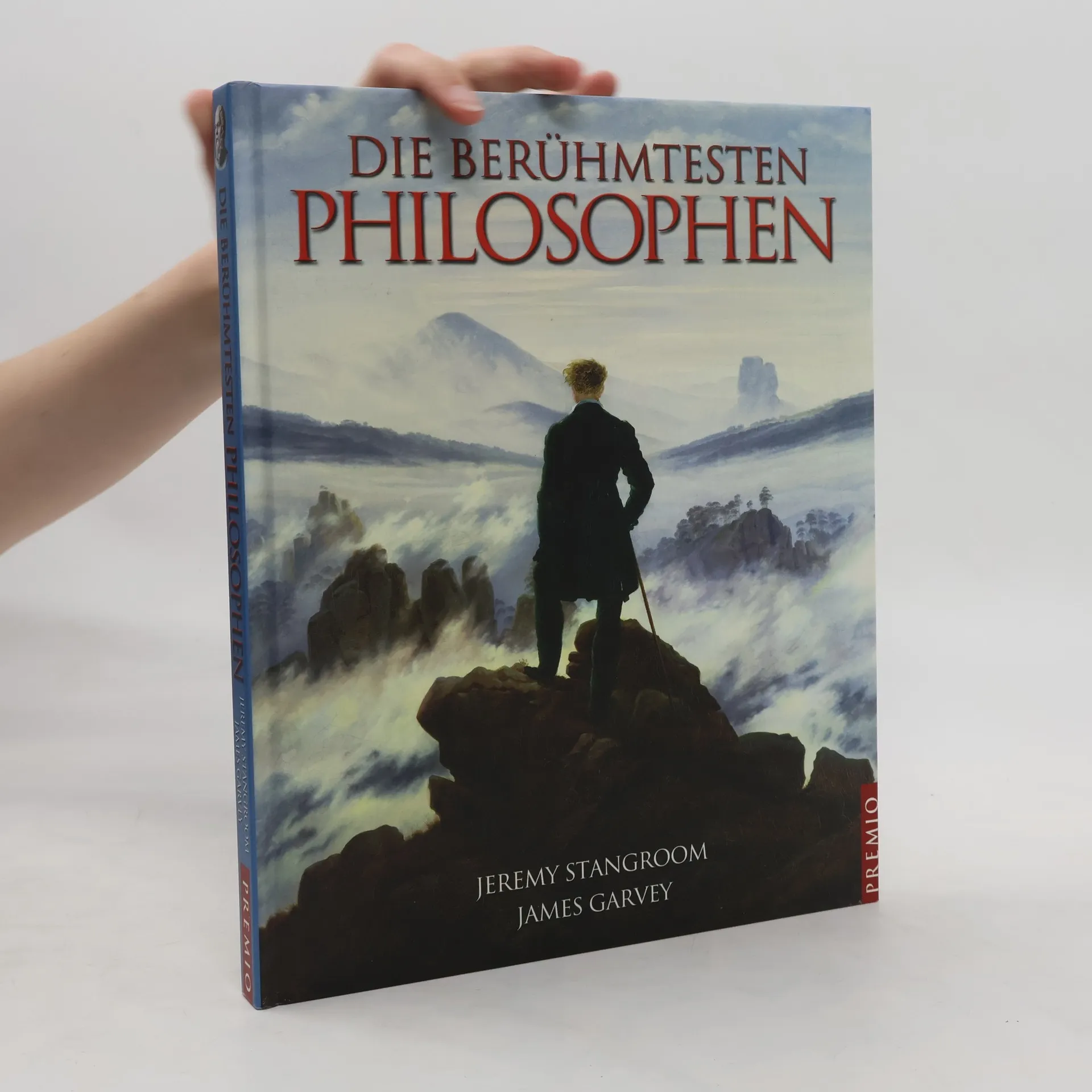
Eine leicht verständliche Einführung in die Geschichte der Philosophie und ihrer hervorragendsten Denker: Das Leben, die Ideen und Werke der wichtigsten Philosophen aller Zeiten.
Almost every hour of every day, people will try to change your mind -- and they don't want you to notice, because none of it consists in giving you good reasons. You are nudged, anchored, and incentivized. Products are designed with the help of neuromarketing to appeal to unconscious minds; the taste of food is improved merely by brand association. Covert PR can start wars -- the emotional testimony of fifteen year-old Nayirah which helped the case for the first Gulf War was assembled by PR firm Hill and Knowlton. Book covers adorned with favorable quotes are a powerful 'social proof', whether the quotes are real or bogus. These hidden techniques for changing our minds are everywhere, once we know how to spot them. Philosopher James Garvey presents not just a requiem for rationality, but a call to think again about the way we think now.
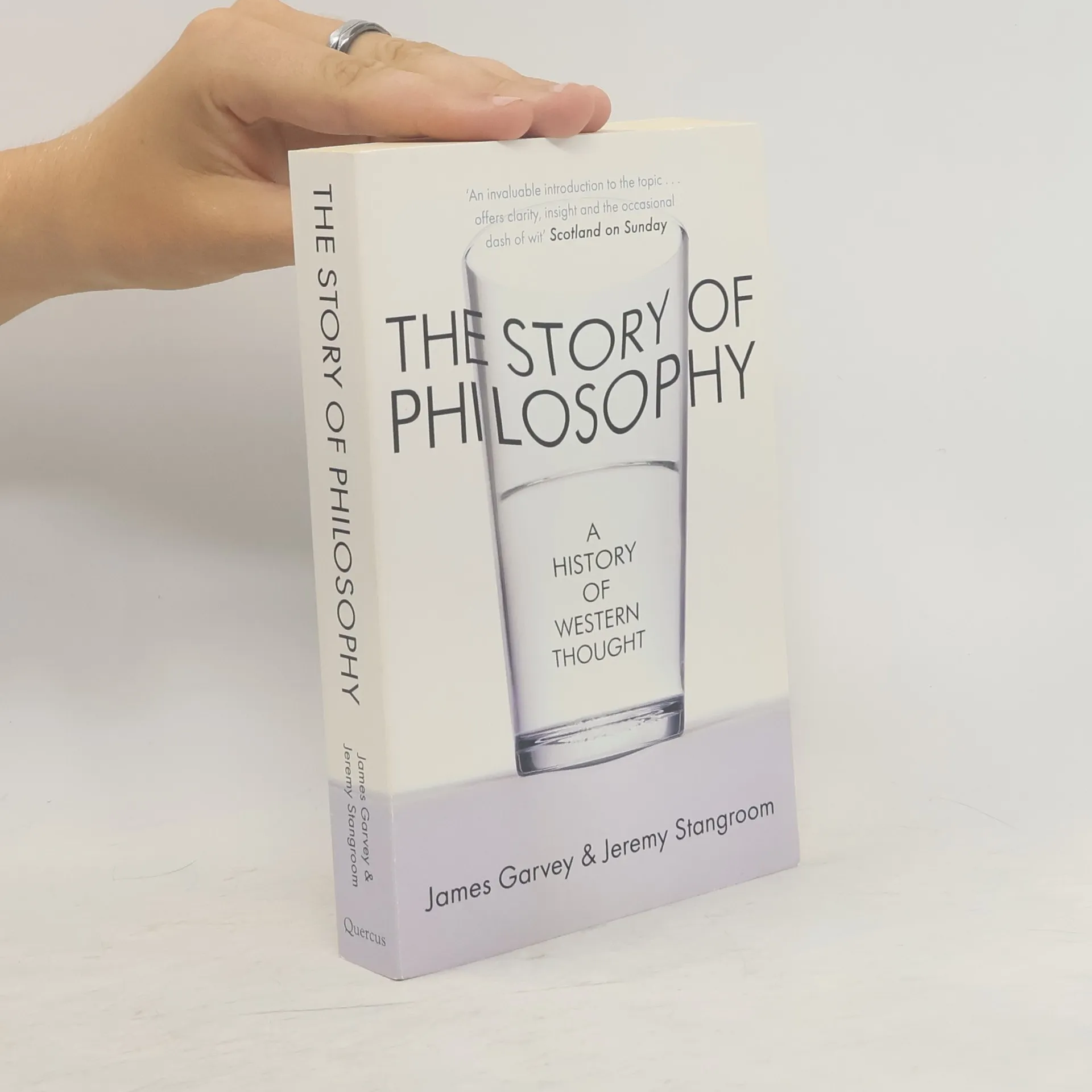
The Story of Philosophy sees philosophy for what it is: a passionate, exhilarating quest for human understanding that cannot be reduced to dry categories or simple definitions. It's a story with plot twists, a murder, accidental discoveries, disastrous love affairs, geniuses, idiots, monks, and vagabonds. At the heart of it all are the ideas and obsessions that have captured great thinkers from the very beginning. Packed with intriguing anecdotes and fascinating detail, James Garvey and Jeremy Stangroom bring us face to face with the most important philosophers in western history. Rigorous, refreshingly free of academic jargon, and highly accessible, this is the ideal introduction for anyone who wants to gain a new perspective on philosophy's biggest thoughts. This paperback book has 419 pages and measures: 19.7 x 12.8 x 2.6cm.
This engaging guide introduces the top twenty essential books in philosophy for those who haven't yet found the time to read them. James Garvey provides an accessible overview of influential works from Plato to Popper, highlighting their significant impact on contemporary society, politics, economics, and culture. The book presents philosophical questions that resonate with general readers and simplifies complex ideas for broader discussion. Ideal for newcomers to philosophy, Garvey explains key themes and terms before delving into each of the twenty works with humor and clarity. No prior knowledge of philosophy is required, as the guide encourages active engagement in philosophical thinking. The featured works include Plato's Republic, Aristotle's Nicomachean Ethics, Descartes's Meditations on First Philosophy, Hobbes's Leviathan, Locke's Essay Concerning Human Understanding, and many others. This essential guide serves as a valuable resource for anyone interested in exploring the fascinating world of philosophy.
Etika klimatické změny vyšla původně sice již v roce 2008, takže by se mohlo zdát, že ve světle nových poznatků musela zastarat. Garveyho kniha však není v první řadě souborem faktů o změně globálního klimatu a vlivu člověka na ni, ale filosofickým dílem, jež pojímá dané téma jako morální problém. To znamená, že některé faktické informace, jež Garvey uvádí, je třeba ve světle nových poznatků aktualizovat, ale filosofický obsah jeho knihy a návrhy na řešení situace jsou nejen stále platné, nýbrž vyznívají nyní naléhavěji než před deseti lety. O existenci klimatické změny a vlivu člověka na ni lze totiž dnes pochybovat ještě méně než tehdy, avšak lidstvo mezitím udělalo pro řešení ekologické krize žalostně málo a vyhlídka na katastrofu nabyla ještě reálnějších obrysů. Vzhledem k tomu, že téma se tak či onak týká nás všech, je rovněž záslužné, že James Garvey napsal svou knihu velmi přístupným stylem.