

Gratis Versand in ganz Deutschland
Bookbot

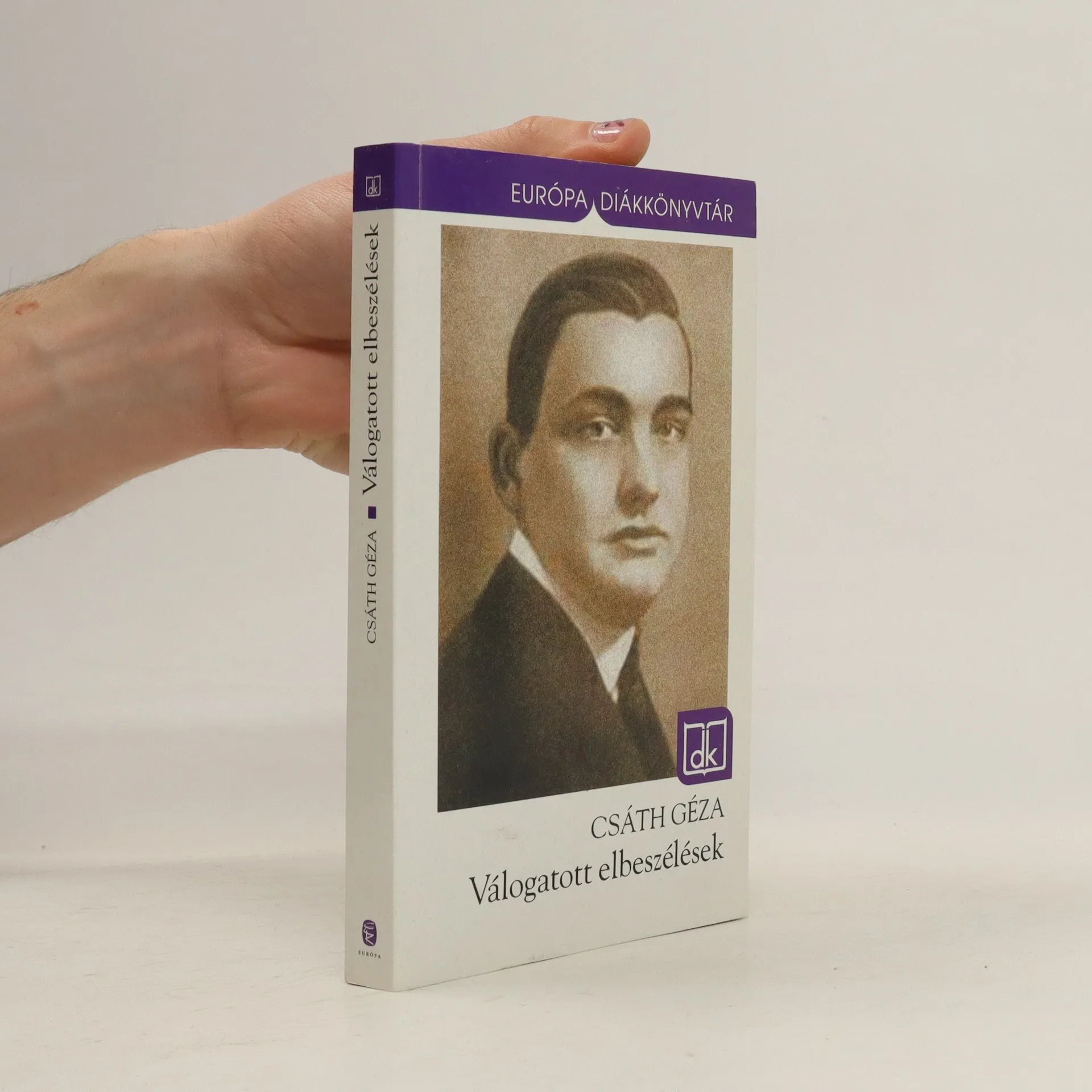
Géza Csáth

    13. Februar 1887 – 11. September 1919

    Géza Csáth erlangte Bekanntheit als ungarischer Schriftsteller, dessen Werk sich durch tiefen psychologischen Einblick und einen einzigartigen Stil auszeichnet. Beeinflusst von seiner Karriere in der Psychiatrie, befasst sich sein Schreiben mit den dunkleren Aspekten der menschlichen Psyche mit schonungsloser Ehrlichkeit. Csáths Prosa ist eindringlich und kraftvoll, oft in traumhaften und beunruhigenden Landschaften angesiedelt. Seine Bedeutung liegt in seiner Fähigkeit, die Komplexität der menschlichen Erfahrung einzufangen und die verborgenen Motivationen seiner Charaktere aufzudecken.

    Géza Csáth
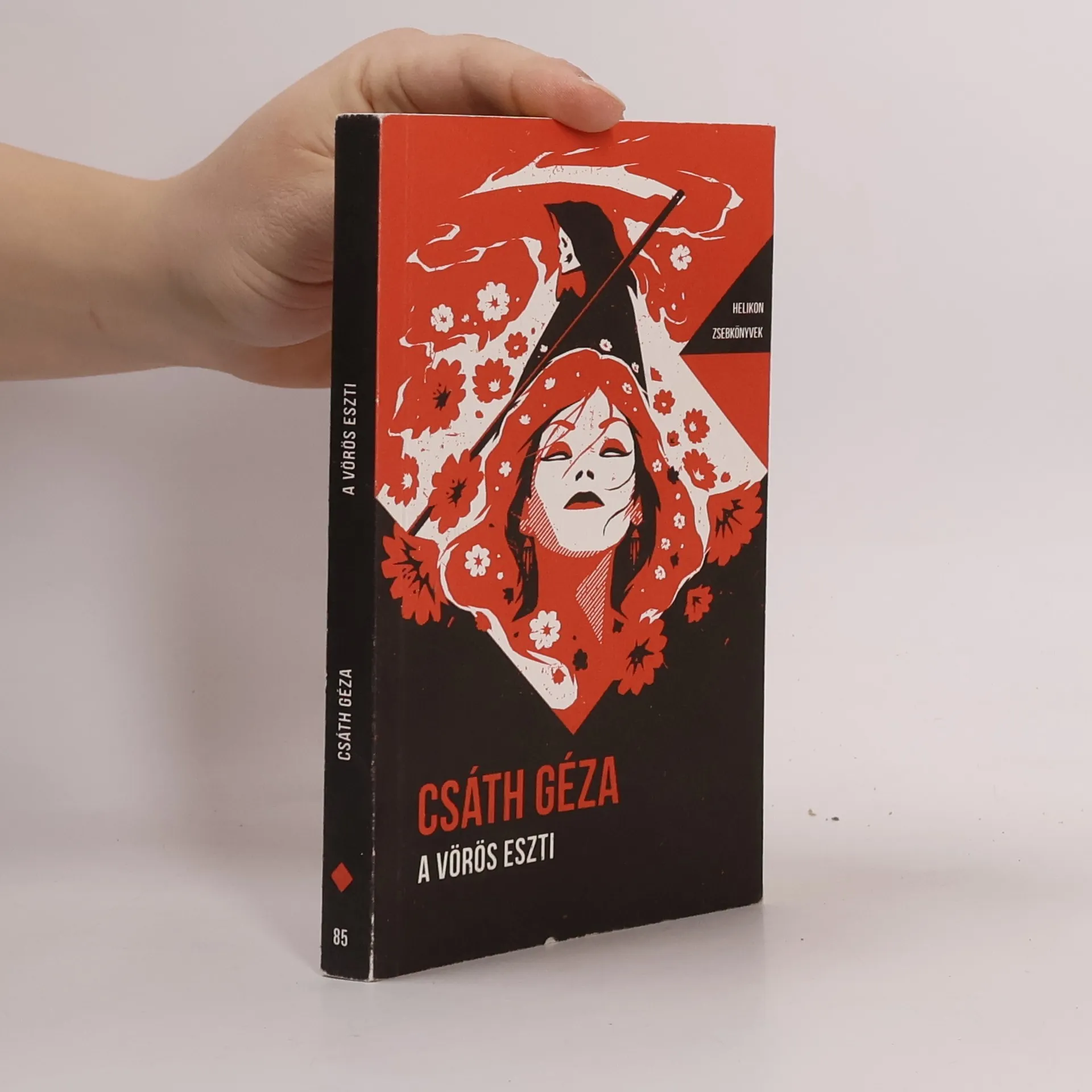
    A vörös eszti
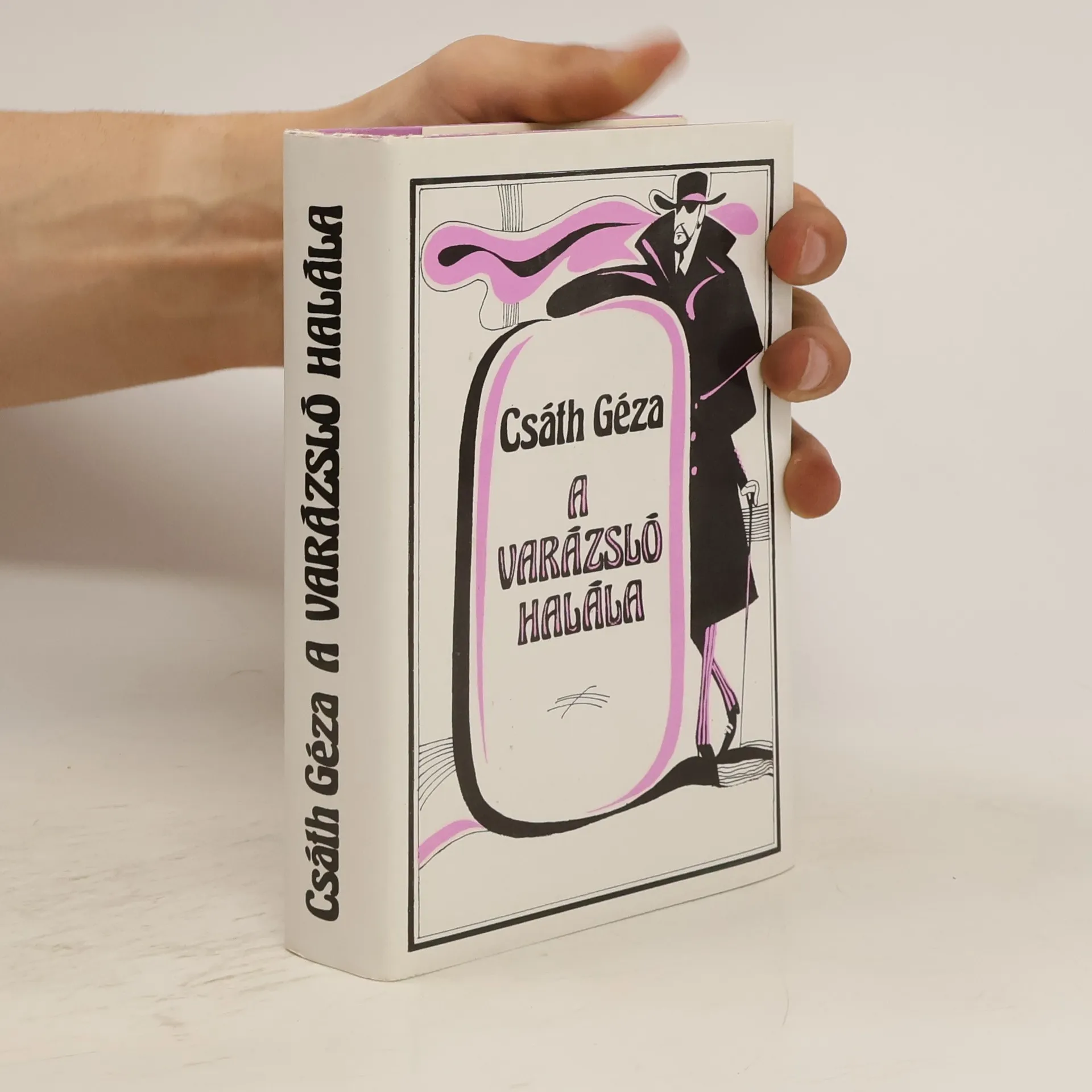
    A varázsló halála
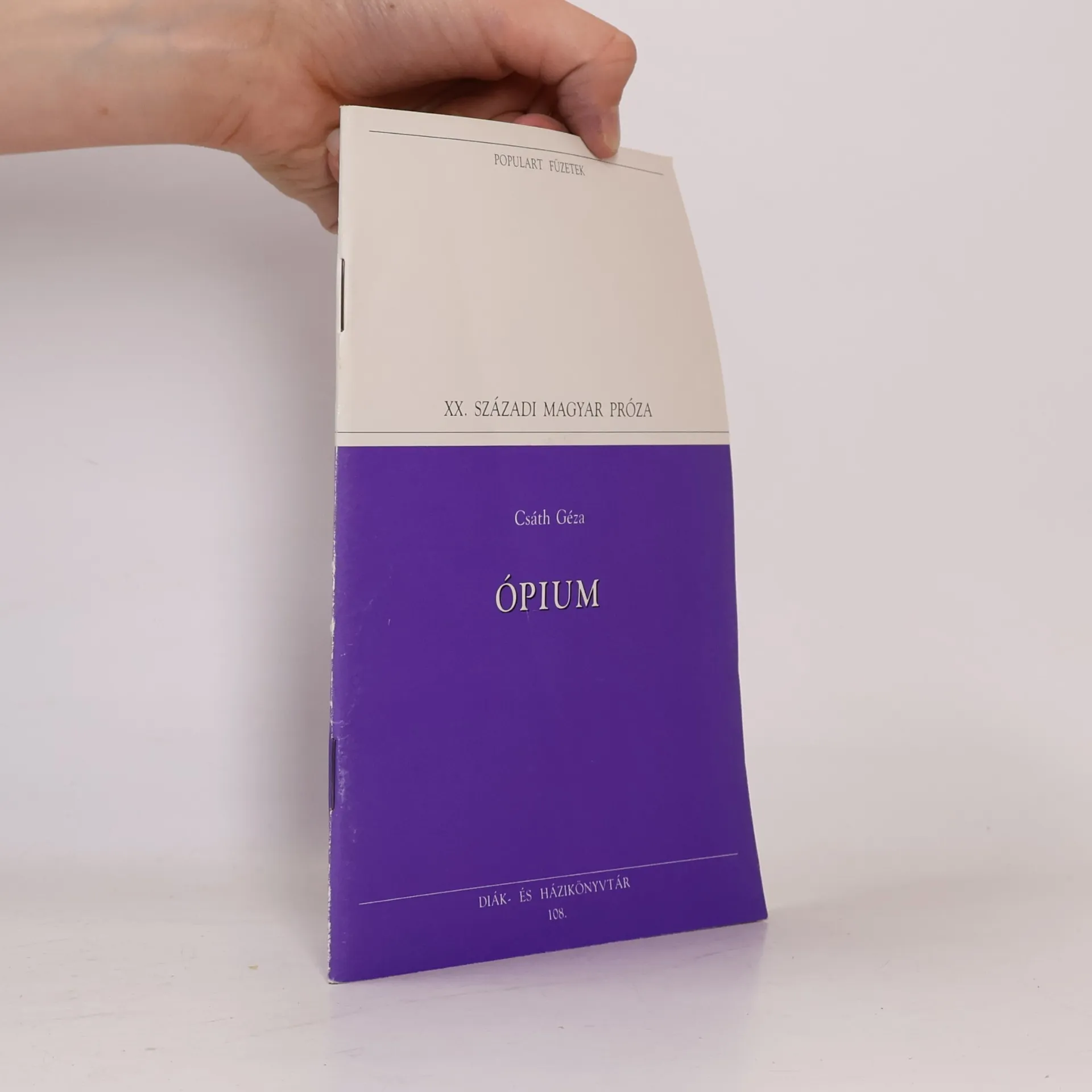
    Opium
    The MagicianS Garden and Other Stories
    Muttermord. Novellen
    Tagebuch
    • 2022

      Egy elmebeteg nő naplója

      • 196 Seiten
      • 7 Lesestunden

      A 20. század elejének különc írófigurája Csáth Géza, akinek munkásságára jószerivel halála után figyeltek fel. Az író, orvos és zenekritikus Csáth Kosztolányi és Bródy hatására kezdett el komolyabban foglalkozni az írással, rövidre szabott élete alatt mindössze öt kötete jelent meg. Idegorvosi munkásságának lenyomata az Egy elmebeteg nő naplója, mely tagoltsága és tanulmány jellege ellenére összefüggő műként olvasható. Főszereplője egy paranoiában szenvedő hölgy, bizonyos A. G. kisasszony, aki az elme- és idegkórtani klinikára való felvétele előtt már évek hosszú sora óta részesült idegorvosi kezelésben. Zseniális adottságait a zseniális adottságú orvosa fedezte fel maga Csáth Géza. A mű a pszichiátria és a pszichoanalízis módszereinek tárháza is egyben, de tudománytörténeti jelentőségénél, a kórrajz közreadásánál mélyebb és erősebb szépirodalmi jellege a benne közölt napló és levelek miatt.
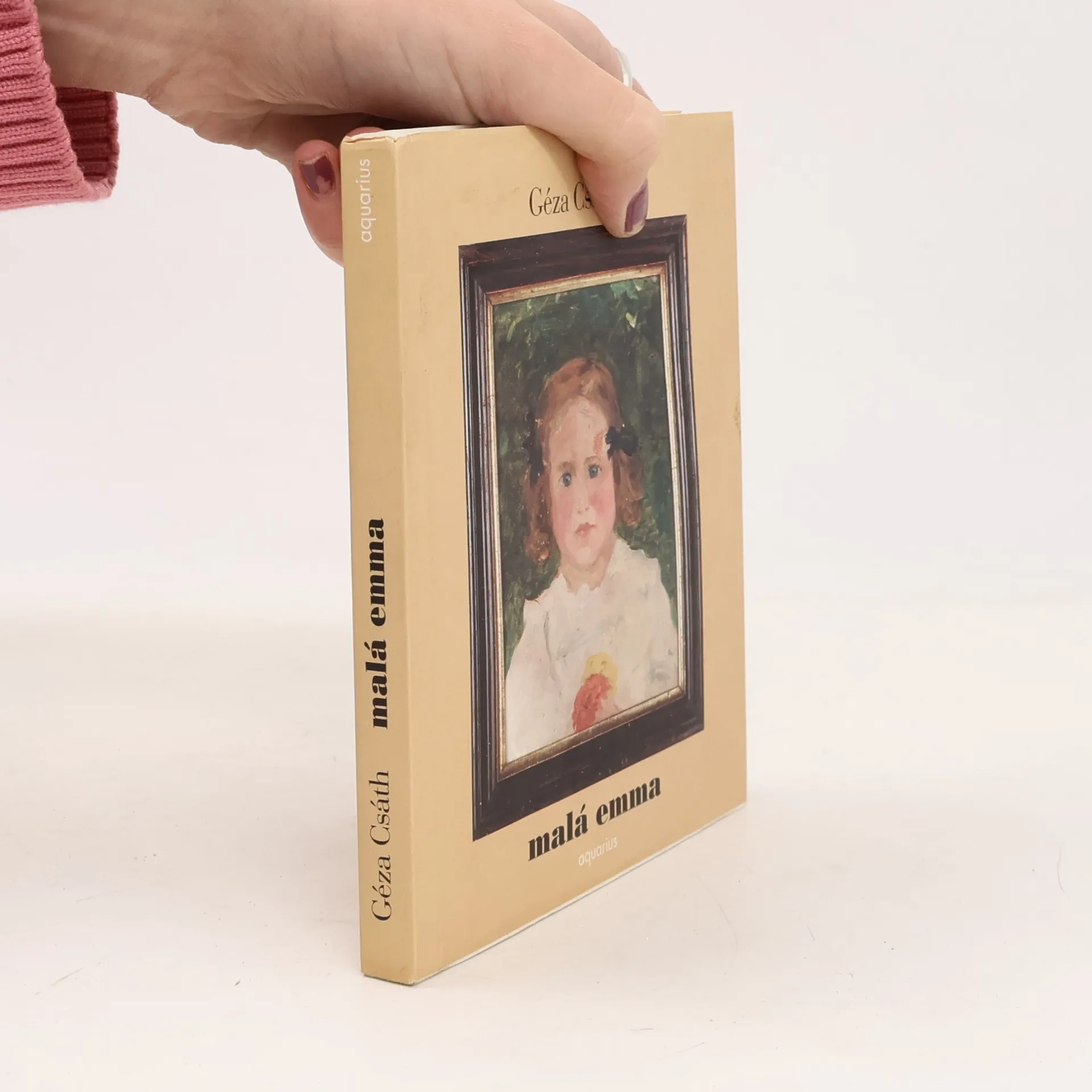
      Egy elmebeteg nő naplója
    • 2002

      Opium

      Selected Stories

      • 134 Seiten
      • 5 Lesestunden

      "Csáth hovers dangerously over the fine line separating love from hate, sex from violence, sanity from insanity, all the while weaving a web of tales that have made him a master of early 20th century Hungarian prose." (Tales written between 1905 - 1914)

      Opium
    • 1990
    • 1987
    • 1987

      Csáth's short stories present an extraordinary blend of sentimentality, sadism, and sexual repression, reminiscent of contemporary fiction from the United States and the United Kingdom, where collective dreams have faltered under harsh realities. During Csáth's era, Sigmund Freud was developing his theories on the unconscious in Vienna, which influenced the uneasy atmosphere of Csáth's homeland, Hungary. Reading Csáth, a specialist in 'nervous disorders' and an opium addict, evokes Freud's insights into the subtext of human experience. His stories are as discomforting as bad dreams, sometimes adorned with art-nouveau elements like lilies and lotuses, while at other times narrated in the detached tone of clinical case studies. As a doctor, Csáth had access to narcotics, and his profession, often steeped in human suffering, implicitly encouraged their use. This collection offers a haunting portrayal of the disintegration of Central Europe, reflecting the broader collapse of the individual, and is noted for its uncanny prophetic quality. Originally published as The Magician's Garden and Other Stories, this volume remains a memorable exploration of complex themes.

      The MagicianS Garden and Other Stories