



Notes on the Story of Sinuhe
- 206 Seiten
- 8 Lesestunden
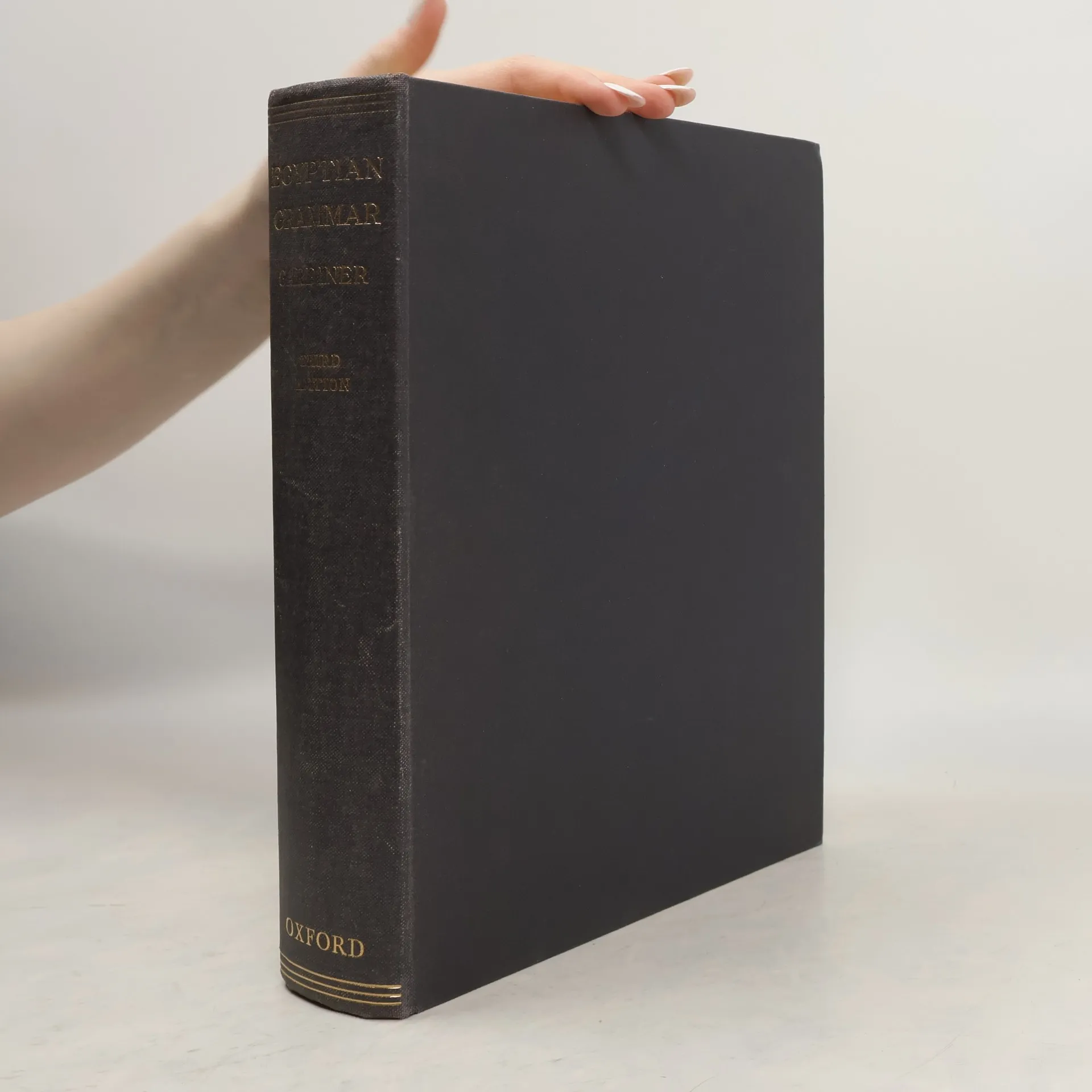
The Tale of Sinuhe is a work of Ancient Egyptian literature. It is a narrative set in the aftermath of the death of Pharaoh Amenemhat I, founder of the 12th dynasty of Egypt, in the early 20th century BC. It is likely that it was composed only shortly after this date, albeit the earliest extant manuscript is from the reign of Amenemhat III, c. 1800 BC. There is an ongoing debate among Egyptologists as to whether or not the tale is based on actual events involving an individual named Sinuhe, with the recent consensus being that it is most likely a work of fiction. The tale is often considered the supreme achievement of Ancient Egyptian literature. It combines into a single, economically expressed narrative an extraordinary range of literary styles, and is also notable for its nuanced examination of the motivations of its central protagonist. The poem continually examines the reasons for Sinuhe's flight and his possible culpability for it, without reaching a conclusion. By placing an Egyptian character in a non-Egyptian (i.e. Asiatic) society, the poem also explores the nature of what it is to be an Egyptian, subtly questioning, without ultimately undermining the Egyptian assumption that life outside Egypt is meaningless. Gardiner’s 1916 is still an important text on the subject Tall Octavo.English Book 193 p. plates. Paris, Librairie Honoré Champion, 1916 $75