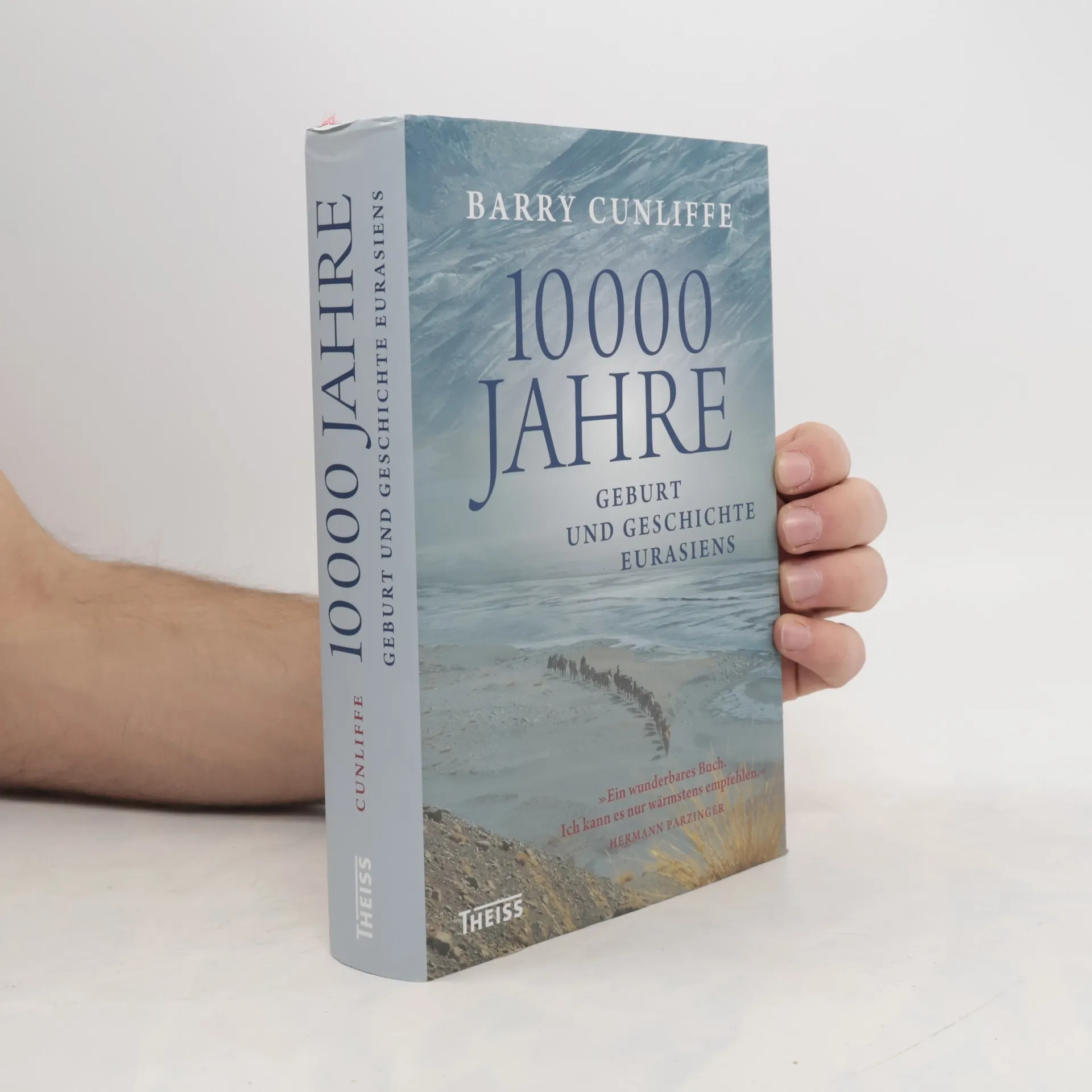
Sir Barry Cunliffe erzählt meisterhaft die Geschichte vom Beginn der globalisierten Welt. Dabei wagt er sich räumlich wie zeitlich auf die große Bühne: Im Fokus steht die größte Landmasse unserer Erde Eurasien und seine Entwicklung von den ersten sesshaften Menschen 9000 v.Chr. bis zum mongolischen Reich im 13 Jh. n.Chr. Dabei kartiert der Autor die Entwicklung der europäischen, vorderasiatischen und chinesischen Zivilisationen und deren wachsende Verbindungen über den Indischen Ozean, die Seidenstraße und durch die eurasische Steppe. Es ist aber nicht nur die Geschichte, wie sich Eurasien und die Menschen entwickelten, sondern auch wie Reiche entstanden und zerfielen, von der Ausweitung von (Handels-)Beziehungen und dem Verhältnis zwischen festen Bauern und mobilen Kämpfern, sowie deren Umwelt. Barry Cunliffe zeigt ein großes Panorama unserer Wurzeln und unseres Kontinents und legt damit ein Grundverständnis für unsere heutige Welt.
Barry Cunliffe Bücher


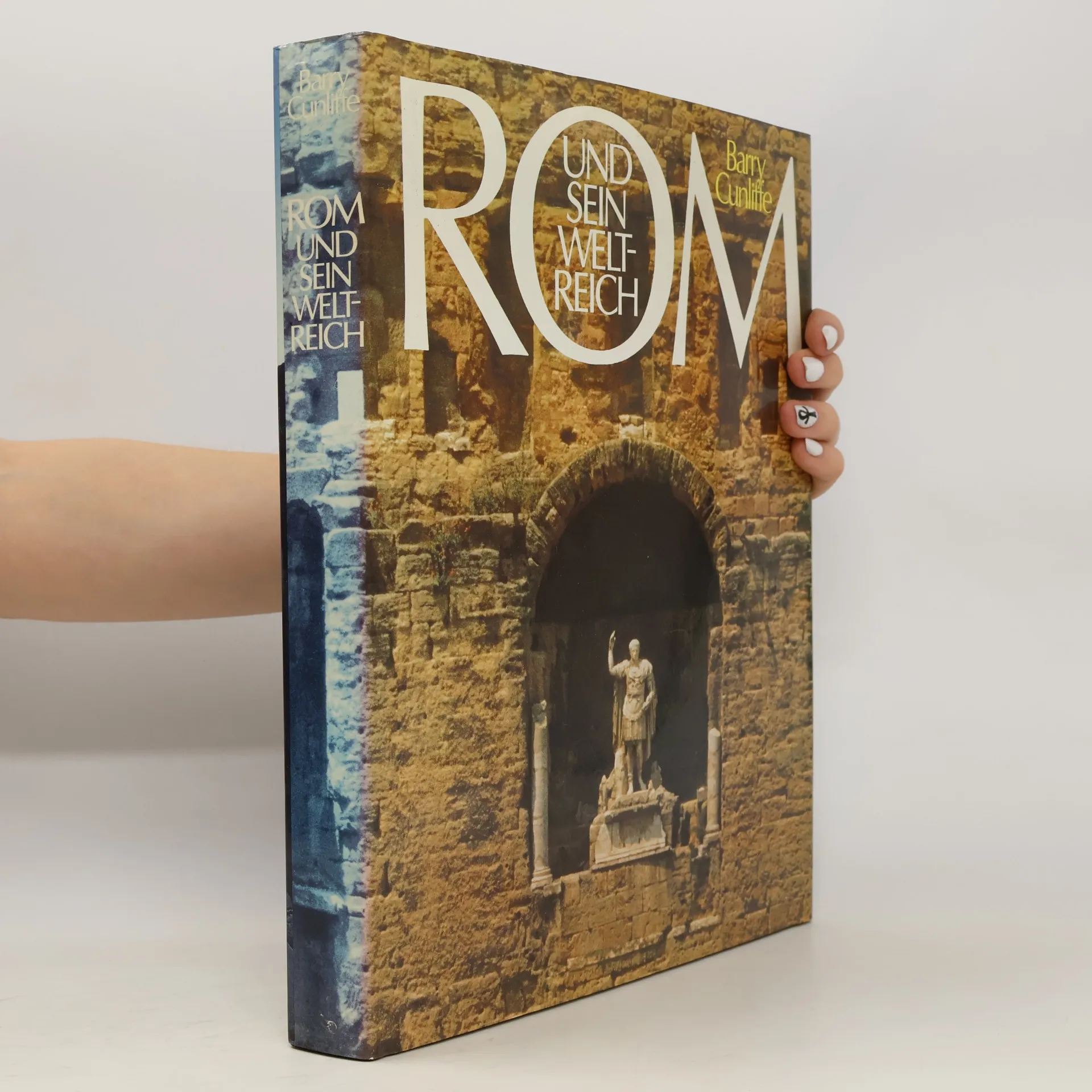
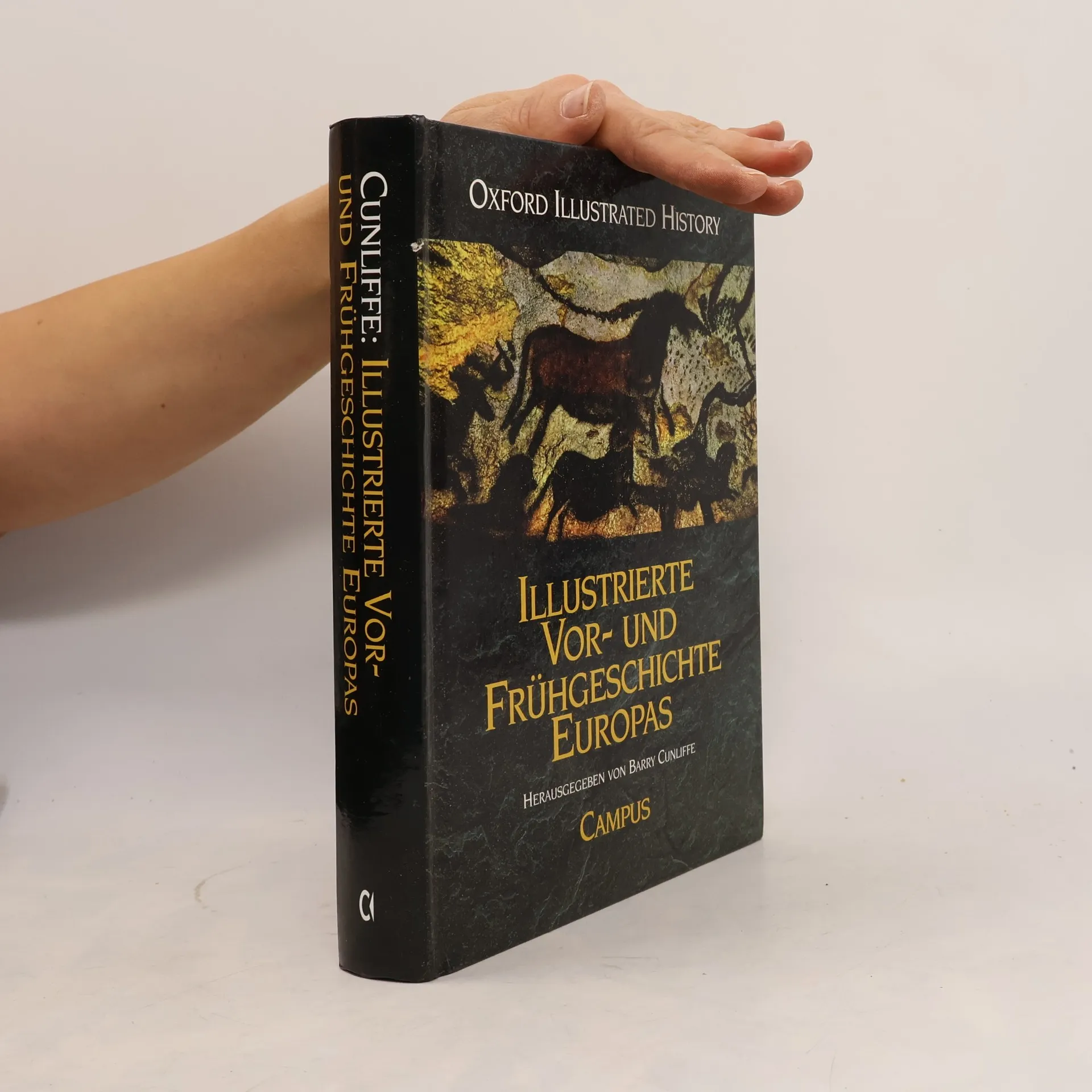
Illustrierte Vor- und Frühgeschichte Europas
- 590 Seiten
- 21 Lesestunden
824 Abb., davon 129 farb., 93 Zeichn., 42 Ktn, 44 Pläne
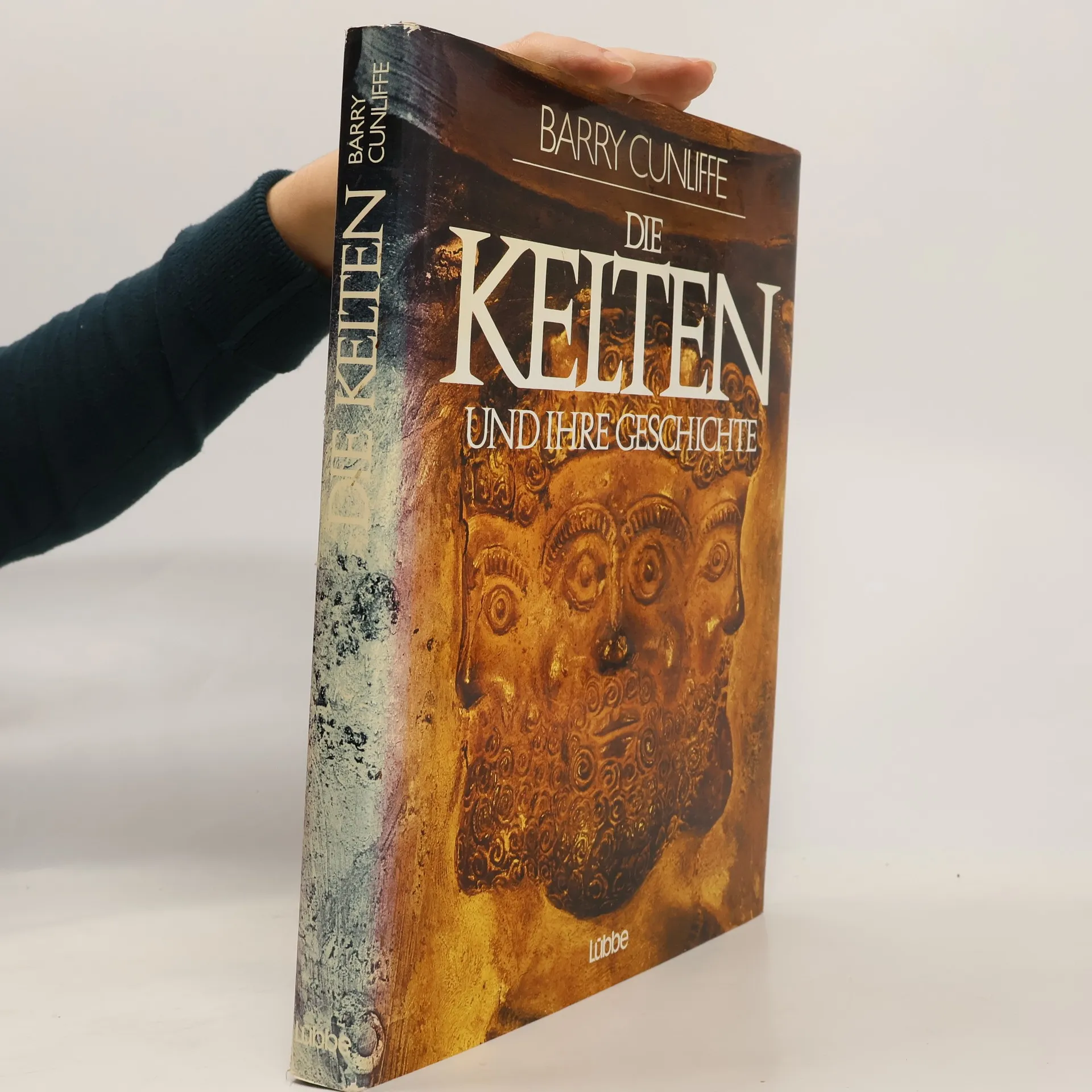
Die Kelten und Ihre Geschichte
- 224 Seiten
- 8 Lesestunden
Untersucht die Geheimnisse der Kelten, beleuchtet ihre legendäre Wildheit im Kampf und die Beiträge der Handwerker und Händler, die die ersten Städte im barbarischen Europa gründeten.
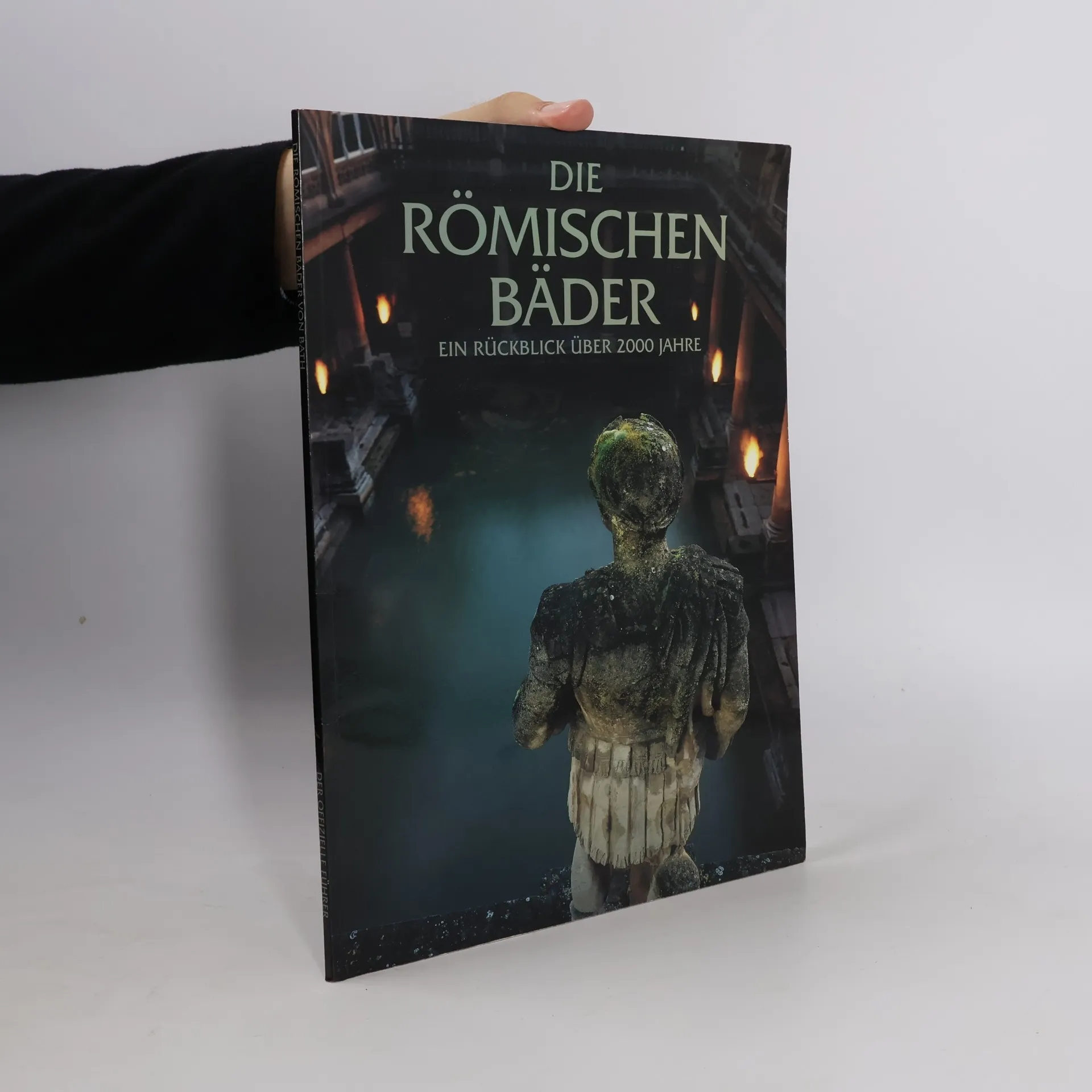
Die Römischen Bäder
Ein Rückblick über 2000 Jahre
A long history of the Bretons, from prehistoric times to the present, and the very close relationship they have had with their British neighbours. It is a story of a fiercely independent people and their struggle to maintain their distinctive identity.
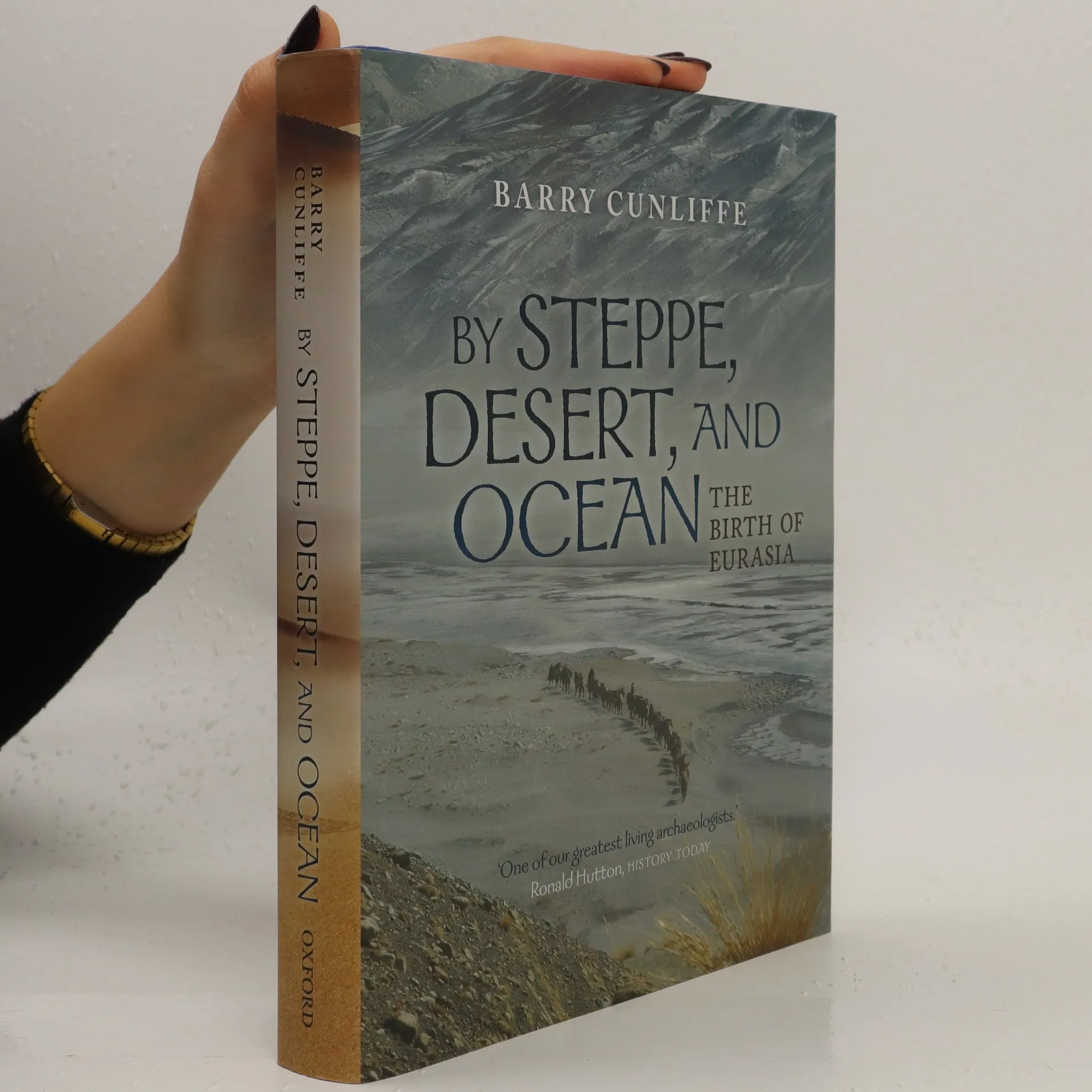
By steppe, desert, and ocean : the birth of Eurasia
- 530 Seiten
- 19 Lesestunden
By Steppe, Desert, and Ocean is nothing less than the story of how humans first started building the globalized world we know today. Set on a huge continental stage, from Europe to China, it is a tale covering over 10,000 years, from the origins of farming around 9000 BC to the expansion ofthe Mongols in the thirteenth century AD.An unashamedly "big history", it charts the development of European, Near Eastern, and Chinese civilizations and the growing links between them by way of the Indian Ocean, the silk Roads, and the great steppe corridor (which crucially allowed horse riders to travel from Mongolia to the GreatHungarian Plain within a year). Along the way, it is also the story of the rise and fall of empires, the development of maritime trade, and the shattering impact of predatory nomads on their urban neighbours.Above all, as this immense historical panorama unfolds, we begin to see in clearer focus those basic underlying factors--the acquisitive nature of humanity, the differing environments in which people live, and the dislocating effect of even slight climatic variation--which have driven changethroughout the ages, and which help us better understand our world today.
The world history from geographical view starting from 4,000,000MYA until 2005
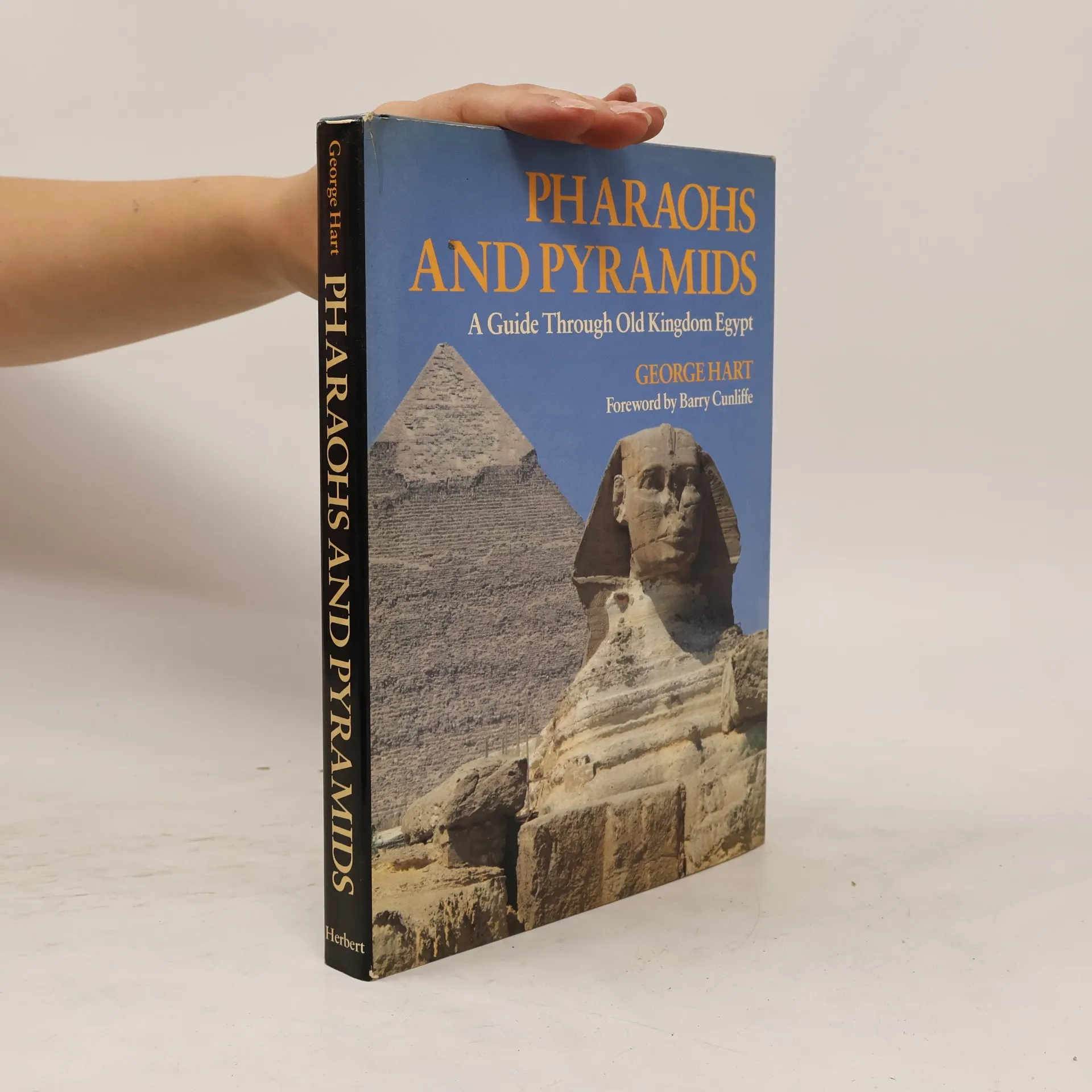
The Egyptian pyramids were considered one of the Seven Wonders of the Ancient World and today, some 4500 years later, they still inspire awe and admiration. But the first time visitor to Egypt may be surprised at the number of pyramids at Meidum, Dahsur, Saggara, Abusir and Giza, which have earned the Old Kingdom the epithet, "The Pyramid Age". Most of these monuments were constructed in the vicinity of the ancient capital city of Memphis, making nearly all the sites accessible to tourists on day trips from Cairo. Hart guides the reader through the principal pyramids, mastabas and other surviving monuments to show how and why that civilization (contemporary with the first stage of Stonehenge) produced these remarkable buildings, and what they reveal of the life of the ancient Egyptians. Containing information on the latest archeological discoveries, this is a chronological guide and a handbook to some of the most astonishing constructions ever built by man.
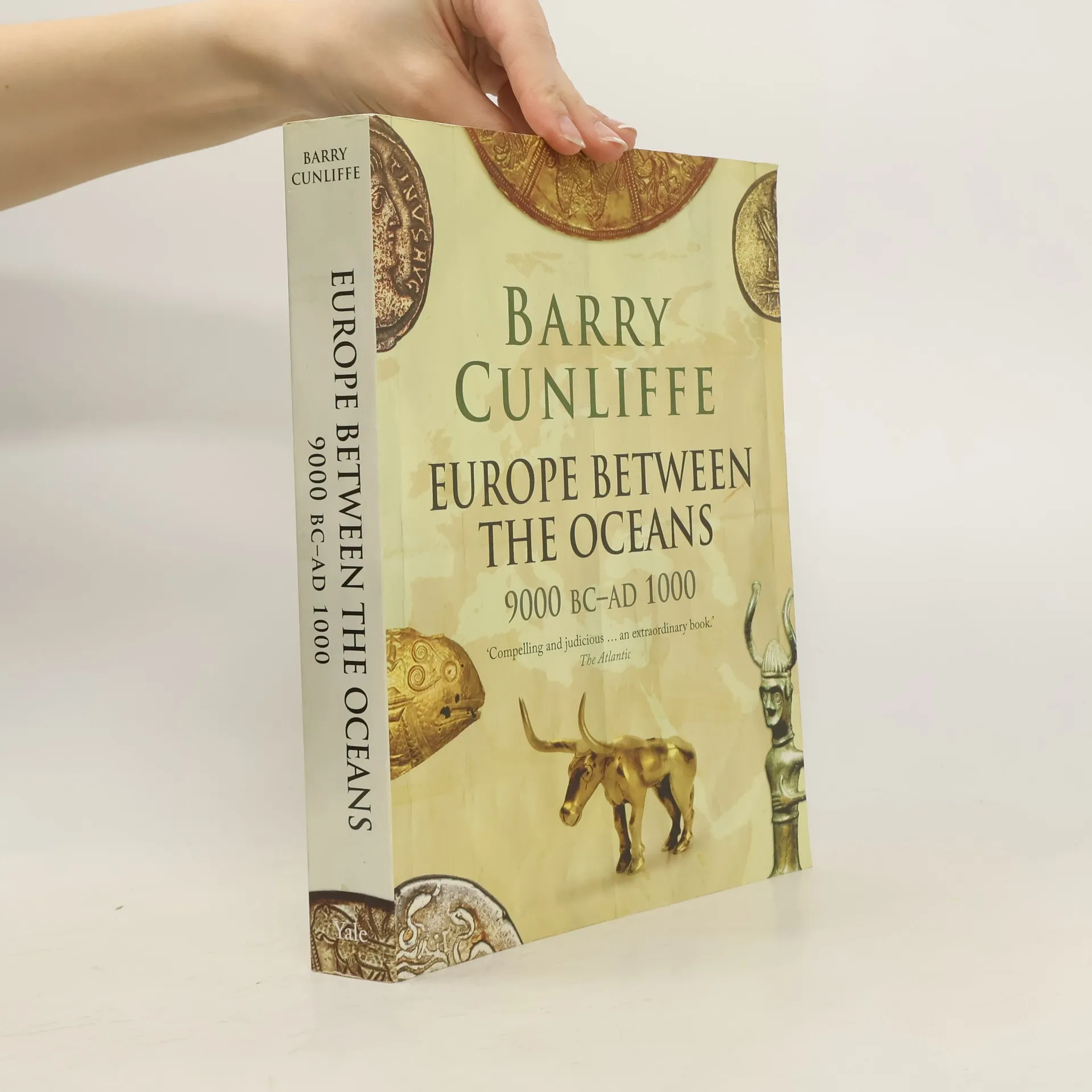
Europe Between the Oceans 9000 BC - AD 1000
- 518 Seiten
- 19 Lesestunden
By the fifteenth century Europe was a driving world force, but the origins of its success have until now remained obscured in prehistory. In this book, distinguished archaeologist Barry Cunliffe views Europe not in terms of states and shifting political land boundaries but as a geographical niche particularly favored in facing many seas. These seas, and Europe's great transpeninsular rivers, ensured a rich diversity of natural resources while also encouraging the dynamic interaction of peoples across networks of communication and exchange. The development of these early Europeans is rooted in complex interplays, shifting balances, and geographic and demographic fluidity.
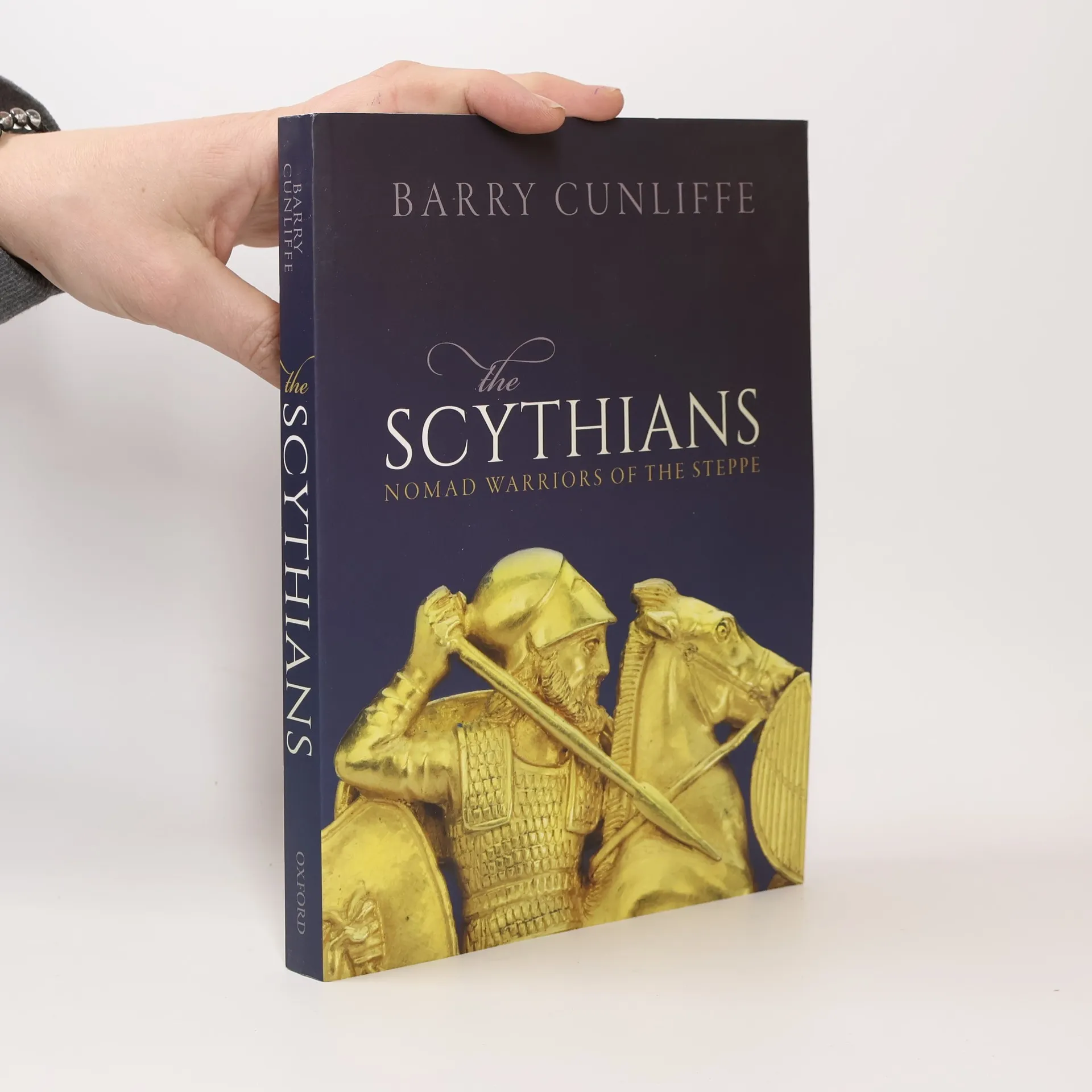
The Scythians
- 416 Seiten
- 15 Lesestunden
The Scythians were warlike nomadic horsemen who roamed the steppe of Asia in the first millennium BC. Using archaeological finds from burials and texts written, mainly, by Greeks, this book reconstructs the lives of the Scythians, exploring their beliefs, their burial practices, their love of fighting and their flexible attitude to gender.
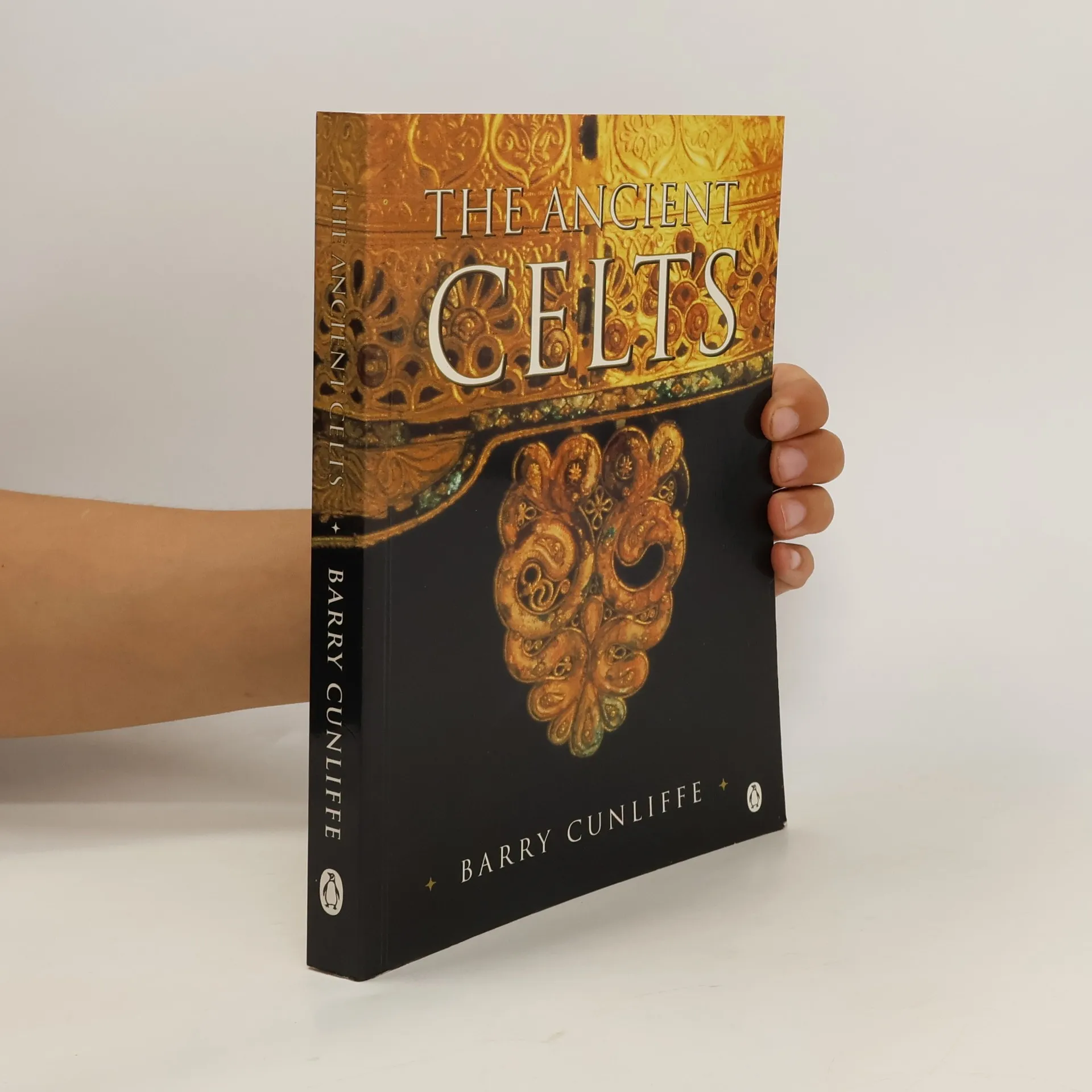
The Ancient Celts
- 324 Seiten
- 12 Lesestunden
More than two hundred illustrationsincluding twentyfour color platesand thirty maps complement an authoritative account that draws on recent archaeological findings to trace the development of Celtic civilization and its influence on Europe past and present. Reprint.
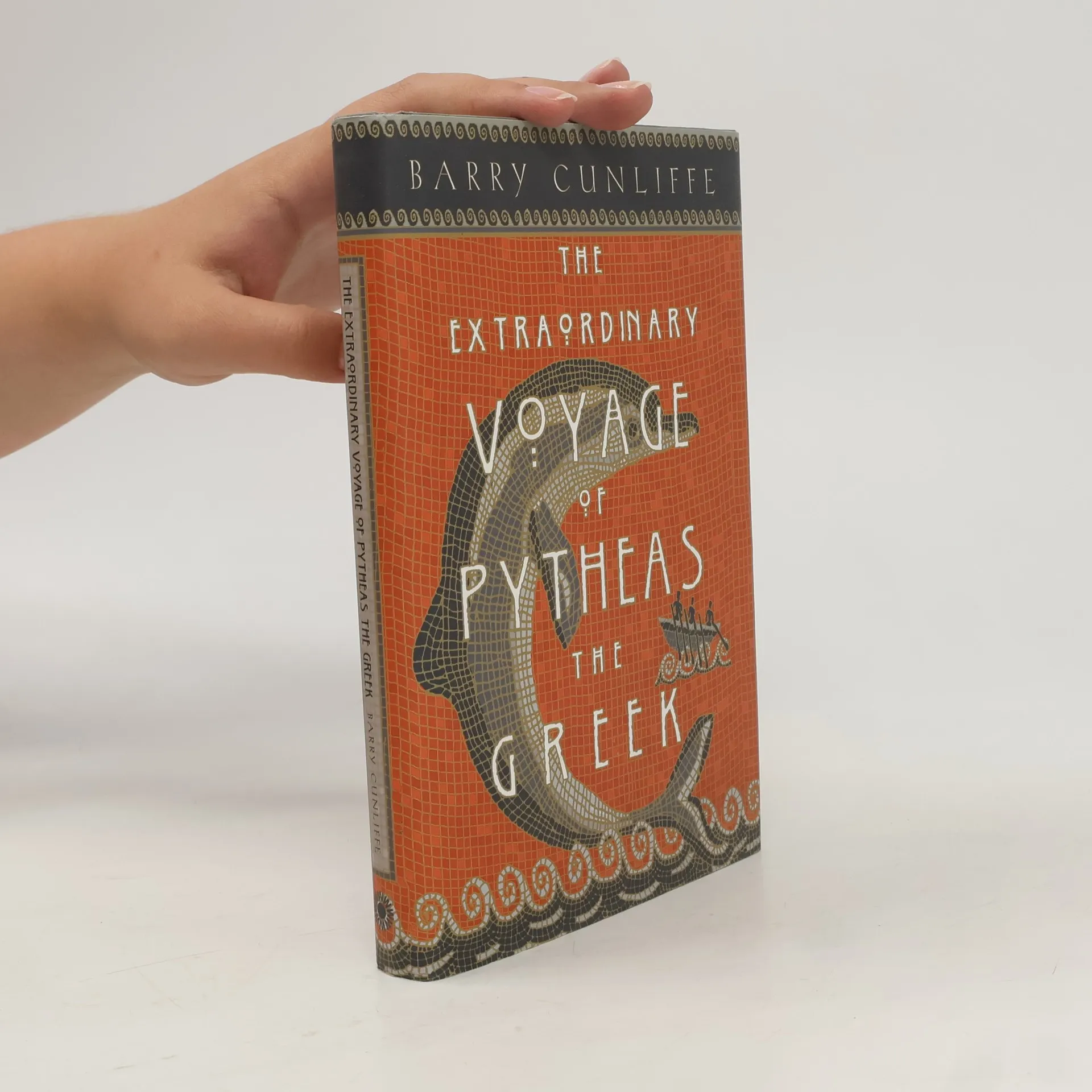
The Extraordinary Voyage of Pytheas the Greek
- 195 Seiten
- 7 Lesestunden
Around 330 B.C., Pytheas embarked from the Greek colony of Massalia (now Marseille) to explore the mysterious, largely uncharted northern Europe, believed by Greek science to be too cold for human life yet known to be a source of valuable commodities like tin, amber, and gold. As the first literate man to visit the British Isles and the coasts of France and Denmark, he may have even reached Iceland and the ice-pack's edge—an extraordinary feat for his time. Although Pytheas's own account, On the Ocean, published around 320 B.C., has not survived, references to his journey in the works of historians like Herodotus and Strabo highlight his pioneering spirit, as Britain remained unexplored until Julius Caesar's arrival nearly 300 years later. Archaeologist Barry Cunliffe, an expert on Pytheas's world, has meticulously sifted through archaeological and historical records to reconstruct this remarkable journey. He provides a concise history of early Mediterranean civilization while illuminating Pytheas’s experiences, including his route to Brittany and England, encounters with tin-mining and ancient cultures, the challenges of sailing in a skin boat, and the significance of amber trade routes. Cunliffe’s narrative captures a vital chapter in the history of civilization.
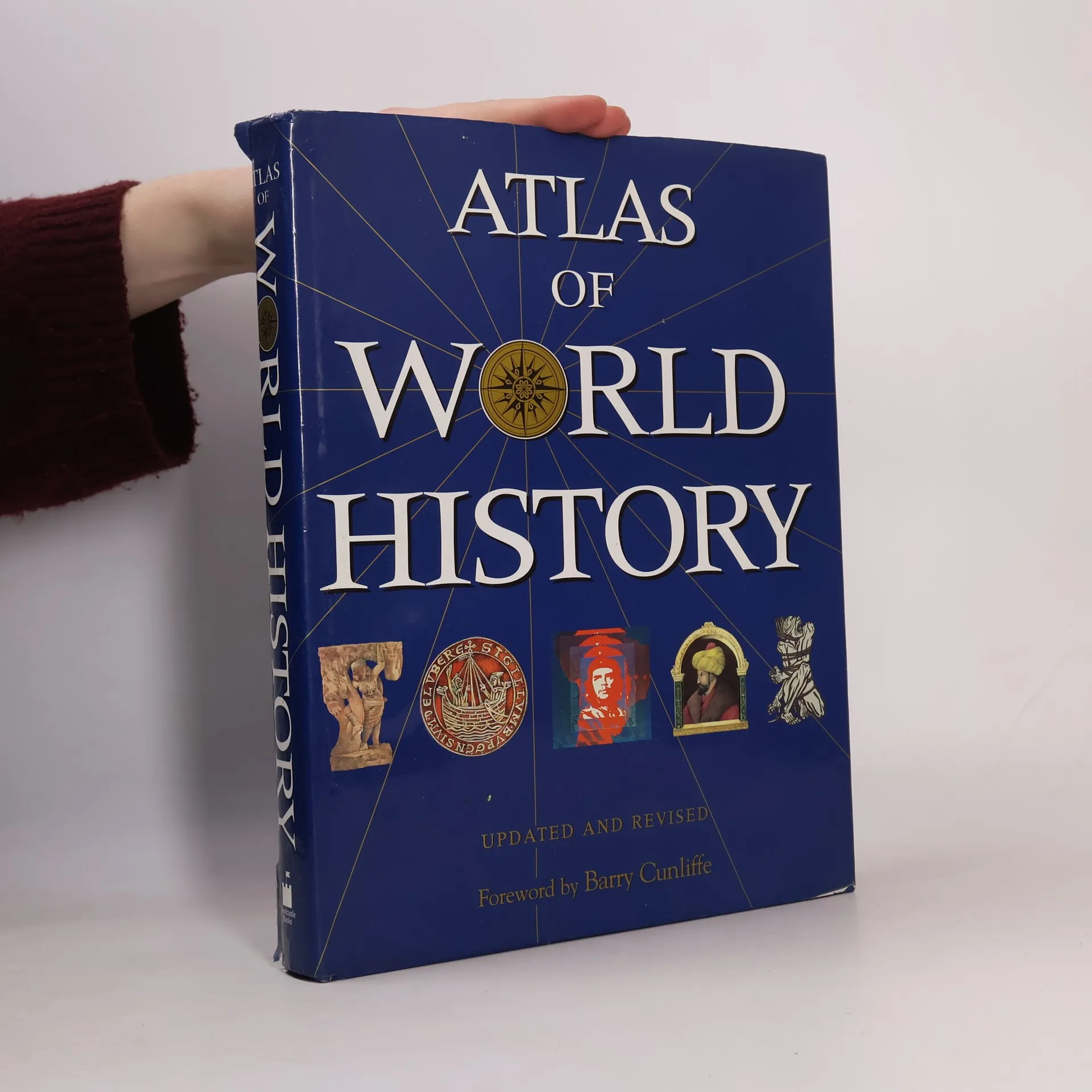
The Cassell Atlas of World History
- 384 Seiten
- 14 Lesestunden
This is a panoramic view of world history from the time the first humans appeared to the present day. Each section is introduced by a series of maps which give a bird's eye view of the state of the world at significant moments in each era. These snapshot surveys are then followed by area maps which give regional detail, depicting the growth of empires, military campaigns, and the spread of settlements, towns, agriculture and technology. Cultural and religious developments are also shown. To complete the picture, each map carries with it a wealth of annotation and is supported by essays and timelines.
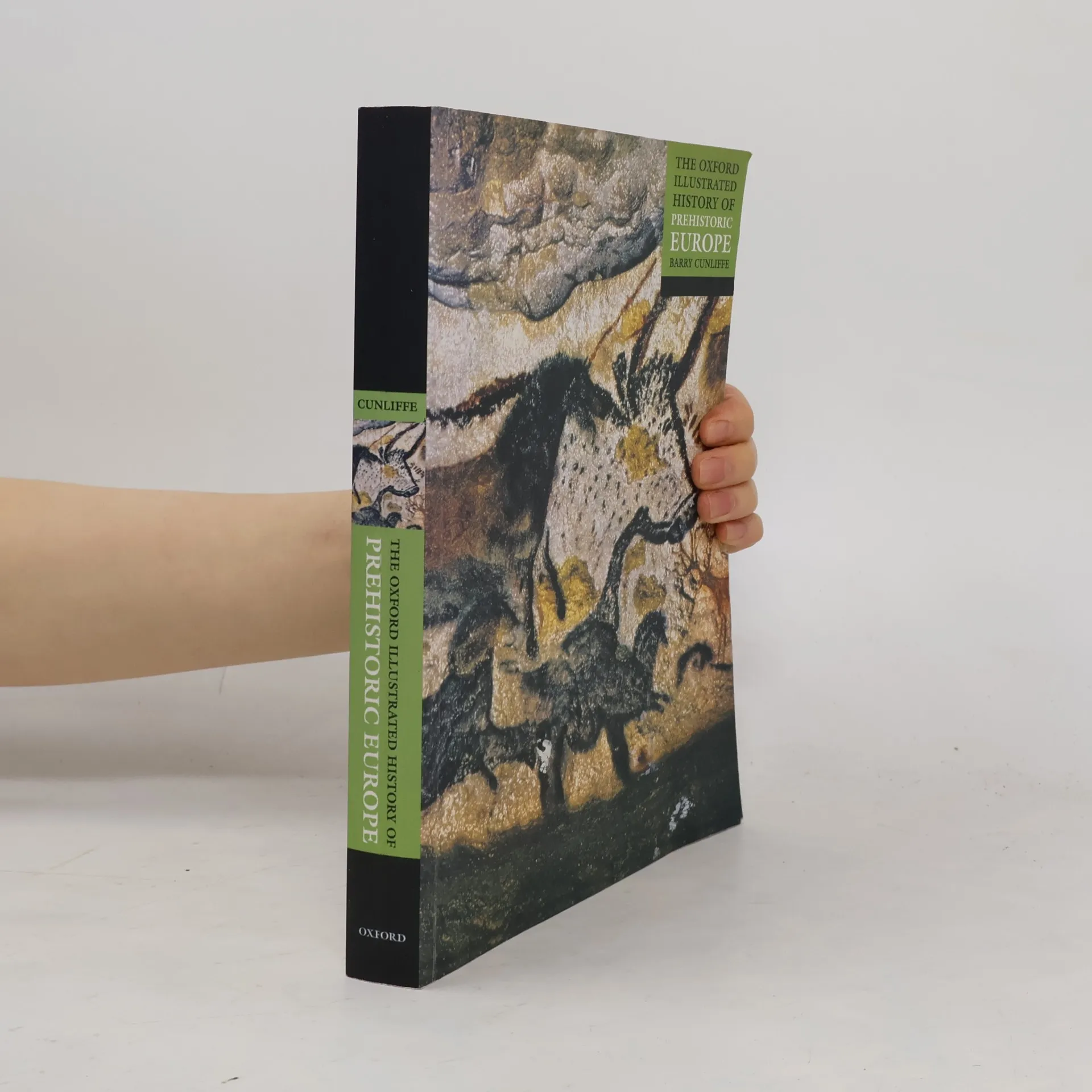
Oxford Illustrated Histories: The Oxford Illustrated History of Prehistoric Europe
- 532 Seiten
- 19 Lesestunden
This is a comprehensive study of the early history, art and archaeology of Europe, ranging from the coming of Stone Age Man to the fall of the Roman Empire. Containing over 300 plates, maps and drawings, this book is unique in its approach to the history of civilization as a response to the changing European landscape and environment. schovat popis
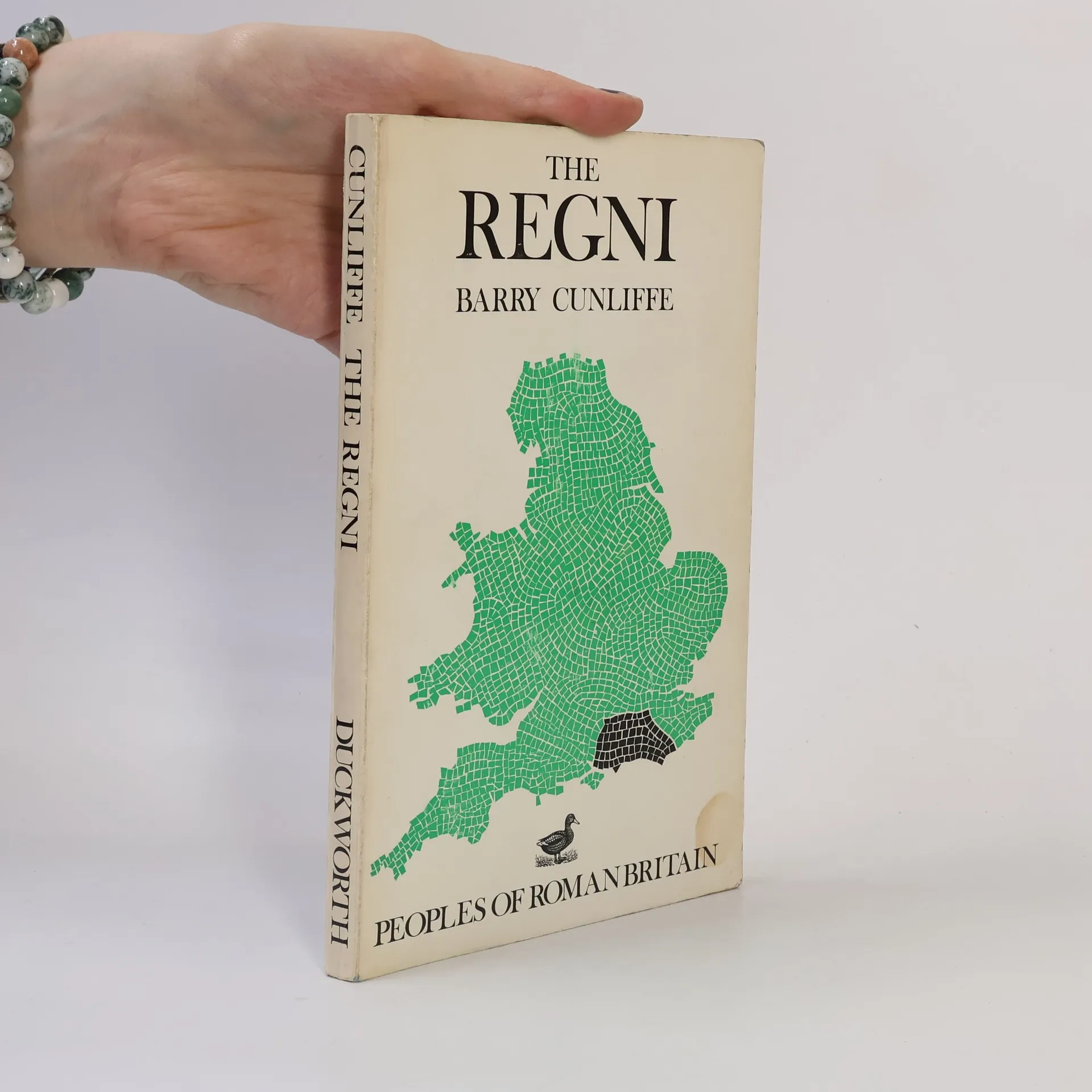
Peoples of Roman Britain: The Regni
- 153 Seiten
- 6 Lesestunden
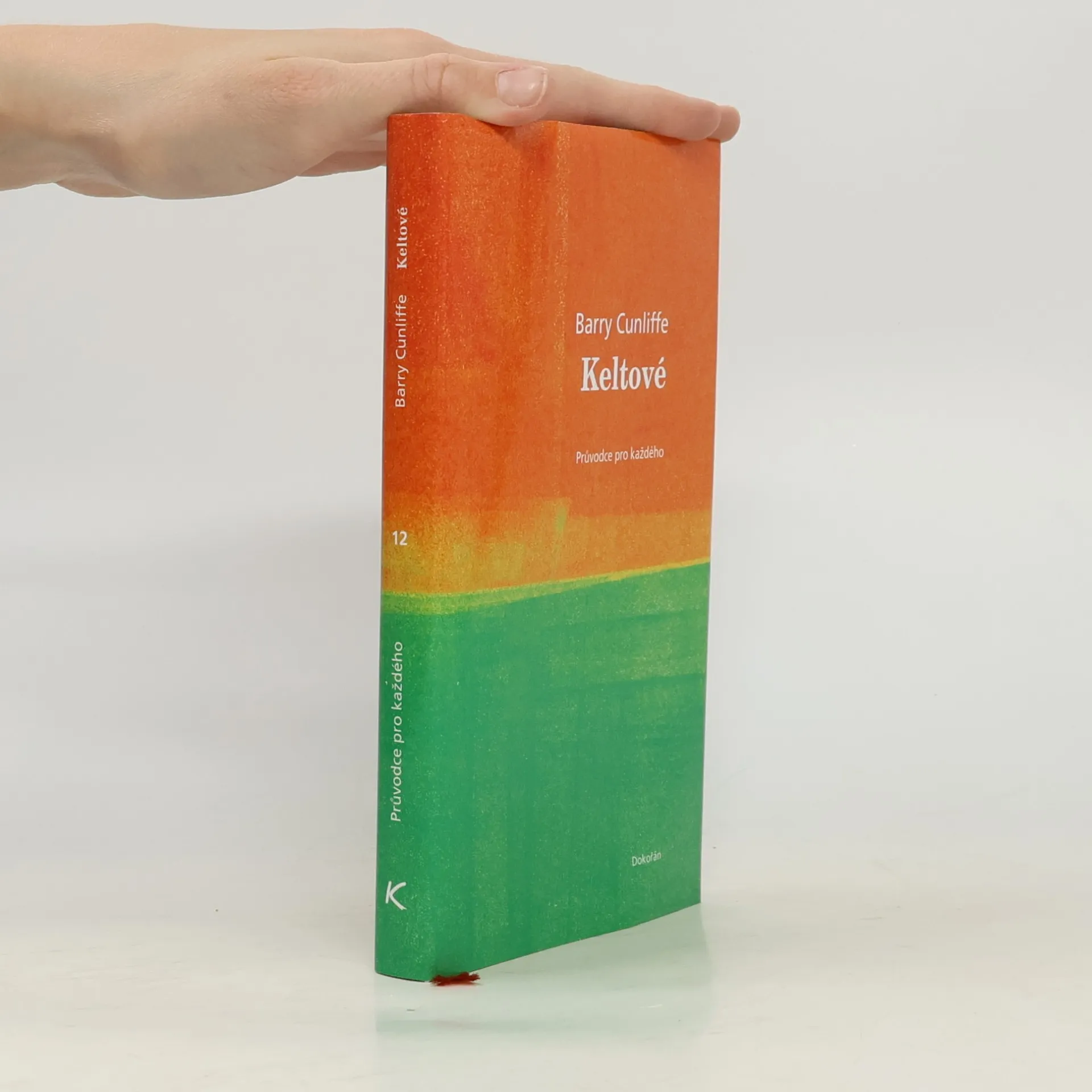
Keltové : průvodce pro každého
- 214 Seiten
- 8 Lesestunden
Kniha o počátcích křesťanství u Keltů v raném období středověku a o jeho vývoji na keltských územích.
Druïden
- 183 Seiten
- 7 Lesestunden
Overzicht van de geschiedenis van de druïden in Atlantisch Europa door de eeuwen heen, onderbouwd met archeologische bijzonderheden.