

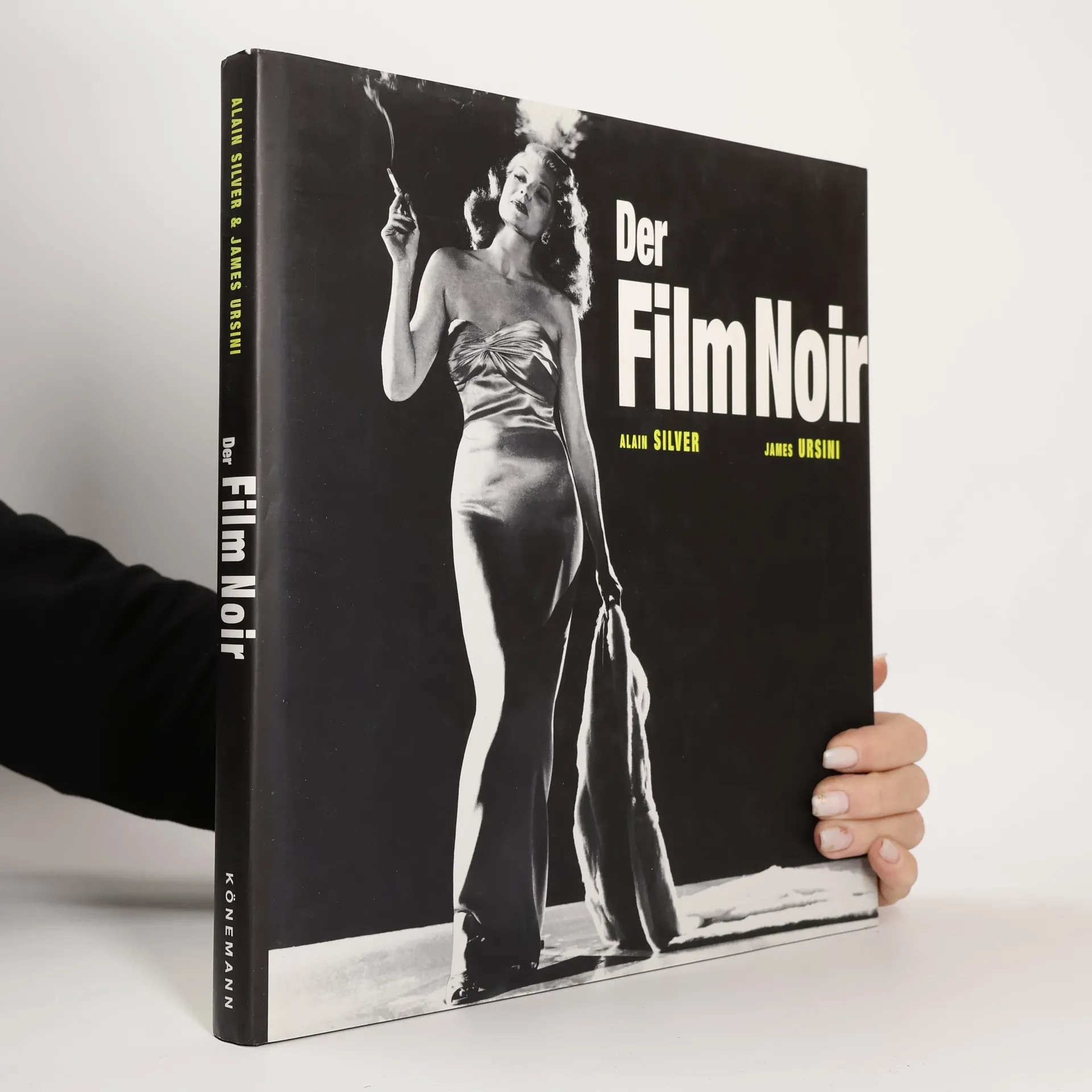
Mit „Film Noir“ bezeichneten die Filmkritiker einen ganz bestimmten Typus des amerikanischen Kriminal- und Detektivfilms der 40er und 50er-Jahre - die Bilder dieser Filme wurden geprägt durch tiefe Schatten und düstere Kulissen. Die Epigonen dieser Kunstform waren unter anderem Fritz Lang, Billy Wilder und Robert Siodmak. Literarische Vorlagen stammten von Hammett, Chandler & Co. Das Buch gibt einen ausführlichen Überblick über die wichtigsten Filme dieses Genres und ist reichhaltig illustriert.
Alain Silver Bücher
Alain Silver ist ein anerkannter Filmhistoriker und Kritiker, dessen Werk tief in zentrale Filmgenres und -stile eintaucht. Seine Analysen zeichnen sich durch ein scharfes Auge für die visuelle Ästhetik und die erzählerischen Techniken aus, die ikonische Filmformen definieren. Silver untersucht die Einflüsse, die diese Genres geprägt haben, und bietet den Lesern tiefgreifende Einblicke in ihre kulturelle und künstlerische Bedeutung. Seine umfangreichen Publikationen und Artikel etablieren ihn als maßgebliche Stimme in der Filmwissenschaft.


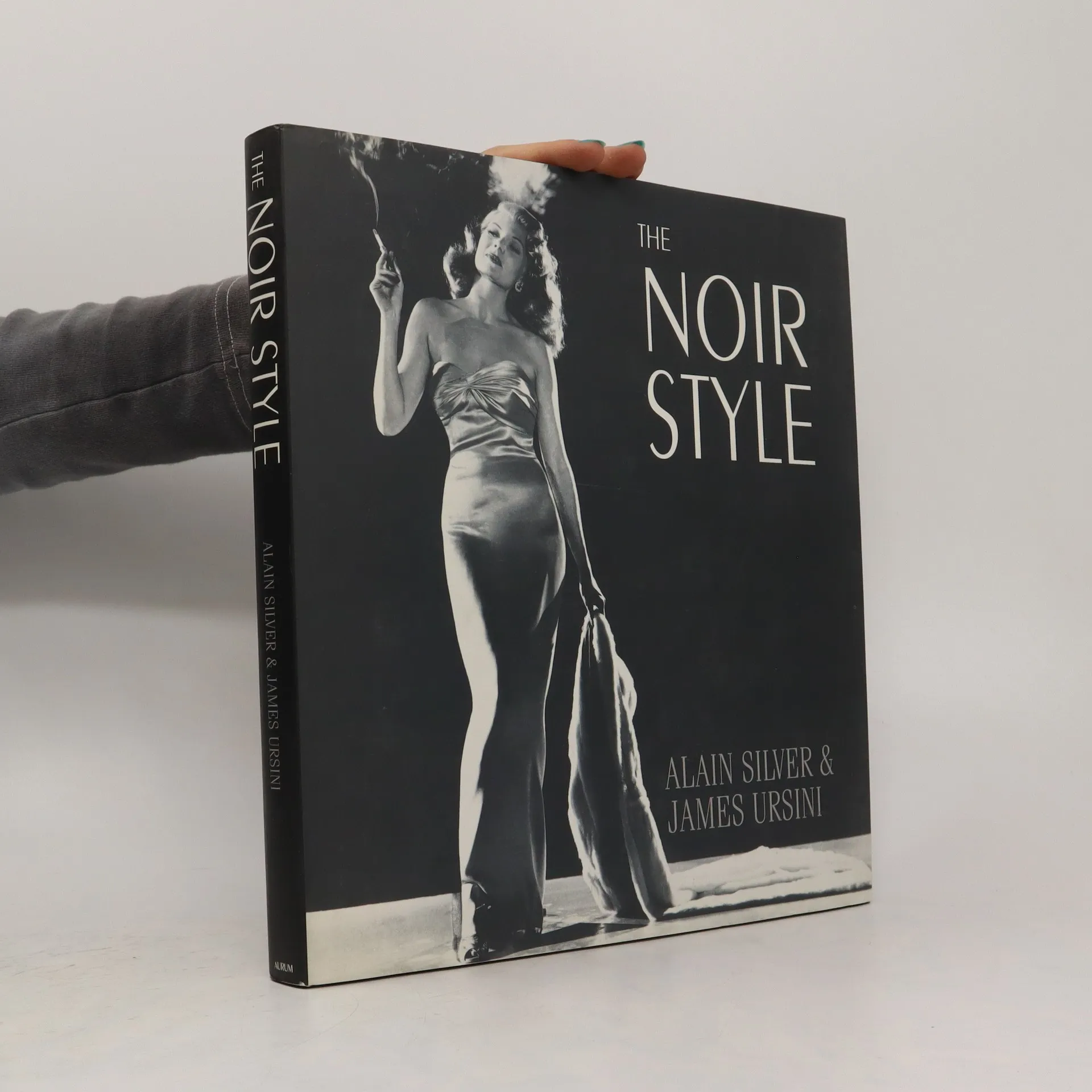
The pictures in this text include production stills which illustrate the style and capture the impact of this atmospheric genre. The accompanying text explores the origins of noir and its history from the early 1940s up to the present day.'
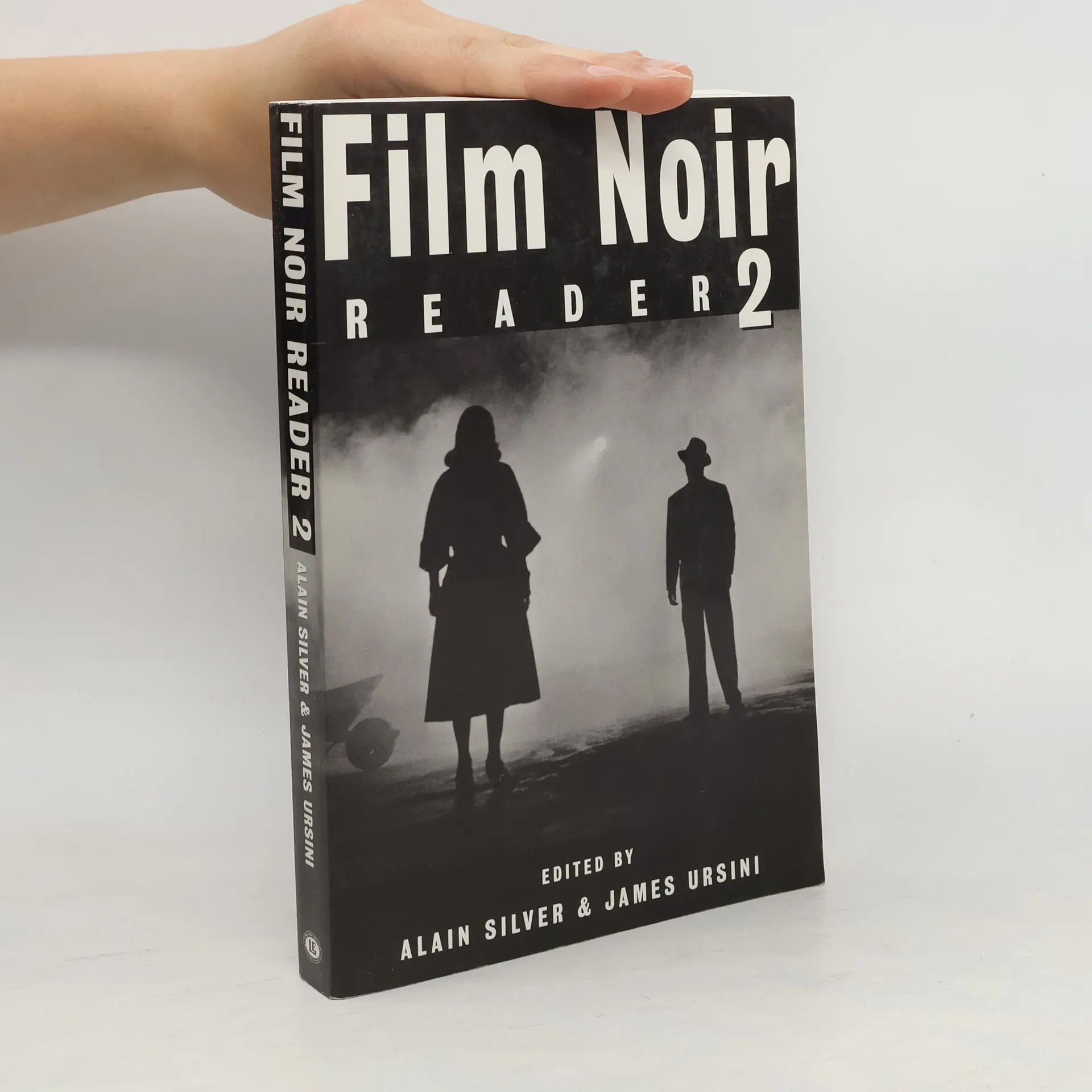
Film Noir Reader 2
- 358 Seiten
- 13 Lesestunden
Exploring the intersection of crime films and cinematic art, this collection features essays on iconic works like The Postman Always Rings Twice and delves into themes such as Hitchcock's influence on noir landscapes and the evolution of female-centered neo-noir. It also examines the distinct styles of directors like Samuel Fuller and the relationship between abstract expressionism and film noir. Accompanied by film stills, this book offers a rich analysis of the genre's impact on cinema and culture.
THE VAMPIRE FILM: FROM NOSFERATU TO TRUE BLOOD FOURTH EDITION - REVISEDAND UPDATED
Exploring the evolution of vampire cinema, this edition delves into iconic films, from early classics to contemporary interpretations. It examines the cultural impact of vampire narratives, the transformation of the vampire archetype, and the genre's influence on popular culture. Featuring in-depth analyses, behind-the-scenes insights, and interviews with filmmakers, the book highlights the thematic richness and aesthetic diversity of vampire films, making it an essential resource for enthusiasts and scholars alike.
Exploring the femme fatale archetype, this book delves into the visual and narrative significance of women in classic film noir. With 400 illustrations, it highlights the diverse portrayals of these characters, from vulnerable torch singers to dangerous gun molls. Each representation reveals the complex dynamics of empowerment and victimization, showcasing how these women drive the doomed narratives central to the genre. The work serves as both an artistic celebration and critical analysis of the Fatal Woman's role in film noir.
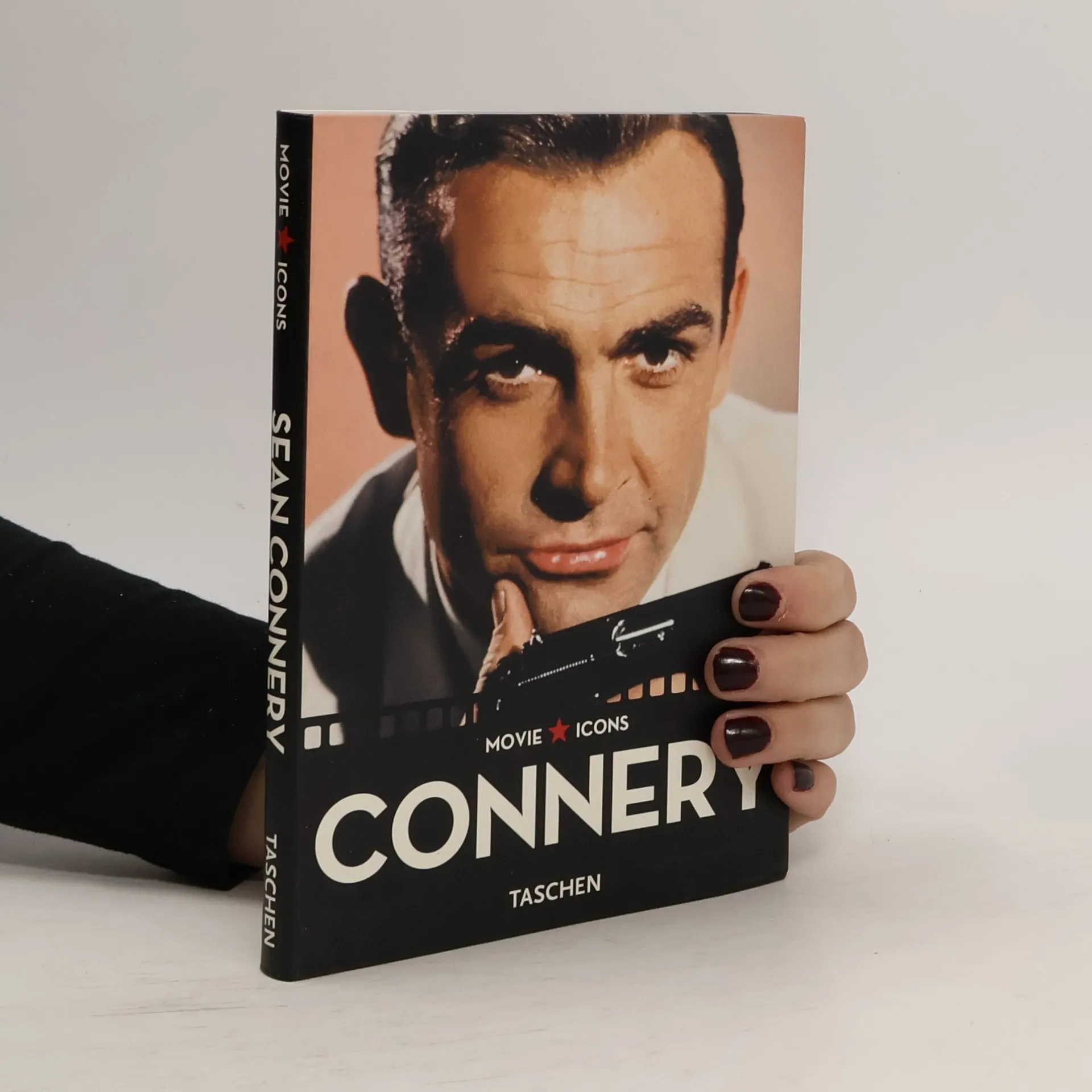
Warum ist der einzige Nichtamerikaner auf der prestigeträchtigen Liste des American Film Institute ausgerechnet ein Schotte? Vielleicht deshalb, weil Sean Connerys Karriere - mag sie noch so weltumspannend gewesen sein und mag seine Anziehungskraft noch so global wirken - letztendlich einen „echten Filmstar“ aus ihm machte, ohne kleinliches Gezänk, ohne Allüren und ohne Anpassung an flüchtige Modetrends. Connerys Verkörperung des Geheimagenten James Bond machte ihn schlagartig zum Star und legte den Grundstein für die erfolgreichste Reihe der Filmgeschichte. Gemeinsam wuchsen Bond und Connery über das Leben hinaus - doch es war Connery, nicht Bond, dessen mächtige Präsenz Dutzende anderer Rollen prägte. Connery kann so cool und charismatisch sein wie Steve McQueen, so elegant wie Katharine Hepburn oder so großzügig wie Frank Sinatra. Audrey Hepburn sagte einst über ihn: „In meiner Erinnerung gibt es nur zwei große Stars, die von gewaltigem Erfolg nicht verändert wurden: Sean Connery und Lassie.“ Und beide sind Schotten.