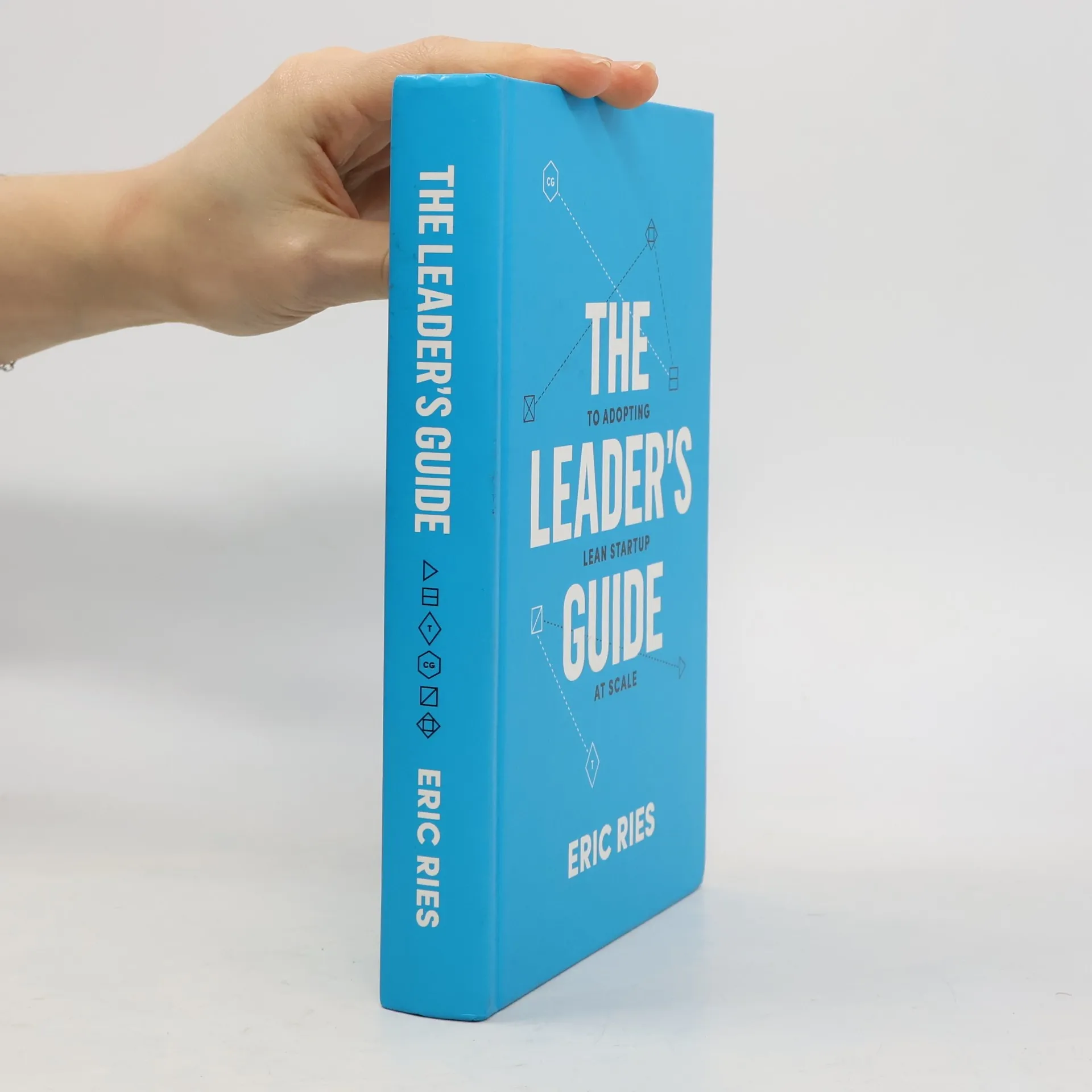
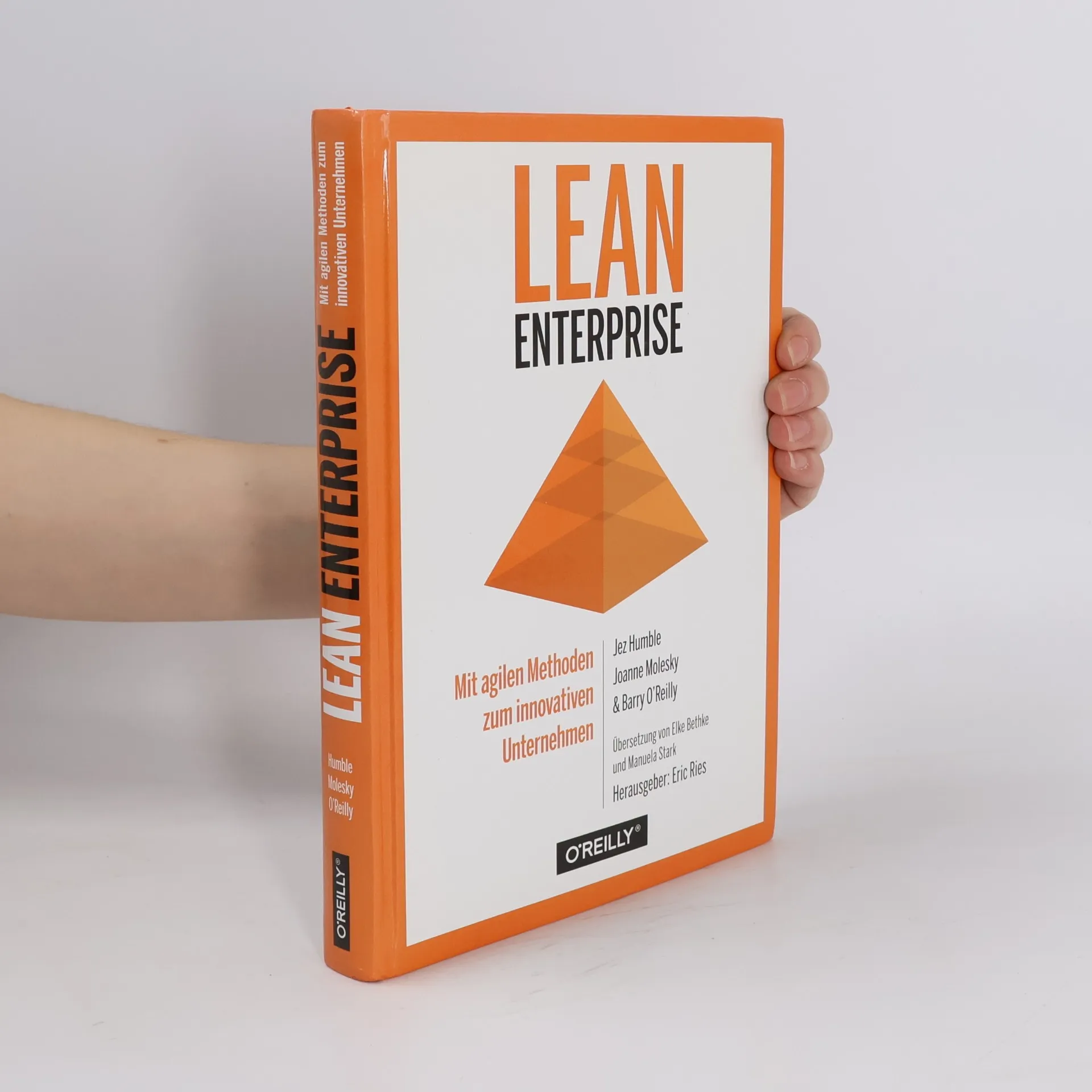
Neue Märkte, Technologien und sich wandelnde Kundenbedürfnisse erfordern von Startups Anpassungsfähigkeit. Doch auch etablierte Unternehmen müssen lernen, Innovationen voranzutreiben und IT als Wettbewerbsvorteil zu nutzen. Die Autoren plädieren dafür, das Lean-Mindset in größeren Organisationen zu implementieren. Sie zeigen konkret, wie erfolgreiche Unternehmen Lean-Startup- und DevOps-Methoden auf ihre Herausforderungen anwenden können. Das Buch bietet zahlreiche Fallstudien und eine Fülle von Strategien und Methoden, die für Vorstandsmitglieder, Geschäftsführer, Abteilungsleiter und Produktmanager von Interesse sind. Es liefert praktische Anleitungen zur Entwicklung und Validierung von Produkten und Geschäftsmodellen mit echtem Kundennutzen, zur Messung und Bewertung von Investitionsrisiken und zur Entfaltung des Potenzials von Teams durch Visionen und Handlungsspielräume. Zudem wird erläutert, wie Prozesse kontinuierlich verbessert, Softwareentwicklung beschleunigt und Innovation als Teil des Portfolios gestärkt werden kann. Die Autoren betonen die Notwendigkeit, Mitarbeiter in umfassenden Programmen zu fördern, während Qualität und Geschwindigkeit der Produktauslieferung erhöht und Kosten gesenkt werden.
Eric Ries Bücher

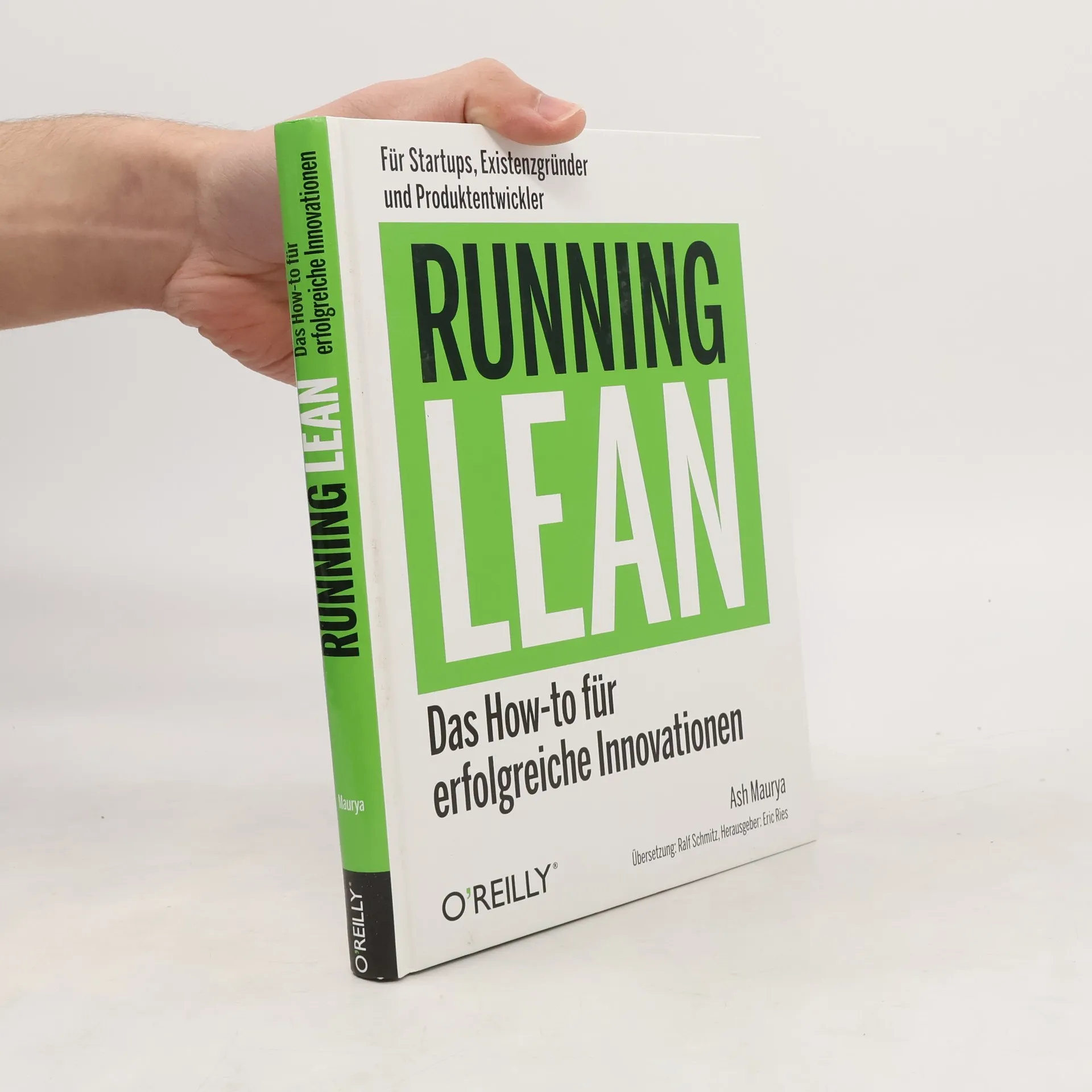
Warum scheitern viele Startups und neue Produkte? Und wie kann man die Erfolgschancen von Innovationen erhöhen? Ash Maurya hat eine Methode entwickelt, die auf Lean Management und agiler Entwicklung basiert und speziell für Innovationsprozesse konzipiert ist. Der Schlüssel liegt darin, potenzielle Kunden frühzeitig und konsequent in den Entwicklungsprozess einzubeziehen und das Geschäftsmodell regelmäßig zu hinterfragen. Ein zentrales Werkzeug ist die „Lean Canvas“, ein einfaches Template zur Visualisierung des Businessplans, das leichter zu erfassen und zu überarbeiten ist als herkömmliche Konzeptpapiere. Maurya hat diese Methode durch eigene Projekte entwickelt und getestet. In praktischen Schritt-für-Schritt-Anleitungen zeigt er, wie man die Methode anhand eines konkreten Beispiels anwendet. Alle Schritte sind nachvollziehbar und lassen sich auf eigene Innovationsprojekte übertragen. Die Lean Canvas und Fragebögen für Kundeninterviews sind direkt im Buch enthalten. Die Methode umfasst das Identifizieren eines relevanten Problems, die Einbindung von Kunden in den Entwicklungsprozess, kontinuierliches Testen des Produkts in kurzen Iterationen, das Verfeinern oder Verwerfen von Features, das Erkennen notwendiger Kursänderungen, die Optimierung von Entwicklungsgeschwindigkeit und Erkenntnisprozessen sowie das Finden des idealen Zeitpunkts für Finanzierungsrunden.
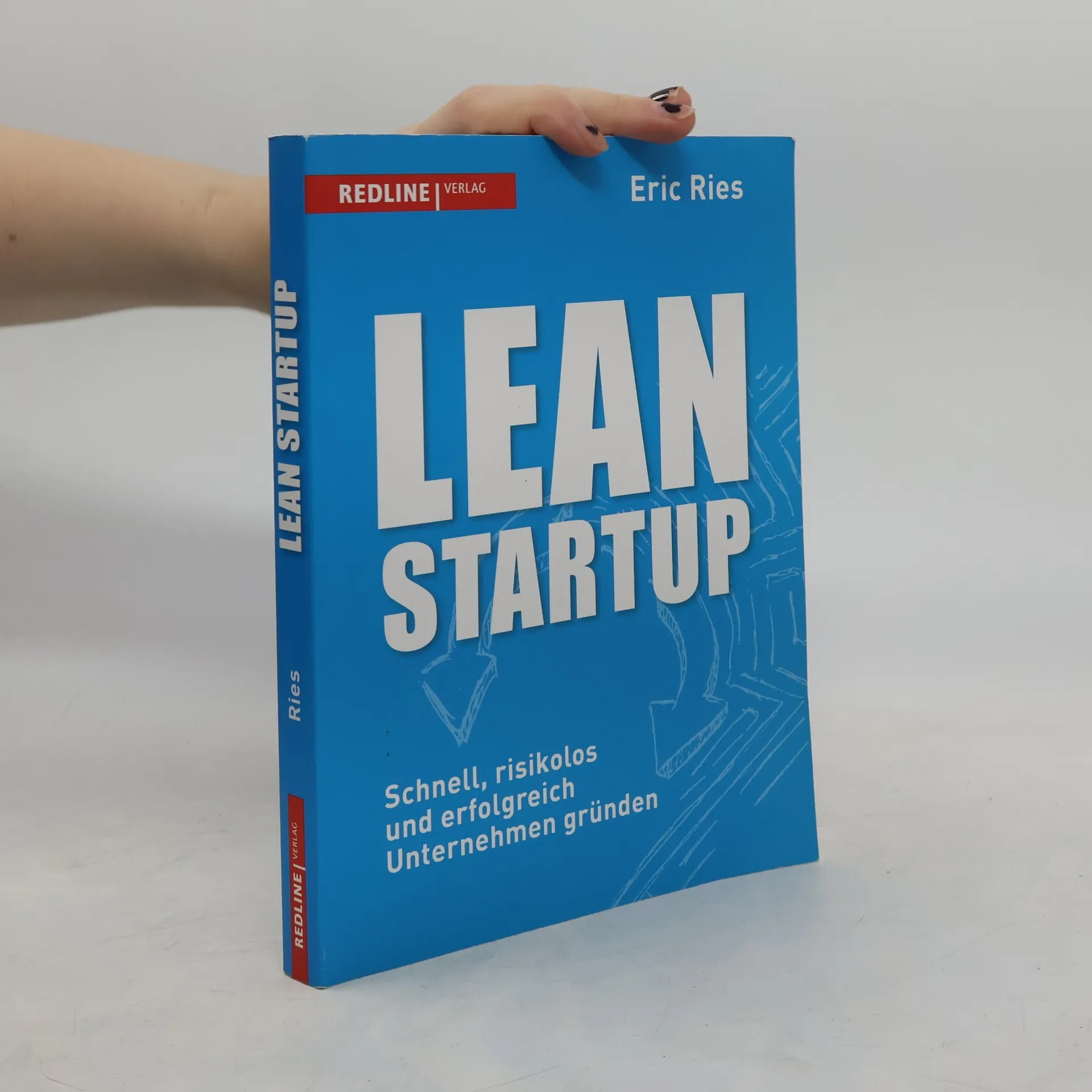
Der Weg zum eigenen Unternehmen ist nie ohne Risiko. Und bis die Firma sich auf dem Markt etabliert hat, dauert es. Wer doch scheitert, verliert in der Regel viel Geld. Genau hier setzt das Konzept von Eric Ries an. Lean Startup heißt seine Methode. Sie ist schnell, ressourcenfreundlich und radikal erfolgsorientiert. Anhand von durchgespielten Szenarien kann man von vornherein die Erfolgsaussichten von Ideen, Produkten und Märkten bestimmen. Und auch während der Gründungphase wird der Stand der Dinge ständig überprüft. Machen, messen, lernen – so funktioniert der permanente Evaluationsprozess. Das spart enorm Zeit, Geld und Ressourcen und bietet die Möglichkeit, spontan den Kurs zu korrigieren. Das Lean-Startup-Tool hat sich schon zigtausenfach in der Praxis bewährt und setzt sich auch in Deutschland immer stärker durch.
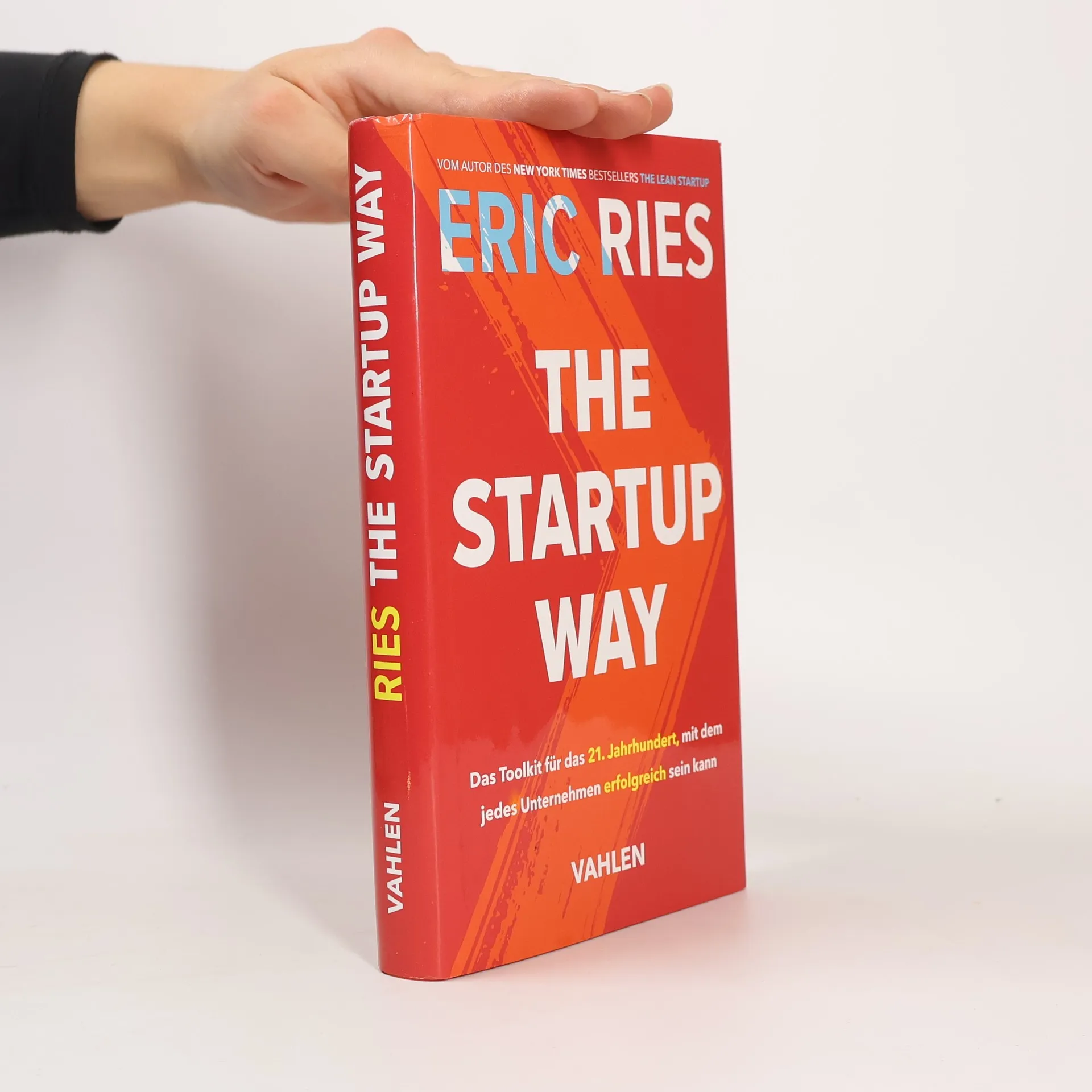
The Startup Way
Das Toolkit für das 21. Jahrhundert, mit dem jedes Unternehmen erfolgreich sein kann
- 326 Seiten
- 12 Lesestunden
THE STARTUP WAY hilft Managern und Führungskräften, die Herausforderungen des 21. Jahrhunderts zu meistern. Der Wandel, der bevorsteht, ist beispiellos, und wir müssen uns darauf vorbereiten, egal wie ungewiss die Zukunft ist. Eric Ries betont, dass die von ihm vorgeschlagene Organisationsstruktur nicht das Ende des Managements bedeutet und auch nicht das einzig richtige System darstellt. Vielmehr ist es ein Ansatz, der die Grundlage für seine eigene Evolution legt. In „The Lean Startup“ präsentierte er Methoden erfolgreicher Startups, beginnend mit der Entwicklung eines Produkts, das auf Kundenbedürfnisse ausgerichtet ist, über wissenschaftliche Tests und kontinuierliche Innovation bis hin zur Entscheidung, ob Anpassungen notwendig sind. In „The Startup Way“ richtet Ries den Fokus auf etablierte Unternehmen, wie General Electric und Toyota, Technologiegiganten wie Amazon und Facebook sowie auf innovative Unternehmen aus dem Silicon Valley wie Airbnb und Twilio. Basierend auf zwanzig Jahren Erfahrung mit diesen Organisationen entwickelt er ein System der Unternehmensführung, das auf stabilem Wachstum und nachhaltiger Wirkung abzielt.
Lean UX. Applying Lean Principles to Improve User Experience
- 148 Seiten
- 6 Lesestunden
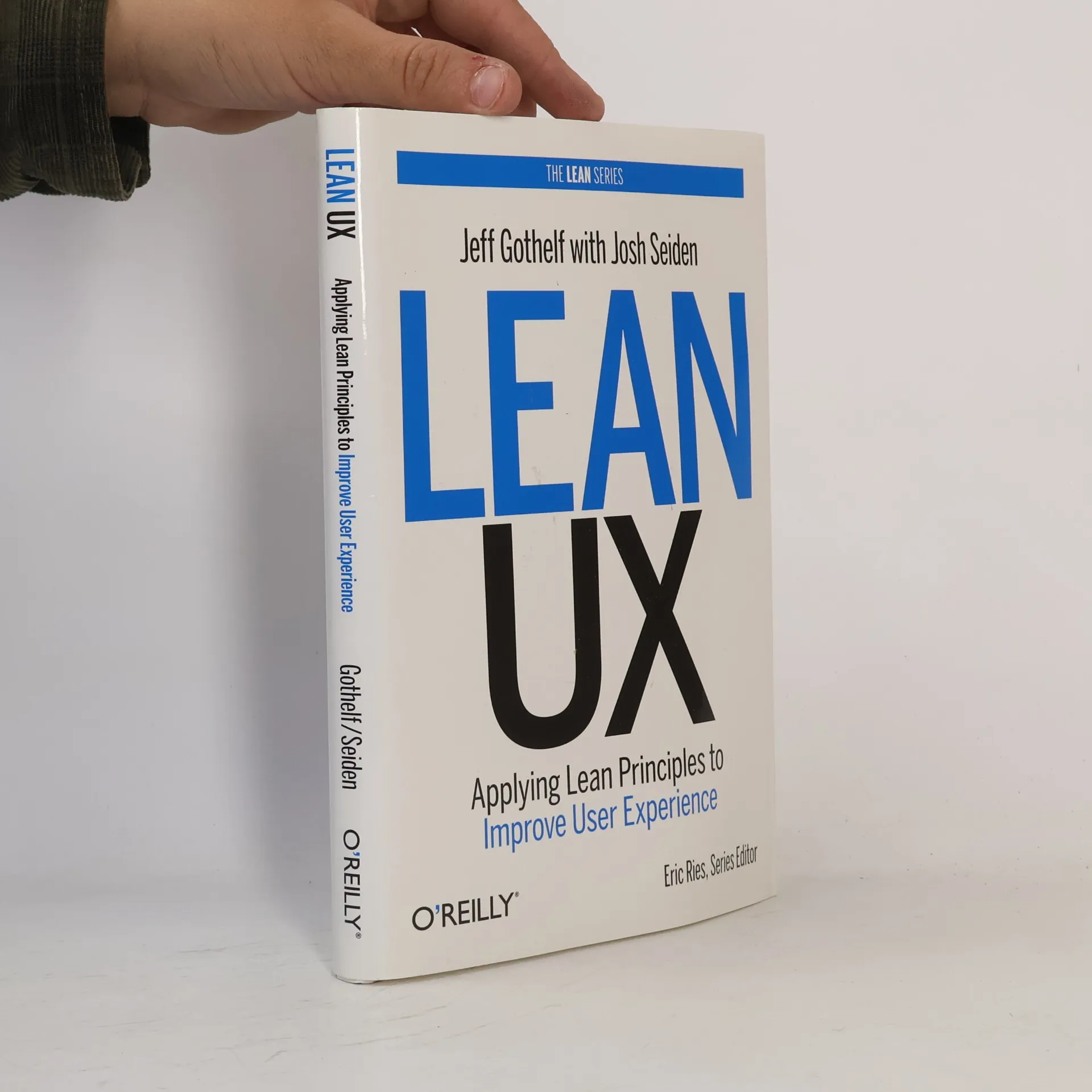
User experience (UX) design has traditionally been a deliverables-based practice, with wireframes, site maps, flow diagrams, and mockups. But in today’s web-driven reality, orchestrating the entire design from the get-go no longer works. This hands-on book demonstrates Lean UX, a deeply collaborative and cross-functional process that lets you strip away heavy deliverables in favor of building shared understanding with the rest of the product team. Lean UX is the evolution of product design; refined through the real-world experiences of companies large and small, these practices and principles help you maintain daily, continuous engagement with your teammates, rather than work in isolation. This book shows you how to use Lean UX on your own projects. Get a tactical understanding of Lean UX—and how it changes the way teams work together Frame a vision of the problem you’re solving and focus your team on the right outcomes Bring the designer’s tool kit to the rest of your product team Break down the silos created by job titles and learn to trust your teammates Improve the quality and productivity of your teams, and focus on validated experiences as opposed to deliverables/documents Learn how Lean UX integrates with Agile UX
Black Art of Java Game Programming
- 900 Seiten
- 32 Lesestunden
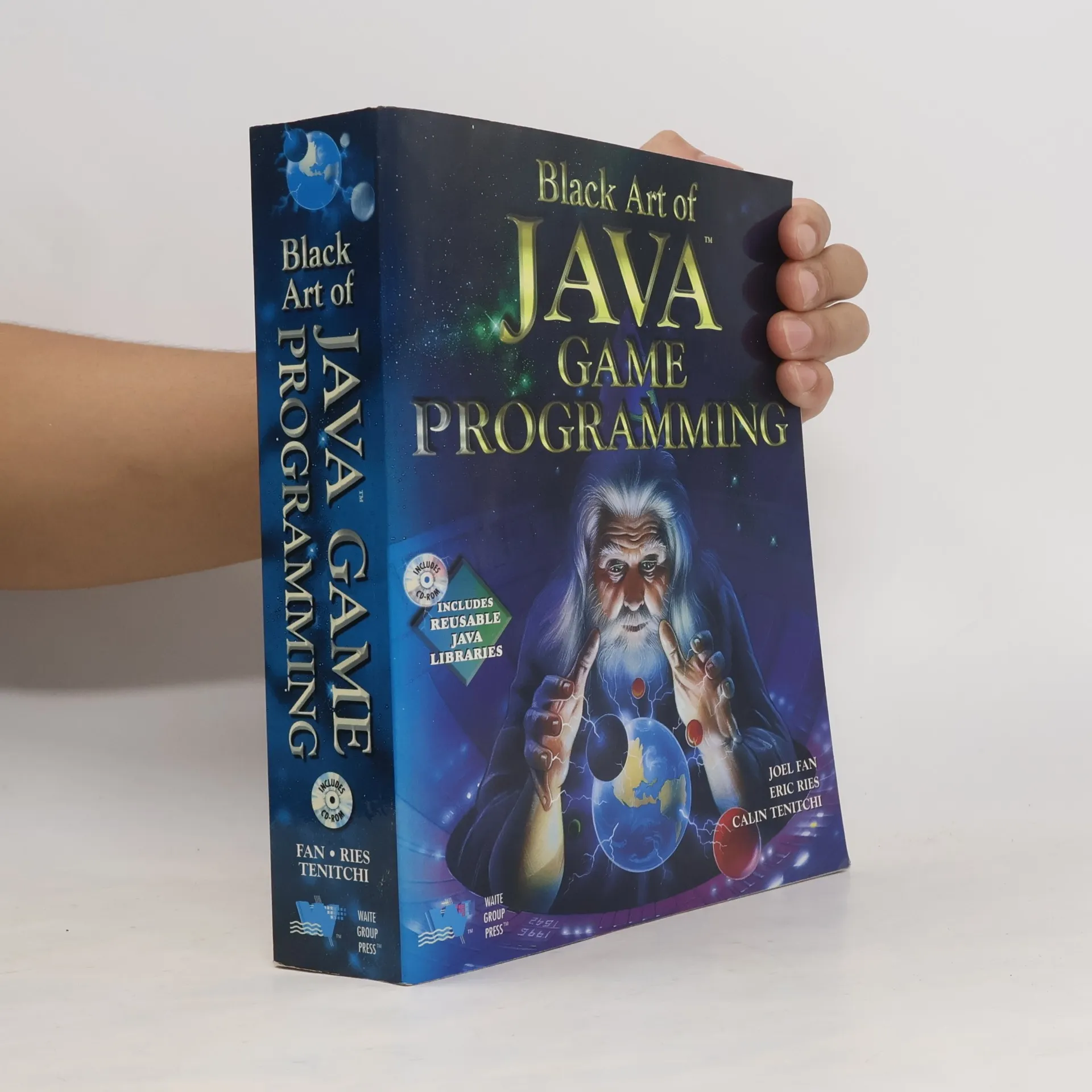
Step-by-step instructions, covering all the hottest techniques for creating dynamic games and interactive graphical environments using Java 1.1.-- Covers all the essentials of Java for graphics and game development-- Shows how to write interactive video games for the Web, playable by millions around the world-- Presents unique networking techniques for multi-user environments-- CD-ROM contains complete Java source and byte codes to the class libraries and games developed, plus games, third-party applets, and development tools
Are you a high potential charting your course within your current organization, a leader trying to jumpstart innovative thinking in your company? Or are you ready to do something new? Consider this simple yet powerful idea: disruptive companies and ideas upend markets by doing something truly different – they see a need, an empty space waiting to be filled, and they dare to create something for which a market may not yet exist. An expert in driving innovation via personal disruption, Whitney Johnson, will help you understand how the frameworks of disruptive innovation can apply to you: if you want to be successful in unexpected ways, follow your own disruptive path. Dare to innovate. Dream big dreams. Do something astonishing. Disrupt yourself. In this book, you will learn how to apply these frameworks to building a business, career – and you. We are living in an era of accelerating disruption – those who can manage the S-curve waves of learning and maxing out will have a competitive advantage. But this is a skill set that needs to be learned. Disrupt Yourself will help people cope with the unpredictability of disruption, and use it to their competitive advantage.
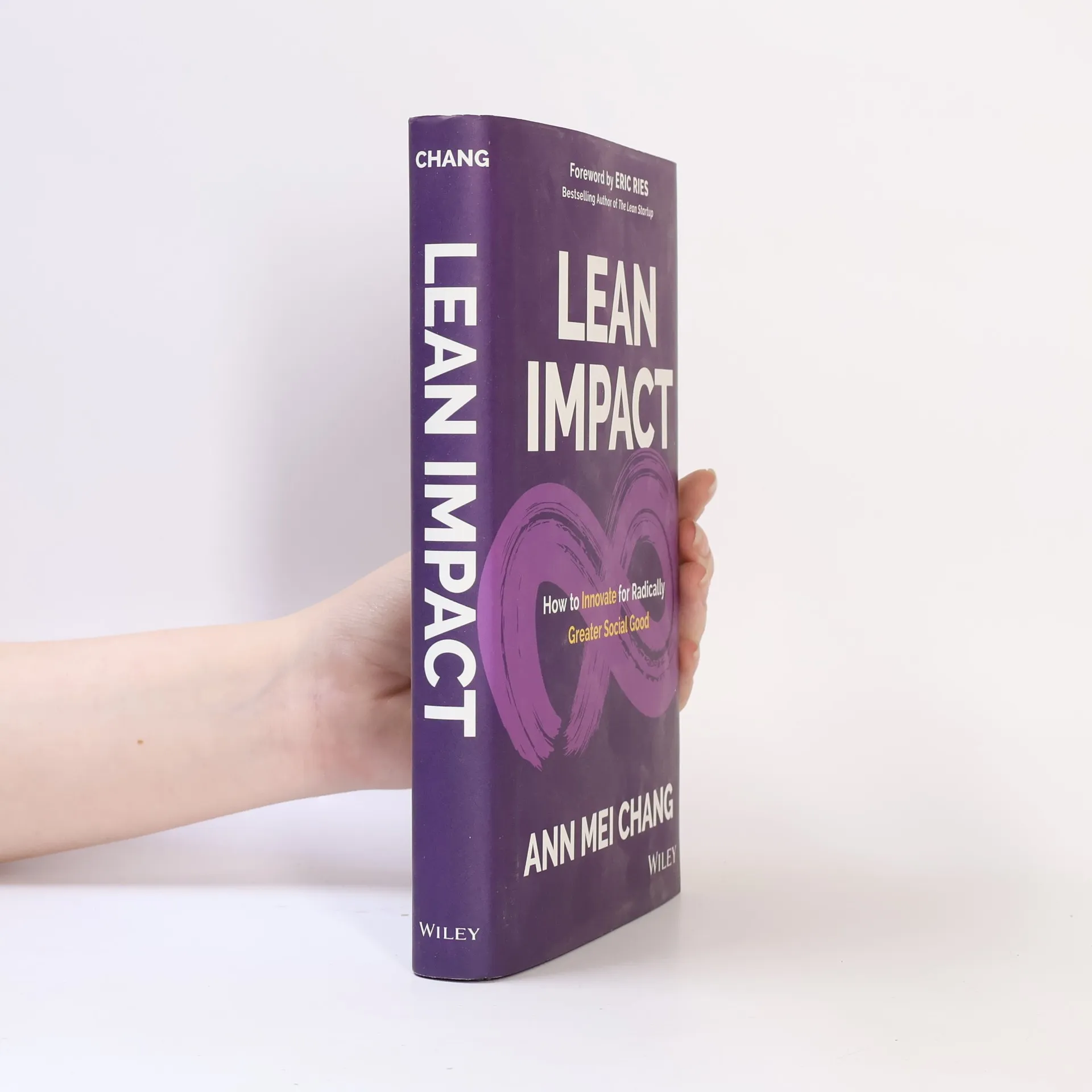
Despite significant investments of time and money, are we truly addressing the social and environmental challenges we face? A new generation is seeking meaningful purpose beyond profit. However, unlike businesses, few social initiatives have achieved substantial impact at scale. Inspired by modern innovation practices from The Lean Startup, Lean Impact focuses on achieving radically greater social good. Social change is more complex than developing an app; it demands deeper listening, care, and the involvement of various stakeholders. To create lasting change, solutions must resonate with beneficiaries, tackle root causes, and incorporate mechanisms for growth to meet the scale of need. This work presents bold ideas for achieving ambitious goals through customer insights, rapid experimentation, and a relentless focus on impact. Ann Mei Chang offers a unique viewpoint from her diverse experiences, including her role as a tech executive in Silicon Valley and as Chief Innovation Officer at USAID. The book is enriched with real stories from interviews with over 200 organizations globally. Whether you are part of a nonprofit, social enterprise, foundation, government agency, or simply contribute your time and resources, this guide is essential for maximizing social impact and achieving scale.
The Lean Startup. Як постійні інновації створюють радикально успіший бізнес
- 368 Seiten
- 13 Lesestunden
La startup way
- 340 Seiten
- 12 Lesestunden