
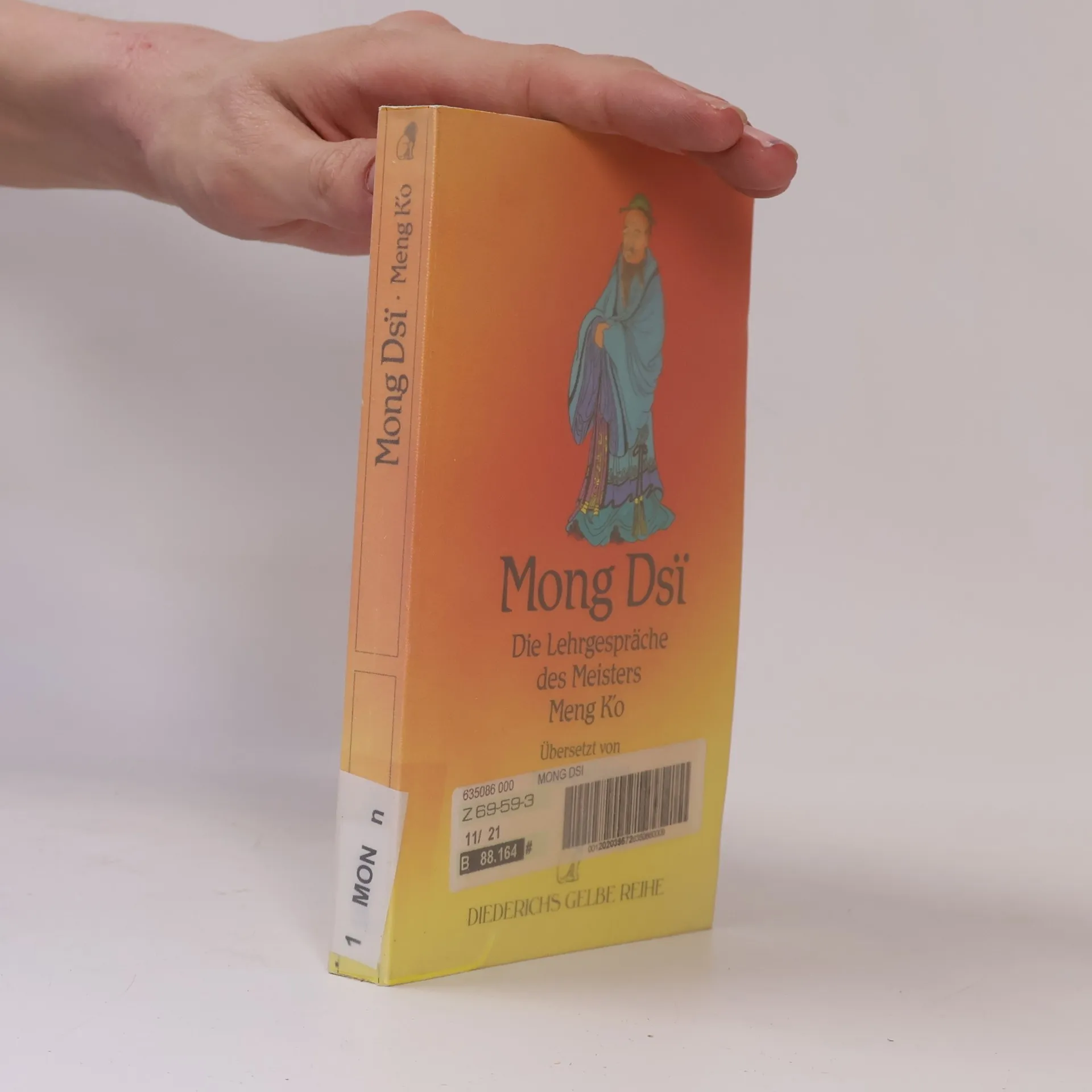
Mencius war ein chinesischer Philosoph und einer der bedeutendsten Interpreten des Konfuzianismus, nach Konfuzius selbst. Ähnlich wie Konfuzius reiste er durch China und beriet Herrscher bei Reformen. Seine Philosophie betont die angeborene Güte der menschlichen Natur und die entscheidende Bedeutung ethischer Tugenden. Mencius bemühte sich, seine Ideen umzusetzen und seine Zeit zu beeinflussen, zog sich jedoch letztendlich aus dem öffentlichen Leben zurück, desillusioniert von seiner Unfähigkeit, weitreichende Veränderungen zu bewirken.
Engagingly illustrated, this graphic adaptation of Mencius brings to life the teachings of the influential philosopher known as the Second Sage. Through humorous storytelling and vibrant visuals, it explores themes of morality, governance, and human goodness, showcasing Mencius's arguments for prioritizing the welfare of the people. The inclusion of original Chinese text alongside the English cartoons enriches the reading experience, making it accessible for both casual readers and students of Chinese philosophy. This edition is a delightful blend of education and entertainment.
This book is a reproduction of a historical work, published by Megali, a company dedicated to producing large print editions. This initiative aims to enhance accessibility for individuals with impaired vision, ensuring that classic literature remains available to a broader audience.
Focusing on the philosophical contributions of Mencius, this collection delves into his interpretations of Confucianism and his belief in the inherent goodness of mankind, which he argued is often corrupted by societal influences. As a scholar at the prestigious Jixia Academy, he emphasized the importance of education that fosters critical thinking over rote memorization. His political philosophy advocated for leaders to prioritize the public's welfare. This edition, translated by James Legge, presents Mencius' influential ideas on ethics and governance on premium acid-free paper.
Discover 4 seminal masterworks of Chinese thought—Lao Tzu’s Tao Te Ching, the Analects of Confucius, the Chuang Tzu, and the Mencius—presented in one volume for the first time in nearly 2 centuries. Award-winning translator David Hinton offers fresh insights on the most influential texts on Taoism, Zen Buddhism, Chinese philosophy, and more. Hinton’s award–winning experience translating a wide range of ancient Chinese poets makes these books sing in English as never before. But these new versions are not only inviting and immensely readable—they also apply much-needed consistency to key philosophical terms in these texts, lending structural links and philosophical rigor heretofore unavailable in English. Breathing new life into these classics, Hinton’s new translations will stand as the definitive texts for our era. Perhaps the most broadly influential spiritual text in human history, Lao Tzu’s Tao Te Ching is the source of Taoist philosophy, which eventually developed into Ch’an (Zen) Buddhism. Equally influential in the social sphere, Confucius’ Analects is the source of social wisdom in China. The Chuang Tzu is the wild and wacky prose complement to the Tao Te Ching. And with its philosophical storytelling, the Mencius adds depth and complexity to Confucius’ vision.
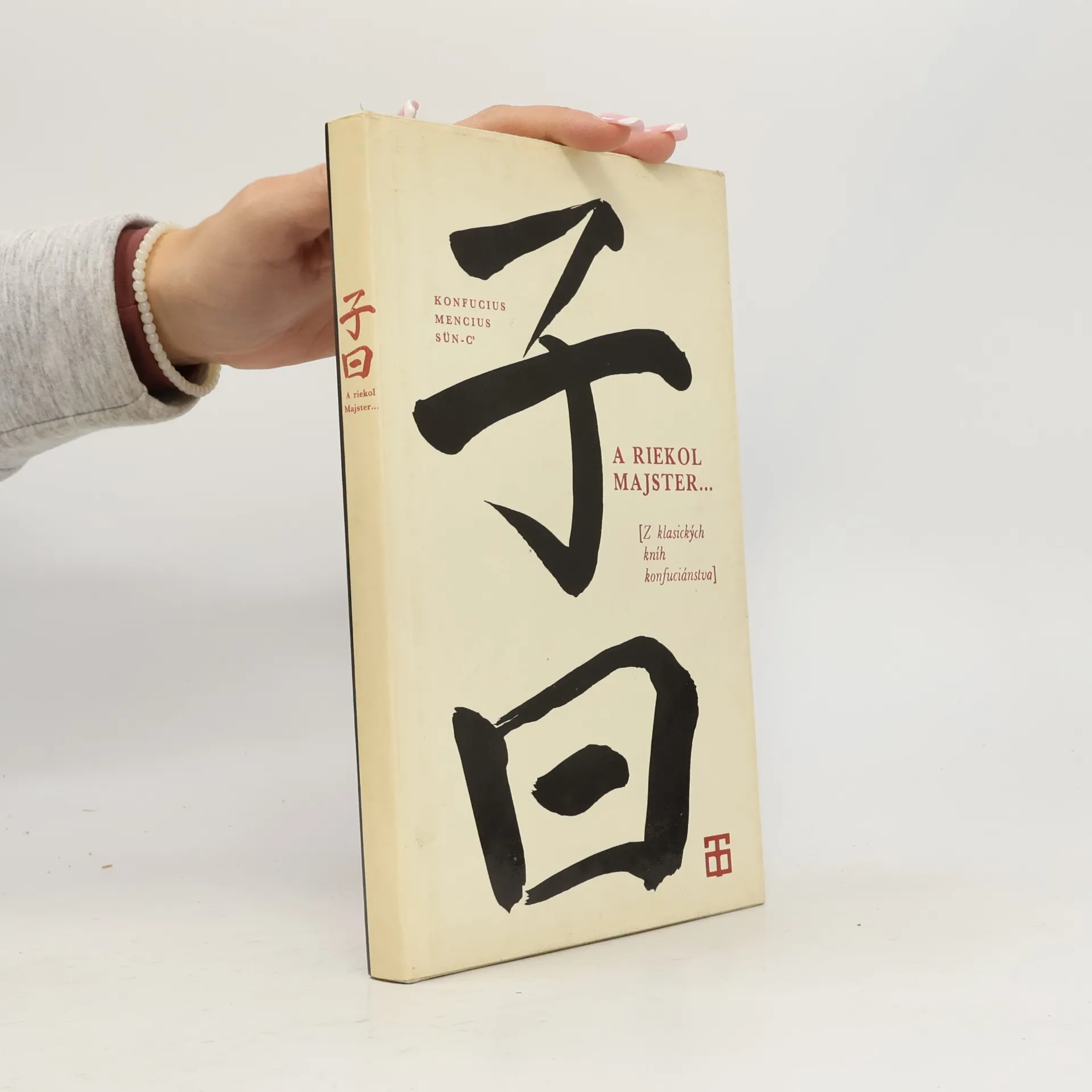
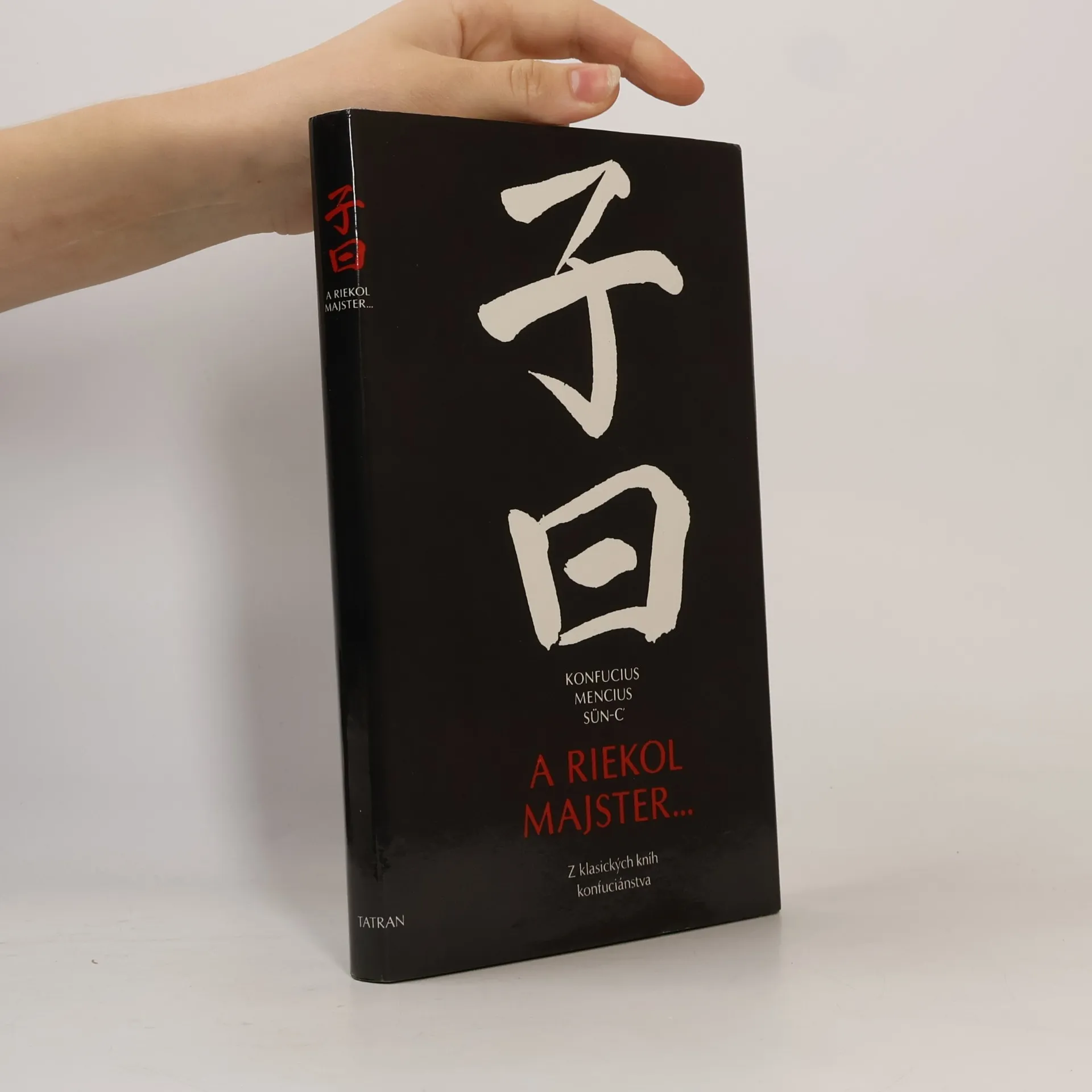
Z klasických kníh konfucionárstva. Zbierka výrokov a rozhovorov Konfucia s jeho žiakmi a súčasníkmi. Datovanie zbierky je neisté, podla výskumov vznikla v období okolo roku 400 pred n.l., teda približne 70 rokov po jeho smrti.
Z klasických kníh konfuciánstva. Zbierka výrokov a rozhovorov Konfucia s jeho žiakmi a súčasníkmi. Datovanie zbierky je neisté, podla výskumov vznikla v období okolo roku 400 pred n.l., teda približne 70 rokov po jeho smrti.
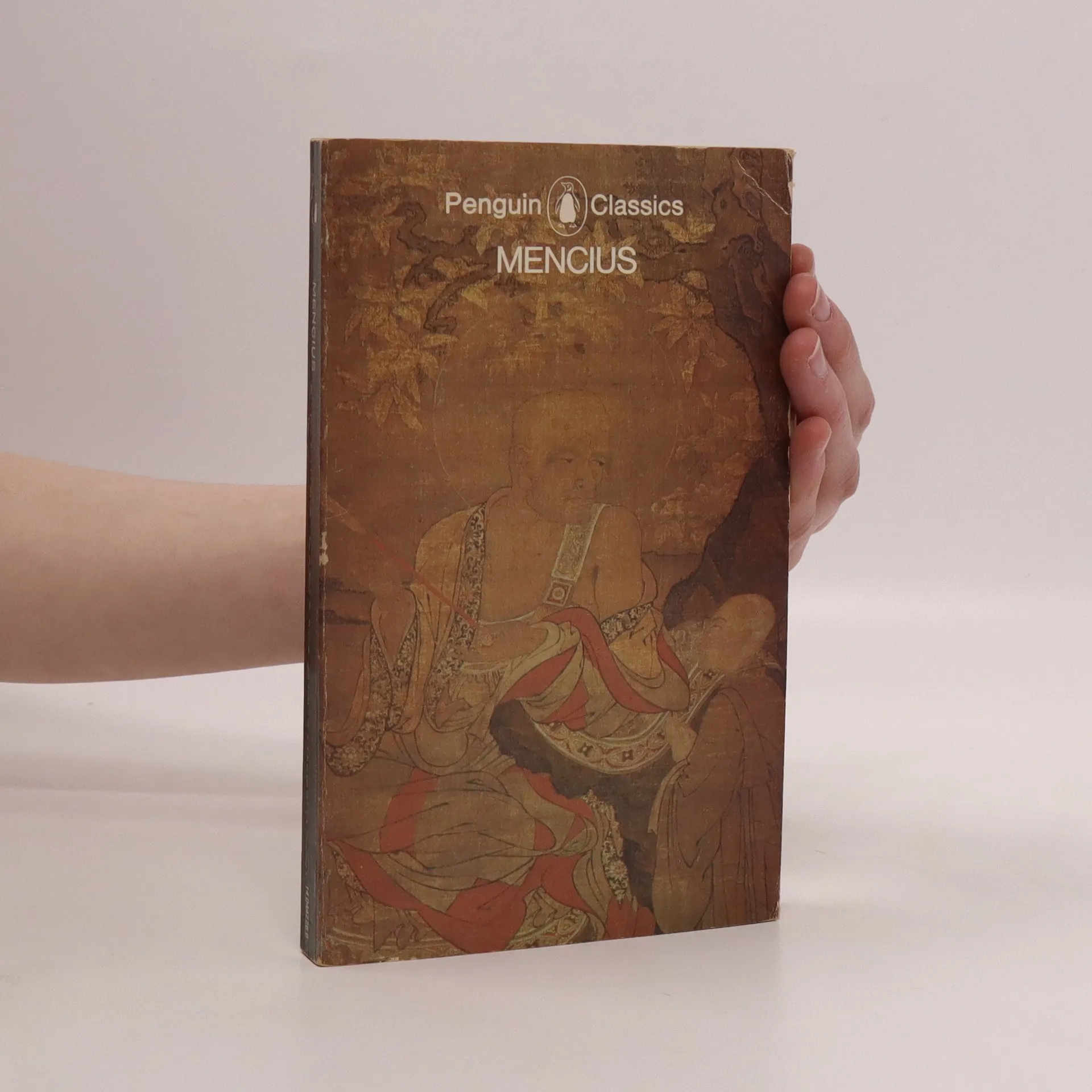
Mencius was one of the great philosophers of ancient China, second only in
influence to Confucius, whose teachings he defended and expanded. The Mencius,
in which he recounts his dialogues with kings, dukes and military men, as well
as other philosophers, is one of the Four Books that make up the essential
Confucian corpus.