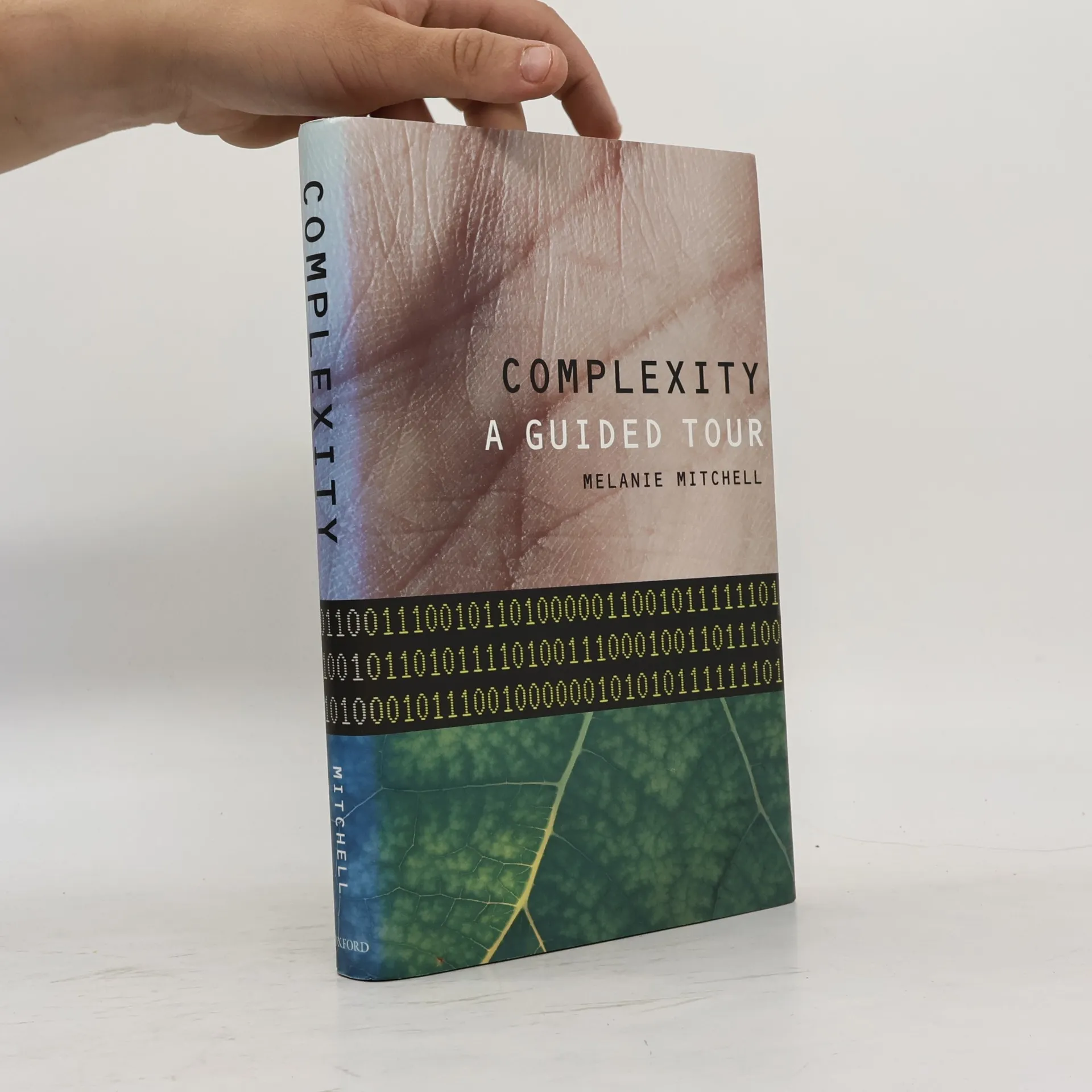
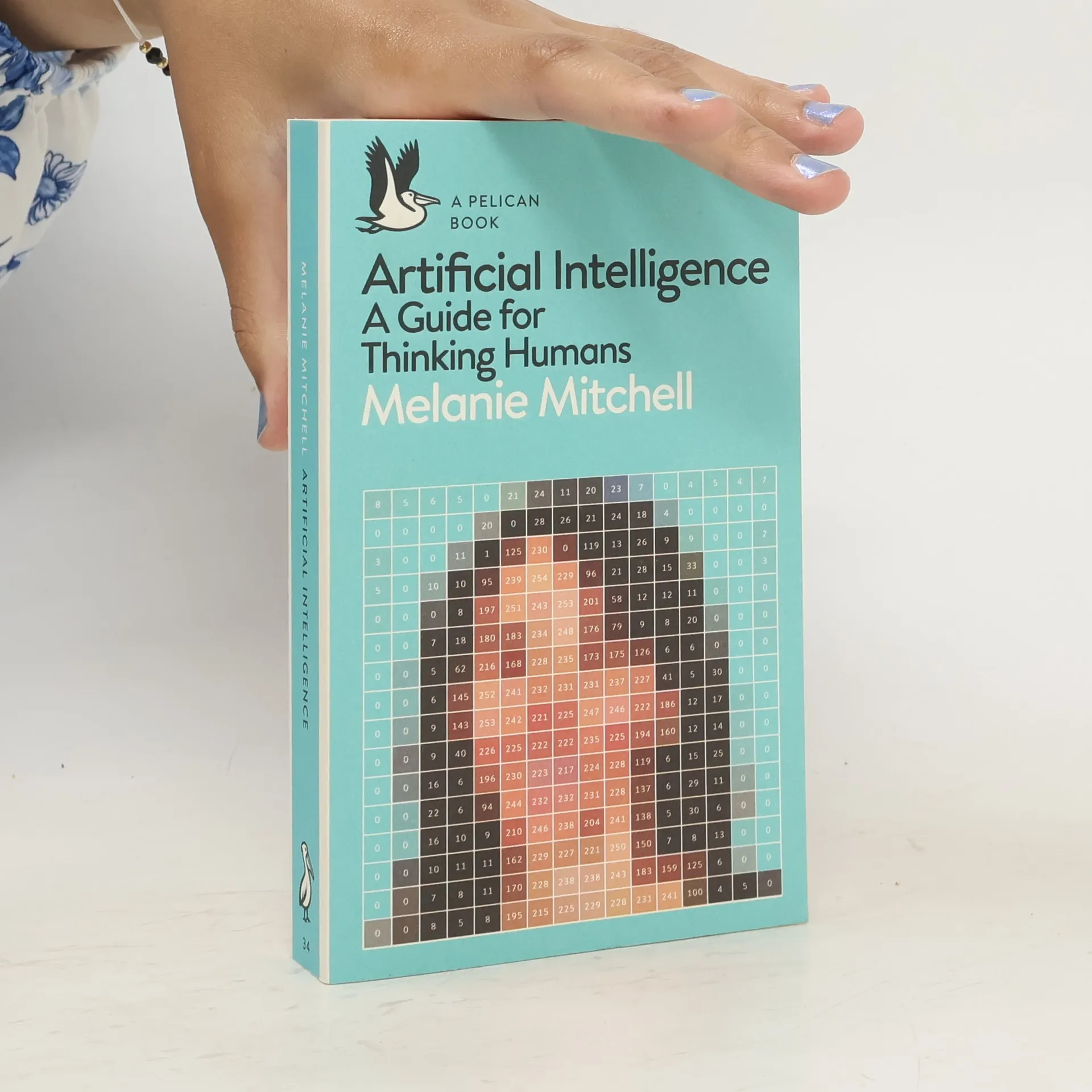
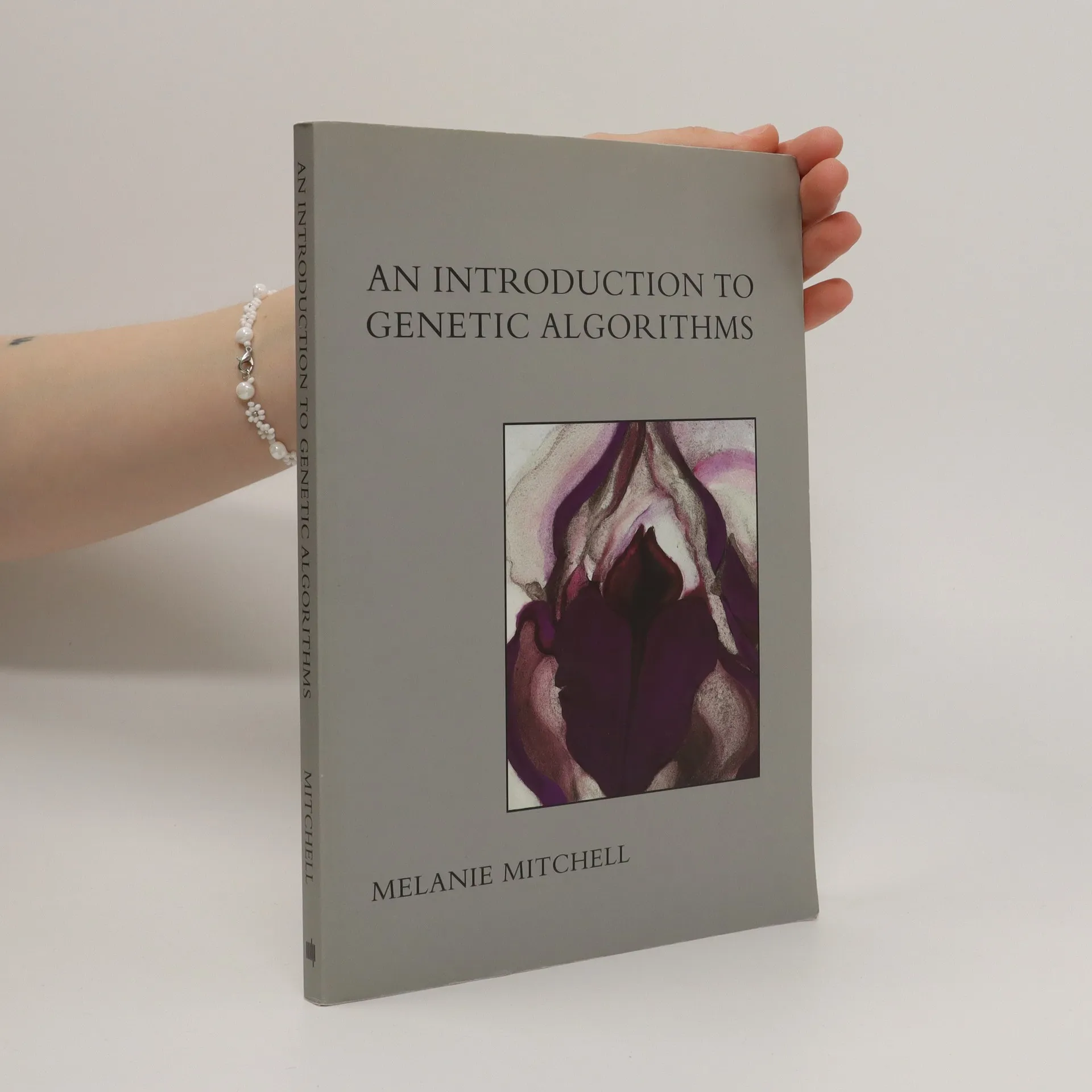
Melanie Mitchell ist eine Informatikprofessorin, deren Werk sich mit den grundlegenden Mechanismen komplexer Systeme und künstlicher Intelligenz befasst. Sie erforscht zentrale Fragen wie analogisches Schließen und die Natur der Intelligenz, um die Prinzipien aufzudecken, die sowohl lebende Organismen als auch Maschinen steuern. Mitchell setzt hochentwickelte Werkzeuge wie genetische Algorithmen und zelluläre Automaten ein, um diese komplexen Phänomene zu modellieren und zu analysieren. Ihr Ansatz betont die zugrunde liegenden Prozesse des Denkens und Lernens und bietet den Lesern aufschlussreiche Einblicke an die Grenzen des wissenschaftlichen Verständnisses.
„Lasst die Kinder zu mir kommen!“ thematisiert Jesu Liebe zu Kindern und bietet alltagsnahe Texte sowie farbenfrohe Bilder. Die alten und neuen Kindergebete sind perfekt zum Vorlesen, Nachsprechen und gemeinsamen Beten, ideal für den Alltag oder vor dem Zubettgehen.
No recent scientific enterprise has been so alluring, terrifying, and filled with extravagant promise and frustrating setbacks as artificial intelligence. How intelligent are the best of today's AI programs? To what extent can we entrust them with decisions that affect our lives? How human-like do we expect them to become, and how soon do we need to worry about them surpassing us in most, if not all, human endeavours? From leading AI researcher and award-winning author Melanie Mitchell comes a knowledgeable and captivating account of modern-day artificial intelligence. Flavoured with personal stories and a twist of humour, Artificial Intelligence illuminates the workings of machines that mimic human learning, perception, language, creativity and common sense. Weaving together advances in AI with cognitive science and philosophy, Mitchell probes the extent to which today's 'smart' machines can actually think or understand, and whether AI requires such elusive human qualities in order to be reliable, trustworthy and beneficial. Artificial Intelligence- A Guide for Thinking Humans provides readers with an accessible, entertaining and clear-eyed view of the AI landscape, what the field has actually accomplished, how much further it has to go and what it means for all of our futures.
What enables individually simple insects like ants to act with such precision and purpose as a group? How do trillions of neurons produce something as extraordinarily complex as consciousness? In this remarkably clear and companionable book, leading complex systems scientist Melanie Mitchell provides an intimate tour of the sciences of complexity, a broad set of efforts that seek to explain how large-scale complex, organized, and adaptive behavior can emerge from simple interactions among myriad individuals. Based on her work at the Santa Fe Institute and drawing on its interdisciplinary strategies, Mitchell brings clarity to the workings of complexity across a broad range of biological, technological, and social phenomena, seeking out the general principles or laws that apply to all of them. Richly illustrated, Complexity: A Guided Tour--winner of the 2010 Phi Beta Kappa Book Award in Science--offers a wide-ranging overview of the ideas underlying complex systems science, the current research at the forefront of this field, and the prospects for its contribution to solving some of the most important scientific questions of our time.
Genetic algorithms serve as adaptive tools for solving practical problems and as models of natural evolutionary systems. This accessible introduction explores intriguing research in the field while guiding readers to implement and experiment with genetic algorithms themselves. It delves into key topics, especially in machine learning, scientific modeling, and artificial life, and reviews a wide range of research, including the contributions of Mitchell and her colleagues. Applications extend beyond computer science to encompass dynamical systems theory, game theory, molecular biology, ecology, evolutionary biology, and population genetics, highlighting the versatile nature of genetic algorithms as search methods applicable across various disciplines. The text is suitable for students and researchers in any scientific field, featuring numerous thought and computer exercises that reinforce understanding. The first chapter introduces genetic algorithms and their terminology, detailing two provocative applications. The subsequent chapters examine their use in machine learning (including data analysis and neural networks) and scientific models (covering learning, evolution, culture, and ecosystems). The fourth chapter discusses theoretical approaches, the fifth focuses on implementation, and the final chapter addresses unanswered questions and future prospects in evolutionary computation.
This book explores the fascinating process of transforming maple sap into syrup, providing a detailed look at each step from tapping the trees to bottling the final product. It offers insights into the seasonal changes in nature, the importance of maple trees, and the techniques used in syrup production. Engaging illustrations complement the informative text, making it an educational resource for young readers interested in agriculture and food production.
Concise units organized by function and procedure cover instruments used in all areas of dentistry, and make it easy for readers to quickly learn instrument names, functions, and tray set-ups.