The collection showcases the evolution of ideas over 50 years, starting from early psychoanalytic experiences in Vienna. It encompasses diverse topics, including children's play, child psychoanalysis, adult dreams, and cross-cultural observations, as well as insights into young adulthood and the life cycle. Additionally, it features reminiscences about influential colleagues like Anna Freud and Ruth Benedict, highlighting their significant impact on Erikson's professional journey.
Erik Erikson Reihenfolge der Bücher (Chronologisch)
15. Juni 1902 – 12. Mai 1994
Dieser deutsch-amerikanische Psychologe und Psychoanalytiker ist bekannt für seine Theorie der psychosozialen Entwicklung des Menschen. Am bekanntesten ist er wohl für die Prägung des Begriffs „Identitätskrise“. Seine Arbeit konzentriert sich auf die Entwicklungspsychologie und hat das Verständnis menschlichen Wachstums maßgeblich beeinflusst. Trotz fehlendem Hochschulabschluss lehrte er an renommierten Universitäten.


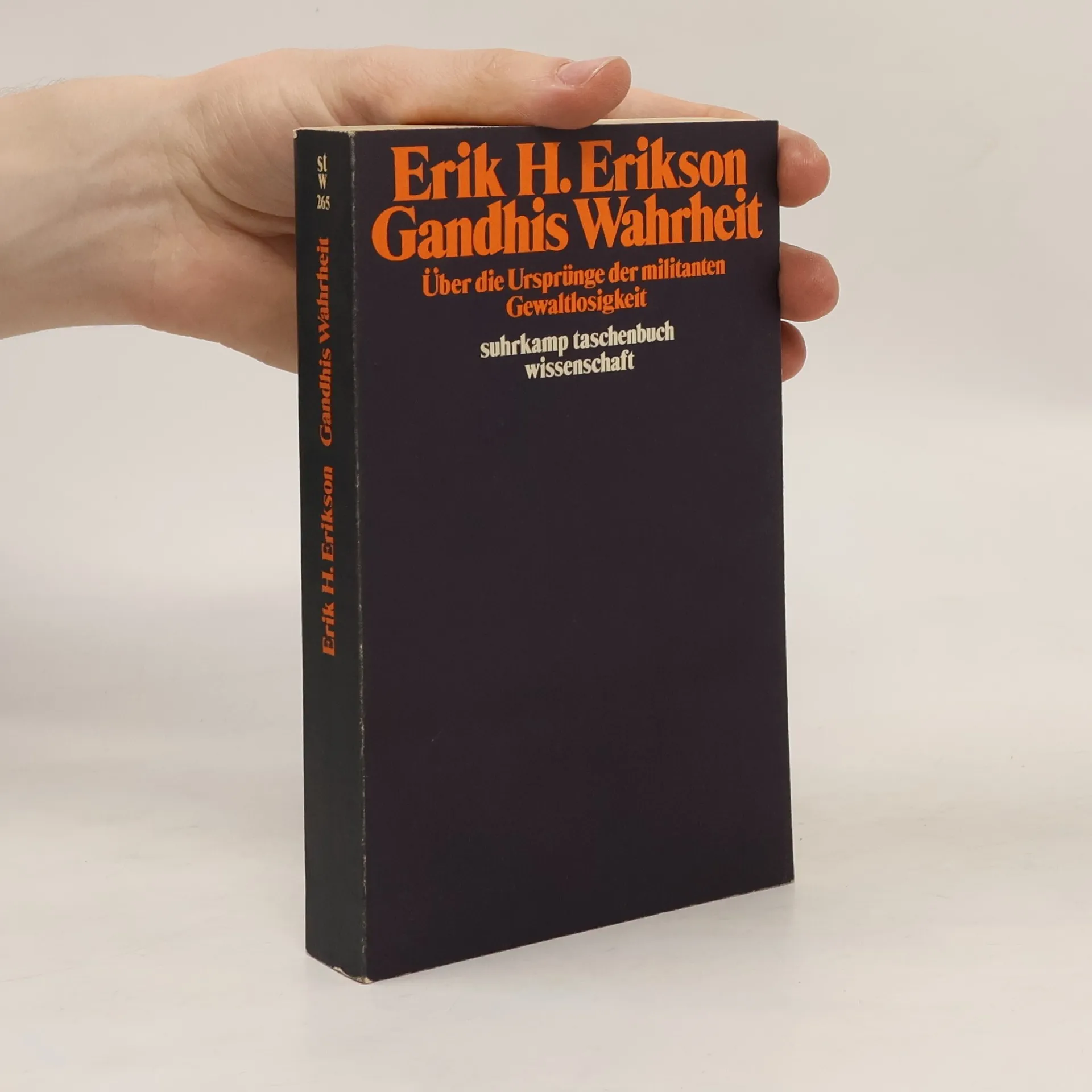
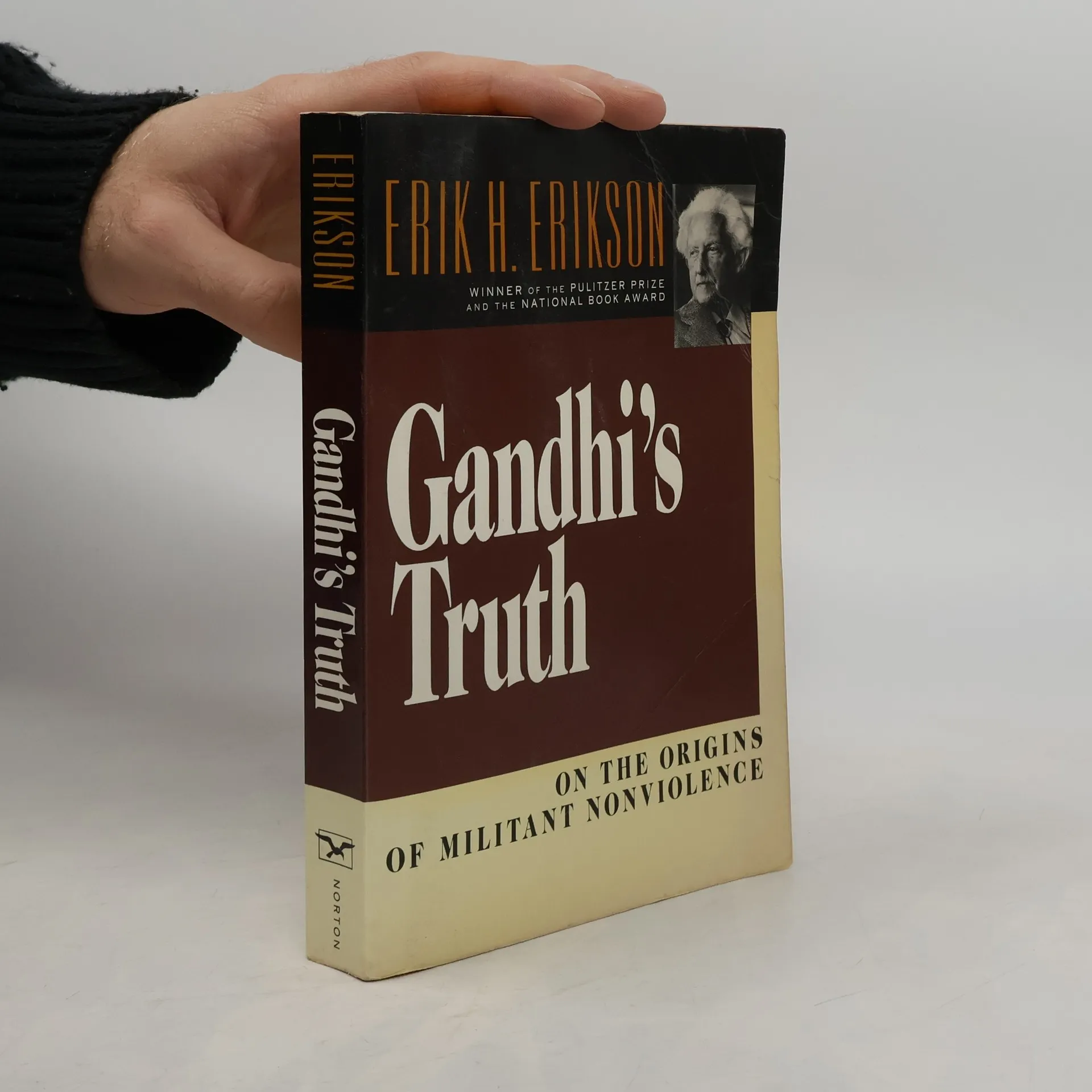
In this study of Mahatma Gandhi, psychoanalyst Erik H. Erikson explores how Gandhi succeeded in mobilizing the Indian people both spiritually and politically as he became the revolutionary innovator of militant non-violence and India became the motherland of large-scale civil disobedience.
Der vollständige Lebenszyklus
- 143 Seiten
- 6 Lesestunden
Erik H. Erikson beschreibt in diesem Resümee seines Werkes die Elemente einer psychoanalytischen Theorie der psychosozialen Entwicklung, und zwar so, daß dabei der historische und autobiographische Kontext ihrer Entdeckung deutlich wird.
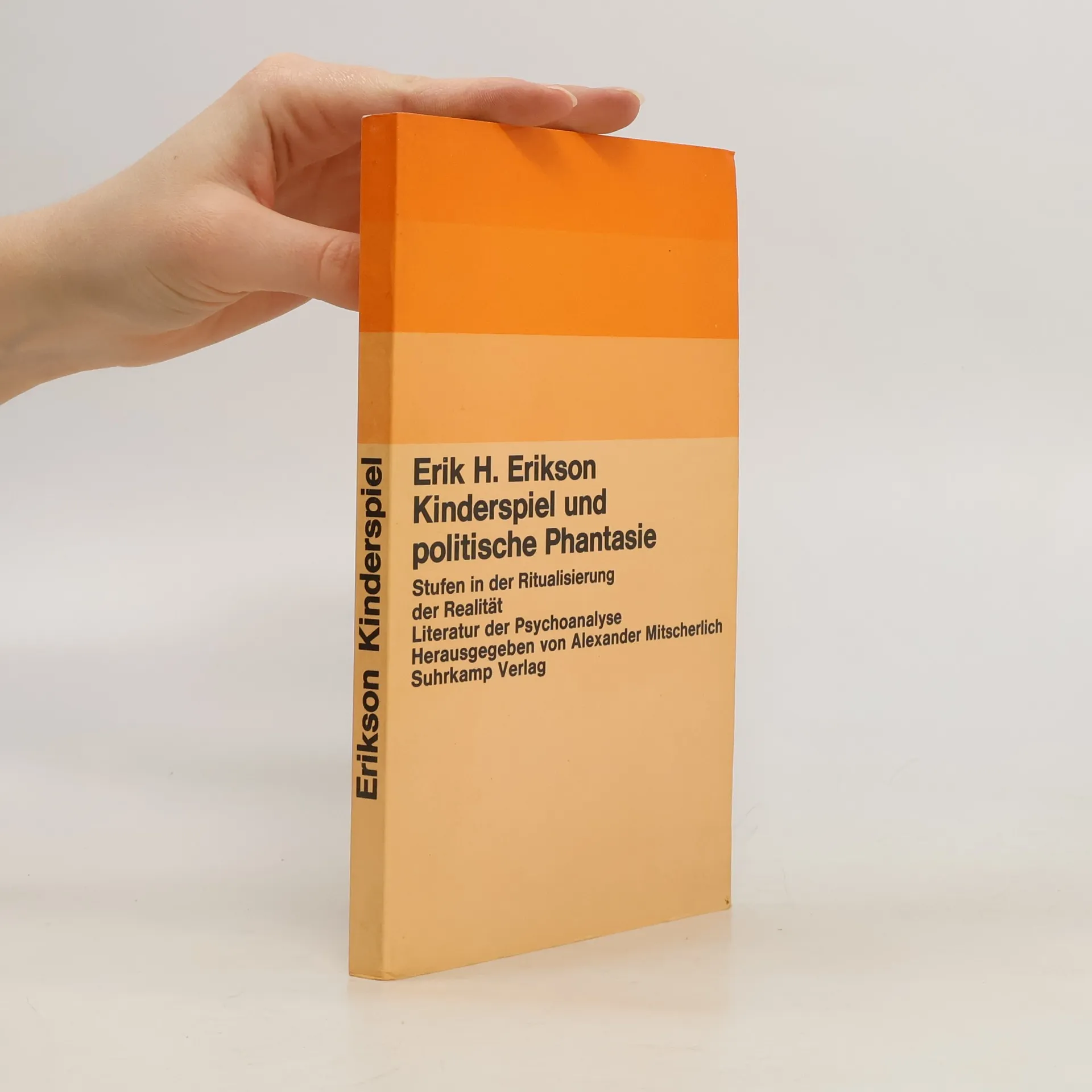
Kinderspiel und politische Phantasie
- 139 Seiten
- 5 Lesestunden
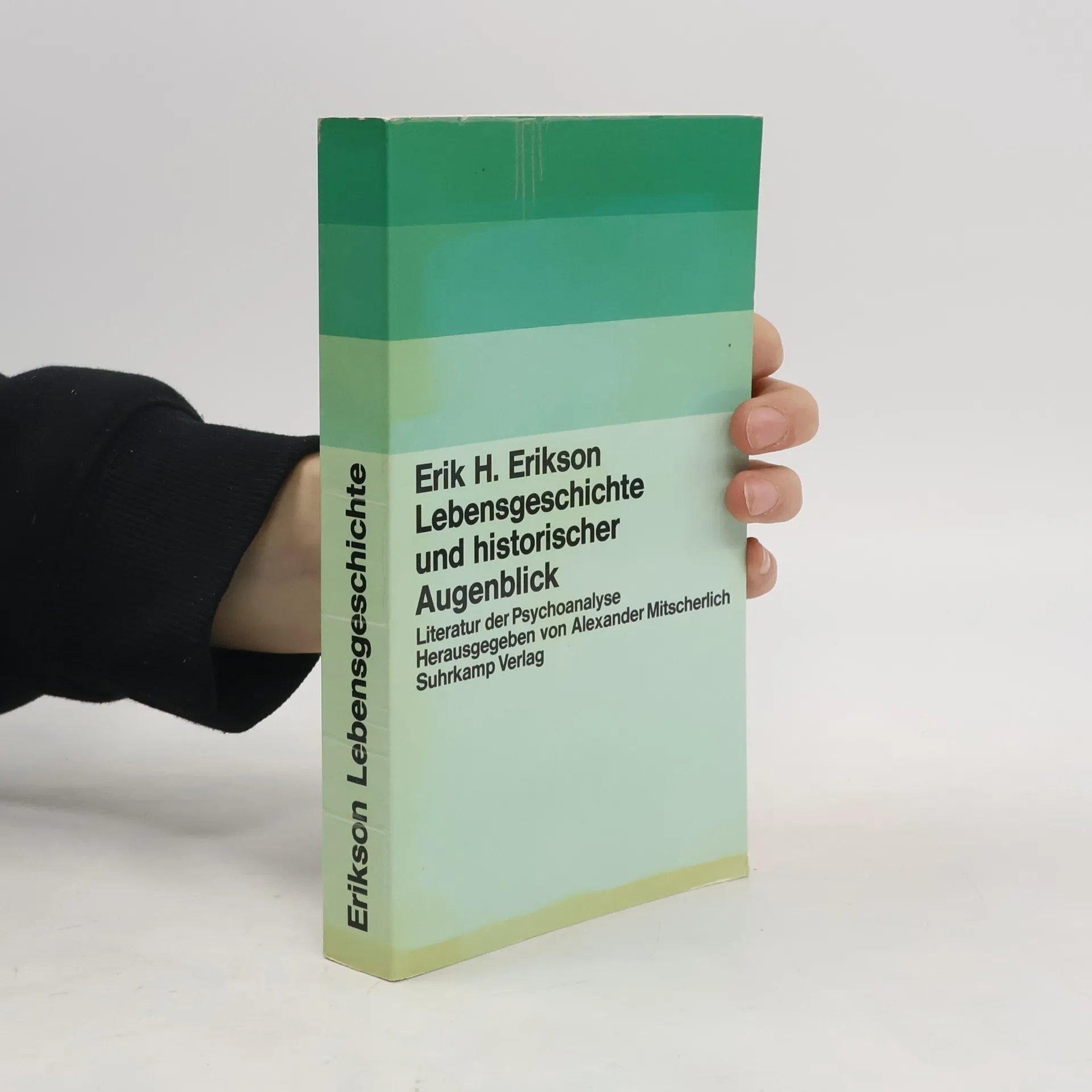
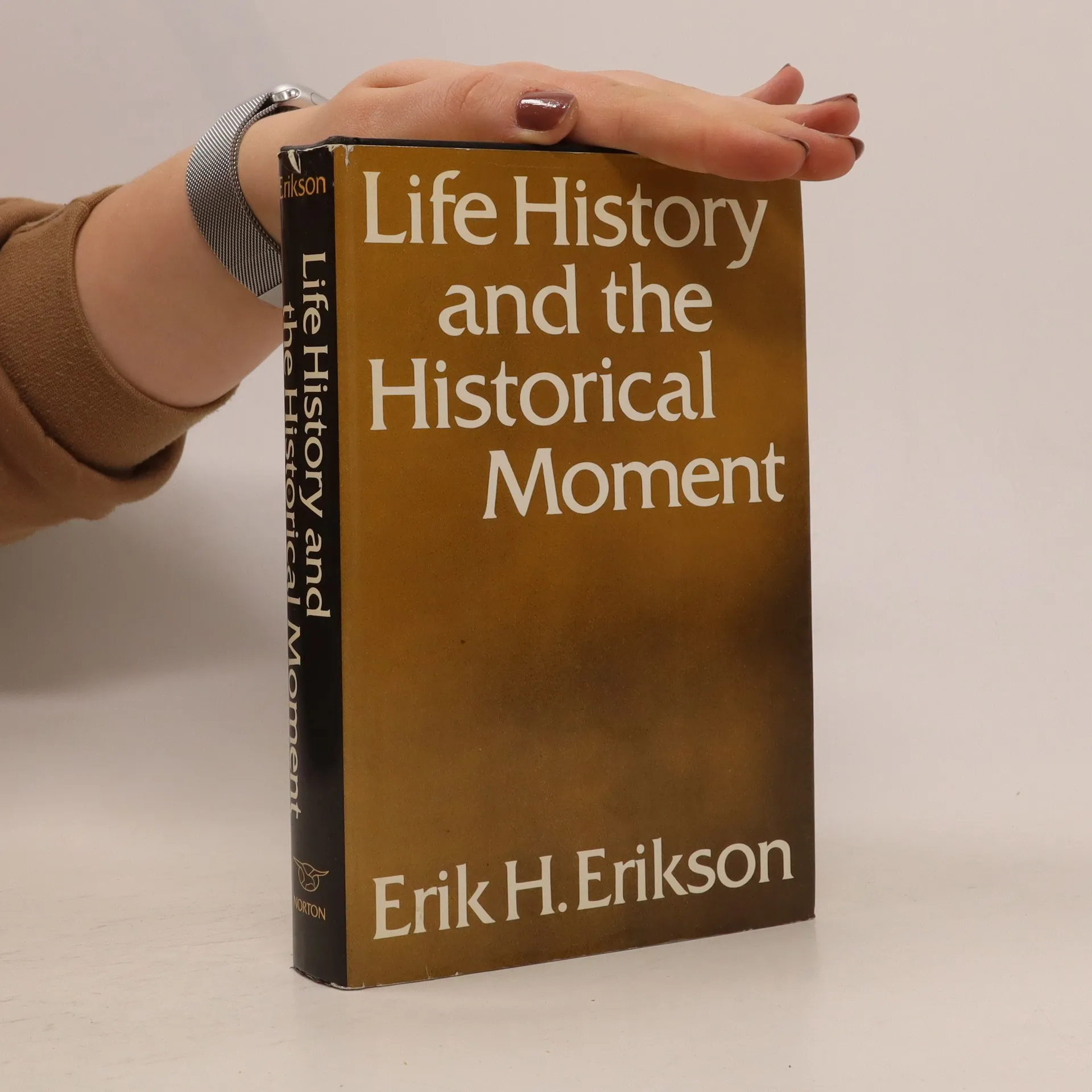
Lebensgeschichte und historischer Augenblick
- 295 Seiten
- 11 Lesestunden
PrefaceAcknowledgments1/Backgrounds & origins"Identity crisis" in autobiographic perspectiveFreud's posthumous publications: reviews. A historic friendship: Freud's letters to Fliess; A questionable cooperation: the Wilson bookPostscript & outlook2/In search of GandhiOn the nature of "psycho-historical" evidenceFreedom & nonviolence3/Protest & liberationReflections on the revolt of humanist youthOnce more the inner spacePsychoanalysis: adjustment or freedom?NotesIndex
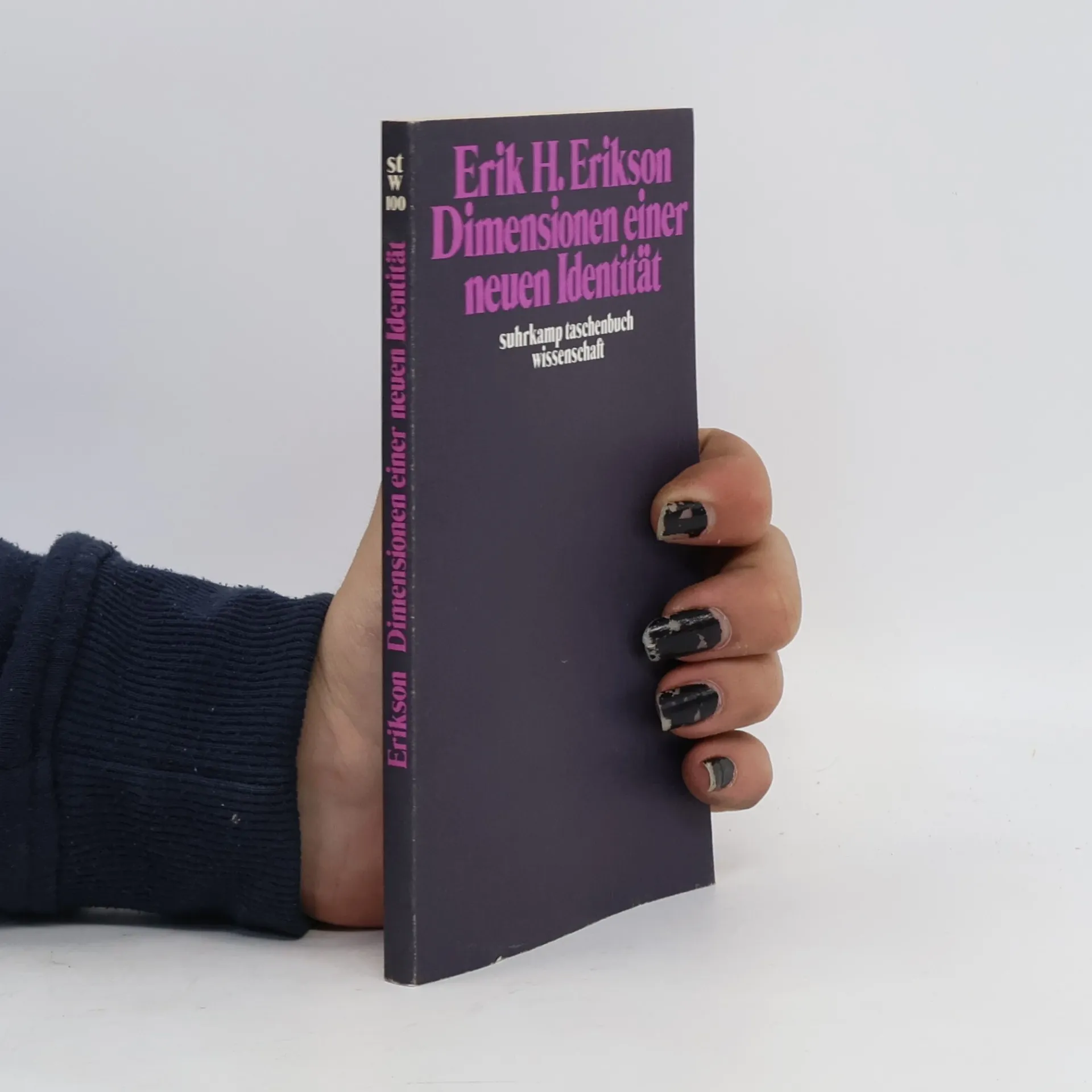
Dimensionen einer neuer Identität
- 140 Seiten
- 5 Lesestunden
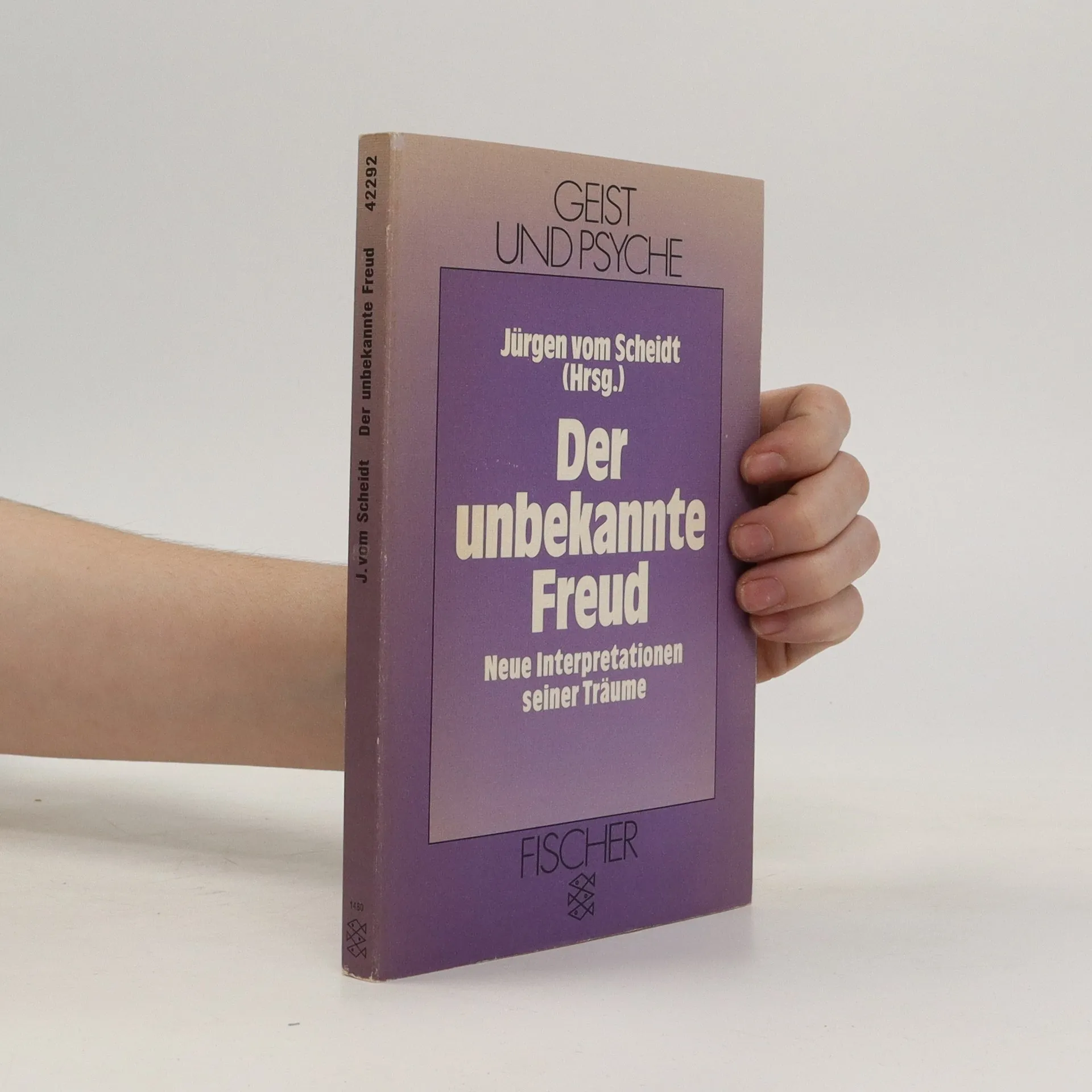
Der unbekannte Freud
- 215 Seiten
- 8 Lesestunden
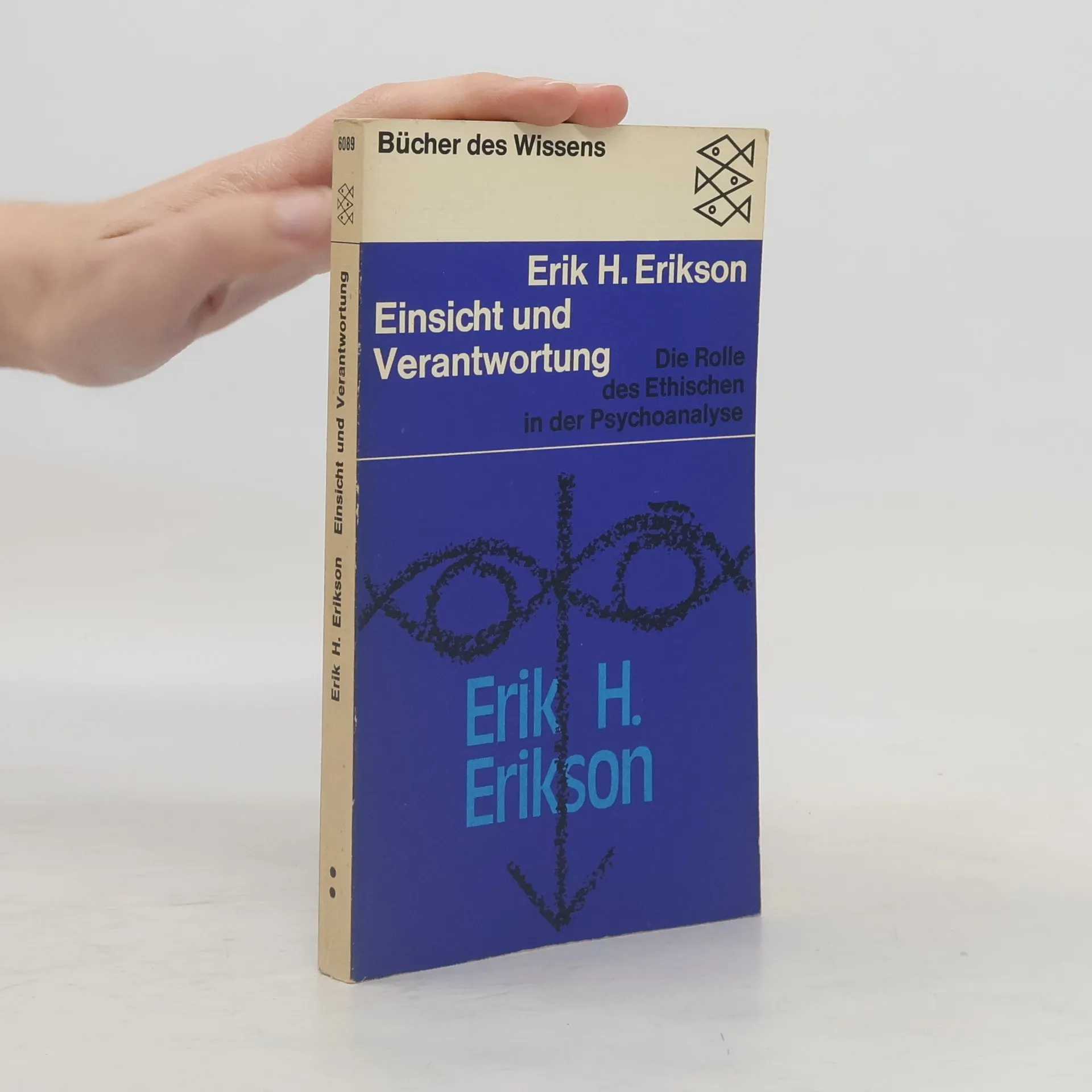
Einsicht und Verantwortung
- 219 Seiten
- 8 Lesestunden
Zu den behandelten Themen gehören: Freuds Entdeckung, dass der menschliche Geist nur durch eine Partnerschaft zwischen Beobachter und Beobachtetem studiert werden kann; wie klinische Beweise aus einer einzigartigen Mischung von Subjektivem und Objektivem bestehen; eine Beobachtung darüber, wie Identitätsfragen nicht nur Einzelpersonen, sondern auch Gruppen betreffen; sowie eine Untersuchung der Verbindungen zwischen Ich-Bildung und Institutionen und Traditionen. Erikson diskutiert auch die Ursprünge der Ethik und betrachtet die Psychiatrie als die pragmatische westliche Version der universellen Reise zur Selbstbewusstwerdung.
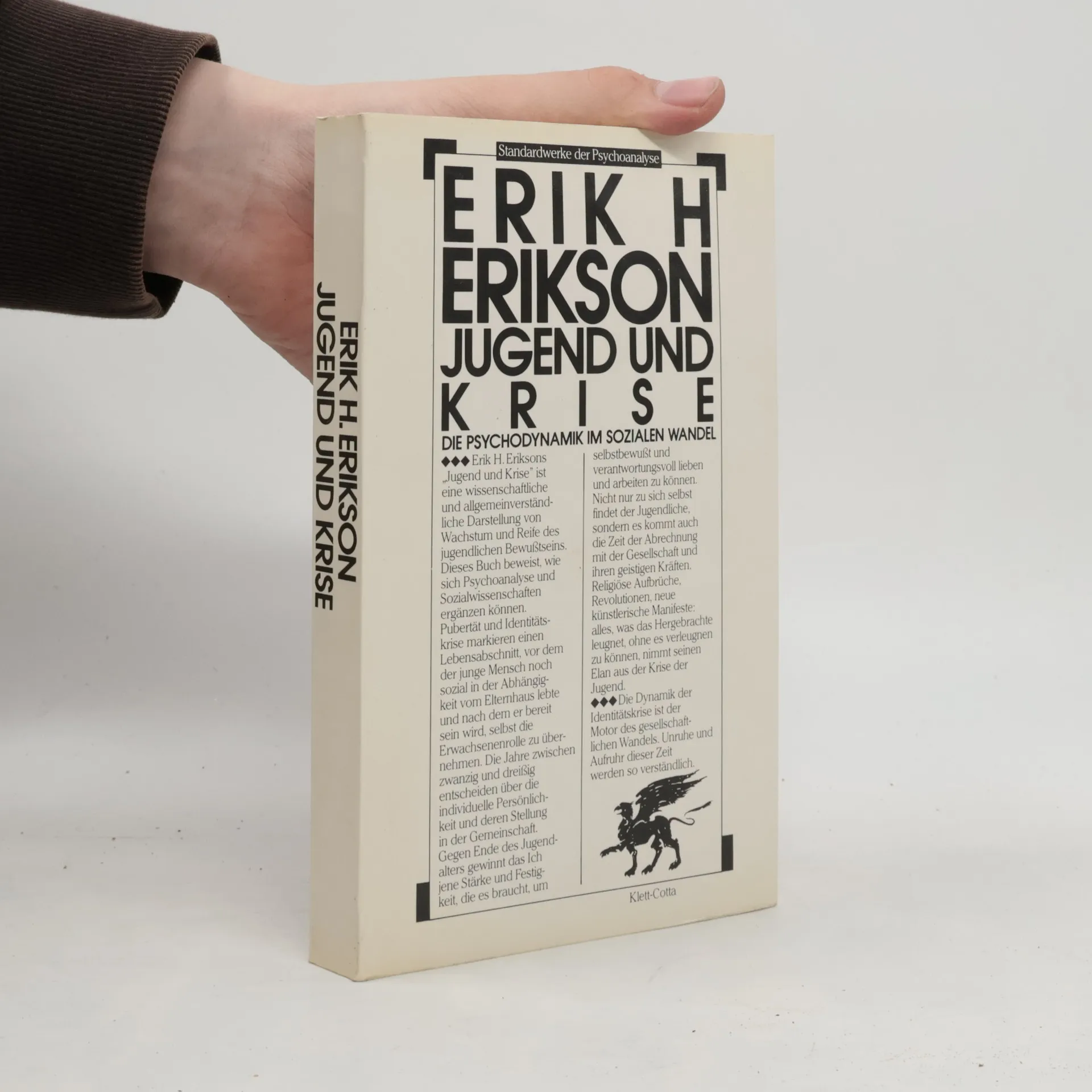
Jugend und Krise
- 344 Seiten
- 13 Lesestunden
»Das Buch ist keine einfache Lektüre, aber ausgesprochen interessant und in seinen Gedankengängen zwingend.«A. Maier, Unsere Jugend Pubertät und Identitätskrise markieren einen Lebensabschnitt, vor dem der junge Mensch noch sozial in Abhängigkeit vom Elternhaus lebte. Gegen Ende des Jugendalters gewinnt das Ich jene Stärke und Festigkeit, die es braucht, um selbstbewußt und verantwortungsvoll leben zu können.
Identität und Lebenszyklus
- 223 Seiten
- 8 Lesestunden
Erikson folgt — immer im Kontext der empirischen Wissenschaften — dem Menschen von seinen frühkindlichen Verhaltensweisen bis hin zu den Phasen des Erwachsenseins. Er erweitert die psychoanalytische Betrachtungsweise um die Erforschung der Ich-Identität, deren Ausprägung von historisch-gesellschaftlichen Veränderungen abhängt.
Der junge Mann Luther
- 308 Seiten
- 11 Lesestunden
Ein Klassiker der Luther-Forschung – neu zu entdeckenDer renommierte Psychoanalytiker Erikson erzählt in Der junge Mann Luther die Geschichte der Kindheitskonflikte und Jugendkrisen, die Martin Luther zum Reformator machten.Als junger Mann durchlief Luther eine dramatische Identitä Er rebellierte gegen seinen dominanten Vater, weigerte sich zu heiraten und Jurist zu werden; stattdessen trat er ins Kloster ein und ließ sich zum Priester weihen – bis er sich im Alter von 34 Jahren dann mit dem folgenreichen Thesenanschlag entschieden gegen die Autoritäten von Papst und Kirche stellte. Luther hatte damit eine Lösung für seine persönliche Krise gefunden, die gleichzeitig einschneidende Umwälzungen für die gesamte christlich-westliche Welt bedeuteten.
Kindheit und Gesellschaft
- 426 Seiten
- 15 Lesestunden
Dieses Buch gehört zu den interessantesten Werken im Bereich psychoanalytischer Forschungen. Der Leser wird von Anfang an gefesselt, und es erwachsen ihm aus diesem »Reisetagebuch der Begriffe«, wie Erikson seine Darstellung nannte, eine Fülle neuartiger Erkenntnisse. Auf der Suche nach den Gesetzen, nach denen der Mensch lebt, geht Erikson auf die Kindererziehung zweier von ihm selbst untersuchter amerikanischer Indianerstämme ein. Er macht deutlich, wie sehr das Weltbild und die wirtschaftlichen Verhältnisse auf die Betreuung des Kleinkindes einwirken. »Die Einmaligkeit der Erscheinung von Erik H. Erikson beruht ebenso stark auf der Originalität seines Denkens wie auf der Tatsache, daß er sehr verschiedene Gebiete bearbeitet und auf diese Weise dazu beigetragen hat, den Zusammenhang von Disziplinen sichtbar zu machen, die bis vor kurzem zwischen verschiedenen Fakultäten aufgeteilt waren: zwischen Anthropologie und Medizin, Psychologie und Sozialwissenschaften, Verhaltensforschung und Geschichtswissenschaften.«Merkur