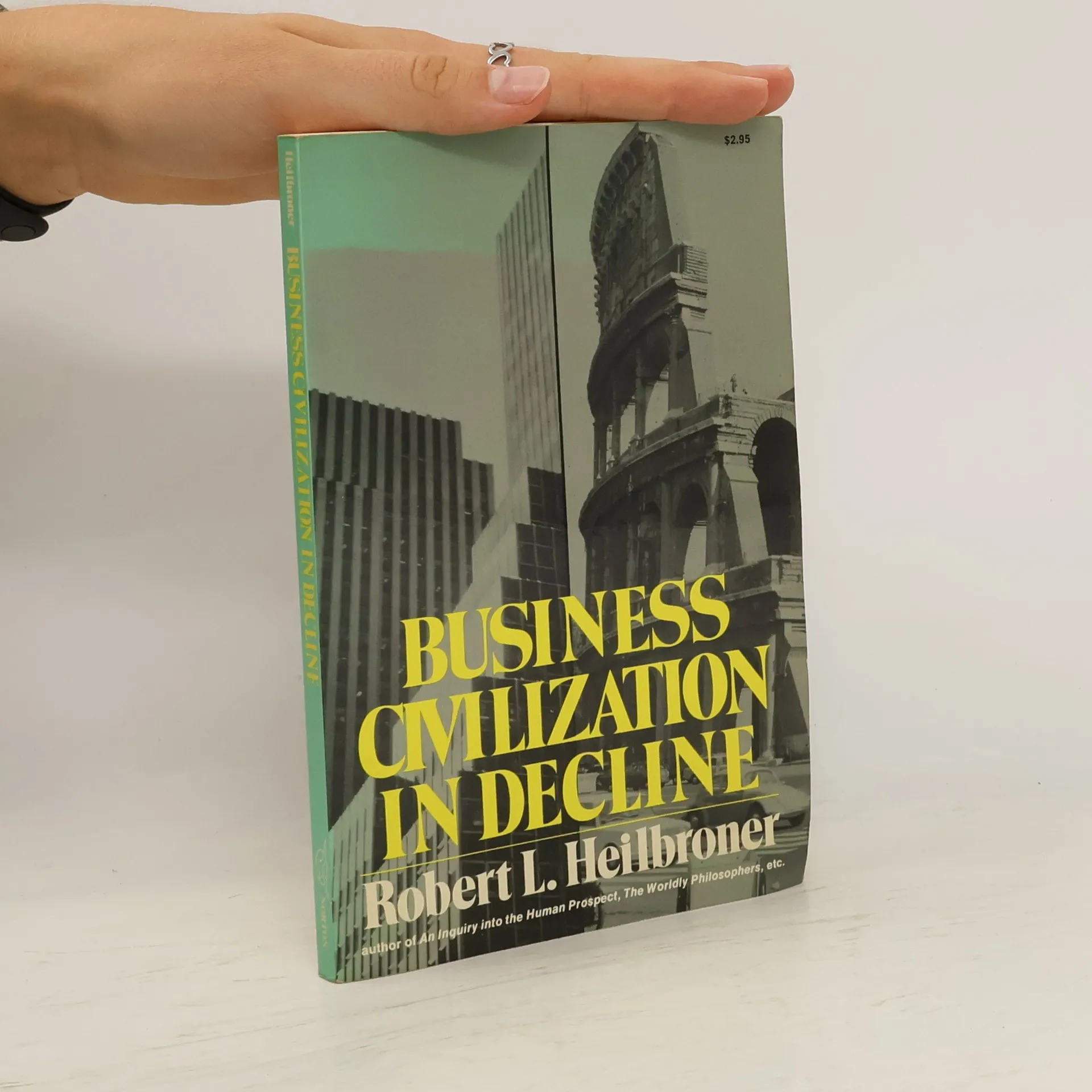
Robert L. HeilbronerReihenfolge der Bücher (Chronologisch)
Robert L. Heilbroner war ein amerikanischer Ökonom und Historiker des ökonomischen Denkens, der dafür bekannt war, komplexe ökonomische Theorien einem breiten Publikum zugänglich zu machen. Heilbroner sah sich selbst eher als „weltlichen Philosophen“ denn als konventionellen Ökonomen, und seine Werke verbanden oft Ökonomie mit Geschichte und Philosophie. Sein bekanntester Beitrag ist eine Übersicht über Leben und Ideen einflussreicher Ökonomen, die die Entwicklung wichtiger ökonomischer Gedanken für den allgemeinen Leser beleuchtet. Heilbroners Schriften regen zu tieferen Überlegungen über die sozialen Dimensionen des Kapitalismus und die zukünftige Entwicklung der ökonomischen Philosophie an.
Die renommierten Experten Robert Heilbroner und Lester Thurow vermitteln ein umfassendes Grundlagenwissen, mit dem jeder die Welt der Wirtschaft durchschauen kann. Sie geben einen Überblick zu allen Themen rund um unsere Volkswirtschaft und befassen sich mit fundamentalen Fragen: Wie entstehen Angebot und Nachfrage? Worauf beruht die Marktwirtschaft? Was ist eigentlich Geld? Das Buch wurde vollständig aktualisiert und von Lester Thurow mit einem neuen Vorwort versehen.
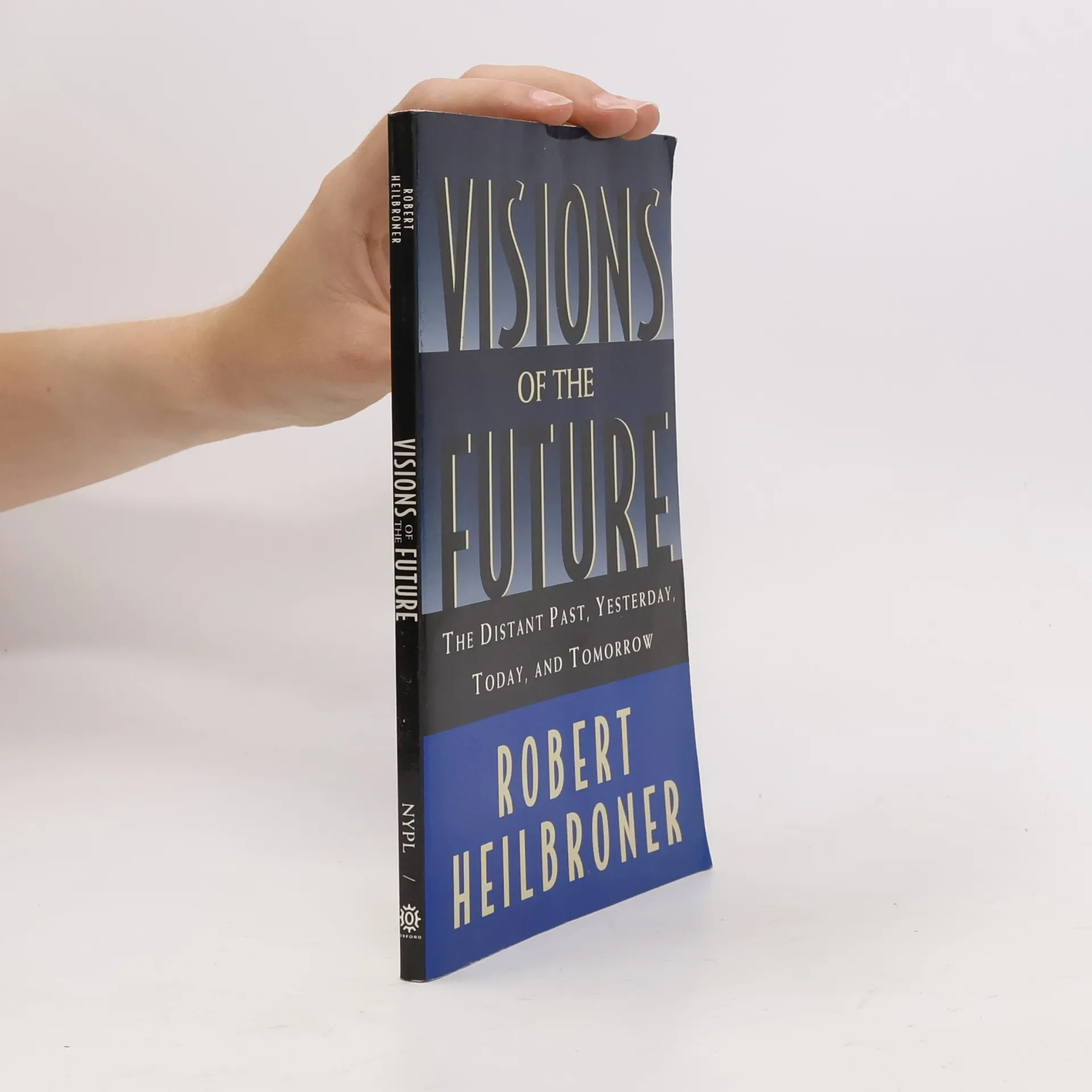
"This is an exceedingly long short book, stretching at least fifty thousand years into the past and who knows how many into the future." So begins this prophetic work by eminent economist Robert Heilbroner, who presents a stunningly simple premise: throughout human history, there have only been three distinct perspectives on the future. In the Distant Past, from prehistory to the seventeenth century, there was no expectation of a future materially different from the present. Cultures from the Stone Age through the Middle Ages shared a defining belief—an absence of hope for material progress for the masses.
It wasn't until the period Heilbroner calls Yesterday, from roughly 1700 to 1950, that the future emerged as a compelling force in human consciousness. The rise of capitalism, fueled by scientific advancement and a growing sense of democracy, offered society a promise of improvement. This faith in a superior future distinguished Yesterday from Today, our current era. Today, while still propelled by the same forces, we face anxiety stemming from events like Hiroshima, Chernobyl, and global unrest, contrasting sharply with the resignation of the Distant Past and the optimism of Yesterday.
In a powerful conclusion, Heilbroner addresses the threats of nuclear blackmail, global warming, and the commodification of life through modern technology. He calls for a renewed resolve to confront the challenges of the twenty-first centur
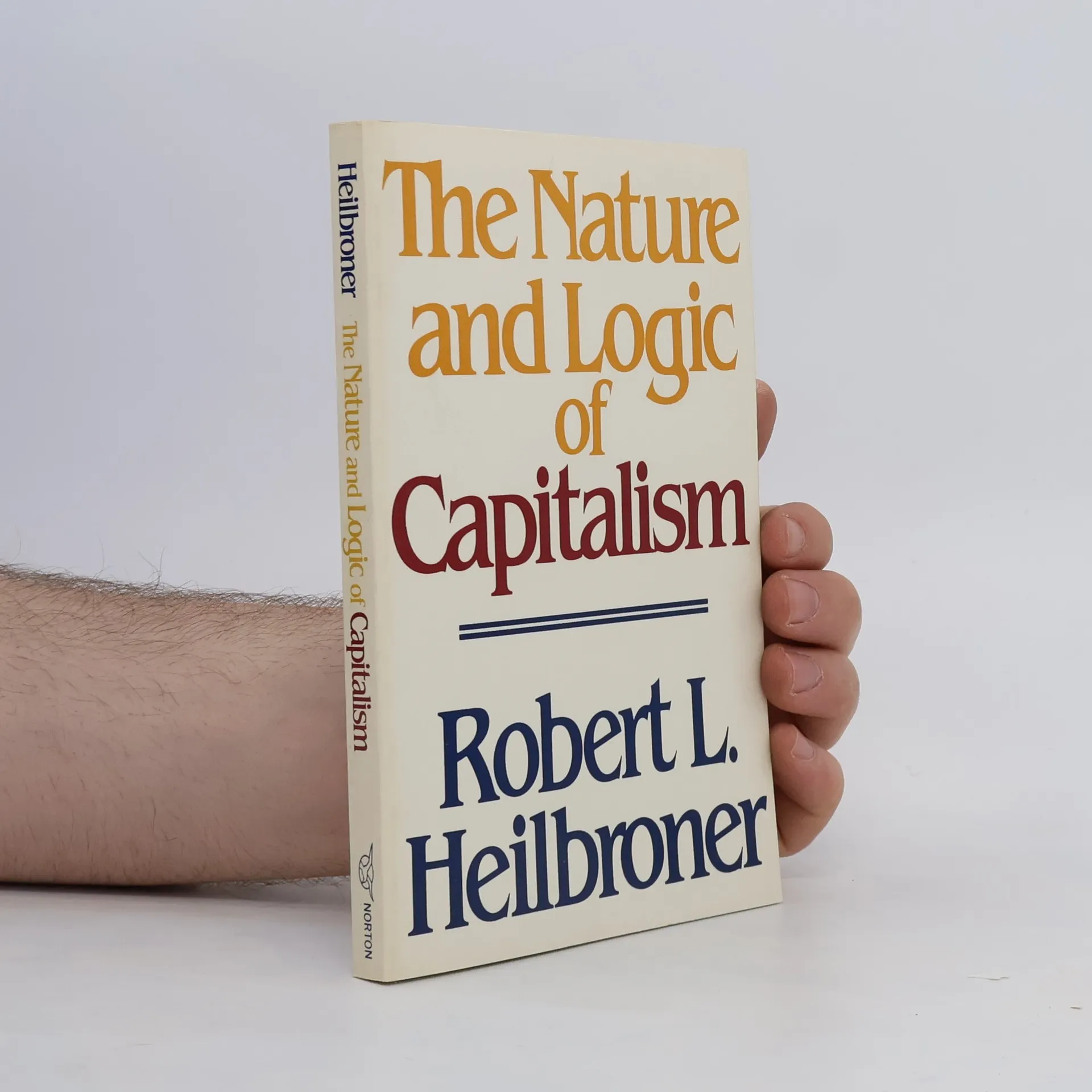
Der Kapitalismus betritt als Sieger im Wettstreit zwischen den Systemen die Bühne des 21. Jahrhunderts. Er hat in der Vergangenheit die Voraussetzungen für politische und gesellschaftliche Freiheit in einer Reihe von Ländern geschaffen. In einer Zeit, in der weltweite Verarmung um sich greift und ein desaströses Vakuum in den ehemaligen sozialistischen Ländern zu füllen ist, ist die Marktwirtschaft neu gefordert. Sie steht vor ihrer größten Bewährungsprobe, denn die technologischen, ökonomischen und ökologischen Anforderungen sind immens. Heilbroner entwickelt neue Organisationsformen des Kapitalismus, die ihn und die Welt überlebensfähig halten sollen.
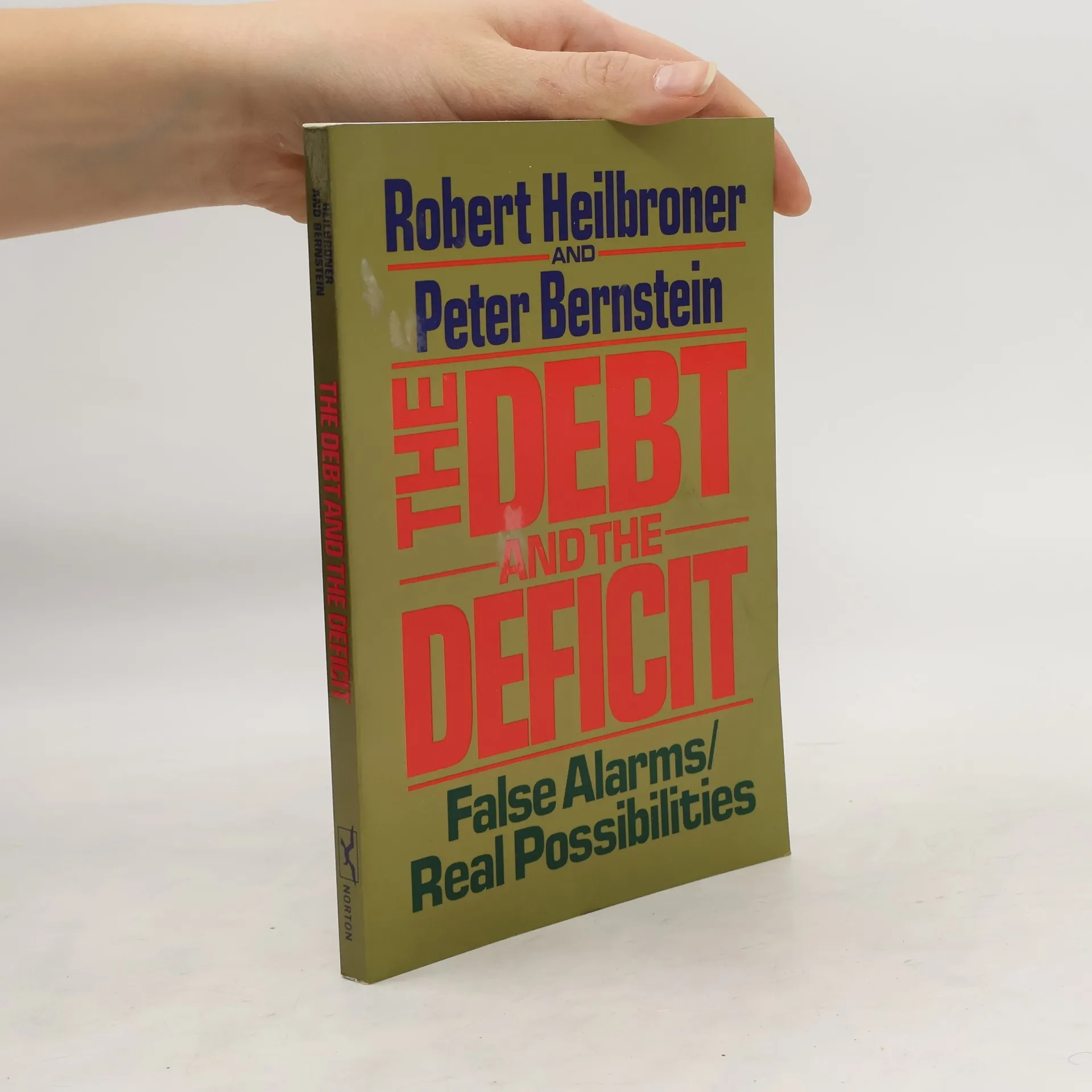
As the British trade deficit continues to grow, this trenchant, original and timely book on the US deficit and national debt offers much to readers on this side of the Atlantic. The authors explain what national debts and deficits are, and what they are not. One thing they are not nearly as big as we think. Another thing they are not is a burden on the shoulders of our grandchildren. And one thing they are is a potential means of financing economic growth. Heilbroner and Bernstein do not shrug aside the debt and deficit. "The only remedy for our present frightened state of mind", they write, "is explanations that are simple but accurate, facts that will defuse unreasoning panic, and arguments that will stand up under the most skeptical examination."
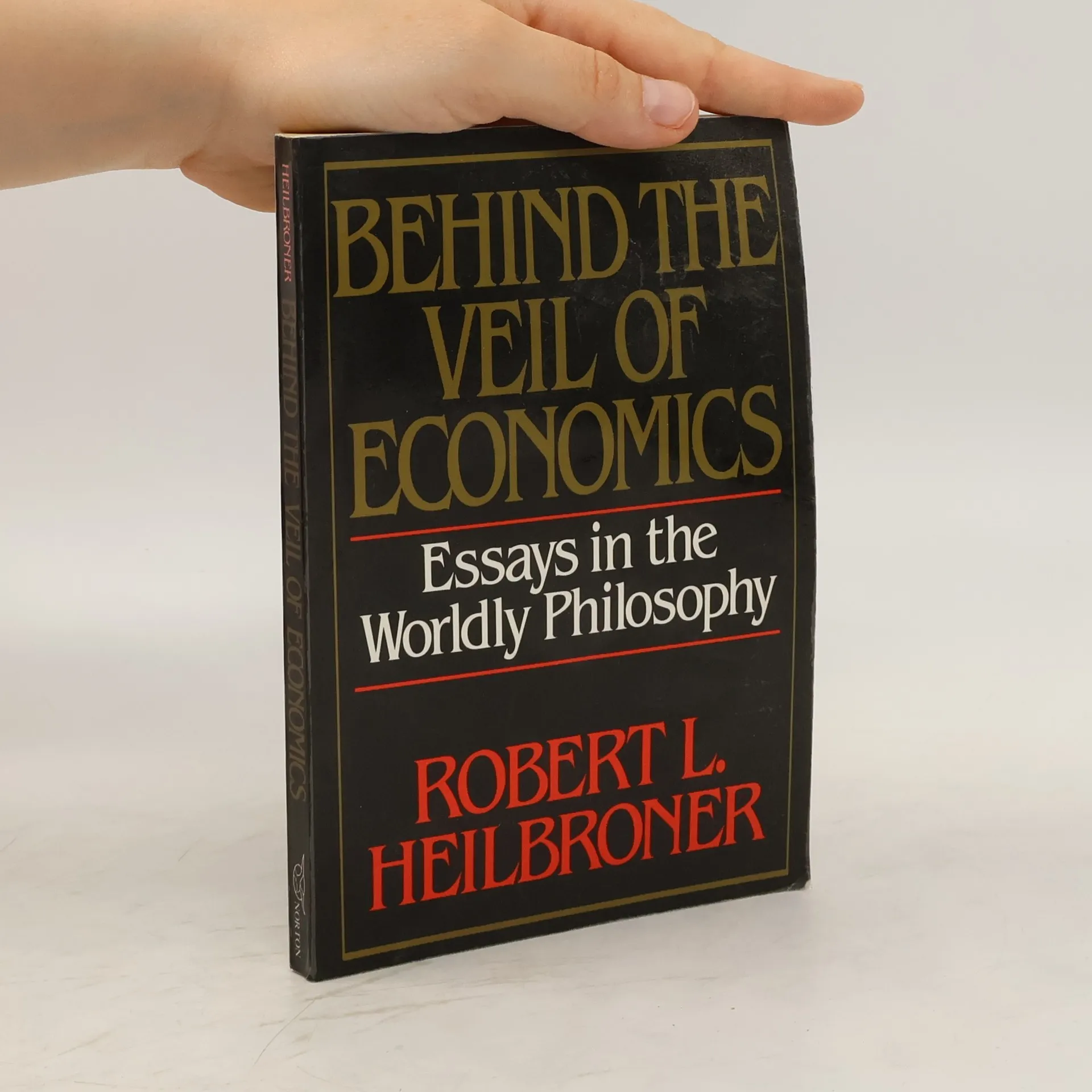
"[These essays] are rich in argument, in clear and provocative presentation of complicated issues, and are often delightfully quotable. Behind the Veil of Economics makes instructive, disturbing, and lively reading." —Elizabeth Wolgast, New York Times Book Review What lies behind the veil of economics? Power and ideology, answers Robert Heilbroner—the power of our economic involvement in society to shape the ways we think about it; the visions and values that add unsuspected ideological color to our economic beliefs about it. Most important, Heilbroner shows why economics has become the reigning form of social inquiry and how we might penetrate its mystique.
Acknowledgments Preface The immediate future The middle distance "Postindustrial" capitalism Capitalism & the multinational corporation The long run Index
Is there hope for man? This "terrible question" posed by Robert L. Heilbroner in the original version of this classic work remains relevant today. In this third edition, Heilbroner emphasizes that the global challenges he identified—runaway populations, destructive weaponry, and environmental crises—persist. Reflecting on the collapse of communism as a rival to capitalism, he examines the struggles of centrally planned economies, illustrating how Soviet-style systems became trapped in bureaucratic inefficiencies. However, Heilbroner cautions that the success of profit-driven, market-oriented economies does not mitigate the impending ecological crisis. He asserts that the environment's absorption capacities, particularly regarding the greenhouse effect and other planetary limits, dictate the boundaries of economic growth. His incisive analysis of our prospects for the remainder of the century is both thought-provoking and essential for those unwilling to ignore the stark realities of our time.
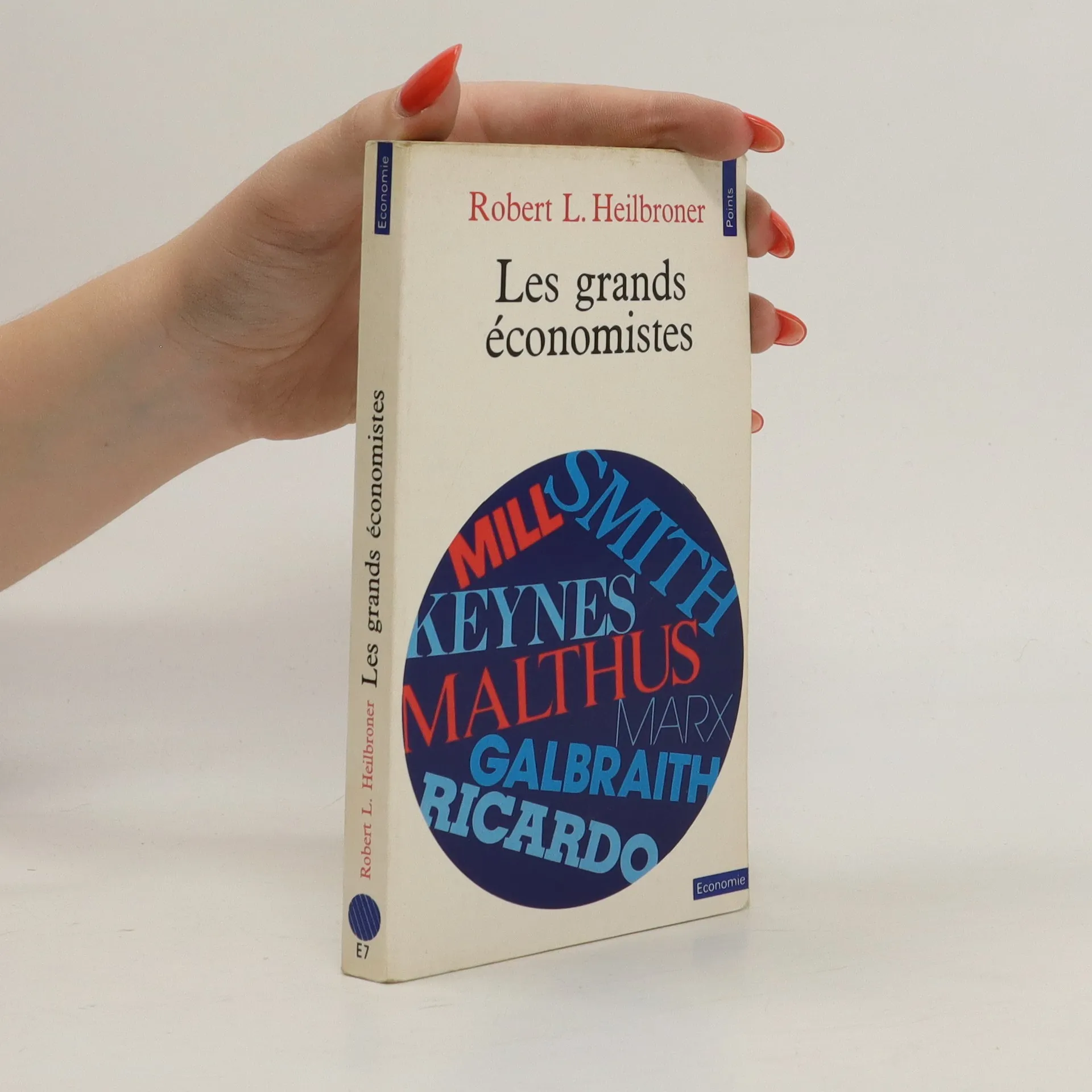
Die Denker der Wirtschaft: Eine Hand voll Männer mit einem berechtigten Anspruch auf Berühmtheit, und das, obwohl sie nach allen Maßgaben der Geschichtslehrbücher eigentlich null und nichtig sind. Sie befehligten keine Armeen, schickten keine Soldaten in den Tod, herrschten nicht über Imperien und dennoch hatten sie einen stärkeren Einfluss auf die Geschichte als manch großer Staatsmann. Ihre Ideen waren machtvoller als Armeen, ja sogar folgenreicher als die Erlasse von Königen oder Parlamenten, denn sie prägten und belebten die Vorstellungen ihrer Zeit. Sie lebten und arbeiteten meist zurückgezogen als Gelehrte, ohne sich großartig darum zu scheren, was die Welt über sie dachte. Aber Ihre Ideen hinterließen zerstörte Imperien und stützten oder unterminierten politische Regime. „Die Denker der Wirtschaft“ präsentiert die Geschichte der Volkswirtschaftslehre und ihre Entwicklung hin zu einer modernen Wissenschaft am Beispiel der Theorien von Ökonomen wie Adam Smith, David Ricardo, Karl Marx oder John Maynard Keynes. Robert L. Heilbroner stellt so kontroverse Theorien wie die der freien Marktwirtschaft von Adam Smith und die marxistische Theorie der politischen Ökonomie von Karl Marx einander gegenüber und beleuchtet das gesellschaftliche Spannungsfeld ihres Entstehens. Ein Buch, das dem Leser die Ursprünge und Hintergründe des heutigen ökonomischen Denkens und konträrer Wirtschaftssysteme verdeutlicht.